The Real Trick to Fishing: It's Not What You Think
What is the trick to fishing? Discover the surprising truth beyond lures and gear. This in-depth guide reveals the core principles of patience, observation, and adaptation that separate successful anglers from the rest, covering everything from freshwater to saltwater tactics.
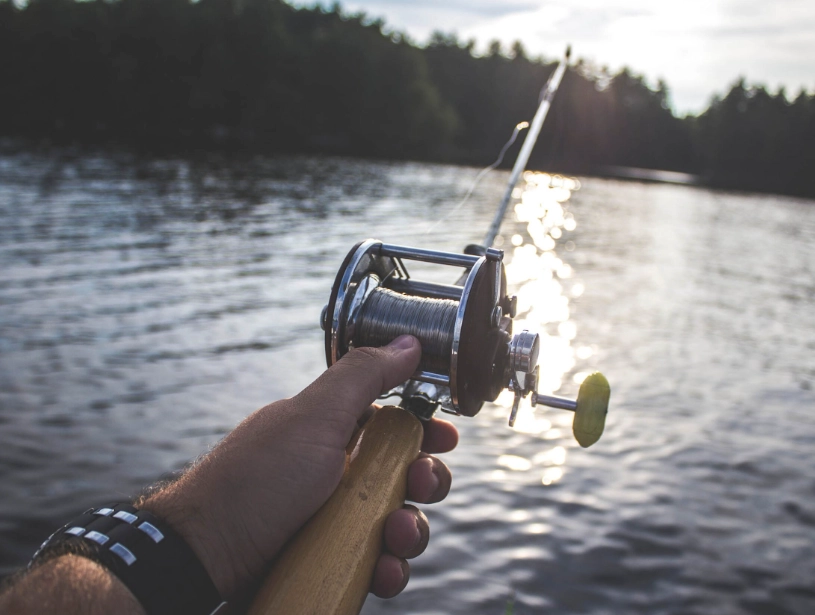
So, you want to know the trick to fishing? I get it. You've probably spent hours staring at the water, watching others haul in fish while your line sits there, doing nothing. You've bought the fancy lures, the expensive rod, maybe even the latest fish-finder gadget. And still, the big one gets away, or worse, never shows up. Let's be honest, it's frustrating. I've been there. I remember my first season, convinced the secret was in some magical, neon-colored lure I saw in a catalog. Spoiler alert: it wasn't. The real answer to "What is the trick to fishing?" is disappointingly simple and overwhelmingly complex at the same time. It's not a single switch you flip. It's a mindset. It's about becoming a student of the water, not just a person with a rod. The Core Truth: The fundamental trick to fishing is understanding that you are trying to outthink a creature with a brain the size of a pea, in an environment you cannot fully see, using tools that are, at best, clumsy imitations of real food. Your success hinges on how well you bridge that gap. Forget the gimmicks for a second. Let's break down what actually works, layer by layer. This isn't about giving you one magic bullet. It's about building a foundation so you can solve the fishing puzzle yourself, on any lake, river, or pier. Before we get to what works, let's clear the deck. A lot of advice out there focuses on the wrong things. It's not about having the most expensive gear. A $500 rod won't catch fish if your bait is in the wrong place. I've seen kids with a handline and a worm out-fish guys decked out in thousands of dollars of equipment. Gear matters, but it's a tool, not the trick. It's not about one secret lure. The fishing industry loves this myth. "This new wobbling crankbait will catch fish when nothing else will!" Maybe. For a specific fish, in specific conditions. Relying on it is a dead end. I once bought a lure because the package claimed it was "scientifically proven" to trigger strikes. It looked like a tiny spaceship. The fish treated it like one too—they completely ignored it. My old, scratched-up spoon caught three bass that same afternoon. It's not just about patience. Yes, patience is required. But passive patience—just sitting and waiting—is often a recipe for an empty cooler. The trick to fishing involves active patience: patiently trying different spots, depths, and retrieves until you find what works. If I had to distill it down, the real trick to fishing rests on three interconnected pillars. Miss one, and your success rate plummets. This is 80% of the battle. You can have perfect technique, but if you're casting where the fish aren't, you're just exercising your arm. Fish are creatures of habit and necessity. They need food, oxygen, comfortable temperature, and cover from predators. Look for: This is where a basic understanding of your target species is non-negotiable. A catfish and a trout are looking for completely different real estate. Quick Tip: Before you even make a cast, spend 10 minutes just looking. Watch for bird activity (diving birds often mean baitfish are near the surface). Look for subtle disturbances in the water. Smell the air (seriously, some algae blooms or baitfish schools have a smell). This reconnaissance is a huge part of the trick to fishing that most beginners skip. Okay, you've found a promising spot. Now you have to make your offering look believable. This is where technique comes in. Presentation answers the question: does my lure/bait look, move, and feel like something this fish wants to eat right now? Key factors: Let's get specific with a common scenario. You're bass fishing in early summer around a dock. See the difference? It's about thinking like the prey to trick the predator. This is the master skill. The conditions change. The fish move. What worked an hour ago fails now. The angler who can adapt on the water is the one who consistently catches fish. Your mental checklist should be running constantly: This adaptive loop—cast, observe, adjust—is the engine of successful fishing. It turns a day of hoping into a day of problem-solving. When people ask me what is the trick to fishing, I often say it's the willingness to admit your first five ideas were wrong and to try a sixth. My most memorable catch was a large pike on a day when nothing was biting. I'd tried everything in my box. Out of sheer frustration, I tied on a huge, garish spoon I never used and just started chucking it as far as I could, retrieving it as fast as possible. It was the opposite of all the careful finesse I'd been trying. That pike hammered it like it was insulted by it. The trick that day was realizing the fish were in an aggressive, competitive mood, not a cautious one. Now that we have the mindset, let's talk tools. You don't need the best, but you need the right and the reliable. Rod & Reel: Match them to your primary target. A medium-power, fast-action spinning rod is the Swiss Army knife for most beginners. It can handle a variety of lures and fish sizes. A baitcasting combo gives more control for heavier lures but has a steeper learning curve—I don't recommend it as a first setup. Line: This is critical and often overlooked. Monofilament is cheap and forgiving. Fluorocarbon is nearly invisible underwater, great for clear water and finicky fish. Braid is super strong and thin, giving great sensitivity. I usually spool with braid and use a fluorocarbon leader. It's a bit more work to tie, but the difference in sensitivity and stealth is worth it. The "Essentials" Box: Instead of a giant tackle box, start with a small selection that covers the bases. Here's what I'd put in a beginner's must-have kit: Knowing how to tie a few good knots—the Improved Clinch, the Palomar, the Uni knot—is more important than any lure. A poorly tied knot is a surefire trick to losing fish. The principles stay the same, but the application shifts. Focus on structure. Fish the edges—where weeds meet open water, where sand drops to mud. In summer, fish deeper or in heavy shade during midday. Early and late, work the shallows. If you're not getting bites, change your retrieve. Go from a steady reel to a stop-and-go. That hesitation often triggers a strike. It's a simple but effective trick to fishing in still water. Read the water. Look for breaks in the current—behind boulders, inside bends, the tails of pools. Fish face upstream, waiting for food to drift to them. So, you often want to cast upstream and let your bait drift down naturally into their feeding lane. Weight is crucial here to get your offering down in the current. A basic rig like a carolina rig (often discussed in freshwater fishing resources) can be perfect for this. Think about tides. An incoming tide often brings baitfish and feeding predators closer to shore. Find troughs or holes just beyond the breaking waves—fish patrol these like highways. Use heavier gear to handle bigger fish and casting distance. Fresh cut bait on a fish-finder rig is a classic, deadly effective method from shore. The trick here is timing your session with the tide movement. Part of being a good angler is respecting the resource. Know the regulations for your area—size limits, bag limits, seasons. They exist for a reason. If you're keeping fish, kill it quickly and humanely, and get it on ice ASAP. This preserves the quality of the meat immensely. If you're practicing catch and release, which I encourage for sustainable fisheries, do it right. Use barbless hooks or crush the barbs. Keep the fish in the water as much as possible. Wet your hands before handling it to protect its slime coat. Don't keep it out of water for a long photoshoot. Support its body horizontally—don't hold a large fish vertically by the jaw, as it can damage its internal organs. Revive it gently in the water until it swims away strongly. This is the most important trick to fishing for the future—making sure there are still fish there tomorrow. Quick Release Tip: Needle-nose pliers or a hook remover are essential. The faster you can get the hook out, the less stress on the fish. For deeply hooked fish, it's often better to cut the line as close to the hook as possible rather than trying to dig it out. Many hooks will rust out quickly. So, you're heading out this weekend. Forget trying to remember a hundred tips. Focus on this simple framework: The frustration you feel when it's not working is actually the first step. It means you're moving past random luck and starting to ask the right questions. That's the beginning of real skill. In the end, the grand, universal trick to fishing is this: stop trying to trick the fish. Instead, learn to understand them. Offer them what they want, where they want it, and how they want it. It's a puzzle of nature, and you get to solve it with a line and a hook. There's a deep satisfaction in that, far beyond just the catch itself. Now go get your line wet. And remember, the best trick is showing up, paying attention, and enjoying your time on the water. The fish are just a bonus.Quick Navigation
Myth Busting: What the Trick to Fishing Is NOT
The Actual Framework: The Three Pillars of the Fishing Trick
Pillar One: Observation & Location (The "Where" and "When")
Pillar Two: Presentation (The "How")
Your Goal
Wrong Approach
Better Approach (The "Trick")
Get a reaction from a bass in shade.
Cast a topwater frog right onto the dock, creating a splash.
Cast past the dock, work the frog quietly to the shadow's edge, let it sit, then give a tiny twitch. The subtle entry and pause mimic a real frog being cautious.
Fish the deep side of a drop-off.
Use a floating lure and reel it straight back.
Use a jig or weighted soft plastic. Cast past the drop-off, let it sink to the bottom, then use a slow, hopping retrieve along the bottom contour. You're now in the strike zone.
Target suspended crappie.
Dangle a minnow under a bobber at a fixed depth.
Use a slip bobber to easily adjust depth until you find the school. Then, add tiny, almost imperceptible jigs to the minnow's movement. You're actively searching and then fine-tuning.
Pillar Three: Adaptation (The "Why Isn't This Working?")
Gear Talk: What Actually Helps Execute the Trick
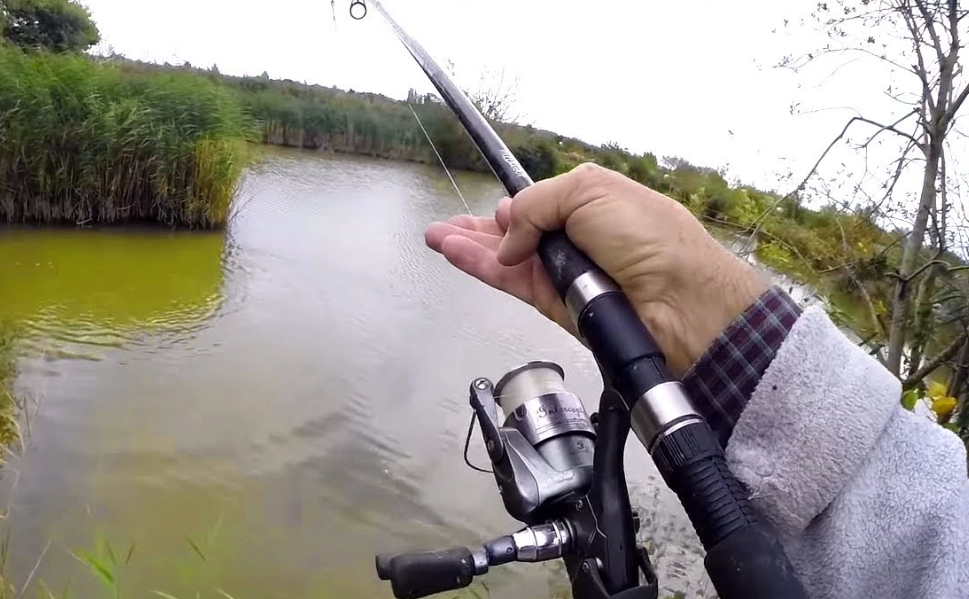
Tackling Different Environments: The Trick Adapts
Freshwater Lakes & Ponds
Rivers & Streams
Saltwater (Surf/Pier)
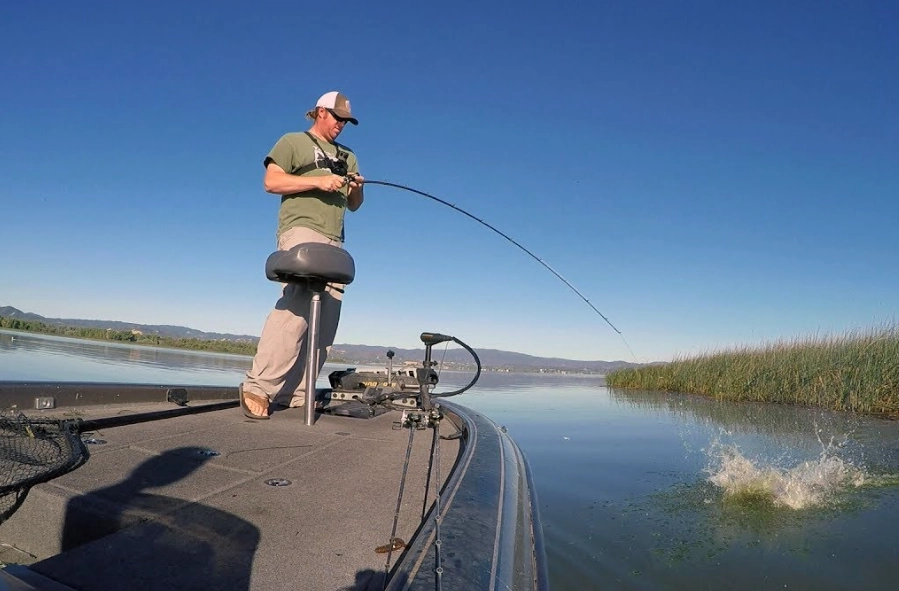
Common Questions & The Real-World Answers
The Ethical Angle: The Trick to Keeping Fish (or Letting Them Go)
Putting It All Together: Your Next Trip