Freshwater Fishing Tips for Beginners: Your Complete Guide to Getting Started
Ever felt overwhelmed by the thought of starting freshwater fishing? This no-nonsense guide cuts through the confusion with essential fishing tips for beginners freshwater, covering gear, location, techniques, and how to actually catch fish on your first trip.
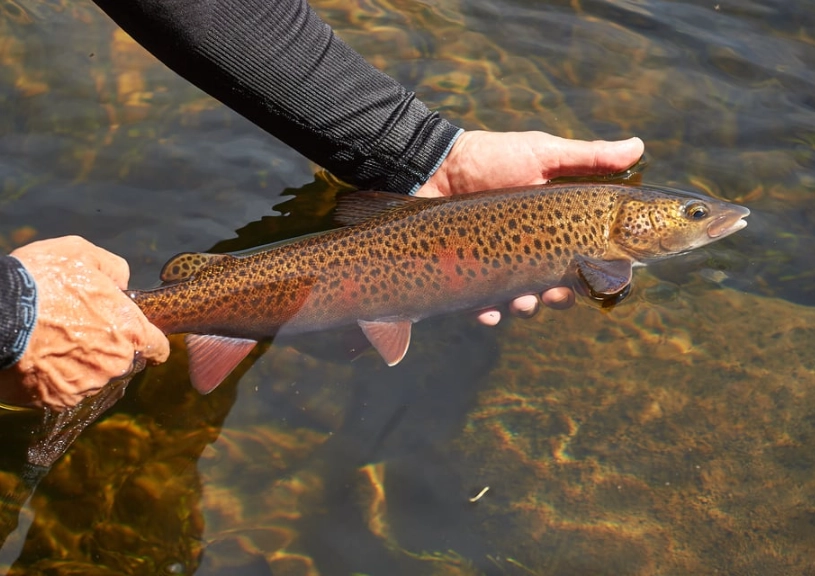
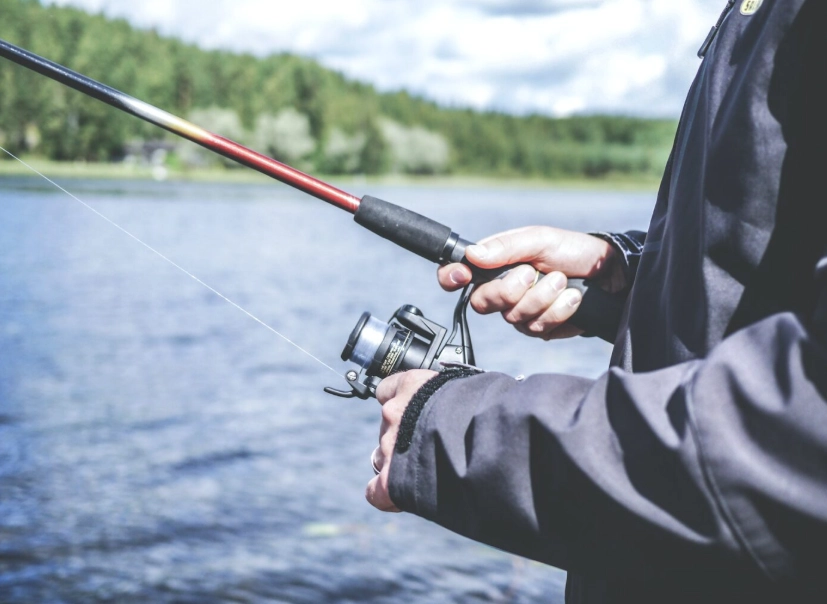
Let's be honest. Starting freshwater fishing feels like walking into a party where everyone knows a secret handshake except you. The gear aisles are overwhelming, the terminology sounds like another language, and the quiet confidence of that guy at the lake is downright intimidating. I remember my first trip. I spent more time untangling line from a tree branch than actually fishing. It was frustrating, a bit embarrassing, and I almost gave up. But here's the thing nobody tells you: fishing is simple at its core. It's about presenting a convincing meal to a fish. All the fancy gear and complex tactics come later. The goal of these freshwater fishing tips for beginners is to strip away the noise and give you a clear, actionable path to holding a fishing rod with confidence and, more importantly, catching a fish. We're not aiming for a trophy bass on day one. We're aiming for that first tug on the line, that first glimpse of a sunfish or a small bass—that moment where it clicks. Jumping straight to buying gear is the first mistake. Let's sort the admin and the mindset first. It's not glamorous, but it's what keeps you legal and sets you up for realistic expectations. This is non-negotiable. Fishing without a license is a quick way to get a fine that costs more than all your starter gear combined. Regulations exist to conserve fish populations, and buying a license directly funds those conservation efforts. It's a good thing. In the United States, fishing licenses are managed by each state. The process is almost always online and straightforward. You'll need to know if you're a resident or non-resident. Prices are very reasonable for a basic annual license—often cheaper than a single fancy lure. Some states even offer short-term licenses for visitors. The absolute best place to start is your state's wildlife agency website. For a national overview and links to state agencies, the U.S. Fish & Wildlife Service website is a trustworthy resource. Don't guess on this one. You're not just "going fishing." You're targeting specific fish, especially as a beginner. This decision dictates everything else: your gear, your location, your bait. Aim for the low-hanging fruit first. Top Beginner-Friendly Freshwater Fish: See a pattern? We're targeting common, aggressive, and cooperative species. Save the walleye and musky for year two. The marketing is intense. You'll see rods with 20 bearings in the reel and lures that cost $25 each. Ignore it. A simple, versatile setup is all you need. You can get a perfectly functional beginner combo (rod and reel together) for well under $100. Here’s a breakdown of what to look for. My first combo was a $40 spinning combo from a big-box store. I caught hundreds of fish on it before I even thought about upgrading. The gear matters less than knowing how to use it. If you learn one thing from this entire guide, let it be this knot. It's how you tie your line to your hook, lure, or swivel. A bad knot fails. This one is simple and strong. Search "Improved Clinch Knot" on YouTube and practice tying it to a pencil at home ten times. Seriously, do it. It feels silly, but when you're at the water's edge with slippery hands, muscle memory will take over. You can have the perfect gear and still catch nothing if you're not in the right spot. Fish aren't randomly distributed. They hang out where they find food, oxygen, and cover from predators. Best Beginner Fishing Spots: Once you're at your spot, don't just cast anywhere. Look for "fishy" spots: Start by casting near these features. If you don't get a bite in 15-20 minutes, move. Walking 50 feet down the bank can make all the difference. Okay, you're legal, you have your gear, and you're standing in a good spot. Now what? Here are two dead-simple, highly effective methods for beginner freshwater fishing. This is the single best way to start. It's visual, easy, and effective. That's it. You're now fishing. The bobber does the work of showing you the bite. It's perfect for panfish like bluegill. Feeling brave? Let's try an artificial lure. The curly tail grub is your friend. You're trying to mimic a small, injured baitfish. A bass or crappie will often hit it on the fall or during the retrieve. If you feel a "tap tap" or your line suddenly goes heavy, set the hook! The bobber vanishes or you feel that thump. Adrenaline kicks in. Don't panic. 1. Set the Hook: As described above. Firm and swift. 2. Keep the Rod Tip Up: Once hooked, lift your rod tip to about 45 degrees. This uses the rod's flexibility to absorb the fish's runs and headshakes, keeping constant pressure on the hook. 3. Let the Fish Run (a little): If it's a strong fish and takes line, let it. Don't crank the reel while it's pulling. You'll risk breaking the line. Just keep the pressure steady. 4. Reel When You Can: When the fish stops its run, reel down to regain line, then lift the rod tip again to bring it closer. This is called "pumping." 5. Use the Net: Don't try to "ski" the fish out of the water by lifting it with the rod. Guide it over your submerged landing net and lift. For small bluegill, you can often just lift them out gently. That first fish in the net is a feeling you won't forget. Take a second to appreciate it. This is where ethics and conservation come in. Always handle fish with wet hands to protect their slimy coating, which is their defense against infection. Safe Catch and Release: If You Decide to Keep a Fish: Q: I'm on a tight budget. What's the absolute bare minimum I need to start? A: A valid fishing license, a cheap rod/reel combo ($30-50), a small pack of hooks, some split-shot weights, a bobber, and live worms from a gas station bait fridge. You can literally start for under $100 all-in. The Take Me Fishing website has great budget-conscious guides. Q: Why do I keep losing fish right at the shore? A: This is classic. You're probably letting the line go slack as you get excited and reel the fish to your feet. Keep that rod tip up and maintain steady pressure until the fish is in the net. Also, check your hook—it might be dull. A quick sharpen with a small file can help. Q: What time of day is best for freshwater fishing? A: Early morning (sunrise) and late afternoon into evening (dusk) are almost always more productive than the middle of a sunny day. Fish are more active in lower light. Cloudy days can be great all day long. Q: How do I deal with horrible snags and losing tackle? A: You will lose gear. It's a tax you pay. Don't just yank. Try changing the angle of your pull. Point your rod tip directly at the snag and pull the line straight back with your hand (not the rod). Sometimes this pops it free. If it's truly stuck, pull steadily until the line breaks. It's why we don't start with expensive lures. Let's make this impossible to mess up. Here’s your pre-flight checklist for a successful first outing. The most important of all fishing tips for beginners freshwater is this: just go. You will make mistakes. Your knots will fail. You'll get snagged. You might not catch anything. Every single angler you see started right there. The learning is part of the fun. It's not just about the fish; it's about being outside, solving a little puzzle, and enjoying the process. So get that license, grab a simple combo, and head to a pond. Cast a worm under a bobber near some weeds. Watch it disappear. Set the hook. Feel that fight. That's the moment you get it. And trust me, there's nothing quite like it.Quick Guide Highlights
Before You Even Buy a Rod: The Mindset & Paperwork
Getting Legal: Your Fishing License
What Are You Actually Fishing For?
Your Starter Kit: Gear That Works, Not Gear That Impresses
Gear Item
Beginner Recommendation & Why
What to Avoid for Now
Rod & Reel Combo
A 6 to 7-foot medium-power, fast-action spinning combo. "Medium power" handles a good range of fish. "Fast action" means the rod bends mostly at the tip, giving you better feel and hook-setting power. Spinning reels are far easier to learn than baitcasters.
Baitcasting combos, ultra-light or heavy-power rods, fancy specialty rods (like fly rods).
Fishing Line
8 to 10-pound test monofilament line. It's cheap, forgiving, and has stretch which can help prevent breaking off when you're learning to set the hook. Have the store spool it on your reel for you.
Braid or fluorocarbon as your main line. Braid is great but has no stretch and is tricky to tie knots with as a newbie. Fluorocarbon is often used as a leader.
Terminal Tackle
A small tackle box with: Size 6 or 8 hooks (for worms), 1/4 oz bullet weights, small barrel swivels, and a pack of bobbers/floaters. Get the basic round red and white ones.
Massive hooks, giant sinkers, expensive specialty terminal tackle.
Lures & Bait
Live Bait: Live worms (nightcrawlers) are the king of beginner bait. Artificial: A curly tail grub (on a small jig head), a small spinner (like a Rooster Tail), and a topwater popper for fun. That's it.
Massive swimbaits, complex jerkbaits, every color of every lure. Start simple.
Extras (Essentials)
Pliers (for removing hooks), fingernail clippers (for cutting line), a landing net (small, inexpensive), and a measuring tape. Don't forget sunscreen and bug spray!
Expensive fish finders, specialized clothing, a giant tackle bag.
The Knot You MUST Know: The Improved Clinch Knot
Where to Go: Finding Fish Without a PhD in Hydrology
The Art of the Catch: Techniques That Actually Work
Method 1: Bobber Fishing (The Confidence Builder)
Method 2: The Simple Retrieve (For Lures)
You Got a Bite! Now What? (Playing & Landing)
Handling, Releasing, or Keeping Your Catch
Freshwater Fishing Tips for Beginners: The FAQ You Actually Need
Wrapping It Up: Your First Trip Checklist
Gear Packing List: