Ultimate Bass Fishing Tips: A Complete Guide for Beginners and Veterans
Want to catch more bass? This ultimate guide covers everything from choosing the right gear and lures to mastering seasonal techniques and finding the perfect spot. Get proven bass fishing tips to improve your success rate today.
Let's be honest. You're here because you want to catch more bass. Maybe you've spent hours on the water with little to show for it, or perhaps you're just starting and feel overwhelmed by all the gear and advice out there. I get it. I've been there, staring at a tackle box full of lures and having no clue which one to tie on. Bass fishing isn't just about luck. It's a puzzle where the pieces are gear, location, timing, and technique. When they click, it's magic. When they don't, it's frustrating. This guide is my attempt to save you some of that frustration. We're going to break down the essential bass fishing tips that actually work, from the basic stuff you absolutely need to know to the finer points that can turn a slow day into a memorable one. I'm not some untouchable pro. I'm just someone who's made a lot of mistakes (so many mistakes) and learned from them. I've also been lucky enough to pick the brains of guides and tournament anglers over the years. So, consider this a collection of hard-earned knowledge, served straight up. You can't build a house without tools, and you can't catch bass consistently without the right gear. But here's the thing – you don't need the most expensive rod and reel on the shelf. You need the right tools for the job. I see too many beginners blow their budget on a fancy rod while skimping on line or lures. Big mistake. Let's talk rods first. For all-around bass fishing, a 7-foot medium-heavy power, fast-action spinning or baitcasting rod is your best friend. It can handle a wide variety of techniques. If you're just starting, a spinning combo is more forgiving. But if you're serious about bass, learning a baitcaster is worth the initial headache. The control and power are just better for many bass fishing applications. Reels need to be smooth. A gritty reel will fail you when you need it most. Look for one with a good drag system. For line, I'm a huge fan of braid to a fluorocarbon leader. The braid has no stretch, so you feel every bite, and the fluoro leader is nearly invisible underwater. For straight monofilament or fluoro, 10-17 lb test is a good range for most situations. Now, the fun part: the tackle box. It's easy to go overboard. My advice? Start with a small, curated selection of proven lures. A bloated tackle box just leads to indecision on the water. If your boat sank and you could only save five lures, these should be them. These are the workhorses that catch bass anywhere, anytime. See? You don't need fifty lures. Mastering these five will make you a more effective angler than someone with a thousand lures who doesn't know how to use any of them properly. This is where many trips succeed or fail. You can have the perfect lure and presentation, but if you're not casting where the bass are, you're just exercising your arm. Bass are structure-oriented predators. They relate to things that give them an advantage: ambush points, current breaks, and comfort zones. Look for anything different. A lone patch of lily pads in a bay. A fallen tree (we call it a "laydown") along the bank. A point that extends into the main lake. A change in bottom composition from mud to rock. These are all bass magnets. In rivers, focus on eddies behind rocks, the seams between fast and slow water, and submerged logs. Technology is a huge help here. A good fish finder isn't cheating; it's like having X-ray vision for the water. You can see depth, bottom hardness, structure, and yes, sometimes even the fish themselves. But don't become a slave to the screen. Use it to identify promising areas, then use your eyes and your lures to figure out the exact spot. Are you seeing baitfish dimpling the surface? Is there bird activity? These are nature's fish finders. Water temperature and weather are the master switches. A sudden cold front can shut the bite down completely. A steady warming trend in the spring can trigger a feeding frenzy. On bright, sunny days, bass will move tighter to cover or go deeper. On overcast or windy days, they often roam shallower and are more aggressive. One of the most valuable bass fishing tips I can give is to check a simple weather app before you go and adjust your expectations and locations accordingly. Bass behavior changes dramatically with the seasons. Your approach should too. Treating summer like spring is a recipe for a skunk. That table is a cheat sheet, but remember, local conditions vary. A warm winter day in the South might see bass moving shallow, while they're still locked deep up North. Use it as a framework, not a rigid rulebook. You can cast the right lure to the right spot and still not catch fish if your presentation is off. This is the artistry of bass fishing. It's not just chuck and wind. Retrieve speed is huge. Sometimes you need to burn a spinnerbait back to the boat. Other times, you need to crawl a jig so slowly it's painful. A good rule of thumb: start with a moderate retrieve, then vary it. Give it a few fast cranks, then pause. That erratic action often triggers strikes that a steady retrieve won't. Hook sets. With treble hook lures (crankbaits, topwater), a sharp sweep of the rod is usually enough. With single hook lures (jigs, Texas-rigs), you need to really lean into it, especially if you're fishing heavy cover. You're not just setting the hook; you're pulling the fish away from its home before it can wrap you around a log. Line watching is a critical skill, especially with finesse techniques. That's one of the most underrated bass fishing tips. If your line suddenly goes slack, jumps sideways, or just stops, set the hook! Often, in cold water or with pressured fish, that's the only sign you'll get. And for heaven's sake, keep your hooks sharp. A dull hook costs fish. I test mine by gently dragging the point across my thumbnail. If it digs in and doesn't slide, it's sharp. If it slides, it's time for a hook file or a new lure. I check and sharpen hooks every few casts, especially after dragging bottom. Let's tackle some of the specific questions that pop up all the time. These are the things anglers are really typing into Google. This is the million-dollar question. Assuming you've found good structure/cover, it usually comes down to presentation or lure selection. Are you fishing too fast? Too slow? Is your lure the wrong size or color for the conditions? Try downsizing your lure and line. Go to a natural color like green pumpkin. Slow your presentation to a crawl. Often, pressured bass have seen all the standard stuff. A subtle, finesse approach can make all the difference. Also, consider the time of day. Maybe the bass only feed in that spot for 20 minutes at dawn. You might be missing the window. There's no single best color, but there are reliable rules. Use natural colors (green pumpkin, watermelon, shad patterns) in clear water and sunny conditions. Use bold or dark colors (black/blue, chartreuse) in stained/muddy water or low light. When in doubt, a black/blue jig or a green pumpkin worm will rarely let you down. Seriously, don't overthink it. I've caught just as many bass on a simple black worm as I have on the latest $25 "magic" color. Extremely important, and often overlooked. Don't just motor up to the spot and start casting. You'll likely spook the fish. Approach quietly from deep water, use your trolling motor to position the boat so you can make repeated, accurate casts to the target without drifting over it. Think of casting angles. Sometimes you need to cast parallel to a weed line, not perpendicular to it. Good boat control separates good anglers from great ones. Live bait (like shiners or crawfish) can be incredibly effective, no doubt. It often catches bigger bass, especially for novice anglers. But there's a catch (pun intended). Using lures teaches you to be a better angler. You learn about structure, retrieve, and fish behavior in a way live bait fishing doesn't require. Many tournaments and lakes also have restrictions on live bait. My take? Use live bait if your only goal is to catch a fish right now. Use lures if you want to learn the sport and catch fish consistently for a lifetime. For more on the biology of what bass eat, the U.S. Fish & Wildlife Service has great resources on freshwater fish diets. Look, at the end of the day, the best bass fishing tips are the ones you learn on the water. This guide should give you a solid foundation. But you have to put in the time. You'll have bad days. We all do. The key is to learn something from each trip, even if it's just learning where the fish aren't. Grab your gear, pick one or two things from this article to focus on next time you're out, and go get 'em. And remember, it's called fishing, not catching. The challenge is what makes it so rewarding when everything finally comes together.Your Fishing Roadmap
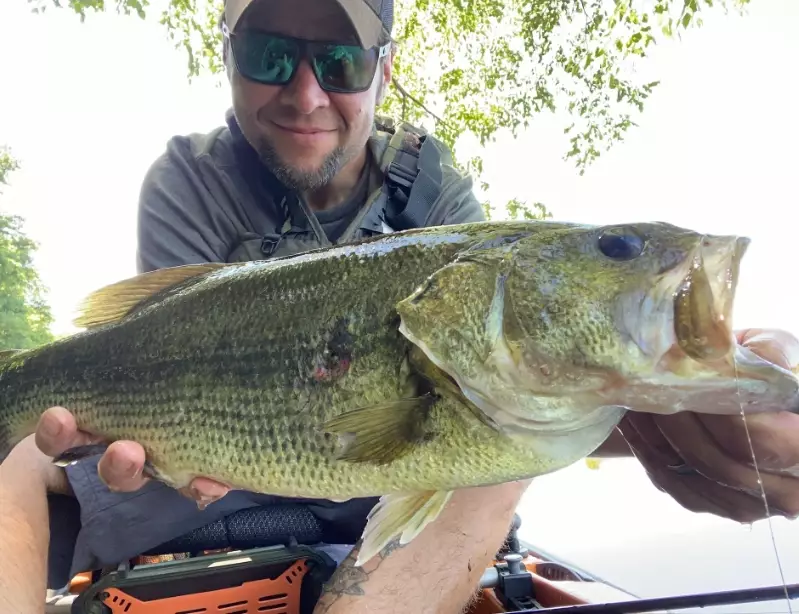
Getting Your Gear Right (Without Going Broke)
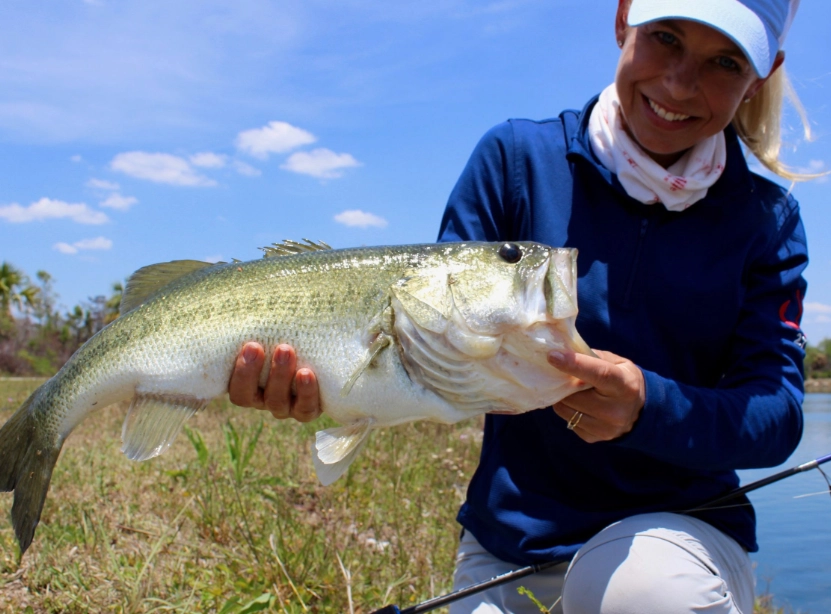
The Non-Negotiable Lure Starter Kit
Where to Find Bass: It's Not Just Random
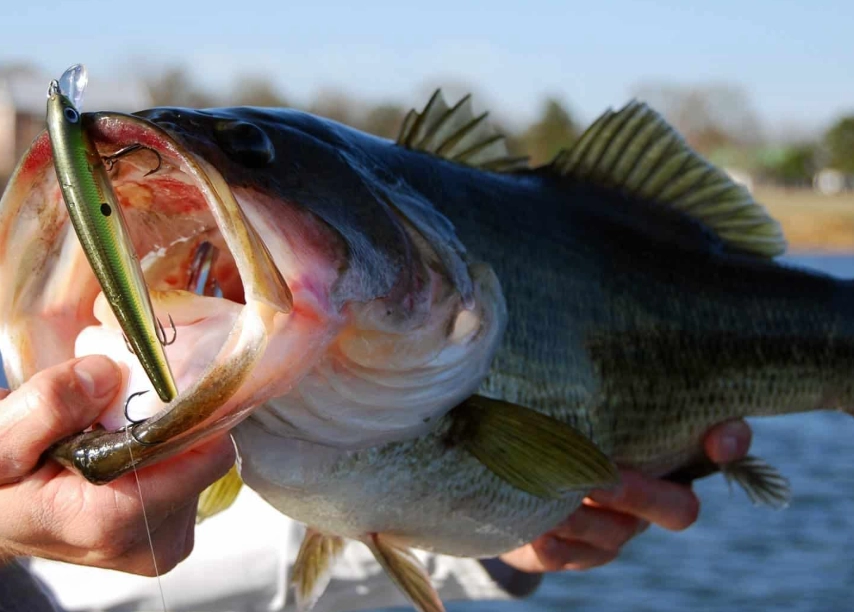
Seasonal Strategies: What Works When
Season
Where Bass Are Likely To Be
Best Lures & Techniques
Key Things to Remember
Spring (Pre-Spawn & Spawn)
Shallow flats, pockets, protected bays warming first. Moving from deeper winter haunts to staging areas near spawning beds.
Lipless crankbaits, jerkbaits, spinnerbaits (searching). Jigs, Texas-rigged creatures (targeting beds).
Fish are aggressive and building energy. Sight-fishing for bedding bass is possible in clear water. Be mindful of catch-and-release during the spawn.
Summer
Deeper structure (ledges, humps, creek channels), heavy shade (docks, overhanging trees), or early/late in shallow cover.
Deep diving crankbaits, Carolina-rigged worms, big jigs, topwater at dawn/dusk. Drop shots in very deep or clear water.
The midday sun pushes them deep. Fish slower in the heat. Night fishing can be exceptional. Focus on areas with oxygen and cooler water.
Fall
Following schools of baitfish. Can be shallow (back of creeks) or suspending over open water. Points are key.
Topwater poppers, walking baits, crankbaits that mimic baitfish (shad colors). Swimbaits.
Bass are feeding heavily to fatten up for winter. This can be the best fishing of the year. Find the bait, find the bass.
Winter
The deepest, slowest water they can find—deep creek channels, bluff walls, bottom of ledges. Movement is minimal.
Jigs, spoons, hair jigs, slow-rolled spinnerbaits. Finesse techniques like a Ned rig or dropshot. Retrieve SLOWLY.
Patience is key. Bites are often very soft, just a slight "tick" or weight on your line. Fish the warmest part of the day.
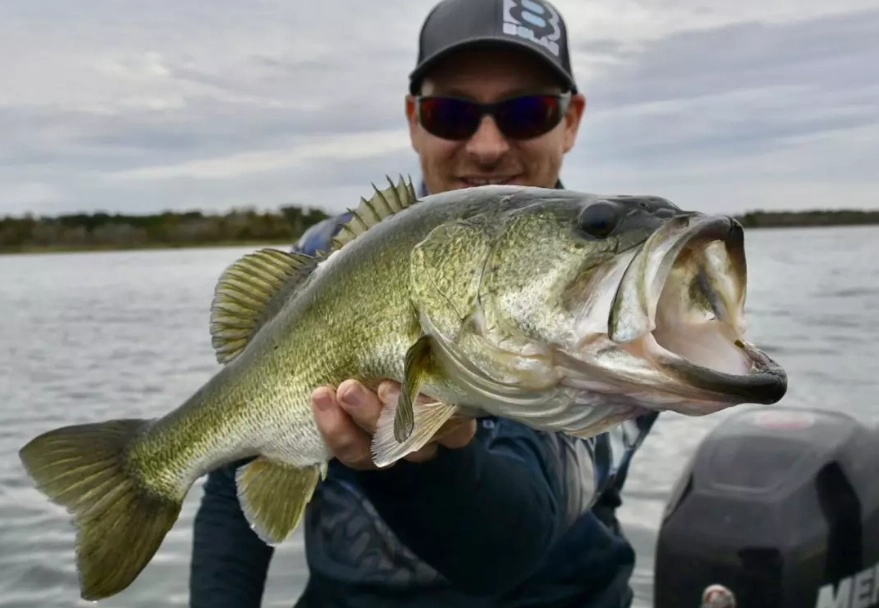
Technique Matters More Than You Think
Answering Your Bass Fishing Questions
Why can't I catch bass even when I'm in the right spot?
What's the best color for bass lures?
How important is boat positioning?
Is live bait better than artificial lures for bass?