The Ultimate Guide to Fishing with Kids: Tips, Gear & Fun!
Want to create lasting memories fishing with your kids? This ultimate guide covers everything from kid-friendly gear and safety to simple fishing tips for kids that guarantee fun and success on the water.
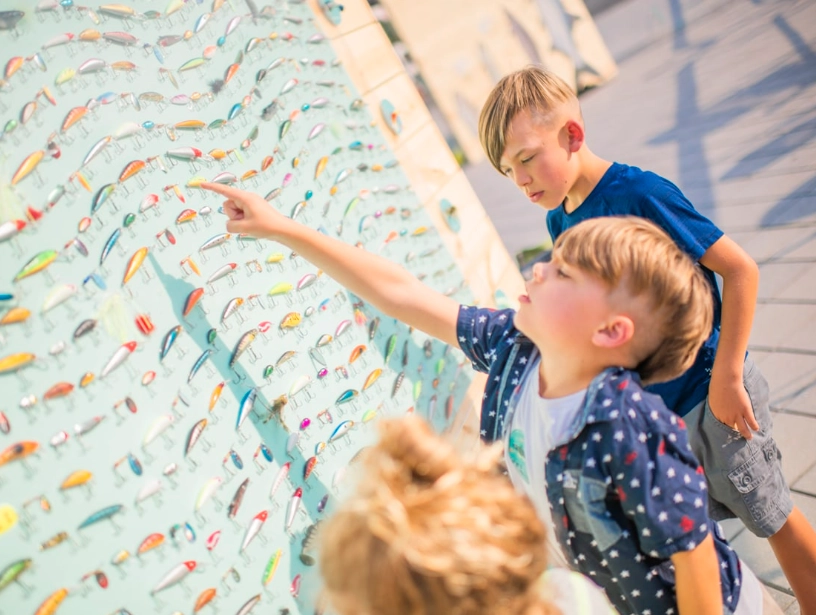
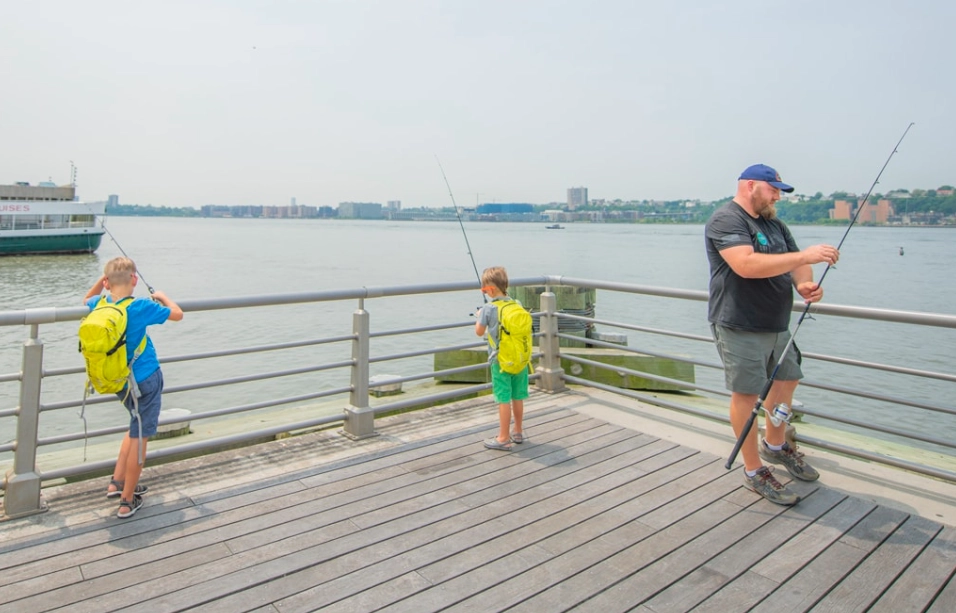
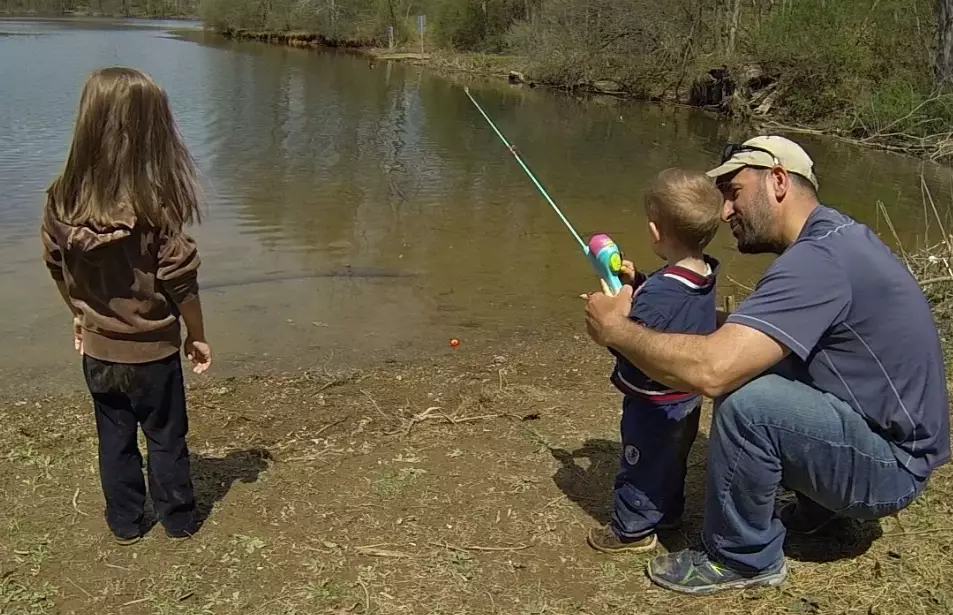
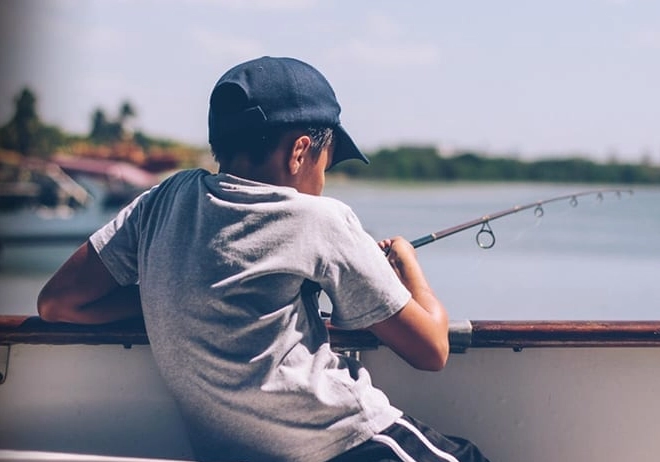
Let's be honest for a second. The idea of taking kids fishing can feel a bit daunting. You're picturing tangled lines, short attention spans, maybe a few tears, and you wondering if it's all worth it. I've been there. I remember my first trip with my then six-year-old. I was so focused on the "perfect" spot and the "right" technique that I almost missed the point entirely. He just wanted to throw rocks in the water and look at bugs. We didn't catch a thing, but we laughed a lot. That was the lesson. Fishing with kids isn't really about fishing. Not at first. It's about being outside, sharing an experience, and maybe, just maybe, feeling that incredible tug on the line together. The goal isn't to create a tournament angler overnight. The goal is to create a memory they'll want to repeat. Over the years, I've learned (often the hard way) what works and what absolutely doesn't. This guide is a collection of those real-world, tested fishing tips for kids. It's the stuff that actually makes the day fun for everyone, especially you. Before you buy a single lure, let's talk about the most crucial element: your expectations. A successful kids' fishing trip is measured in smiles, not inches of fish. If you go out expecting a serene, focused, productive few hours of angling like you might have alone, you're setting yourself up for frustration. Their world is different. A minnow swimming near the dock is as exciting as a trophy bass. Catching a piece of weed feels like a victory. Embrace that. Here's my personal rule: Keep the first trip short. An hour is plenty. Maybe just 30 minutes. It's better to end while they're still having fun than to push until they're bored and cranky. Plan for exploration. Let them poke around, turn over rocks, skip stones. The fishing rod is just one of many tools for adventure today. Honestly, I made the mistake of planning a full morning for my daughter's first time. By 10 AM, she was more interested in the picnic snacks than the bobber. We packed up and ate lunch early. She still talks about that "awesome picnic by the lake," not the fishing we didn't do. See what I mean? You don't need fancy stuff. In fact, fancy is your enemy. Complexity leads to tangles, frustration, and tears. The core principle for kids fishing gear is simple, durable, and safe. Forget the tiny toy rods from the discount store. They're frustrating junk that will snap or tangle if you look at them wrong. You want a real, functional combo that's just scaled down. A push-button (spincast) reel is the undisputed champion for beginners. It's enclosed, which means far fewer tangles, and the operation is intuitive—push the button, cast, release. I'm a huge fan of the classic Zebco 33 combo for older kids, or their smaller Omega models for little hands. They're nearly indestructible, which is the number one quality you need. Rod length matters more than you think. A rod that's too long is hard for a small child to control. Here's a quick guide based on my experience: Now, let's talk terminal tackle. This is where the best fishing tips for kids are often found. You want to minimize hooks and maximize action. I'll reference a fantastic resource from the U.S. Fish and Wildlife Service. They have great, straightforward advice on outdoor ethics and safety that aligns perfectly with a family-focused trip. It's not just about rules; it's about fostering respect for the environment. Location is everything. For the first dozen trips, action trumps size. You want a place where they will get bites, even from small fish. A stocked pond, a local park lake, a slow-moving creek bend, or a calm fishing pier are all perfect. Avoid crowded, competitive spots or places with difficult access. Look for spots with: Now, for bait. Keep it simple and effective. Forget about lures for the first several outings. They require more skill to work and are easier to lose. Bait under a bobber is the ultimate confidence-builder. You can find excellent beginner bait recommendations and how to rig them on sites like Take Me Fishing, a great hub for family-friendly fishing advice. This is where your patience gets its workout. Don't try to teach everything at once. Practice in the backyard first, with no hook tied on. Just a small weight. Teach the basic motion: rod tip pointed back, smooth forward swing, release the button at about 10 o'clock. Let them make horrible casts without pressure. The goal is to get the line out, not to hit a target. Praise any attempt that doesn't end up in a tree (or your back). Once the bait is in the water, the lesson shifts. "Now, we watch the bobber. If it jiggles, get ready. If it goes completely under, that's our signal!" Make it a spy mission. This is a core part of fishing tips for kids—turning waiting into a game. For little kids, skip the traditional hard hookset. With a circle hook or a small panfish hook, you often just need to start reeling. Teach them: "When the bobber goes down, just start reeling smoothly and lift your rod tip!" Keep it simple. The excitement of feeling the fish fight will do the rest of the teaching. This might be the most important step. Make a huge deal out of it. Take pictures. Measure it if you want. Then, show them how to gently handle the fish (wet hands first) and release it back home. Talk about how we take care of the water and the fish so we can come back. It instills conservation without it feeling like a lecture. Organizations like Keep America Fishing have wonderful resources on catch-and-release ethics that are easy for kids to grasp. Have a backup plan. Always. Pack a net or a small bucket to catch minnows or tadpoles. Bring a magnifying glass to look at bugs. Have a picture guide to local birds. Fishing is the main activity, but nature exploration is the backup that's always available. Sometimes, putting the rod down and turning over rocks to find crayfish is the highlight of the day. That's okay. It's all part of the experience. I learned this from my most "unsuccessful" fishing trip. We caught nothing. But we followed a turtle along the bank for 20 minutes, and my son found a perfectly intact bird feather. He still has it on his shelf. Was it a failed fishing trip? Not even a little. There's no magic number. It depends more on attention span and interest than age. Some 4-year-olds can focus on a bobber for 15 minutes; some 8-year-olds can't. Start with short, fun exposures—maybe just handing them the rod to reel in a fish you've hooked. Gauge their interest. Forcing it too early can create aversion. Let them lead. Go at their pace. Never force it. Let them watch you bait the hook. Use dough bait instead of worms. If they're scared of the fish, you handle all the unhooking and releasing while they watch from a safe distance. The goal is positive association. Fear often turns to curiosity with gentle, repeated exposure and no pressure. Change your definition of "catching." Catch sunshine. Catch cool rocks. Catch the sight of a jumping fish. Focus on the process, not the result. Also, double-check your location and bait. Go to a guaranteed spot like a stocked trout pond where the odds are heavily in your favor for at least one bite. Sometimes, you just need that first success to spark the fire. Docks are fantastic! Use a shorter rod to avoid tangling with others. Drop a small baited hook straight down beside a piling—fish love to hang out there. A small jig with a piece of worm worked up and down can be deadly. The key is simplicity. No long casts needed. So they caught a fish. They're hooked (pun intended). Now what? Slowly introduce new concepts. Let them choose their own lure at the tackle shop (guide them towards something simple like a small spinner). Teach them a simple knot, like the improved clinch knot. Get them a small tackle box for their own gear. Watch fishing shows together. Read books about fish. The transition from spincast to a spinning reel is a big milestone. Wait until they're genuinely frustrated by the limitations of the push-button (wanting more casting distance or control). Then, practice in the yard for a whole outing before hitting the water. It's a new skill that requires its own patience. Remember, the best fishing tips for kids aren't about the fish at all. They're about connection, patience, and sharing a slice of the natural world. It's about the quiet moments between casts, the silly jokes, the shared wonder at a heron taking flight. You're not just teaching them to fish. You're giving them a reason to look up from a screen, to feel the sun and the water, and to learn that good things often come to those who wait—with a bobber in front of them and a parent by their side. That's the real catch of the day. Now go get messy, get patient, and go make some memories. The water's waiting.In This Guide
Getting Started: Mindset Over Equipment
Kid-Friendly Fishing Gear: Keeping It Simple and Safe
Child's Age/Size
Recommended Rod Length
Why It Works
Best Reel Type
Ages 3-6 (Small hands)
3 to 4 feet
Lightweight, easy to hold and swing. Short enough for them to manage without poking everything (or everyone) around them.
Mini spincast (e.g., Zebco Bullet)
Ages 7-11 (Growing coordination)
4.5 to 5.5 feet
Offers a bit more casting control and feel while still being manageable. The sweet spot for most beginners.
Standard spincast (e.g., Zebco 33)
Ages 12+ (Teens/older kids)
5.5 to 6.5 feet
Allows for more serious technique if they're getting into it. Can handle a spinning reel if they're ready for the challenge.
Spincast or beginner Spinning
Safety First, Second, and Third
⚠️ The Non-Negotiable Safety List
Where to Go and What to Use: Setting Up for Success
Top Baits for Kid Fishing Success
The Teaching Process: Casting, Watching, and Reeling
Step 1: The Cast (Push-Button Style)
Step 2: The Wait (Bobber Watching)
Step 3: The Hookset & Reel
Step 4: The Celebration and Release
What If They Get Bored? (They Will)
Answering the Big Questions (The Stuff Parents Actually Search For)
What's the best age to start teaching a child to fish?
My child is scared of worms/hooks/fish. What do I do?
We never catch anything. How do I keep them interested?
What are the absolute best fishing tips for kids on a pier or dock?
Beyond the First Catch: Nurturing a Lasting Interest