Fishing Tips for Beginners: Your Complete Guide to Getting Started
New to fishing and feeling overwhelmed? This complete guide covers everything from choosing your first rod to landing your first fish. Get practical, no-nonsense fishing tips for beginners right here.
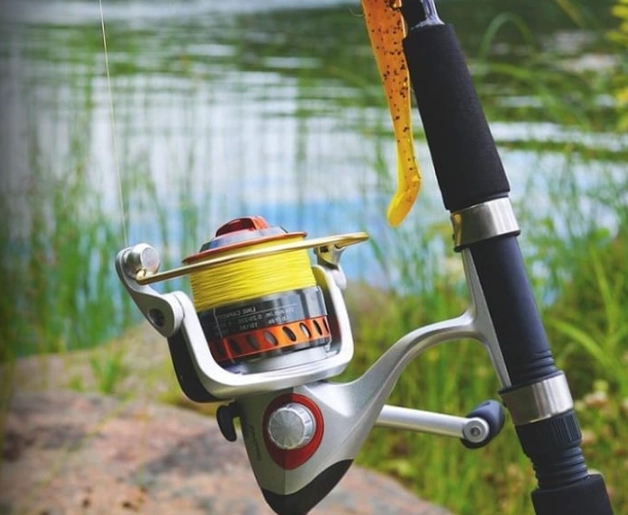
Let's be honest for a second. The idea of fishing seems simple, right? You get a rod, some bait, throw it in the water, and wait. If only it were that easy. I remember my first time out. I spent more time untangling line than actually fishing, and the only thing I caught was a solid case of frustration. It was a mess. But that's the thing—everyone starts somewhere, and the learning curve is real, but it's also incredibly rewarding once you get the hang of it. This guide is the one I wish I had. We're going to skip the fluff and the overly technical jargon that makes you want to throw the whole rod in the lake. Instead, we'll walk through the absolute essentials, the stuff that actually matters when you're just starting out. Consider this your friendly, no-BS chat about getting into fishing without losing your mind or your wallet. Before we dive into the gear and the knots, let's talk about the why. You're not just catching fish; you're buying yourself hours of peace. There's something almost meditative about being by the water, focusing on the line, and shutting out the noise of everything else. It's cheap therapy. Plus, it gets you outside. In a world of screens, that's a win. It's also surprisingly accessible. You don't need to be an athlete. You don't need a fancy boat. A simple shore spot at a local pond or lake is a perfect classroom. The barrier to entry is lower than most people think, which is why solid fishing tips for beginners are so valuable—they cut through the confusion and get you to the fun part faster. Alright, let's get practical. What do you really need to know before you even buy a license? This is step zero. Fishing isn't one-size-fits-all. What works in a Florida bass pond won't work in a Montana trout stream. Your first mission is to become a minor detective. What bodies of water are near you? Are they lakes, rivers, or coastal piers? More importantly, what fish are in them? This dictates everything—your gear, your bait, your technique. A fantastic resource for this kind of local, specific information is the National Oceanic and Atmospheric Administration (NOAA) Fisheries website. For freshwater, your state's wildlife agency website is pure gold. They list species, regulations, and often even public access points. Why does this matter so much? If you're targeting catfish but your lake is stocked with trout, you're going to have a bad time. Match your plan to what's actually there. This is the boring but non-negotiable part. You need a fishing license. Every state (and country) has its own system, costs, and rules. Fishing without one is a surefire way to ruin your day with a hefty fine. But it's not just about having a license. You have to know the regulations. These rules are there for a reason—to keep fish populations healthy. They'll tell you: I'll admit, reading regulation pamphlets feels like homework. But trust me, knowing you're fishing legally lets you relax and enjoy the day fully. Walk into a big tackle shop, and the wall of rods, reels, and colorful lures is overwhelming. It's designed to make you think you need all of it. You don't. For a beginner, a simple, versatile setup is worth ten specialized, expensive ones you don't know how to use. The core of fishing for beginners is mastering one setup well. My strongest advice? Buy a pre-spooled spinning combo. It's a rod and reel sold together, ready to go. Spinning gear is far easier to learn than baitcasting gear (which is notorious for backlashes and tangles). Look for a medium-power, fast-action rod that's about 6 to 7 feet long. This is the Swiss Army knife of rods. It's stiff enough to handle a decent-sized fish but sensitive enough to feel a bite. It can cast smaller lures and handle live bait. It's your perfect all-rounder. As for the reel, a size 2500 or 3000 is ideal for freshwater. It should feel balanced on the rod—not too heavy. Don't get sucked into buying the cheapest $20 combo from a discount store; they fall apart and make learning harder. Aim for the $50-$80 range from a reputable brand. It makes a world of difference. This is the stuff that goes on the end of your line. Start with a small, organized tackle box and just these basics: That's it. You don't need 500 lures yet. Master bait fishing first. Live bait is your best friend when starting. It's irresistible to most fish and requires less finesse than artificial lures. Start with worms. They're almost always a winner. You've got your gear. You know the rules. Now, how do you actually fish? Let's break down the first few hours at the water's edge. A "rig" is just how you set up your hook, weight, and float. For a beginner, the bobber rig is king. It's visual, simple, and effective. That's your setup. Cast it out, watch the bobber, and wait for it to jiggle or dunk under. Casting looks easy but takes a little practice. Find an open grassy area in your yard first. The key is smooth acceleration, not brute force. A jerky, hard cast will send your bait flying into the trees behind you. I've been there. This is the exciting part. With a bobber, a bite is obvious—it dips, darts, or goes completely under. Don't yank immediately. Let the fish take it for a second. For circle hooks, you don't even need to "set" the hook hard; just start reeling steadily. The hook design does the work. For other hooks, a firm, upward sweep of the rod is enough to drive the point in. It's not a Hollywood-style giant heave. That will either snap your line or launch the fish into orbit. What if you're not using a bobber? You have to feel the bite through the line. You might feel a series of light "taps" or the line just goes slack or heavy. This takes time to learn. Focus on the bobber method first. You can have the best gear and perfect technique, but if you're not where the fish are, you're just practicing casting. So, where should a beginner go? Public Ponds and Community Lakes: These are often stocked with fish and are designed for easy, bank-side access. They're perfect. Fish are usually near structures—docks, fallen trees, weed beds, or drop-offs. Cast near these features. Rivers and Streams: Look for slower water. Fish like to rest out of the main current. Target pools below rapids, behind large rocks, or along undercut banks. Piers and Jetties: These give you access to deeper water without a boat. Fish often congregate around the pilings. A little online research goes a long way. Websites and forums like Take Me Fishing have location finders and basic advice tailored to newcomers. Don't be afraid to ask at a local bait shop, either. They usually know what's biting and where. Fishing is safe, but you have to be smart. This isn't just about you; it's about respecting others and the resource. Etiquette is simple: give other anglers plenty of space. Don't crowd someone else's spot. Keep noise down. We're all out there for a little peace. Let's wrap this up with a no-brainer list for your first outing. Print this or save it on your phone. The goal of your first few trips isn't to catch a monster. It's to learn, to enjoy being outside, and to not get frustrated. You will make mistakes. You will get snagged. You might even get "skunked" (catch nothing). It happens to everyone. But when that bobber finally ducks under, and you feel that first pull on the line, and you successfully land a fish—even a tiny one—you'll get it. All these fishing tips for beginners click into place. It stops being a confusing hobby and starts being your hobby. A source of stories, quiet moments, and genuine excitement. So get your license, grab a simple combo, and go find some water. The fish are waiting, and so is a whole lot of fun. Just take it one step at a time.Quick Navigation
Why Fishing is a Fantastic Hobby to Start
The Absolute Basics You Can't Ignore
Understanding Your Local Waters
Getting Legal: Licenses and Regulations
Your First Gear Setup: Keep It Simple, Seriously
The Rod and Reel Combo
Terminal Tackle: The Business End
Bait: What Actually Works
Bait Type
Best For
Tips & Tricks
Live Worms (Nightcrawlers)
Panfish (Bluegill, Sunfish), Catfish, Trout, Bass
The universal bait. Hook it through the middle so it wiggles. Keep them cool.
Minnows (Small live fish)
Bass, Walleye, Pike
Hook through the lips or back behind the dorsal fin. Requires a small bucket or aerator to keep alive.
Corn & Dough Balls
Carp, Catfish, Trout (in some areas)
Cheap and effective. Check local regulations, as some waters ban corn.
Artificial Soft Plastics (Worms, Grubs)
Bass, Panfish, Walleye
More advanced, but great to practice with. Texas-rig them to be weedless.
Essential Fishing Techniques for Your First Time Out
Rigging Up: Your First Fishing Rig
Casting Without Disaster
Detecting a Bite and Setting the Hook
Where to Fish: Finding Your Spot
Safety, Etiquette, and Conservation
Common Beginner Questions (And Real Answers)
Your First Fishing Trip: A Simple Checklist