Why Do I Struggle to Catch Fish? 12 Reasons & How to Fix Them
Struggling to catch fish? Discover the 12 most common reasons anglers fail, from gear mistakes to location errors, and get actionable fixes to finally fill your creel.
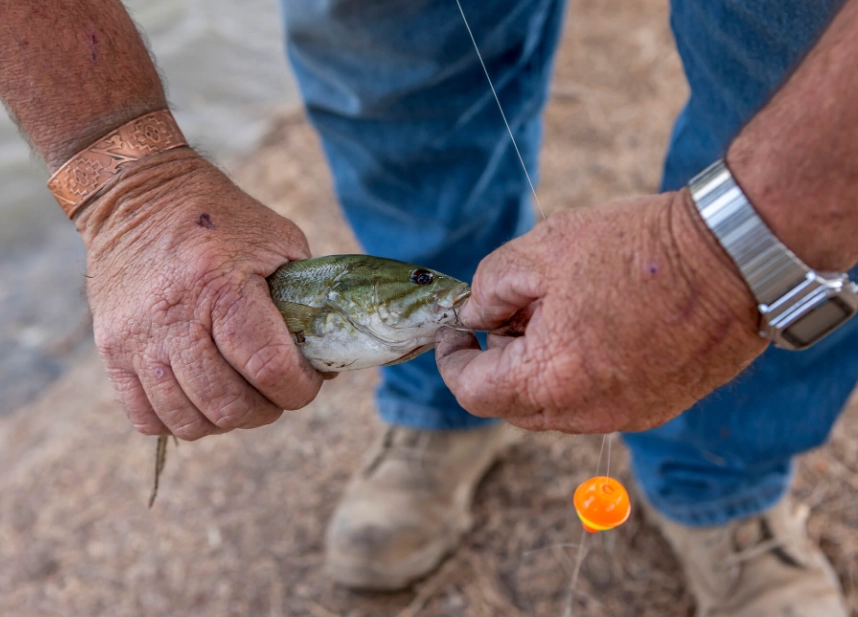
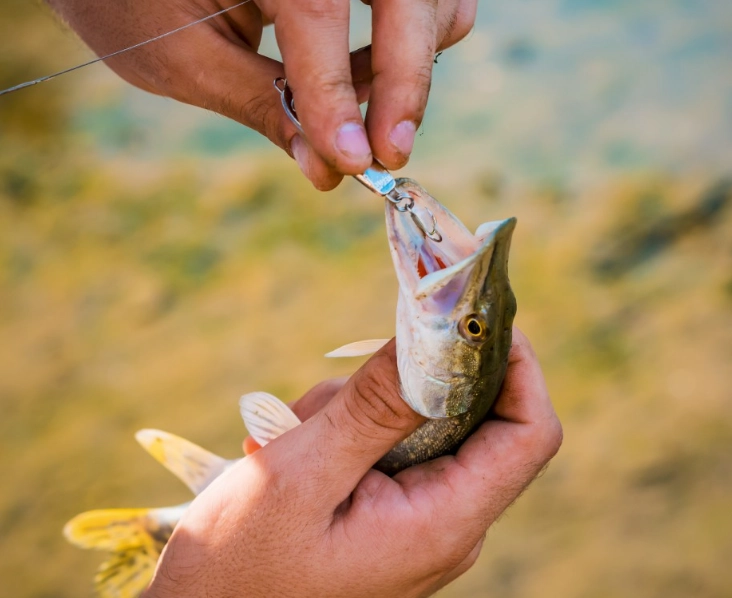
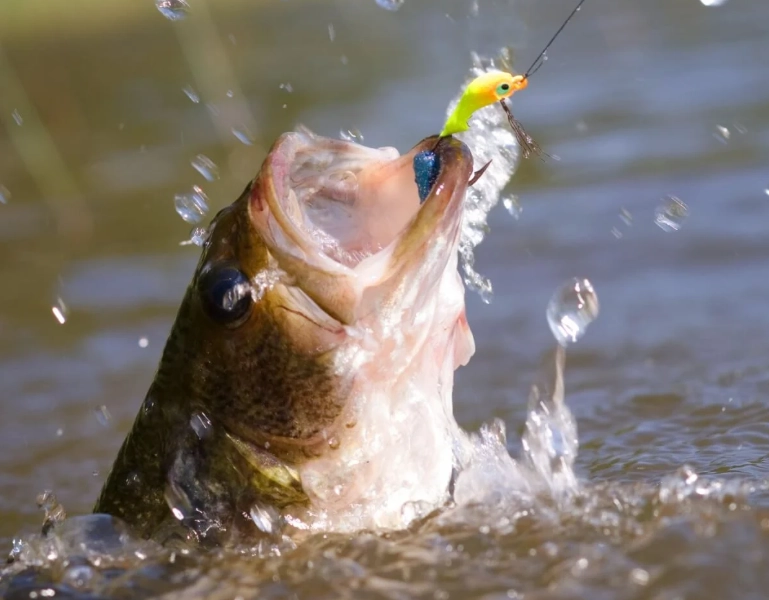
Let's be honest. You've spent hours by the water, casting and waiting, watching other people pull in fish while your line stays stubbornly still. You pack up, feeling that familiar mix of frustration and confusion. Why do I struggle to catch fish when it seems so easy for everyone else? I've been there. More times than I care to admit. I remember one trip to a local lake, a spot everyone swore was teeming with bass. Six hours. One tiny bluegill. The guy next to me? He had a stringer full. It wasn't luck. It was a series of small, correctable mistakes I was making—mistakes you're probably making right now. The truth is, fish are predictable creatures governed by biology and environment. When you're not catching, it's almost always because you're out of sync with those basic rules. The good news? Every single problem has a solution. This guide digs into the dozen most common culprits, from the painfully obvious to the subtle nuances most beginners (and even some seasoned anglers) miss. This is the number one reason. Hands down. You can have the best gear and perfect technique, but if you're casting into a watery desert, you're just exercising your arm. Fish aren't randomly distributed. They congregate where their needs are met: food, oxygen, comfort, and safety. Think of the water like a neighborhood. The fish live in specific houses (structure), go to specific restaurants (feeding areas), and take specific roads (drop-offs, channels) to get between them. Stop just picking a spot that looks nice to you. Start looking for the signs fish call home. Why do I struggle to catch fish? Often, it's because I'm ignoring this basic real estate principle. The American Fisheries Society has great public resources on freshwater fish habitat preferences that can turn this from guesswork into a science. Understanding the species-specific habitat needs, as outlined by fisheries biologists, removes a huge chunk of the mystery. You don't need a $500 rod. But using wildly inappropriate gear is a surefire way to ensure you struggle to catch fish. It's like trying to hammer a nail with a screwdriver. See? None of this is expensive. It's about appropriateness. I used to think bigger hooks meant bigger fish. All it meant was fewer bites. When I finally downsized, my catch rate soared. It was embarrassing how long it took me to learn that. Okay, you're in the right place with the right gear. Now you have to make the offering appealing. This is where art meets science. Reeling too fast. Almost everyone does it when they start. You're excited, you want to cover water. But most predatory fish are opportunistic, not Olympic sprinters. A fast, steady retrieve often looks nothing like a wounded or fleeing baitfish. Live bait is not a guarantee. A nightcrawler on a huge hook with a giant sinker, lying dead on the bottom, isn't very lively, is it? Why do I struggle to catch fish on some days? On tough days, when fish are lethargic, presentation becomes everything. A subtle, finesse presentation will outfishing a power approach ten to one. Fishing isn't just throwing a line in. It's understanding a complex, living system. Ignoring key factors is a direct path to frustration. Fish are incredibly sensitive to pressure changes. A rapidly falling barometer (often before a storm) can trigger a feeding frenzy. A steady, high pressure after a front moves through can shut them down completely. On those bright, bluebird days after a storm, everyone struggles. It's not you—it's the pressure. The key is to adjust your tactics: go slower, use smaller baits, and fish deeper or in heavier cover. Fish behave radically differently in spring, summer, fall, and winter. Fishing a deep summer pattern in the spring shallows will leave you skunked. I wasted years not paying attention to this. I'd fish the same spot with the same lure in July and December and wonder why it only worked once. Duh. Bass, trout, walleye, catfish—they all eat and live differently. Catfish are scent-driven bottom feeders. Trout often key on specific insect hatches. Using a trout fly-fishing approach for catfish is a guaranteed way to struggle. Do a little homework on your target species. The U.S. Fish & Wildlife Service's Fish and Aquatic Conservation pages offer a wealth of accurate, scientific biological profiles that are far more reliable than old fisherman's tales. This might sound fluffy, but it's real. Impatience and frustration are toxic to good fishing. You cast five times in a spot and move. You keep switching lures every ten minutes. You're making noise, moving quickly, slamming hatches. You're telegraphing your frustration into the water, and the fish feel the disturbance. Set up, make quiet, deliberate casts, and work an area thoroughly before moving. Sometimes the twentieth cast to the same log is the one that gets hit. Believe in your spot and your presentation. Confidence is a legitimate factor. If you don't believe you're going to get a bite, you'll probably miss the subtle one you do get. So next time you hit the water and feel the old "why do I struggle to catch fish" question creeping in, run down this mental checklist. Don't just keep doing the same thing expecting different results. Address even one or two of these issues, and you'll feel a difference. Address them all, and you'll stop being the one asking "why do I struggle to catch fish" and start being the one giving out a few less-than-secret tips to the new guy on the bank. It's not magic. It's mechanics. And the mechanics can be learned. Let's tackle some specific, nagging questions head-on. These are the things you google at 11 pm after a bad day. Look, some days the fish win. That's fishing. But most days, the reason you struggle to catch fish is a series of small, fixable errors. Now you know what they are. The hardest part is being honest with yourself on the water and having the discipline to change what you're doing. Ditch the assumption that you're just unlucky. Take control of the variables you can. The bites will follow.Your Quick Fishing Guide
The Core Problem: You're Fishing Where the Fish Aren't
Reading the Water Like a Pro
The Gear Pitfalls: It's Not About Having the Most, It's About Having the Right
Gear Mistake
Why It Hurts Your Catch
The Simple Fix
Line That's Too Heavy
Makes your bait/rig look unnatural and stiff in the water. Fish can see it (especially in clear water).
Downsize! For most freshwater game fish, 6-10 lb monofilament or fluorocarbon is plenty. Go to 4-6 lb for finicky panfish.
Hook That's Too Big
Fish can't get it in their mouth. They'll peck at the bait but you'll never get a solid hookset.
Match the hook to the bait, not the fish. A size 4 or 6 bait-holder hook is perfect for nightcrawlers. For small soft plastics, try a 2/0 or 3/0 wide-gap hook.
Dull Hooks
This is a silent killer. A dull hook simply won't penetrate reliably, leading to missed strikes and lost fish.
Get a hook file. Sharpen every hook before you tie it on. It should catch slightly on your thumbnail.
Wrong Rod Action
A stiff, heavy rod won't load properly with light lures, killing casting distance and feel.
For versatile fishing, a medium-power, fast-action spinning rod is the Swiss Army knife. It can handle a wide range of techniques.
The Presentation Problem: You're Not Speaking Their Language
Retrieve Speed: The Most Common Mistake
Live Bait vs. Artificial: Are You Using It Wrong?
The Knowledge Gaps: What You Don't Know Can Hurt You
Weather and Barometric Pressure
Seasonal Patterns
Species-Specific Behavior
The Mind Game: How Your Headspace Affects Your Catch
Putting It All Together: Your Action Plan to Stop the Struggle
Common Questions When You Struggle to Catch Fish