The Beginner's Guide to Bass Fishing: Your First Catch Made Easy
Ever felt overwhelmed by the idea of catching your first bass? This complete beginner's guide cuts through the confusion. We cover the essential gear you actually need, simple yet effective techniques, where to find bass, and the mindset shift that leads to success. Start your fishing journey here.
Let's be real, the amount of gear out there is insane. Walk into a tackle shop or scroll online, and you're hit with a wall of shiny lures, rods in every color, and enough technical jargon to make your head spin. If you're new to this, it's enough to make you want to just stay home. I get it. I was there too, holding a rod that felt like a foreign object, completely clueless. But here's the secret they don't always tell you: bass fishing for beginners doesn't have to be complicated. In fact, keeping it simple is often the fastest way to success. You don't need a $500 combo or a boat to start. You just need a bit of grounded, practical knowledge to point you in the right direction. This guide is that direction. We're going to strip away all the noise and focus on what actually works when you're just starting out. No fluff, just the stuff that puts fish in your hands. The Core Mindset: Your goal on day one isn't to win a tournament. It's to feel a tug on the line. Celebrate that. Everything else—bigger fish, fancy techniques—comes later. Patience isn't just a virtue here; it's your primary piece of tackle. You can spend a fortune, but you absolutely shouldn't. For your first foray into beginner bass fishing, a basic, reliable setup is worth more than a shelf of unused gadgets. Here’s the non-negotiable shortlist. A medium-power, fast-action spinning rod around 6.5 to 7 feet is the Swiss Army knife of bass fishing for beginners. It can handle a wide variety of lures and techniques. Pair it with a size 2500 or 3000 spinning reel. This combo is easy to use, less prone to tangles (those dreaded "bird's nests") than a baitcaster for a newbie, and forgiving. Brands like Ugly Stik, Berkley, or Shimano have great entry-level options that are tough as nails. I learned on a medium Ugly Stik, and I still have it for rough days on the water. Start with 8-12 pound test monofilament or fluorocarbon line. It's manageable and strong enough. Don't overthink this part yet. You'll need a small tackle box to hold your essentials. Here’s what should go in it: This is where most beginners freeze. So many lures! Ignore 90% of them. You only need a few types to catch bass consistently. These three are proven, easy to use, and cover different parts of the water column. Pro Tip: When you're learning, buy two of the same lure in the same color. That way, when you inevitably get snagged and lose one (it happens to everyone), you're not left high and dry. If I could recommend only one lure for bass fishing for beginners, this is it. It’s almost unfair how effective it is. A 5-inch stick bait (like the Yamamoto Senko or any generic "stick worm") rigged wacky style (hook through the middle) is a bass-catching machine. Cast it out, let it sink, and give it little twitches. That's it. The dying, fluttering action drives bass crazy. It works in ponds, lakes, and rivers. It’s slow, which is perfect for learning to feel bites. When you want to cover water and find active fish, a spinnerbait is your friend. It's relatively snag-resistant and creates flash and vibration that bass can't ignore. A white or chartreuse 3/8 oz spinnerbait with willow-leaf blades is a great starting point. Simply cast it out and reel it back at a steady pace. You can reel it fast, slow, or "bump" it off cover. It's versatile and forgiving. This is a foundational technique. It's weedless, so you can fish it in thick cover where bass hide. You'll need a worm hook (like an offset 3/0 hook) and a bullet weight. Thread the worm on so it's straight. Cast into likely spots, let it sink, and then slowly drag or hop it back along the bottom. The bite often feels like a subtle "tap tap" or just weight on your line. Setting the hook hard is key here. You can have the best gear and perfect technique, but if you're fishing in a swimming pool, you're out of luck. Bass are structure-oriented predators. They relate to things that give them ambush points and shade. Top Spots to Target: For public access points and general fishing regulations, always check your state's wildlife agency website. For example, the Take Me Fishing website is a fantastic resource to find local boat ramps and fishing spots, and your state's Department of Natural Resources (like the Georgia DNR or Tennessee TWRA) will have the official rules and stocking reports. Start with a small, local pond. They are less intimidating, often hold decent bass, and let you practice without pressure. Okay, you're at the water with your rod and a few lures. Now what? A Common Mistake: Reeling too fast. Especially with soft plastics, slow is almost always better. Let the lure do the work. Bass aren't always in a chasing mood. Sometimes they want an easy meal that just falls in front of them. Bass change locations and habits with the water temperature. This is the next-level knowledge that will make your beginner bass fishing outings more successful. This is the pre-spawn and spawn. Bass move shallow to warm up and eventually build nests. They are aggressive and territorial. Target sunny, shallow bays first. This is often considered the best time for bass fishing for beginners because the fish are shallow and biting. As the water heats up, bass often move deeper to find cooler water and oxygen. Early morning and late evening are prime times in shallow water. During the day, look for them on deeper structure like points, ledges, and heavy shade. A deep-diving crankbait or that Texas rig can be key. Bass feed aggressively to fatten up for winter. They follow schools of baitfish (shad). Look for them chasing bait on the surface in coves and creek arms. A topwater lure like a popper can be incredibly fun here. It's tough. Bass are slow and lethargic in cold water. Your presentations need to be slow and right in their face. Focus on the deepest, slowest-moving water you can find, like the bottom of a steep bank or a deep channel. A jig or a slowly worked Senko is the ticket. Let's tackle some of the specific questions that swirl in a beginner's mind. Before you head out, run down this list. It saves the headache of getting to the water and realizing you forgot your pliers. Look, the world of bass fishing is deep. You can spend a lifetime learning its nuances. But the goal of this beginner bass fishing guide was to give you a solid, unshakable foundation. You don't need to know everything. You just need to know enough to get out there, make confident casts, and enjoy the process. The tug is the drug, as they say. And that first tug you feel, that moment of connection with a wild animal through a thin piece of line, is what hooks most people for life. It's not always about the catch, either. It's about being outside, solving a puzzle, and the quiet focus that comes with it. So grab that simple setup, pick a local pond, and go make some casts. Start with the Senko. Be patient. You've got this. And when you land that first green, feisty bass, you'll realize all the overthinking was the hardest part. Now get out there.In This Guide
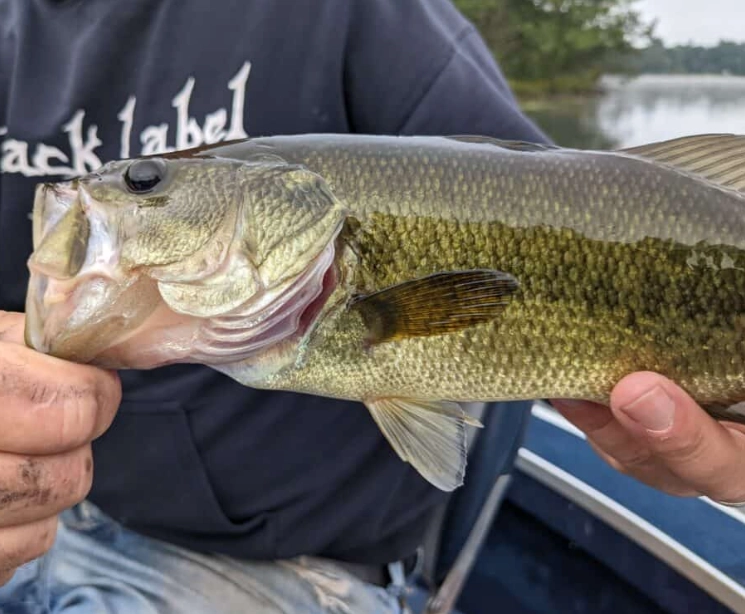
Your First Bass Fishing Setup: Keep It Simple, Seriously
The Rod and Reel Combo
Line, Hooks, and the Essential Extras
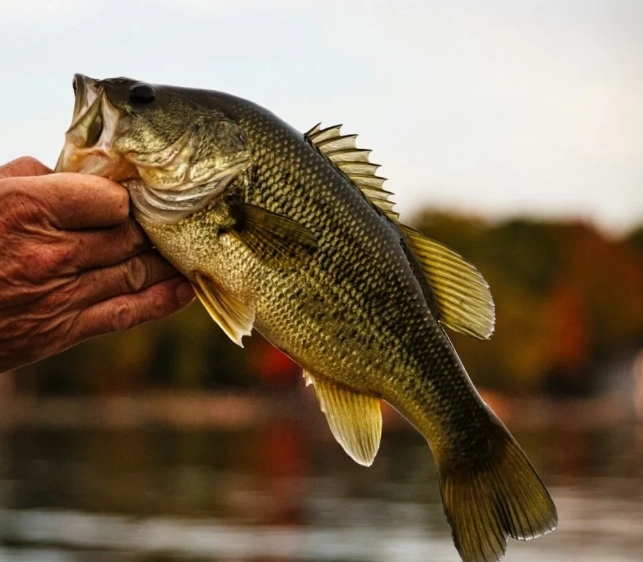
The Best Beginner Bass Lures (Start With These Three)
The Wacky Rigged Senko
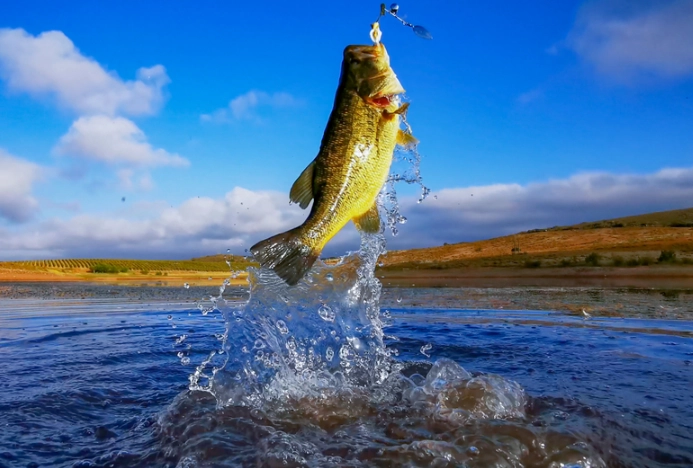
The Spinnerbait
The Texas-Rigged Plastic Worm
Lure Type
Best For
Retrieve Style
Why It's Great for Beginners
Wacky Rig Senko
Clear water, pressured fish, finicky bass
Dead stick & gentle twitches
Extremely simple, highly effective, teaches feel
Spinnerbait
Murky water, windy days, covering large areas
Steady retrieve
Snag-resistant, easy to use, triggers reaction strikes
Texas Rig Worm
Heavy cover (weeds, wood), bottom fishing
Slow drag & hop
Weedless, teaches bottom contact and detecting subtle bites
Where the Heck Do You Find Bass?
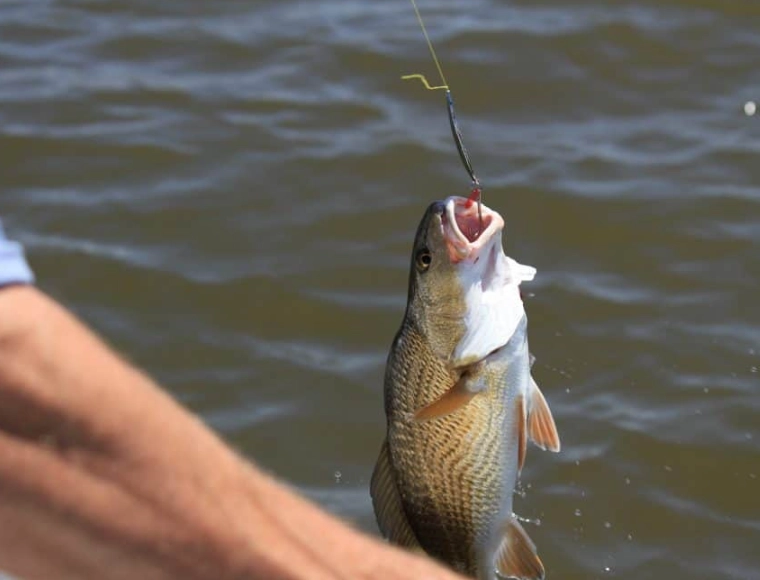
How to Actually Fish: A Simple Game Plan
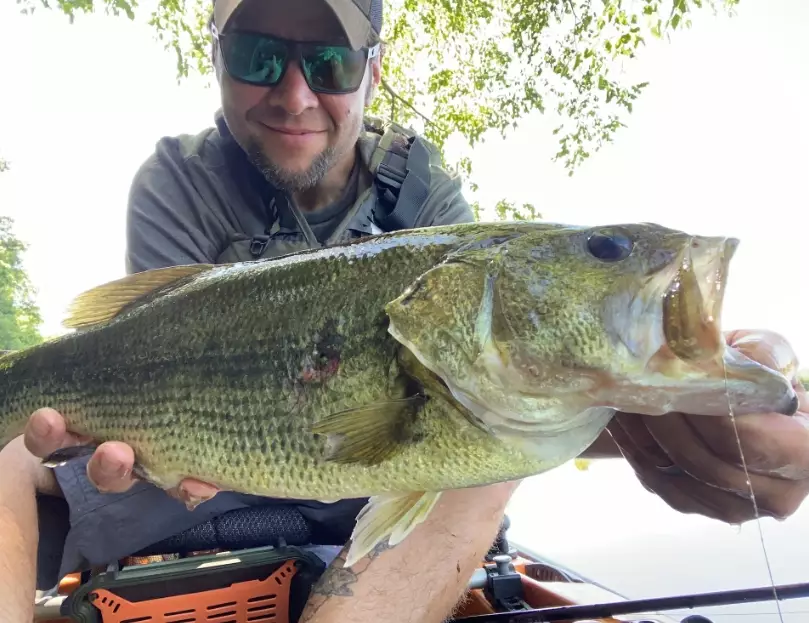
Understanding Bass Behavior Through the Seasons
Spring
Summer
Fall
Winter
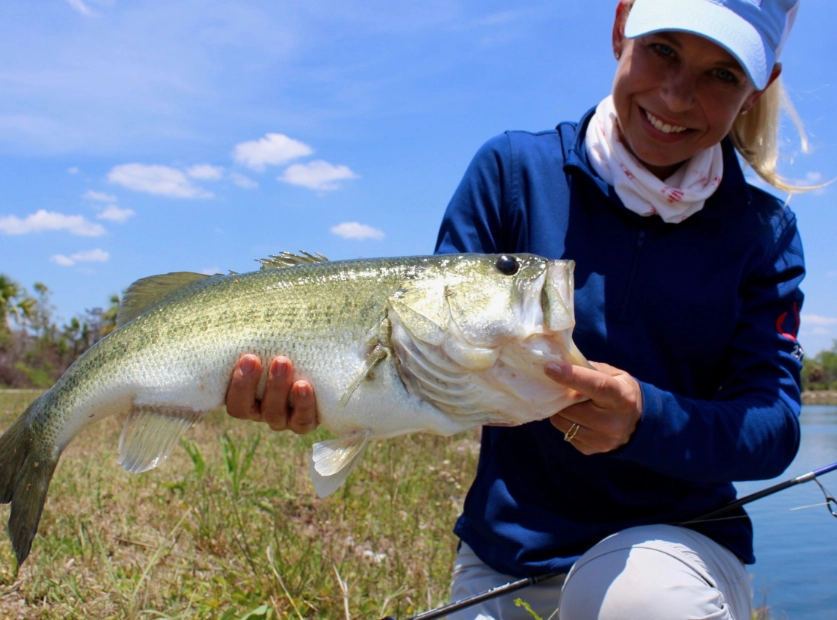
Your Bass Fishing Questions, Answered
Putting It All Together: Your First Trip Checklist