How to Attract Fish Faster: Proven Lures, Tactics & Tips
Wondering how to attract fish faster? This ultimate guide reveals the science behind fish senses, the top performing lures and baits, and the tactical tweaks that will get you more bites immediately, whether you're a beginner or a seasoned angler.
Let's be honest. We've all been there. You cast out, full of hope, and then… you wait. And wait. You watch your buddy a few feet away pulling in fish one after another, while your line just sits there, doing nothing. It's frustrating, right? You start questioning everything—your bait, your spot, your luck. But here's the thing: attracting fish quickly isn't just about luck. It's a mix of understanding, preparation, and a few clever tricks. This isn't about magic potions (though some scents help), it's about working smarter, not harder. So, if you're tired of the long waits and want to know how to attract fish faster, you're in the right spot. Let's break it down, piece by piece. The Core Idea: Fish aren't just randomly swimming. They're driven by instinct: finding food, saving energy, and avoiding danger. Your job is to convincingly tap into that first instinct—the need to eat—in a way that overcomes their caution. You can't attract something if you don't know how it perceives the world. Fish rely on a combination of senses, and the priority changes based on water conditions, species, and even time of day. Ignoring this is like trying to call someone with your phone on airplane mode. In clear water, sight is king. Color, profile, and action matter a ton. But it's not just about what you think looks good. Contrast against the background is huge. A bright lure in muddy water? Might just look like a vague blob. A perfectly matched natural bait in clear water? That's the ticket. I remember one super clear lake trip for trout. I was throwing a big, flashy spinner with zero luck. Switched to a tiny, natural-colored rooster tail with subtle flash—bam. Fish on. The flashy one was probably just spooking them. Lesson learned. This is where many anglers drop the ball. For species like catfish, carp, or even bass, smell is often the primary trigger. Taste is the final checkpoint before they spit your hook out. This is why fish attractants and proper bait selection are non-negotiable if you want to know how to attract fish faster. It's like adding gravy to your mashed potatoes—it just makes it more irresistible. In stained or deep water, or for aggressive predators, sound is your best friend. The thump of a spinnerbait blade, the rattle of a crankbait, the *pop* of a topwater lure. These vibrations travel far and trigger a predatory response. It's basically you yelling, "Hey! Dinner over here!" This is the fish's superpower. It detects minute water pressure changes and vibrations. A lure with a strong, erratic wobble doesn't just look alive, it feels alive to a fish's lateral line. This sense is why sometimes a slow, throbbing retrieve works when fast retrieves fail. Quick Sense Summary: Clear water = focus on sight/silhouette. Murky water = sound/vibration and scent. Always, always consider the lateral line with your lure's action. Okay, theory is good, but what do I actually tie on? This is the fun part. Not all lures are created equal when speed is the goal. Some are designed to search and trigger reaction strikes, perfect for figuring out how to attract fish faster in a new spot. Nothing out-performs a live, wiggling, naturally-scented meal. But there's a catch (pun intended). You need it to be lively and presented naturally. The downside? Live bait can be a hassle. It dies, you need to keep it cool, and it's not always legal everywhere. Check your local regulations. When you need to cover water quickly to find active fish, these are your go-to. That swimbait on a jig head? It's probably my number one recommendation for someone asking me how to attract fish faster on artificials. It just works. Don't overlook this. Adding scent to an artificial lure or even live bait can dramatically increase strikes, especially from cautious fish. It masks human scent and gives fish more confidence to hold on longer. Popular and effective options include formulas with amino acids or natural oils like shrimp, crawfish, or shad. A quick squeeze of gel on your soft plastic or a dip of your lure in a scent bottle can be the difference between a follow and a bite. For more on the science of fish olfaction and attractants, the American Fisheries Society has published accessible summaries of research in this area. You can have the best lure in the world, but if you're using it wrong, you're still just waiting. This is where technique separates the casual angler from the consistent catcher. The retrieve is everything. Fish rarely want a perfectly steady, robotic target. This seems obvious, but you'd be surprised. Casting into the middle of a featureless lake is a lottery ticket. Fish relate to structure and edges to ambush prey and save energy. High-Percentage Spots to Hit First: Docks and piers (shade & structure), fallen trees/laydowns, weed lines (especially the edges), points of land extending into the water, mouths of creeks or inlets (oxygen and food), and drop-offs. If you're not getting bites in 15-20 minutes, move. Don't fall in love with a spot. You can't control the weather, but you can use it. Your rod, line, and hooks aren't just tools; they're part of the presentation. Thin diameter braided line has almost no stretch. This means you feel every tiny tap and can set the hook lightning fast. It also allows lures to dive deeper and have better action. For clear water, I'll often tie a long fluorocarbon leader (which is nearly invisible underwater) to the braid. The Take Me Fishing initiative, supported by the Recreational Boating & Fishing Foundation, is a great resource for basic gear setup guides that align with best practices. A dull hook costs fish. Period. Get a hook file and sharpen every point before you go out, and check them after snags or catching a fish. A sharp hook penetrates with less effort, leading to more solid hooksets. It's the cheapest and easiest upgrade you can make. Let's be real, sometimes the problem is what we're doing wrong. Overwhelmed? Don't be. Here's a simple checklist for your next trip if your sole goal is to attract fish fast. That process right there is the essence of how to attract fish faster. It's a system, not a guess. Look, at the end of the day, fishing is supposed to be fun. The frustration of not getting bites sucks the fun right out of it. By thinking like a fish, using the right tools for the job, and staying mobile and adaptable, you can drastically cut down the dead time and increase the action. It's not about being perfect every time—even the pros have slow days. But now you have a game plan. You know what to try next, and why. So get out there, try these ideas, and see what happens. I bet you'll be surprised at how much less waiting you'll be doing. Good luck, and tight lines.Your Fishing Fast-Track
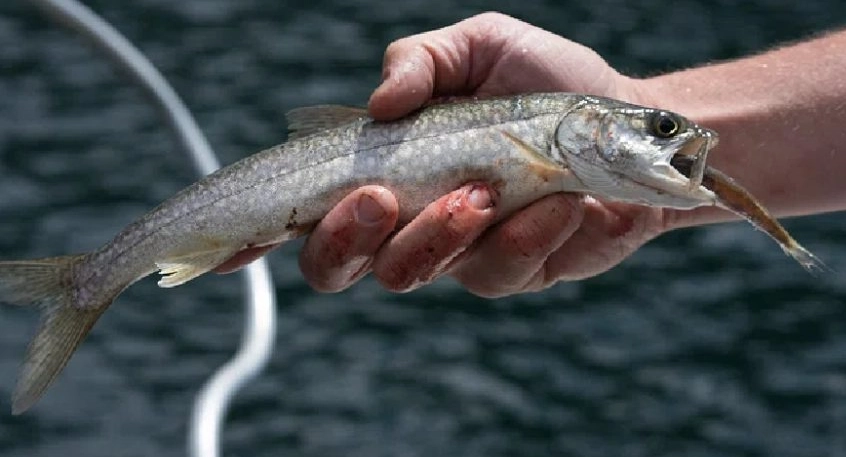
Understanding the Fish's World: It's All About Senses
Sight: The First Impression
Smell & Taste: The Clincher
Sound/Vibration: The Long-Distance Call
Lateral Line: The Secret Detector
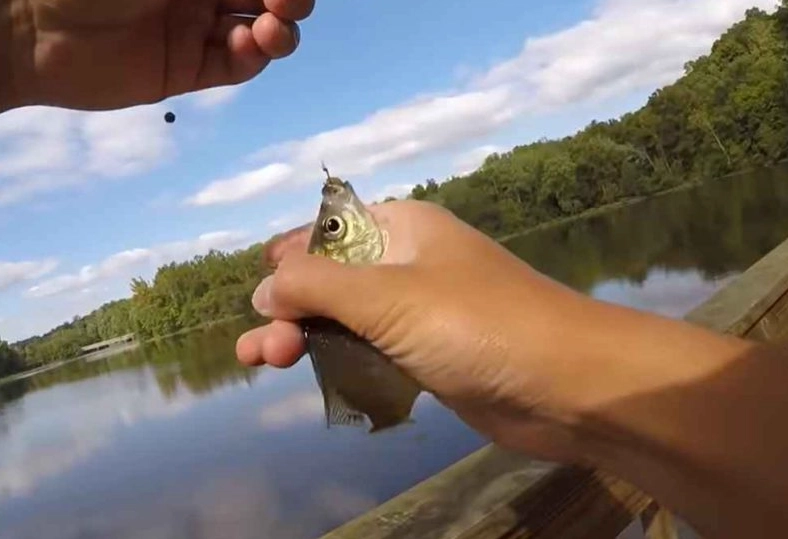
The Bait and Lure Arsenal: What Actually Works Fast
Live Bait: The Undisputed Champion (When Used Right)
Artificial Lures: The Search & Destroy Tools
Lure Type
Best For Speed Because...
Key Retrieval Tip
My Personal Rating
Inline Spinners (e.g., Mepps, Rooster Tail)
Flash, vibration, and easy to use. Covers water fast and appeals to sight/sound.
A steady, medium retrieve. Let the blade do the work. Occasionally twitch your rod tip.
9/10 for versatility and simplicity.
Spinnerbaits
Excellent in murky water, around grass/wood. The thumping blade is a fish magnet.
"Slow roll" it just fast enough to keep the blade spinning, or burn it near the surface for a reaction.
8/10. Bulky but effective.
Crankbaits
They dive to a specific depth and have a tight wobble that transmits vibration perfectly.
Retrieve just fast enough to make the lure deflect off rocks, wood, or bottom. That "tick" triggers strikes.
7/10. Can get snagged, but worth it.
Soft Plastic Swimbaits (on a jig head)
Incredibly lifelike action with minimal effort. You can swim them at any depth.
A straight, steady retrieve. Add occasional pauses where the bait will flutter down.
10/10 for realism and fish-catching ability.
The Attractant Boost: Scents, Gels, and Dips
Tactics & Techniques: The Real Secret Sauce
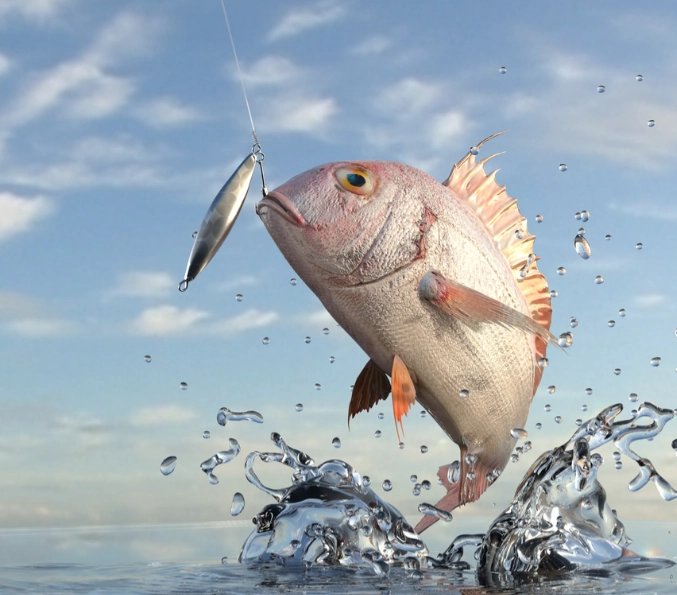
Master the Retrieval: It's Not Just Reeling
Location, Location, Location: Fish Where the Fish Are
Time and Conditions: Playing the Odds
Gear Tweaks for Faster Attraction
Line Matters More Than You Think
Hook Sharpness is Non-Negotiable
Common Mistakes That Slow You Down (I've Made Them All)
Putting It All Together: A Quick-Start Action Plan
Answering Your Questions (The Stuff You Actually Google)