Master Bait Fishing Techniques: A Complete Guide for Anglers
Ever wondered how to choose the right bait or present it naturally? This ultimate guide covers everything from basic rigs to advanced bait fishing techniques for freshwater and saltwater. Learn how to hook more fish today.
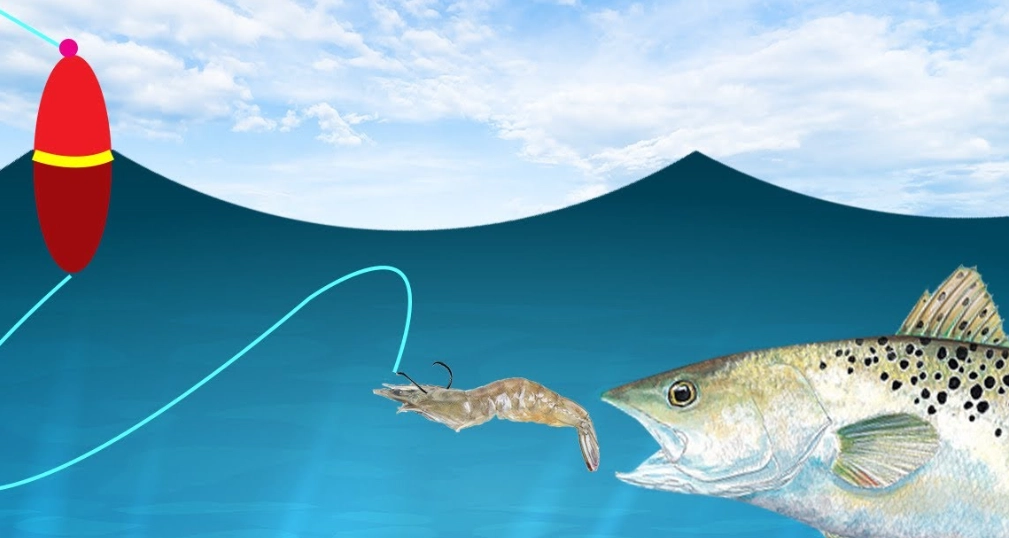
Let's be honest. We've all been there. You see someone at the dock or on the riverbank pulling in fish one after another, while your line sits there, doing absolutely nothing. It's frustrating. You might think they have a secret spot or magic bait. But nine times out of ten, the difference isn't magic—it's their understanding of bait fishing techniques. It's the little things: how they hook that minnow, where they cast, how patiently they wait. This isn't about just throwing a worm in the water and hoping. It's a skill, and like any skill, it can be learned, broken down, and mastered. I remember my early days, using the same old nightcrawler under a bobber for everything. Sometimes it worked, often it didn't. It wasn't until an old-timer took pity on me and showed me how to thread a leech properly for walleye that it clicked. The technique was everything. The bait was just the tool. This guide is that old-timer moment, but in writing. We're going to strip away the mystery and look at the core principles, the gear, the strategies, and the mindset that turn bait from mere food into an irresistible trap. At its heart, bait fishing is the art of deception. You're presenting something natural (or something that looks and acts natural) in a way that convinces a fish it's an easy, safe, and nutritious meal. The core challenge? Fish aren't stupid. They're cautious, evolved survivors. A worm tumbling unnaturally through the current or a minnow suspended stiffly in the water screams "danger." So, all bait fishing techniques revolve around one goal: natural presentation. This is the golden rule. Every decision you make—from bait selection to hook size to the weight on your line—should be evaluated against one question: "Does this make the bait look and behave like the real thing?" Get this right, and you're 80% of the way there. Your first major choice is bait type. This isn't just preference; it's strategy. Each has its place, its fans, and its detractors. Live Bait: The original, the classic. Worms, minnows, leeches, crickets, crayfish. The advantage is undeniable: real scent, real movement, real texture. For finicky feeders or in ultra-clear water, nothing is more persuasive. But it comes with hassles—keeping it alive, buying it fresh, the ethical considerations for some anglers. The techniques for live bait are all about preservation and presentation. How do you keep it lively on the hook? Where do you place the hook to minimize injury and maximize natural motion? Artificial Bait (that mimics live bait): This includes soft plastic worms, swimbaits, and scented baits like those from Berkley Gulp!. The modern marvel. They're convenient, durable, and often just as effective, especially when impregnated with potent attractants. The technique here shifts from preservation to manipulation. You have to impart the life-like action through your rod tip. A twitch, a pause, a slow drag. It's more active fishing. So which is better? That's the wrong question. The right question is: "Which is better for this fish, in this water, right now?" A lot of my success came from not being stubborn. I carry both. If the live minnows aren't working on a slow day, I might switch to a slow-drifted scented worm. Sometimes the change-up is what triggers a bite. You can have the perfect bait and the perfect spot, but if your gear is working against you, you'll fight an uphill battle. This isn't about buying the most expensive rod; it's about matching the tool to the task. Using a heavy catfish rod for finesse trout fishing with a worm is a recipe for disappointment. The Core Toolkit: Okay, you've got the bait and the gear. Now let's get it in the water. These are the core methods, the bread and butter. Mastering even two or three of these will make you a more dangerous angler. This is the classic. You cast out, let your bait settle, and wait. It sounds simple, but it's not passive. You're choosing the depth (bottom, mid-water, suspended), managing line slack, and being hyper-aware of any subtle tension or tap. It's perfect for ponds, lakes, and slow rivers. Use a simple hook and weight, or a float to set your depth. The key is patience and attention. This is where a sensitive rod tip is worth its weight in gold. Many bites, especially from wary fish like catfish or carp, feel like a faint "tick" or just a slight heaviness. This is one of my favorite live bait fishing techniques for rivers or windy lakes. You don't anchor. Instead, you let your boat or your bait drift naturally with the current or wind. Your bait travels along the bottom or just above it, covering ground and presenting itself naturally to fish holding in feeding lanes. It's incredibly effective for walleye, smallmouth bass, and trout. The trick is using just enough weight to stay near the bottom without constantly snagging. You need to be in tune with the depth changes, constantly letting out or reeling in line. This rig is a staple for bass anglers using soft plastics, but it's phenomenally versatile for live bait too. A sliding egg sinker on your main line, followed by a bead (to protect the knot), a swivel, and then a leader (12-36 inches) to your hook. Why is it so good? The fish can pick up the bait and move off with it without feeling any resistance from the heavy sinker. You'll often see your line start moving sideways or go slack before you feel the weight of the fish. It's a deadly finesse technique for wary bottom-feeders in clear water. Don't call it bobber fishing—it sounds more sophisticated this way! A float isn't just for kids. A properly sized and weighted slip float allows you to present a live minnow, worm, or insect larvae at an exact depth, suspended in the water column where fish are feeding. This is killer for trout cruising a few feet off the bottom, for crappie suspended around brush piles, or for bluegill hanging near weed edges. The visual strike is thrilling, but the real skill is in setting the depth correctly and using a float subtle enough not to spook fish. Let's talk about the "how-to" of hooking, because this is where many bait techniques succeed or fail. How you put the hook in is the first step of your presentation. The goal is to keep the bait alive, lively, and natural-looking for as long as possible. Fish don't stand in line waiting for your bait. They relate to structure, current, temperature, and food sources. Your bait fishing techniques must adapt. In Current: Fish face upstream, waiting for food to wash down to them. Cast upstream and let your bait drift down naturally into the feeding lanes. Use enough weight to get down but not so much that it anchors and drags unnaturally. Think "dead drift" like a fly fisherman. Around Structure: Weed edges, fallen trees, rock piles, dock pilings. These are fish hotels. The challenge is getting your bait in there without getting hung up every cast. Pitch your bait gently to the edge. Use a weedless hook or a Texas-rigged soft plastic worm if it's really thick. For live bait near wood, a simple hook and split shot is often best—if you get snagged, a firm pull often straightens the hook, saving your rig. Deep vs. Shallow: In summer heat or winter cold, fish often go deep to find stable, comfortable water temperatures and oxygen. Your techniques need to reach them. This is where deep drifting, heavy Carolina rigs, or downriggers come in. In spring and fall, or during low-light periods, fish move shallow to feed. Here, subtle presentations with light weights or floats near shorelines are key. This is a critical part of modern fishing that often gets glossed over. Using live bait, in particular, comes with responsibilities. Invasive Species: This is a massive problem. Never, ever dump unused live bait (especially baitfish like minnows) into a waterbody. You could be introducing a species that devastates the local ecosystem. Dispose of unused bait in the trash, away from the water. Many states have strict regulations about transporting live bait across water bodies. Check the rules! The U.S. Fish & Wildlife Service has extensive resources on preventing the spread of aquatic invasives. Catch and Release: When using live bait, especially with treble hooks or J-hooks, deep hooking is a risk. If you're practicing catch-and-release, seriously consider using circle hooks. They dramatically increase the chance of a mouth-hooked fish that will survive. Have pliers ready to remove the hook quickly and gently. Keep the fish in the water as much as possible. Know the Law: Regulations on bait type are not suggestions. Some waters are artificial-only to prevent disease or invasives. Some prohibit certain live baits. It is your duty to know the regulations for the specific water you are fishing. Ignorance isn't an excuse. A great resource for general best practices is the Take Me Fishing website, which promotes responsible angling. Let's say you're heading to a local lake for bass and panfish. Here's how the thinking goes, applying these bait fishing techniques: You start at dawn near a weed line. You have a container of lively leeches and a pack of nightcrawlers. You rig a slip float about 4 feet deep with a small hook and a leech, casting it along the edge of the weeds. You get a few bluegill. As the sun gets higher, you switch to a Carolina rig with a nightcrawler and work a little deeper, along a drop-off you found on a map. You feel a few subtle taps, wait, then set the hook into a decent bass. By midday, things are slow. You switch to a finesse approach. A small piece of worm on a light wire hook with a single split shot, cast into the shade of a dock. Slow, patient retrieves with long pauses. You pick up a few more fish when others have given up. The point isn't the specific baits, but the process: observe, adapt, experiment. You moved from shallow to deep, from active float fishing to subtle bottom fishing. You changed baits and presentations based on conditions and fish behavior. That's the real secret. There's no one magic bait technique. It's a toolbox. The more tools you have and the better you understand when to use each one, the more consistent your success will be. It turns fishing from a game of chance into a game of skill. And that, more than any single catch, is what makes it so endlessly rewarding. Now get out there, think it through, and put these bait fishing techniques to the test. The fish are waiting.Quick Guide
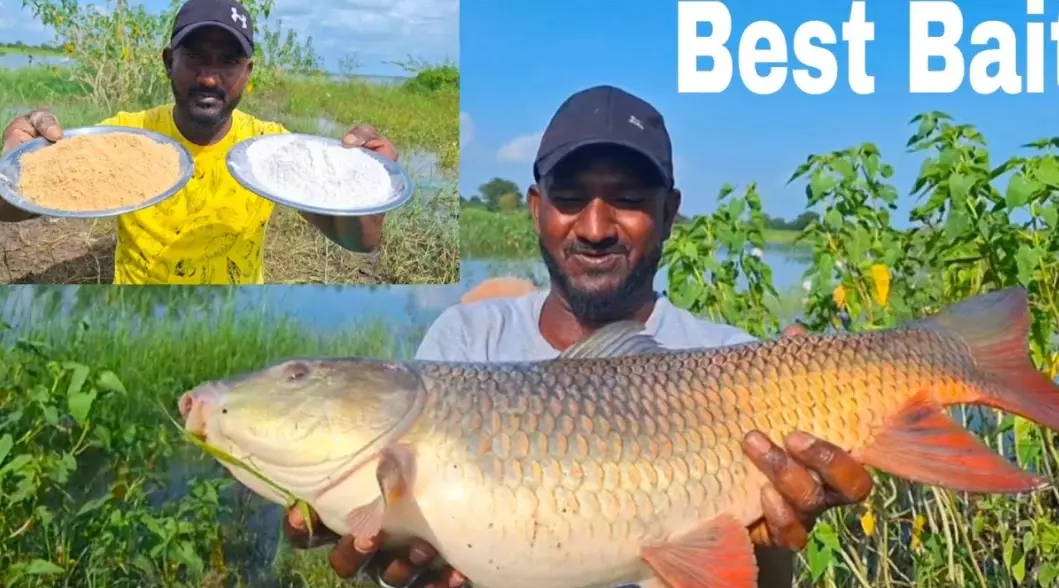
The Foundation: What Are Bait Fishing Techniques Really About?
The Two Pillars of Bait: Live and Artificial
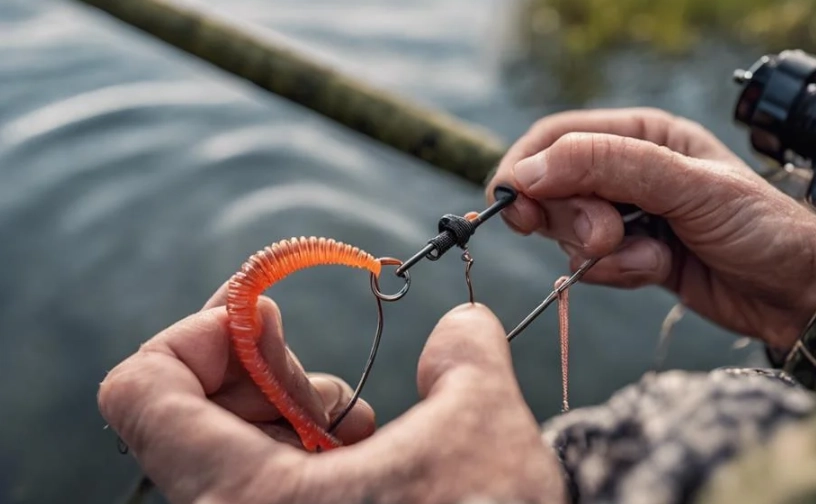
Bait Type Best For Biggest Advantage Biggest Challenge Live Worms/Nightcrawlers Panfish, Trout, Catfish, General freshwater Universal appeal, strong scent & taste Can be stolen easily by small fish; keeping them cool Minnows & Shiners Bass, Walleye, Pike, Striped Bass Irresistible swimming action triggers predatory instinct Keeping them oxygenated and alive; proper hooking Leeches Walleye (especially), Bass Incredibly durable on the hook, unique swimming motion Some anglers find them unpleasant; can be pricey Scented Soft Plastics (Gulp!, PowerBait) Species attracted to scent (Catfish, Trout, Panfish) & sight-feeders in clear water No maintenance, long-lasting, consistent action Requires active rod work to create life; can be less effective in very cold water 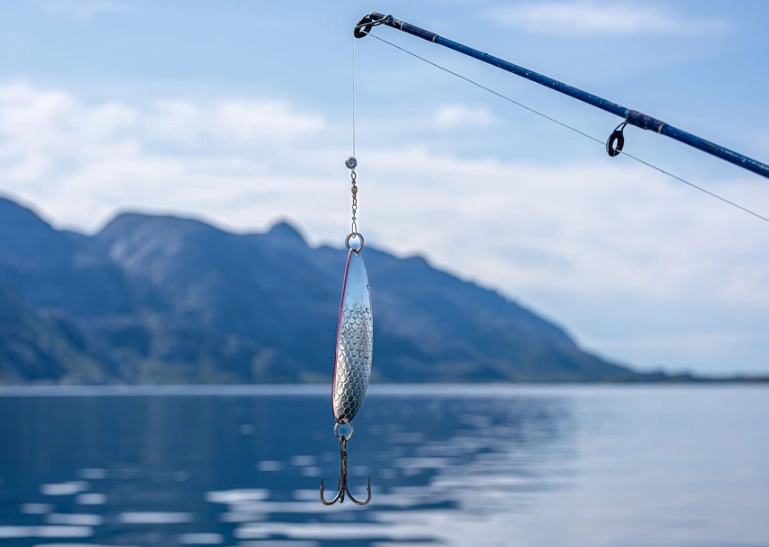
Gear Up: The Non-Negotiables for Effective Bait Fishing
Top Bait Fishing Techniques You Need to Know
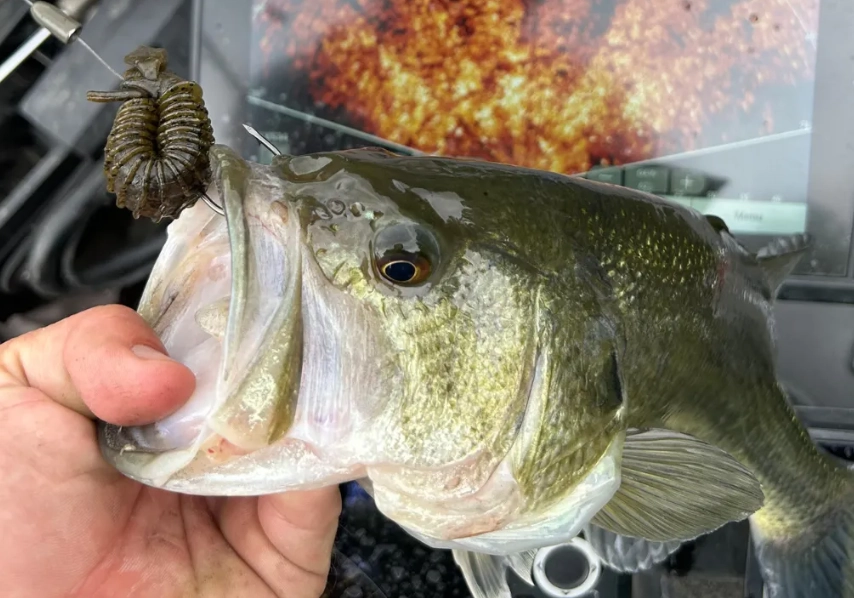
1. Still Fishing (The Patient Art)
2. Drift Fishing (Letting the Water Do the Work)
3. The Carolina Rig (The Finesse Bottom Specialist)
4. Float Fishing (Suspending the Snack)
Hooking Your Bait: A Matter of Life and Death (For the Bait)
Reading the Water and Adapting Your Technique
The Ethical Angler: Conservation and Regulations
Answering Your Bait Fishing Questions
Putting It All Together: A Day on the Water