Mastering Trout Fishing: Essential Techniques for Every Angler
Ever wonder why some anglers consistently catch trout while others struggle? This definitive guide breaks down proven trout fishing techniques for streams, rivers, and lakes, covering everything from fly fishing basics to spin fishing secrets and the must-have gear for success.
Let's be honest. You can find a million articles online that tell you to "cast upstream" or "use a worm." Most of them are written by people who've probably spent more time at a keyboard than knee-deep in a cold stream. I've been there, freezing my fingers off, getting skunked day after day, wondering what the secret was. It's not one secret. It's a bunch of little things, a puzzle you have to solve for each river, each day, each fish. That's what this is about. We're going to talk real trout fishing techniques that work when the fancy theories fail. Why listen to me? I'm not a TV personality with a sponsorship deal. I'm just someone who's made every mistake in the book so you don't have to. I've tangled fly lines in trees, spooked more fish than I've caught, and bought lures that were utterly useless. This guide is the sum of those hard-learned lessons. Before you even pick up a rod, you need to get inside the head of a trout. They're not robots. They're cold-water predators driven by energy efficiency and survival. Think of them as lazy, paranoid geniuses. They want the most calories for the least effort while avoiding being eaten themselves. Everything about effective trout fishing techniques flows from this. Water temperature is their master clock. They're most active between 50°F and 65°F (10°C-18°C). Go much colder, and their metabolism slows to a crawl. Go much warmer, and they get stressed, seeking oxygen-rich water like spring holes or fast riffles. On a blistering summer afternoon, your best trout fishing tips are useless if you're fishing a slow, warm pool. You need to find the right water. And sight? Trout have incredible underwater vision, but with a huge blind spot directly above them (that's why a stealthy approach is key). They see colors differently than we do. Reds disappear quickly with depth, while blues and greens remain visible longer. This matters when choosing a lure or fly. You don't need a garage full of expensive gear. But you do need the right tool for the job. Using a heavy bass rod for delicate dry fly work is like using a sledgehammer to fix a watch. Here’s a brutally honest breakdown. Now, let's talk about the big three categories of trout fishing techniques. Each has its place, its fanatics, and its drawbacks. Fly fishing gets all the glory in magazines, and for good reason. It's incredibly effective and deeply engaging. The core idea is presenting an artificial "fly" (which can imitate an insect, a baitfish, or even a small crawdad) in a way that looks completely natural. It's less about the weight of the lure and more about the weight of the line carrying the nearly weightless fly. This is the classic image: a fly floating on the surface, a trout rising to sip it in. It's visual and thrilling. The key is "match the hatch"—figuring out what insects are on the water and using a fly that looks like them. This isn't always necessary; a well-presented generic fly like an Adams or an Elk Hair Caddis can work wonders. This is the workhorse, the method that catches the vast majority of trout. Why? Because trout eat about 90% of their food underwater, mostly nymphs (aquatic insect larvae). You're fishing a weighted fly below the surface, often with a small strike indicator (fancy word for a bobber). Czech nymphing, Euro nymphing, indicator nymphing—all variations on getting a nymph down to where the fish are holding. It's less glamorous than dry flies but brutally effective. If you want to consistently catch trout, learn to nymph. Big flies for big fish. Streamers imitate minnows, leeches, or sculpins. You're triggering a predatory strike, not a feeding response. It's an active technique: cast across and downstream, strip the line back in with short, erratic pulls. It covers water and finds aggressive fish. On tough days, switching to a streamer can sometimes provoke a reaction strike when nothing else works. Don't let fly fishing purists tell you spin fishing is inferior. It's a different, often more efficient tool, especially in certain conditions like high, murky water or when covering large pools quickly. The core trout fishing techniques here involve casting a weighted lure and retrieving it. Spinning gear also opens the door to bait fishing, which, while sometimes frowned upon, is undeniably effective. A live worm or nightcrawler drifted under a small float or free-lined along the bottom is how many people catch their first trout. Just check your local regulations—some wild trout streams are artificials-only to protect the fishery. The best trout fishing tips in the world won't help if you're fishing empty water. Trout are structure-oriented. You need to learn to read a river or lake like a map. In moving water, focus on these zones: Your approach needs to change with the calendar. The same hole that held fish in April might be barren in August. Water is high and often off-color from snowmelt. Fish are hungry after winter. This is prime time for bright spinners, large streamers, or bait. Don't be subtle. They're aggressive. Focus on slower edges and side channels where the current isn't brutal. Low, clear, warm water. The toughest season. This is finesse time. Early morning and late evening are best. Use light leaders (4x-6x fluorocarbon), small flies (midges, ants, beetles), and tiny spinners. Fish the oxygen: fast riffles, waterfall plunge pools, and spring-fed tributaries. If the water hits 70°F (21°C)+, consider giving the fish a break—they're stressed. My favorite season. Water cools, fish feed aggressively to fatten up for winter. Big streamers and egg patterns (around spawning tributaries, but be ethical—don't fish over spawning beds) are killer. Browns and brookies get colorful and active. It's a great time for big fish. Slow and low. Fish are in the deepest, slowest pools. Your presentations need to be slow and right in their face. Nymphing deep with small flies is the top producer. Midge hatches can happen even on cold days, offering dry fly opportunities. Dress warmly and expect fewer but sometimes larger bites. There isn't one. But if my house was burning and I could only grab one, it'd be a #2 gold-bladed Panther Martin spinner. It works in almost any water, any season. A close second is a simple bead-head Pheasant Tail nymph in size 16. You're probably fishing the wrong water. Small trout are bold and live in easy, shallow water. Big trout are paranoid and live in heavy cover (deep pools, under logs, undercut banks) or fast, turbulent water where they feel safe. You need to risk your gear to catch them. As deep as they are. In a river, your lure or fly should be ticking the bottom occasionally. That's the "strike zone." In a lake, you need to probe different depths until you find them. Start shallow in low light, go deep when the sun is high. Done properly, yes. Use barbless hooks (just pinch the barb down with pliers), keep the fish in the water as much as possible, wet your hands before handling, and don't squeeze. If you need a photo, have the camera ready, lift quickly, and get it back in the water. A tired fish held out of water for minutes in the sun will likely die later. The National Audubon Society has a great guide on ethical catch and release. For species identification and conservation status, resources like the U.S. Fish and Wildlife Service's freshwater fish page are invaluable. Moving too fast. They blast down the riverbank, casting every five feet. Slow down. Watch the water for a few minutes. Look for rises, shadows, anything. Make ten good casts to a promising spot before moving on. Stealth is more important than the color of your lure. The most advanced trout fishing techniques won't mean a thing if you're not enjoying the process. Some days the fish win. You'll get skunked. Your favorite fly will get stuck in a tree. That's part of it. The real secret? Time on the water. Every hour spent observing, experimenting, and yes, failing, makes you better. Start simple. Master a spinner in a small stream. Then maybe try a fly rod with a single nymph. Learn one water intimately. The fish will teach you if you listen. Forget about the Instagram heroes with their perfect shots of huge trout. Go get your boots wet, make your own mistakes, and enjoy the puzzle. That's where the real joy of trout fishing lives, in the quiet moments between casts, in the learning, and in the occasional, hard-earned tug on the line.Quick Navigation
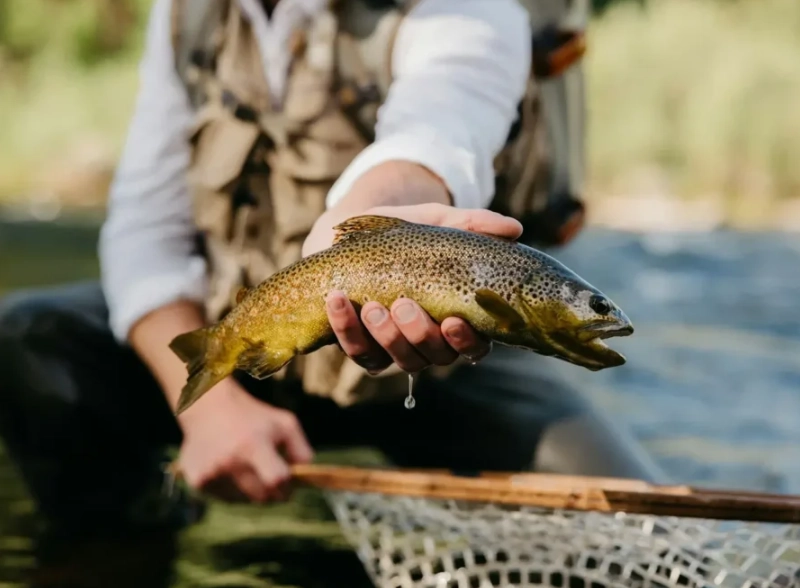
Understanding Your Quarry: It's Not Just a Fish
The Toolbox: Matching Your Gear to the Technique
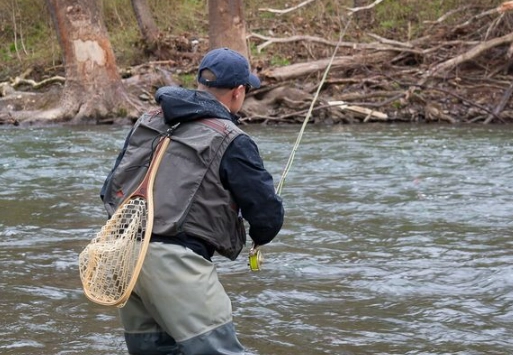
The Non-Negotiable Basics
Fly Fishing: The Artful Science
Dry Fly Fishing
Nymphing
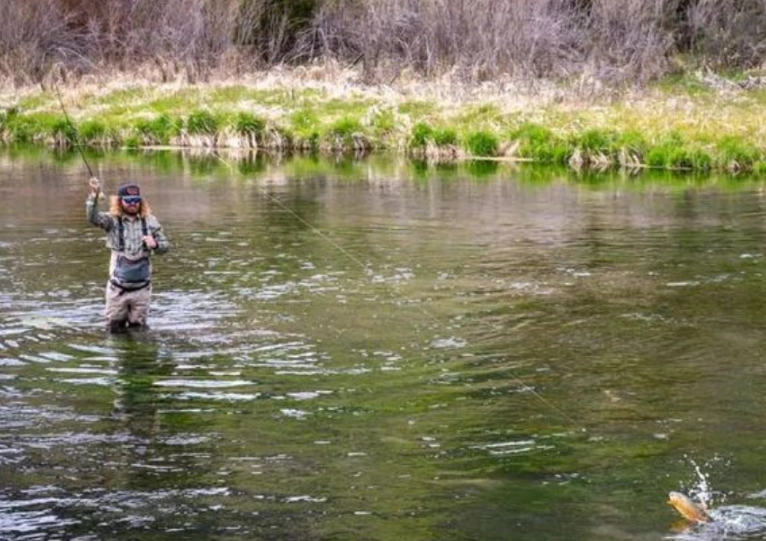
Streamer Fishing
Spin Fishing: The Underrated Powerhouse
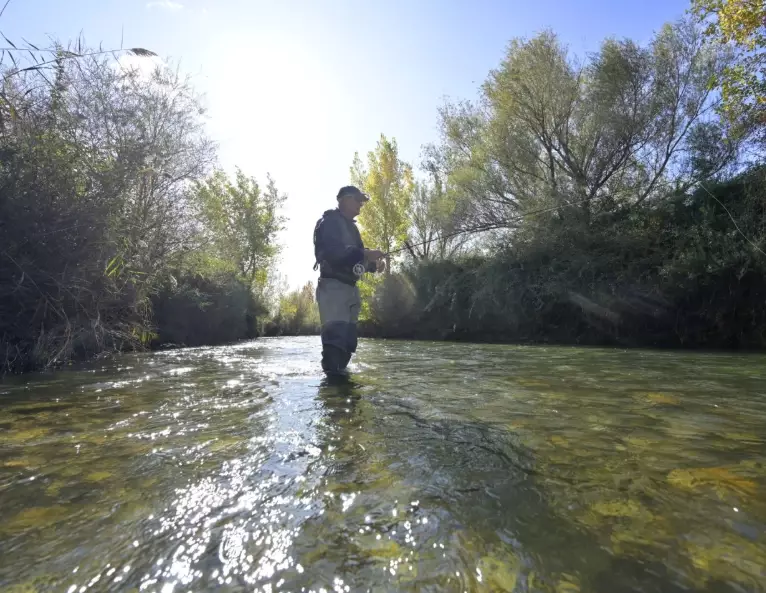
Lure Type
Best For
Retrieve Technique
My Honest Take
Inline Spinners (Mepps, Panther Martin, Rooster Tail)
Moving water (rivers, streams), active fish. Great for searching.
Steady retrieve, just fast enough to make the blade spin. Vary speed. Can cast upstream and reel back down.
The absolute goat for beginners. Catches fish everywhere. But in super clear, low water, they can spook trout.
Spoons (Kastmaster, Little Cleo)
Lakes, ponds, deep pools in rivers. Imitates a wounded baitfish.
Cast, let sink to desired depth, then a slow, fluttering retrieve with occasional jerks.
Underrated. A 1/8 oz gold Kastmaster is a lake trout killer. The erratic wobble is irresistible.
Soft Plastics (Trout Worms, Grubs on a jig head)
All water types, especially when fish are pressured or finicky.
Deadly when drifted naturally with the current (like a nymph) or hopped slowly along the bottom.
Almost "cheating" at times. The natural presentation is key. Use light jig heads (1/32 to 1/16 oz).
Hard Baits (Mini crankbaits, jerkbaits)
Lakes and slower river pools. Triggering reaction strikes.
Steady retrieve for crankbaits; sharp, erratic twitches for jerkbaits.
Expensive and easy to lose on snags. I rarely use them for river trout, but they can be magic on lakes.
Reading the Water: Your Map to Success
Putting It All Together: A Seasonal Strategy
Spring
Summer
Fall
Winter
Answering the Real Questions (FAQ)
What is the single best trout lure?
Why do I keep catching small trout?
How deep should I fish for trout?
Is catch and release actually okay for the fish?
What's a common mistake beginners make?
Final Thoughts: It's a Journey, Not a Destination