What Attracts Fish the Most? The Ultimate Guide to Lures, Baits & Scents
Wondering what attracts fish the most? We break down the science behind fish senses, compare the top lures and baits, and reveal the secrets of presentation that turn curious fish into catches.
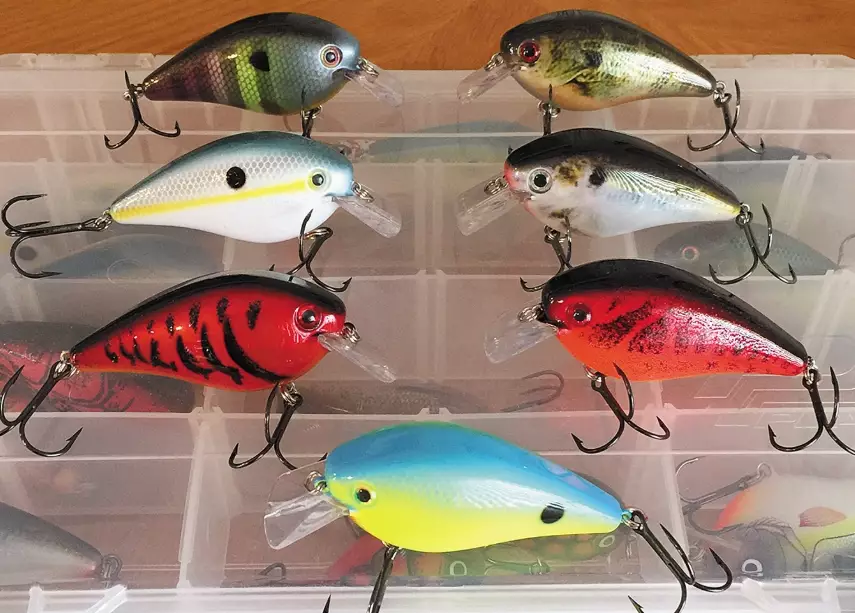
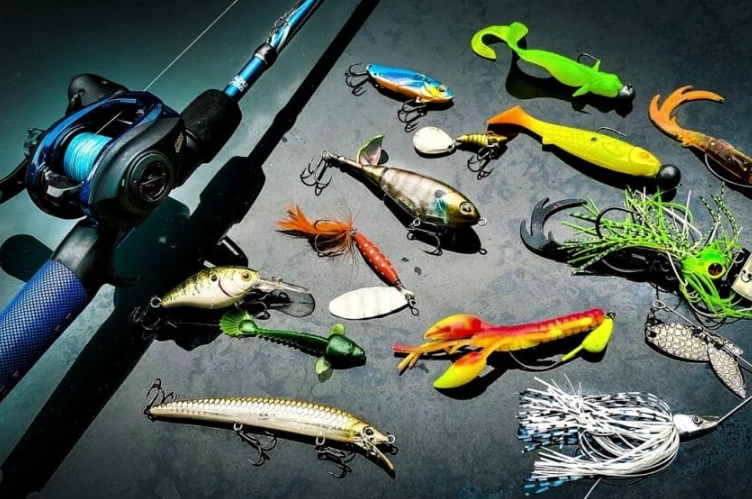
Let's be honest. We've all stood on the bank or sat in a boat, staring at the water, and asked ourselves that exact question. What is the magic formula that makes fish commit? Is it the shiniest lure, the smelliest bait, or some secret technique we haven't figured out yet? I've spent more hours than I'd care to admit trying to crack this code. I've bought every "guaranteed" attractant on the shelf and come home empty-handed more times than not. The truth is, there's no single answer. Figuring out what attracts fish the most is like solving a puzzle where the pieces change with the weather, the water, and the fish's mood. But after years of trial, error, and talking to guides who actually know what they're doing, patterns start to emerge. It's less about one miracle product and more about understanding how a fish experiences its world. Their senses are tuned differently than ours, and tapping into that is the real key. You can't answer "what attracts fish" without first knowing how they find things. This isn't just trivia; it's the operating manual. A fish's world is dark, murky, and full of pressure waves and chemical signals. Sight is often the last sense they rely on. Fish see color, but not like we do. Water acts as a filter, absorbing colors at different depths. Red is the first to disappear, followed by orange and yellow. Blues and greens penetrate the deepest. On a bright day in clear water, a firetruck-red crankbait might look bold and aggressive. But in 20 feet of water or on a cloudy day? It can appear as a dull, dark gray or even black. What often matters more than the specific hue is contrast and silhouette. A dark lure against a bright sky (seen from below) creates a sharp, unmistakable outline of prey. That's why black or purple baits can be killers in low-light conditions—they create a stark silhouette. I learned this the hard way, stubbornly using my favorite chartreuse spinner in muddy water and wondering why the guy next to me with a black/blue jig was cleaning up. Movement within that silhouette is the real trigger. The erratic dart of a wounded minnow, the slow pulse of a crawfish tail, the vibration of a blade—these movements scream "vulnerable food" to a fish's brain far louder than any specific color ever could. This is the sense we land-dwellers completely lack, and it's arguably the most important for attraction in stained water or at night. The lateral line is a system of fluid-filled canals running along a fish's body that detects minute vibrations and pressure changes in the water. Think of it as a full-body, underwater hearing aid tuned to low-frequency sounds. A struggling baitfish, a crawfish scuttling over rocks, the "thump" of a heavy jig hitting bottom—all of these send out distinct vibration "signatures." This is why lures with internal rattles, spinning blades, or specific wobbling actions work. They aren't just making noise for us; they're broadcasting a powerful, far-reaching vibration that a fish's lateral line can pinpoint from yards away. When you're asking what attracts fish the most in murky rivers or after dark, the answer is often vibration. This is where scent-based attractants and natural baits earn their keep. A fish's olfactory system is incredibly sensitive. Salmon, for example, can detect scents at concentrations of one part per billion—that's like finding a single drop of substance in an Olympic-sized swimming pool. Scents serve two main purposes: masking and attracting. Human scent (sunscreen, bug spray, gasoline, sweat) on your lure is a major repellent. A good scent gel first covers that up. Second, it releases an amino acid trail—the chemical signature of real food. Crawfish, shad, worm, anise, garlic—these scents tell a fish, "This isn't just plastic; it's something edible and leaking nutrients." It's the difference between a fish nipping at a lure and inhaling it with confidence. For species like catfish, with phenomenal senses of smell, scent is often the primary attractant. The folks at the U.S. Fish and Wildlife Service have great resources on fish biology that underscore how critical these senses are. Sound travels faster and farther in water than in air. While the lateral line handles low-frequency vibrations, a fish's inner ear picks up higher-frequency sounds. The "clack" of crawfish claws, the "pop" of a surface lure, the clicking of internal rattle chambers—these are all attention-grabbers. Sound can call fish in from a distance, especially in open water. But it can also spook them in ultra-clear, shallow, or pressured situations. It's a tool, not a guarantee. So, when you're piecing together what attracts fish the most, you're really designing a multi-sensory package. The best presentations tick multiple boxes: they have a visible silhouette, create a compelling vibration, and may even carry a convincing scent or sound. This is the eternal argument. Purists swear by live bait. Technophiles love the versatility of lures. The real answer? They both have a place, and the best anglers aren't loyal to one—they're loyal to what works that day. Let's break down the contenders in the quest to discover what attracts fish the most. Nothing artificial can perfectly replicate the complete sensory experience of live or fresh-cut bait. It has the right smell, taste, texture, and, if alive, the most natural movement possible. The major advantage of natural bait is its passivity. You can let a live minnow swim under a bobber or a worm sit on the bottom, and it's doing the attracting work for you. It's less about active technique and more about placement and patience. But that's also its limitation—you're often limited to one depth and presentation style. Lures are tools of active persuasion. They don't attract fish by being food; they attract fish by imitating food (or a threat) so convincingly that the fish reacts on instinct. The art is in the manipulation. Here’s a rundown of the major lure categories and what they're best at mimicking: The choice between natural and artificial often comes down to conditions and fish behavior. Are the fish active and hunting (use a lure to cover water)? Are they sluggish and pressured (try a subtle natural bait or finesse plastic)? There's no single winner in the debate over what attracts fish the most. Here's the secret that separates okay anglers from great ones. You can have the perfect lure or bait, but if you present it wrong, it's just junk in the water. Presentation is often more important than the selection itself. Think of it this way: a perfectly cooked steak is amazing. But if you throw it on the floor, no one's going to eat it. You have to put it on a plate and serve it properly. You can't attract fish if you're not fishing where they are. This seems obvious, but it's the most common mistake. Fish relate to structure (logs, rocks, weed beds) and cover (docks, overhanging trees) for ambush and protection. They follow contours (drop-offs, creek channels) like underwater roads. They position themselves based on water temperature, oxygen levels, and baitfish location. Fishing a $30 top-of-the-line swimbait over a barren, featureless sandy flat is usually a waste of time, no matter how good the lure is. Your first job is to use a map, your electronics, or your eyes to find the spots where fish are likely to be holding. The Bassmaster website, for instance, is full of articles by top anglers breaking down how they locate fish on different bodies of water—it's a masterclass in this first, critical step. This is where you breathe life into an artificial lure. The same crankbait can be a winner or a dud based on how you reel it. I can't tell you how many times I've seen someone cast, reel in straight, get no bite, and declare the spot dead. Then the next person uses the exact same lure but adds a twitch-pause-twitch retrieve and gets hammered. The lure didn't change. The presentation did. This manipulation is a huge part of unlocking what attracts fish the most on any given day. This old adage holds true. What are the fish eating right now? If the lake is full of 2-inch shad, throwing a massive 8-inch swimbait might intimidate rather than attract. If the crayfish are molting and bright orange, a green pumpkin lure might go unnoticed, while an orange-bellied crankbait might be the ticket. Pay attention to the environment. Look for baitfish skipping on the surface. Turn over rocks to see what crawfish look like. This isn't about being perfect, but about being plausible. A general rule: in clear water, go natural and subtle. In dirty water, go bold and loud (bright colors, heavy vibration). So, with all this information, how do you actually approach a day on the water to maximize attraction? Here's a mental checklist I follow. Ultimately, the question of what attracts fish the most is answered by the fish themselves, minute by minute. Your job is to be a detective, interpreting the clues (conditions, bites, follows) and adapting your multi-sensory offering until you find the key. Look, at the end of the day, fishing is part science, part art, and a whole lot of being humbled by nature. There will be days when you do everything "right" and the fish just aren't having it. And there will be days when you accidentally snag your hook on a log, jerk it free, and get crushed by a giant. The goal isn't to find one magic bullet for what attracts fish the most. The goal is to build a toolkit of understanding—about fish senses, about baits and lures, and most importantly, about presentation. The more tools you have, the better you can adapt, and the more often you'll put together the puzzle before your line goes tight. Now get out there and make some casts. The water's waiting.Your Fishing Roadmap
How Fish Sense the World: The Foundation of Attraction
Vision: Color, Contrast, and Silhouette
Lateral Line: Feeling the Vibe
Smell and Taste: The Chemical Cocktail
Sound: The Final Piece
The Great Bait Debate: Natural vs. Artificial
Natural Baits: The Original Attractant
Bait Type Best For Key Attraction Factor Downside Live Minnows/Shiners Bass, Walleye, Pike, Crappie Lifelike movement & vibration, natural scent trail. Irresistible to predators. Requires maintenance (aerator), can be messy, often illegal to transport across state lines. Nightcrawlers/Worms Panfish, Trout, Catfish, Bass Universal appeal, powerful scent, familiar food source for almost all freshwater fish. Can attract smaller, nuisance fish; not always selective for larger predators. Leeches Walleye, Smallmouth Bass Unique undulating swim, tough (stays on hook), works in cold water. Some people find them... unpleasant. Can be expensive. Crayfish Smallmouth & Largemouth Bass Primary forage for bass. The scent, shape, and behavior are perfectly matched. Hard to keep alive, can be seasonal/regional. Cut Bait (Fish chunks) Catfish, Striped Bass, Saltwater Species Releases a massive oil and scent slick into the water that draws fish from far away. It's messy. Very messy. And it's purely a scent/visual play with no movement. 
Artificial Lures: The Illusionists
Beyond the Object: The Critical Factors of Presentation
Location, Location, Location
Retrieve Speed and Action
Matching the Hatch (Size and Color)
Putting It All Together: A Practical Strategy
Common Questions About What Attracts Fish