How to Fish for Beginners: Your Complete Step-by-Step Guide
Want to learn how to fish but don't know where to start? This complete beginner's guide covers everything from choosing your first rod and reel to casting, hooking, and landing your first fish. Get clear, simple steps to start fishing with confidence today.
Let's be honest. The idea of learning how to fish can feel overwhelming. You see guys with vests covered in weird tools, talking about lines and lures you've never heard of, and it seems like a secret club. I felt exactly the same way. My first trip was a disaster—tangled line, lost hooks, and a whole lot of sitting around wondering what I was doing wrong. But here's the truth they don't always tell you: fishing is simple at its core. It's about a hook, some bait, and getting it in the water where the fish are. All the fancy gear comes later. This guide is going to cut through the noise. We're not aiming to make you a tournament pro overnight. The goal is to get you to the water, with the right basic gear, knowing how to use it, so you can actually catch a fish and have fun doing it. Think of this as your friendly, no-BS roadmap for how to fish for beginners. We'll walk through it step-by-step. What to buy first (without wasting money), where to go, and exactly what to do when you get there. By the end, the mystery will be gone, replaced by a solid plan. Before we dive into knots and rods, let's talk about the "why." Sure, catching a fish is the obvious goal, but the benefits run deeper. For me, it became an escape valve. It's time where your only job is to watch a bobber or feel the line. The constant ping of notifications stops mattering. It's just you, the water, and the possibility of a tug on the line. It's also a gateway to nature. You notice things—the way the wind changes, birds diving, insects hatching. You become more observant. And there's a genuine sense of accomplishment, a primal one, in providing a meal through your own skill (even if it's just for one). For families, it's a fantastic way to get kids off screens and engaged in a real, hands-on adventure. The patience they learn is a bonus. You can spend a fortune, but you absolutely shouldn't as a beginner. The biggest mistake is buying a complicated, expensive combo that frustrates you. Start simple, master it, then upgrade later. Here’s the bare-bones, effective starter kit. For your first time learning how to fish, get a spinning combo. They're the easiest to use. Look for a "combo" where the rod and reel are sold together and pre-matched. Go for a light or medium-light power, 6 to 7 feet long. This is versatile enough for panfish (like bluegill), bass, and trout in most ponds and lakes. Brands like Ugly Stik are famously durable (and forgiving when you inevitably snag a tree branch). A decent beginner combo can be found for between $30 and $60. Don't overthink it; just grab one that feels okay in your hand. The reel will likely come with line, but it's often cheap and old. Do yourself a favor and buy a small spool (125-200 yards) of 6 to 10-pound test monofilament line. Mono is cheap, easy to tie, and has stretch, which is forgiving for beginners. Berkley Trilene or Stren are reliable choices. Ask the store clerk to put it on your reel for you—it needs to be spooled on with the right tension to prevent tangles later. This is where the action happens. Buy a small tackle box or a plastic Plano box to keep it all organized. You have two paths: live bait (easier) or artificial lures (more active). Start with live bait to guarantee some action while you learn. Live Bait Champions for Beginners: Simple Artificial Lures to Try: See the table below for a quick comparison to help you decide what to try first. Alright, you've got your gear. Now what? Let's walk through the actual process of how to fish for beginners, from the moment you arrive at the water to hopefully landing a fish. You don't need a secret honey hole. Start public and easy. Let's tie on a simple live worm rig. This is a foundational skill for how to fish for beginners. With a spinning reel, it's simple. Open the bail (the wire arm that flips over the spool). Hold the line against the rod with your index finger. Point the rod tip at your target, bring it back smoothly, and then flick it forward, releasing your finger from the line as you do. Don't try to overpower it. A smooth motion beats a herky-jerky hard throw every time. Practice in your backyard (without the hook!) to get the feel. Expect a bird's nest. It's called a backlash or a wind knot. Every single angler has done it. Don't panic. Often, you can pull the loops out gently. If it's a real mess, you might have to cut the tangle out and re-tie. It's a rite of passage. This is the exciting part. With a bobber, the bite is visual. The bobber will: Wait a second after it goes under, then smoothly lift your rod tip to set the hook. Don't yank it like you're trying to pull start a lawnmower. A firm, upward sweep is enough. If you're fishing on the bottom without a bobber, you feel the bite through the line and rod. You might feel a subtle "tap tap" or the line just goes slack or moves sideways. Again, a smooth hook set is key. You've hooked it! Keep the rod tip up to maintain pressure. Don't reel when the fish is pulling drag (you'll hear a clicking sound from the reel). Let it run a bit, then reel when it pauses. Use the net to scoop it up from the water. Handling Fish Safely (For You and the Fish): Once you've caught a few fish with a bobber and worm, the world opens up. You'll start to get curious. Here’s where to channel that curiosity. Learn One New Technique at a Time: Don't try to master drop shots, crankbaits, and fly fishing all in one weekend. Next trip, leave the bobber at home and just use the curly tail grub. The trip after that, try the wacky rigged worm. Build your skills slowly. Observe and Ask: Watch other anglers (from a respectful distance). See what they're using. Most fishermen love to talk. If someone is catching fish and seems friendly, a simple "Having any luck? Mind if I ask what you're using?" can yield great tips. Embrace the Learning Curve: You will have bad days. Lines will tangle, lures will snag, fish will come off. I still have those days. It's not failure; it's data. Each trip teaches you something about the fish, the water, or your gear. The journey of learning how to fish for beginners is really about simplifying a seemingly complex activity down to its enjoyable basics. It's about patience, observation, and a little bit of practiced skill. Forget the pressure to be an expert. Focus on being present, learning one thing each time you go out, and enjoying the simple act of being by the water with a line in it. The tug is the drug, as they say. And that first tug on your line, that moment of connection with something wild below the surface, makes all the initial confusion completely worth it. Now go get your license, grab that simple combo, and make your own stories. The water's waiting.Quick Guide
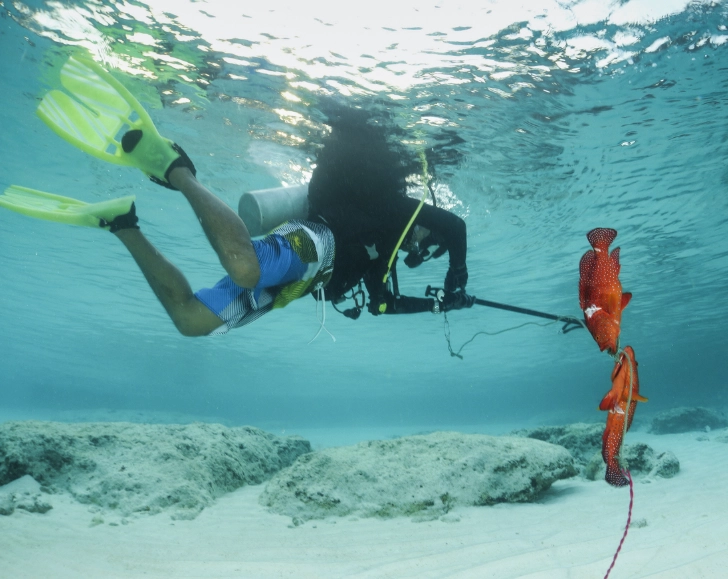
Why Even Start Fishing? (It's More Than Just Fish)
Gearing Up: Your First Fishing Kit (The Budget-Friendly Shopping List)
The Rod and Reel Combo: Your Main Tool
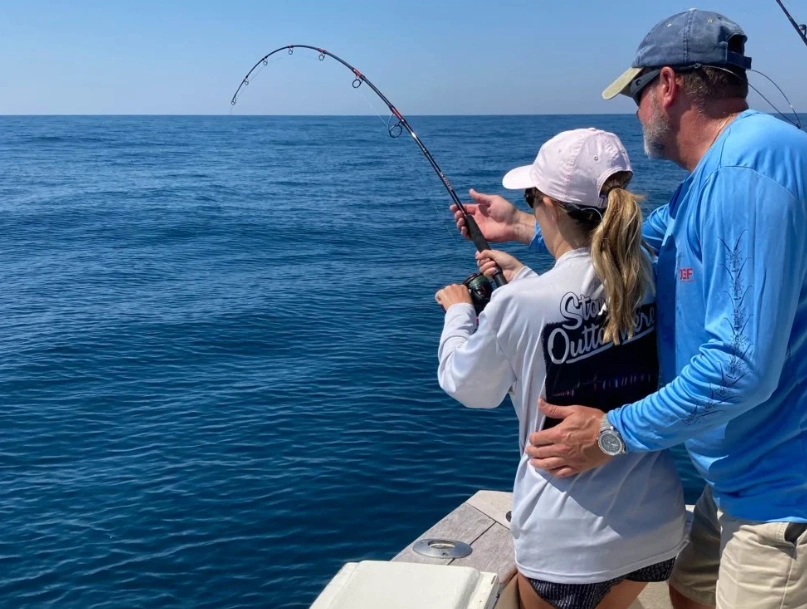
Fishing Line: The Invisible Connection
Hooks, Weights, and Bobbers: The Business End
Bait and Lures: What Tempts the Fish?
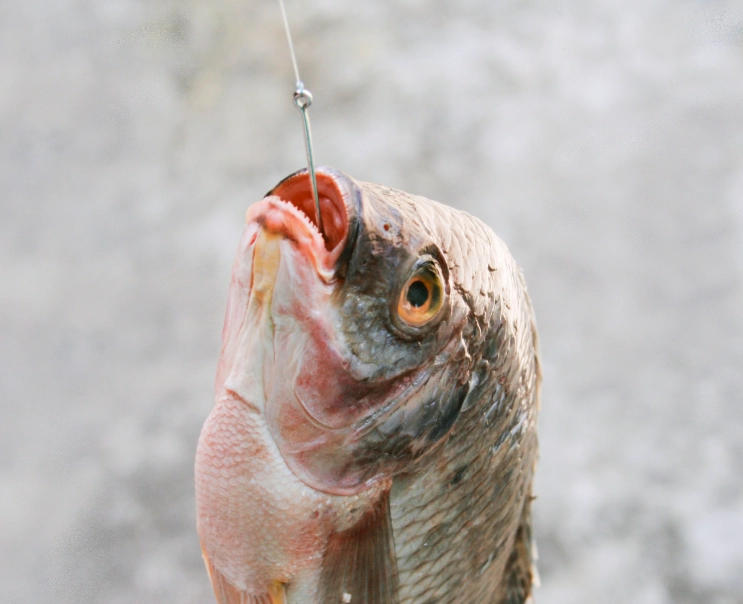
Option
Best For
Ease of Use
Action Required
My Personal Take
Live Worm under a Bobber
Panfish (Bluegill, Sunfish), Perch
Very Easy - Perfect first technique
Just watch the bobber
The most reliable method for a beginner to get bites. Can feel slow if fish aren't active.
Curly Tail Grub
Bass, Walleye, Panfish
Easy - Cast and reel
Constant reeling/retrieving
My go-to "search" lure. Covers water and tells you if fish are around. Less waiting.
Inline Spinner
Trout, Bass, Pike
Easy - Cast and reel
Constant reeling
Great in moving water. Catches aggressive fish. Prone to snagging weeds.
The Extras You Really Do Need
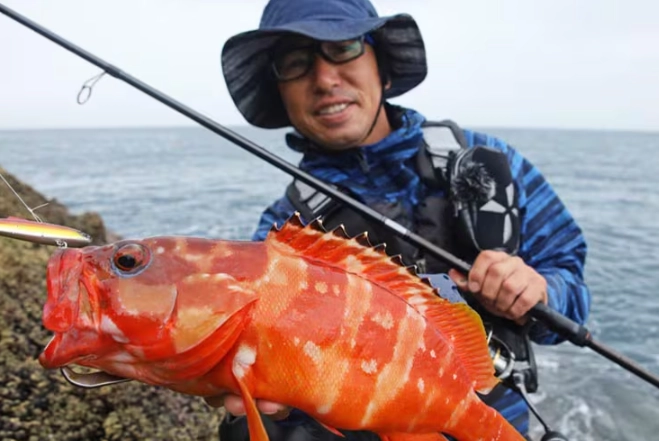
Step-by-Step: Your First Fishing Trip, From Setup to Catch
Step 1: Find Your Spot (Location is Everything)
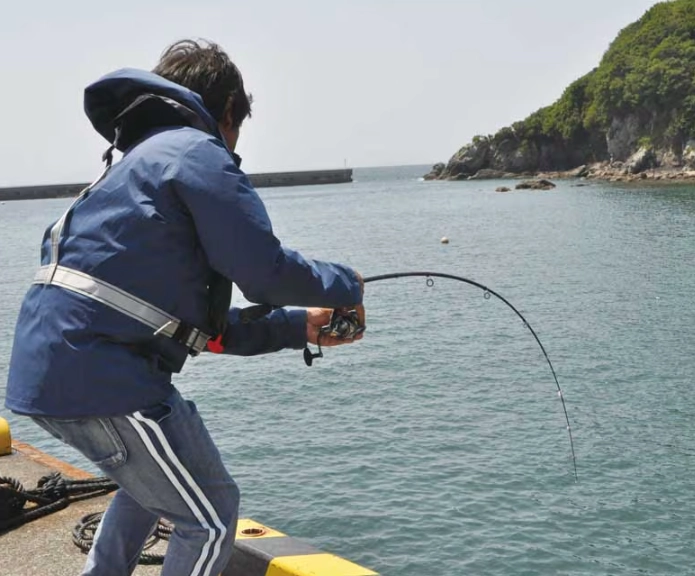
Step 2: Rigging Up – Getting Your Line Ready
Step 3: The Cast – Getting Your Bait Out There
Step 4: Detecting the Bite & Setting the Hook
Step 5: Landing and Handling Your Fish
Common Beginner Questions Answered (Stuff You're Too Embarrassed to Ask)
Taking the Next Steps: From Beginner to Confident Angler