Classic New England Fish Chowder Recipe: Creamy Comfort in a Bowl
Craving a hearty, creamy fish chowder? This step-by-step recipe delivers authentic New England flavor with tips for choosing the best fish and avoiding common mistakes. Learn how to make the ultimate comfort food at home.
Let's be real. Most fish chowder recipes you find online are... fine. They're okay. They'll give you a pot of hot soup with fish in it. But that thick, creamy, soul-warming bowl you get at a seaside shack in Maine? The kind that makes you forget the cold Atlantic wind? That's a different beast entirely. I spent years trying to crack the code, making bland pots and broken sauces, before I finally put together a fish chowder recipe that hits all the right notes. It's not just about throwing fish and potatoes into cream. There's a rhythm to it, a few non-negotiable steps that separate good chowder from great chowder. And the fish you choose? Absolutely critical. Get that wrong, and you might as well be making tuna casserole. This is where most home cooks trip up. You can't just use any old fish fillet from the freezer aisle. The texture and fat content matter immensely for a proper fish chowder recipe. I made the mistake once of using tilapia. Never again. It completely fell apart into mushy, flavorless flakes. A total waste of good potatoes and cream. You want a firm, white-fleshed fish that will hold its shape during a gentle simmer but still absorb all that lovely broth. It should have a mild, sweet flavor that plays well with the dairy and aromatics. My top picks, in order of preference: A quick note on sustainability: Fish populations vary. I always check the NOAA FishWatch website for the latest recommendations on which species are being managed well. It's a government resource, so the info is solid. For example, they often have good news about certain stocks of Atlantic pollock being a smart buy. Pro Tip: Avoid oily fish like salmon or mackerel for this particular chowder. Their strong flavors and darker flesh will completely change the character of the dish, turning your creamy white chowder into something else entirely (which could be delicious, but it's not classic New England style). Save them for a different soup. The base isn't just liquid; it's the soul of the dish. This is where you build layers of flavor that the fish will later swim in. Rushing this step is the second biggest mistake. You start with fat. Not just any fat, but good, salted butter. Then you gently cook your aromatics—onion and celery—until they're soft and sweet, not browned. That sweetness is crucial. Some recipes call for a bit of salt pork or bacon, which adds a wonderful smoky depth. I'm a purist for the butter version, but I won't argue if you add a couple of diced slices of good bacon. Here's a hot take: the best fish chowder recipe uses both. A light roux (cooked butter and flour) gives the broth body and stability. It prevents the soup from separating. But the real secret for that distinct chowder texture? Common oyster crackers, crushed fine, stirred in towards the end. Yes, really. The crackers dissolve and thicken the chowder in a way flour alone can't, giving it a silky, almost porridge-like consistency that clings to the spoon. Don't knock it till you've tried it. It's an old New England trick. Watch Out: If you're making a gluten-free fish chowder recipe, you'll need to skip the flour roux and the crackers. A slurry of cornstarch and cold water can work in a pinch for thickening, but the texture will be different—more glossy than creamy. You could also try blending a portion of the cooked potatoes to thicken the soup naturally. Alright, let's get to it. This isn't a 20-minute meal. Good chowder takes a little time and a lot of patience. But most of it is hands-off simmering time. Melt the butter in a large, heavy-bottomed Dutch oven or soup pot over medium heat. Add the onion and celery with a pinch of salt. Cook, stirring now and then, for about 8-10 minutes until they're completely soft and translucent. You're not looking for color here, just sweetness. Stir in the garlic for the last minute. Sprinkle the flour over the softened vegetables. Stir constantly for about 2 minutes. You're cooking the raw flour taste out, but you don't want the roux to brown. It should look like a pale paste coating everything. Very slowly, whisk in the fish stock or clam juice. Go slow at first to avoid lumps. Once it's all incorporated, add the bay leaves and thyme. Bring the mixture to a gentle simmer. It will thicken noticeably. Add the diced potatoes to the simmering broth. Let them cook, uncovered, for about 12-15 minutes, or until they are just tender when pierced with a fork. Don't let them get mushy! This is a good time to season with a few grinds of black pepper. Go easy on the salt until the end, as the fish stock and crackers will add saltiness. See? Not hard so far. The magic happens next. Gently nestle the chunks of fish into the hot broth. Reduce the heat to low. You want the liquid to barely quiver, not boil. Poach the fish for about 5-7 minutes. It will turn opaque and flake easily. Now, stir in the heavy cream and let it heat through for 2 minutes. Finally, sprinkle in the crushed oyster crackers and stir. The chowder will thicken to its perfect consistency within a minute or two. Now, and only now, do you adjust the final seasoning. Does it need a pinch more salt? A crack of pepper? Fish it out. This fish chowder recipe hinges on balanced seasoning. Remove the bay leaves. Discard them. I've messed up enough chowders to write a book on what not to do. Here's the short version. Over the years, friends and family have asked me every question under the sun about this fish chowder recipe. Here are the ones that come up most often. The basic framework of a fish chowder recipe is a beautiful canvas. Once you've mastered the classic, it's fun to play around. Not a chowder in the creamy sense, but a tomato-based fish soup. Swap the cream and roux for a 28-oz can of crushed tomatoes and an extra cup of broth. Add carrots and green peppers with the onions. It's brighter, tangier, and a totally different experience. Some New Englanders might scoff, but it's delicious in its own right. This is the minimalist version. Often made with just fish, potatoes, onions, salt pork, and water or milk. No cream, sometimes no thickener. It's brothy and highlights the pure flavor of the fish. It's humbler, but incredibly satisfying on a foggy day. Why stop at fish? A classic seafood chowder might include scallops, shrimp, and clams. If you're adding clams, use bottled clam juice as part of your broth for an authentic flavor boost. The FDA's guide to seafood safety is a good resource to check if you're handling a variety of shellfish, especially regarding proper storage and cooking temperatures to avoid foodborne illness. My Favorite Twist: In the fall, I love adding a cup of fresh or frozen corn kernels with the potatoes. It adds a wonderful sweetness and pops of color. A pinch of smoked paprika (not traditional, I know) can also add a subtle warmth that's really nice. This fish chowder recipe makes a complete meal in a bowl, but a few accompaniments can turn it into a feast. So there you have it. More than just a list of ingredients and steps, but the why behind them. The little tricks that make a difference. The goal of any great fish chowder recipe is to create a bowl of comfort that tastes like it has a history. With a bit of care and the right fish, you can absolutely do that in your own kitchen. No seaside shack required.Quick Guide
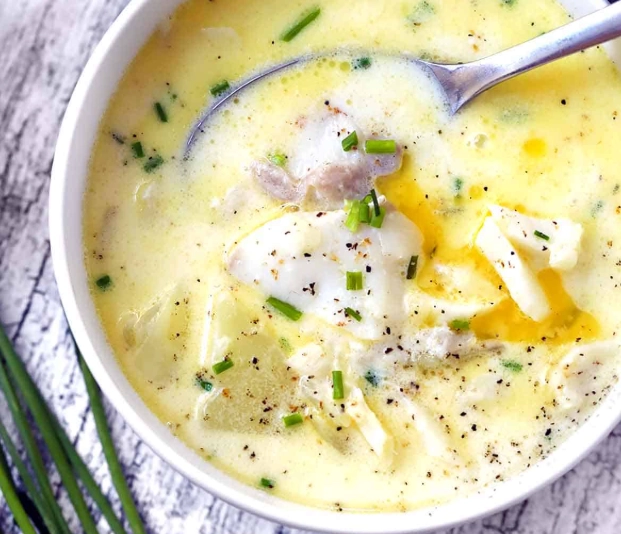
Choosing Your Fish: The Foundation of Flavor
Best Fish for Chowder
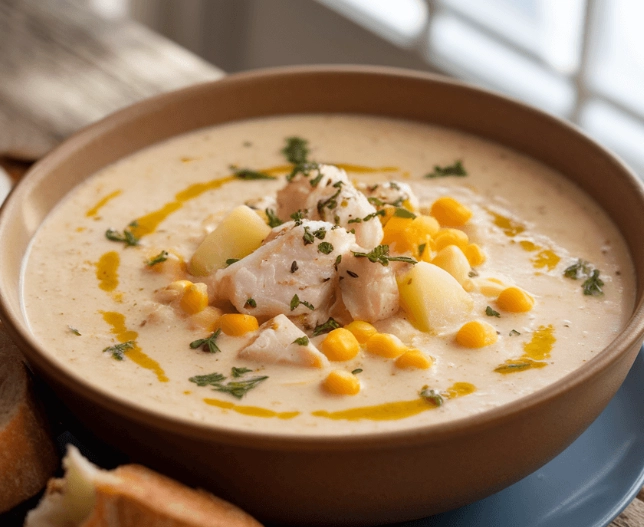
The Anatomy of a Perfect Chowder Base
The Thickening Agent Debate: Roux vs. Crackers
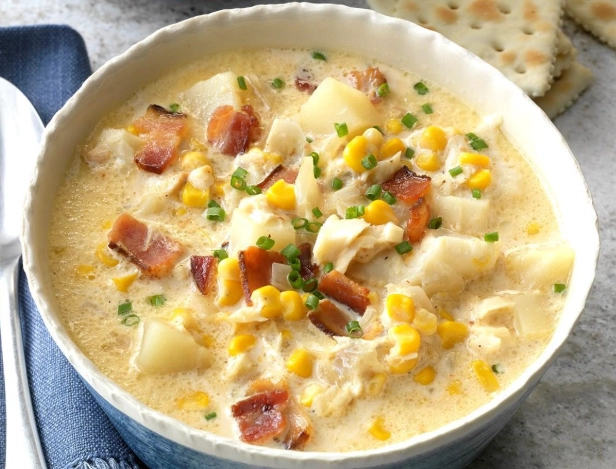
The Step-by-Step Fish Chowder Recipe
Ingredients You'll Need
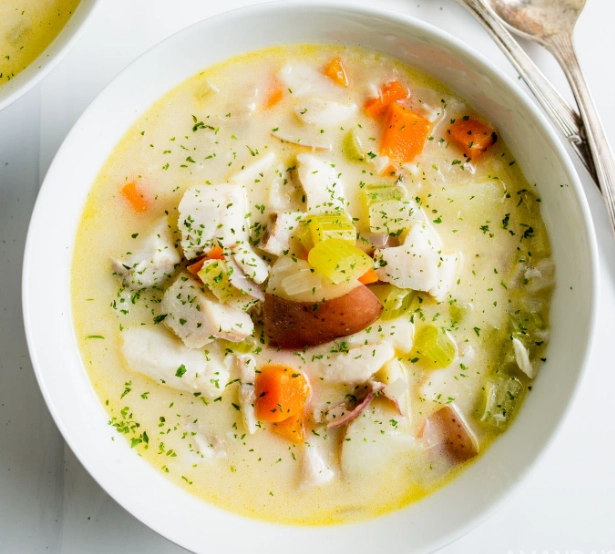
Step 1: Build the Flavor Foundation
Step 2: Make the Roux
Step 3: Create the Broth
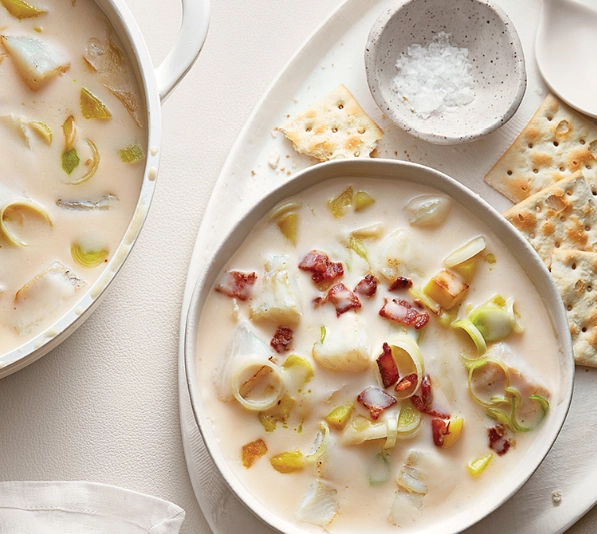
Step 4: Cook the Potatoes
Step 5: The Fish and Final Thickeners
Common Fish Chowder Pitfalls (And How to Avoid Them)
The Problem
What Causes It
How to Fix It / Prevent It
Rubbery, Tough Fish
Boiling the soup after adding the fish. High heat makes fish proteins seize up and squeeze out moisture.
Add fish last, to a gently simmering (not boiling) broth. Turn the heat to low and poach it gently.
Broken or Curdled Cream
Adding cold cream to a very acidic or boiling-hot soup base. The shock can cause it to separate.
Let the soup cool slightly off the heat before stirring in the cream. Use room temperature cream if you can.
Mushy Potatoes
Overcooking them in the initial simmer, or cutting them too small.
Cut potatoes into sturdy, 1/2-inch cubes. Check for doneness early. They should be tender but still hold their shape.
Bland Flavor
Underseasoning, or using a weak, watery store-bought broth.
Season in layers. Use a high-quality fish stock or clam juice. Don't be shy with the black pepper at the end.
Fish Falling Apart
Using a delicate fish (like tilapia or sole), stirring too vigorously after adding the fish, or cooking too long.
Use a firm fish (see list above). Gently place chunks in the broth and don't stir—just shake the pot gently. Cook just until opaque.
Answering Your Fish Chowder Questions
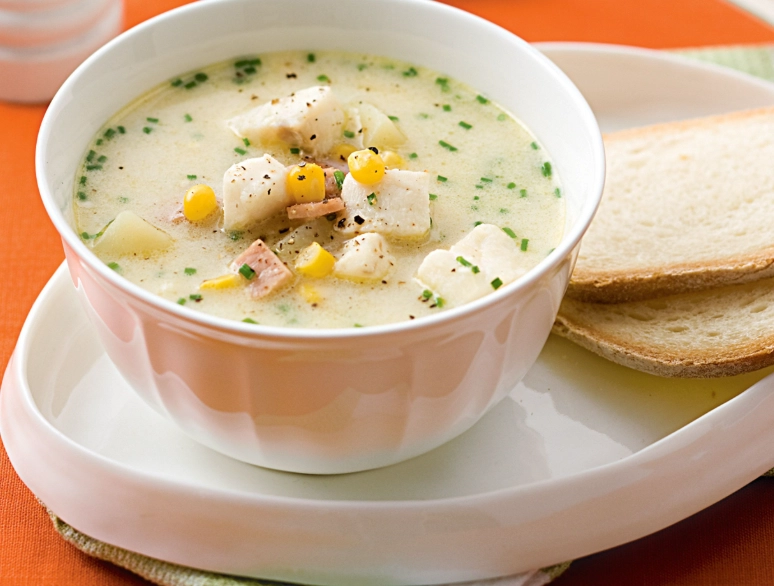
Beyond the Classic: Regional Twists on Fish Chowder
Manhattan-Style "Chowder"
Downeast Maine Style
Adding Other Seafood
What to Serve With Your Homemade Chowder