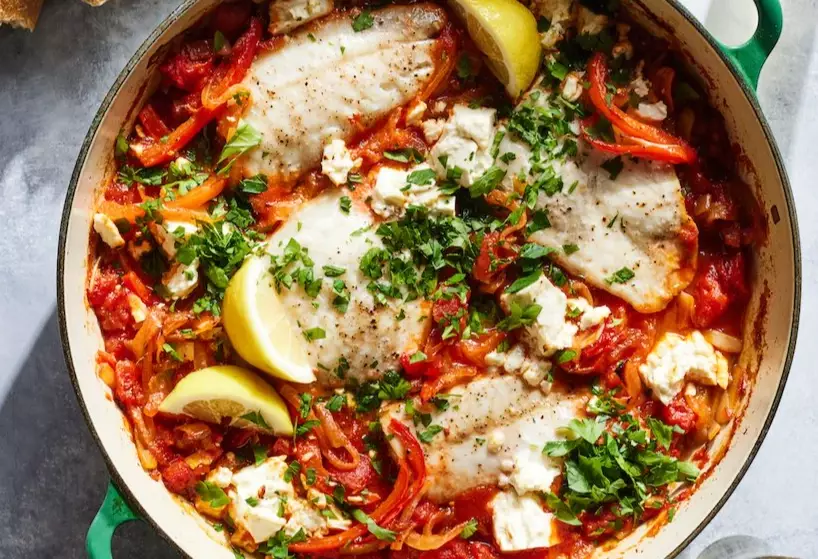
Simple & Healthy Baked White Fish Recipes for Busy Weeknights
Want healthy, foolproof dinners? Discover easy baked white fish recipes with expert tips on choosing fish, perfect cooking times, and delicious flavor combinations. Your guide to never serving dry fish again!
Let's be real for a second. After a long day, the last thing you want is a dinner project that dirties every pan in the kitchen and leaves you wondering if you even cooked it right. I've been there, staring into the fridge, willing something easy to appear. That's where baked white fish recipes swoop in to save the day. They're the unsung heroes of weeknight cooking. Simple, fast, and incredibly forgiving—well, mostly forgiving. We'll get to the "not drying it out" part in a minute. The beauty of baking white fish is that it's a blank canvas. You can go Mediterranean with lemon and herbs, Asian-inspired with ginger and soy, or keep it classic with just a pat of butter and some breadcrumbs. It's all about the technique and knowing your fish. Why bake? It's hands-off. You prep, you pop it in the oven, and you get a few precious minutes back. No splattering oil, no constant flipping. Just gentle, even heat that cooks the fish through without much fuss. It's also one of the healthiest ways to cook fish, needing minimal added fat. This is where most people get tripped up. Not all white fish are created equal, and using the wrong one can lead to a disappointing, dry meal. The term "white fish" is broad—it refers to mild-flavored fish with white flesh. But their textures and fat contents vary wildly. For reliable baked white fish recipes, you want a fillet that's thick enough to stay moist and firm enough to hold its shape. Thin, delicate fillets can turn to mush if you're not careful. My personal disaster story? I once tried to bake super thin sole fillets using a recipe meant for cod. Let's just say it looked more like fish confetti than a proper dinner. Lesson learned: match the fish to the method. Here’s a breakdown of the usual suspects you'll find at the counter. This isn't just a list; think of it as your cheat sheet for picking the right player for the game. See what I mean? Knowing this makes choosing so much easier. For most classic baked white fish recipes, you can't go wrong with cod, haddock, or halibut. They're the forgiving ones. This is the single biggest fear, right? Dry, chalky fish. It's ruined many a good intention. The secret isn't really a secret—it's about temperature and trusting your tools more than your eyes. Stop poking it! Seriously, stop cutting into the fillet to see if it's done. All you're doing is letting the precious juices run out onto the pan. That's moisture you'll never get back. Fish keeps cooking after it comes out of the oven (carryover cooking). So if you wait until it looks totally opaque and flakes easily in the oven, it'll be overdone by the time it gets to the table. You need to pull it out just *before* it's fully done. I know, I know. Another gadget. But trust me on this one. A good instant-read thermometer (like a Thermapen) is a game-changer for proteins, especially fish. It takes the guesswork out completely. Pro Tip: Pat your fish fillets DRY with paper towels before you do anything else. A dry surface gets a better sear if you're starting in a pan, and it allows seasonings and oils to stick better. Wet fish steams instead of bakes. Okay, let's get to the actual cooking. These three approaches cover probably 90% of what you'll ever need. Master these, and you can improvise forever. This is your go-to, your Tuesday night special. It's bright, fresh, and lets the flavor of the fish shine through. How to do it: Place your fillets (cod or haddock work great) on a parchment-lined baking sheet. Drizzle with good olive oil. Season generously with salt and black pepper. Lay thin slices of lemon on top and scatter a handful of fresh herbs—dill, parsley, or thyme are perfect. Bake at 400°F (200°C) until it hits that 135°F internal temp. Time depends on thickness, but start checking at 10 minutes for a 1-inch thick fillet. Why parchment? Easy cleanup. Foil works, but fish can sometimes stick to it. For when you want some crunch. This is a crowd-pleaser, especially for anyone who's a bit skeptical about "plain fish." How to do it: Mix together panko breadcrumbs, finely grated Parmesan cheese, a bit of melted butter or olive oil, garlic powder, paprika, salt, and pepper. Pat this mixture onto the top of your fish fillets (any firm white fish works). The topping creates a protective crust that locks in moisture. Bake at 425°F (220°C) until the topping is golden brown and the fish is cooked through. The higher heat helps the crumbs crisp up. I use this trick all the time. It makes the fish feel more substantial and turns a simple bake into something a bit special. My kid, who used to turn his nose up at fish, will devour this version. Sounds fancy, is actually the easiest and most foolproof method of all. You're creating a little steam packet. The fish essentially steams in its own juices along with whatever flavors you add. How to do it: Take a large piece of parchment paper or foil. In the center, place a bed of thinly sliced vegetables (zucchini, bell peppers, fennel). Place your fish fillet on top. Add flavorings—lemon slices, fresh herbs, a splash of white wine or broth, a few cherry tomatoes. Fold the parchment over and crimp the edges tightly to seal. Bake at 375°F (190°C) for about 15-18 minutes. You bring the packet to the table and cut it open—the aroma is incredible, and cleanup is zero. This is the ultimate no-fail technique for baked white fish recipes. It's almost impossible to dry out. Once you have the basic methods down, you can travel the world from your kitchen. Here are some of my favorite combos. Think of this as a choose-your-own-adventure guide. Mediterranean: Olive oil, lemon, Kalamata olives, cherry tomatoes, capers, oregano. Maybe a few thin slices of potato underneath. Asian-Style: A glaze of soy sauce, honey, minced ginger, and garlic. Sprinkle with sliced scallions and sesame seeds after baking. Mexican/Lime-Cilantro: Rub with chili powder, cumin, and garlic powder. Bake, then top with a fresh salsa of diced avocado, tomato, red onion, lime juice, and lots of cilantro. Perfect for fish tacos. French "Meunière" Style: Bake simply, then while the fish rests, melt butter in a pan until it foams and turns nutty brown (beurre noisette). Stir in chopped parsley and a big squeeze of lemon juice. Pour this over the fish. Heaven. A perfect piece of fish deserves good company. You want sides that complement, not overpower. This is something I've become more mindful of over the years. We want to enjoy these baked white fish recipes for a long time to come, right? Some fish populations are under pressure. Making a sustainable choice is easier than you think. Look for certifications like the Marine Stewardship Council (MSC) blue fish label. Ask your fishmonger where the fish is from and how it was caught. Resources like the Monterey Bay Aquarium Seafood Watch are fantastic—they have regional guides and apps that tell you the best choices. Often, pollock or Alaskan cod are more sustainable options than some others. It's a small step that makes a big difference. So there you have it. Baking white fish isn't some mysterious culinary art. It's a straightforward, healthy, and delicious way to get dinner on the table without the stress. Armed with these baked white fish recipes and tips—knowing your fish, trusting a thermometer, and experimenting with flavors—you're all set. Forget the fear of dry, boring fish. Your new, easy, flavorful weeknight staple is waiting. Now go preheat that oven. Dinner's gonna be good.Quick Navigation
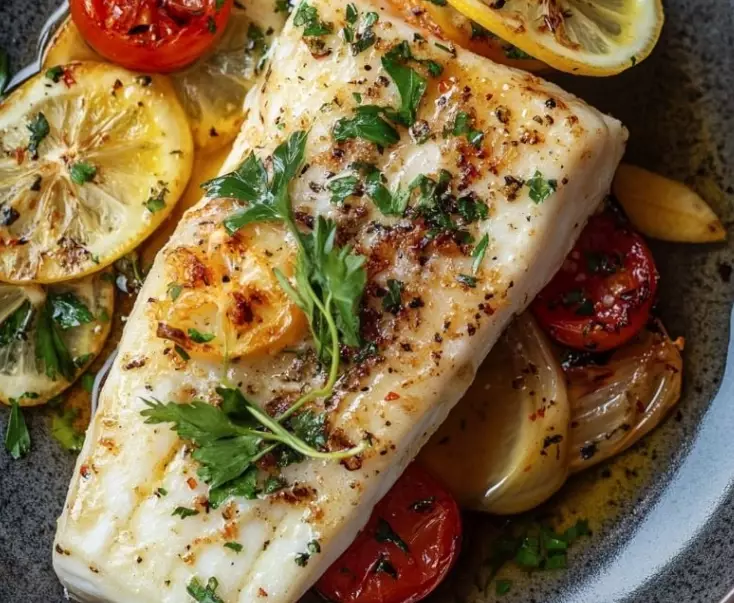
First Things First: Picking Your White Fish
The Best White Fish for Baking (A Quick Rundown)
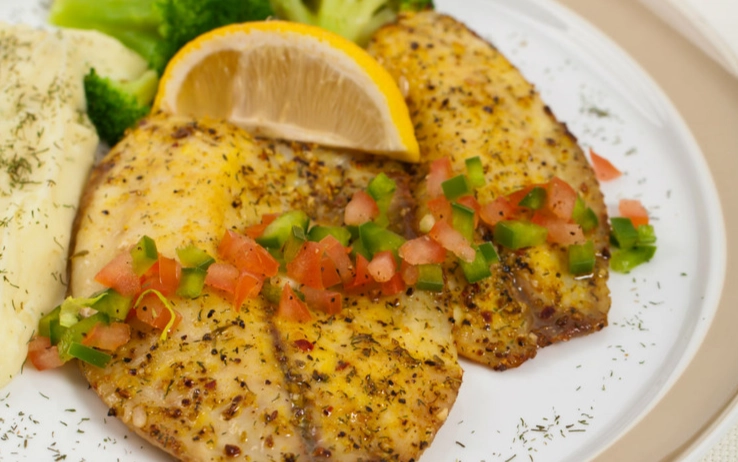
Fish Type Texture & Flavor Best For... My Honest Take Cod Firm, large flakes, very mild taste. Beginners, heavy sauces, breadcrumbs. The workhorse of baked white fish recipes. Super reliable, but can be bland on its own. Needs seasoning love. Haddock Similar to cod, slightly sweeter, flakes a bit finer. All the same uses as cod. A great alternative. Sometimes I prefer it over cod—it feels a bit more delicate. Halibut Very firm, steak-like, moist, mild flavor. Simple preparations where the fish is the star. Can handle high heat. The luxury option. More expensive, but almost impossible to mess up. Worth it for a treat. Sea Bass (Chilean) Buttery, rich, moist, with large flakes. Elegant, simple dishes. Just olive oil, salt, and maybe some herbs. Delicious, but check sustainability. Can be pricey. Tilapia Very mild, thin fillets, lean. Quick bakes, tacos, strong flavor pairings. Cooks fast. Affordable and easy to find, but be careful—it overcooks in a blink. Not my first choice for a classic bake. Pollock Mild, soft texture, smaller flakes. Budget-friendly meals, fish cakes, recipes with lots of moisture (like a tomato sauce). A good value pick, but the texture can be a bit soft for some. Great in a saucy bake. The Golden Rule: How to NOT Overcook Your Fish
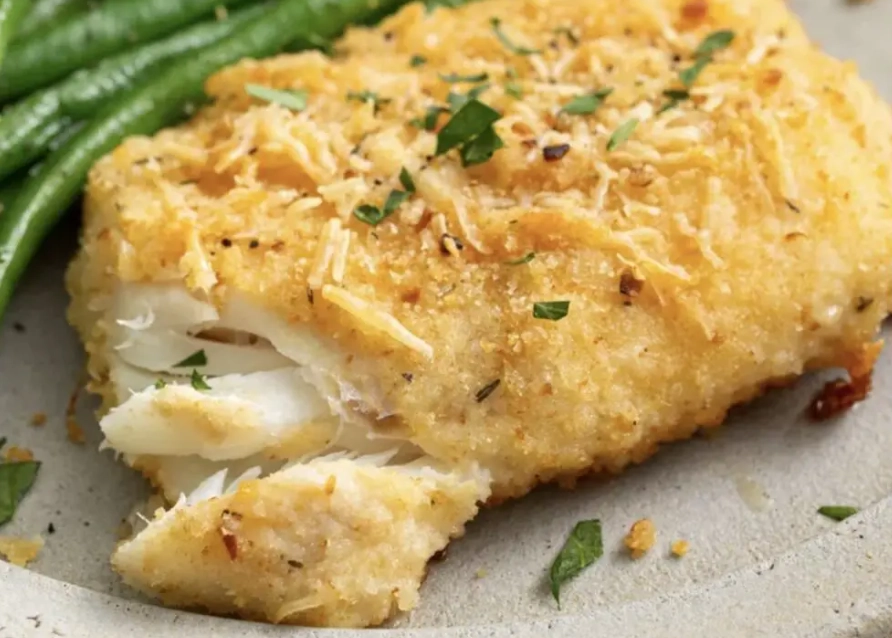
Your New Best Friend: The Instant-Read Thermometer
Foundational Baked White Fish Recipes: Three You Should Master
The Classic Lemon-Herb Bake
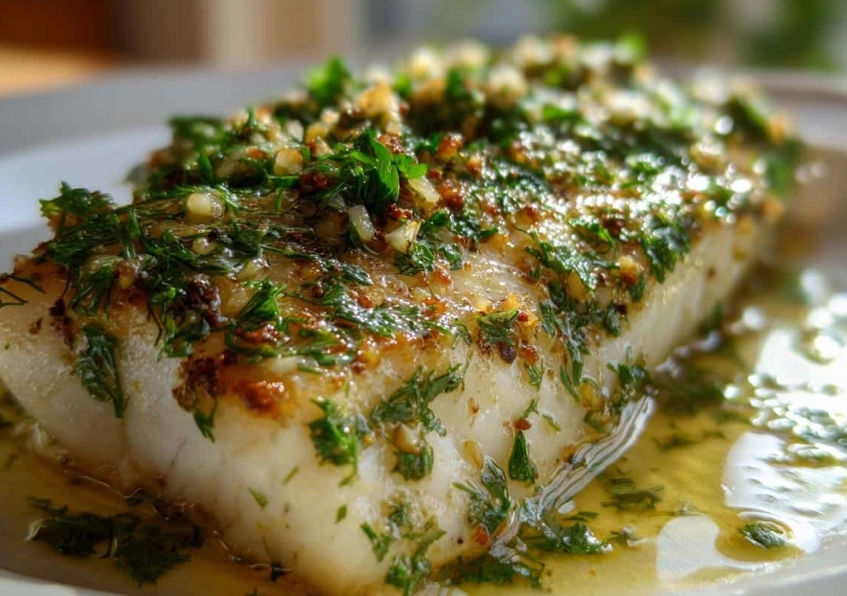 Simple doesn't have to mean boring.
The Crispy Parmesan-Panko Topped Bake
The "En Papillote" (In Parchment) Method
Flavor World Tour: Mix and Match Your Way
Answering Your Fishy Questions (FAQ)
Making It a Meal: What to Serve Alongside
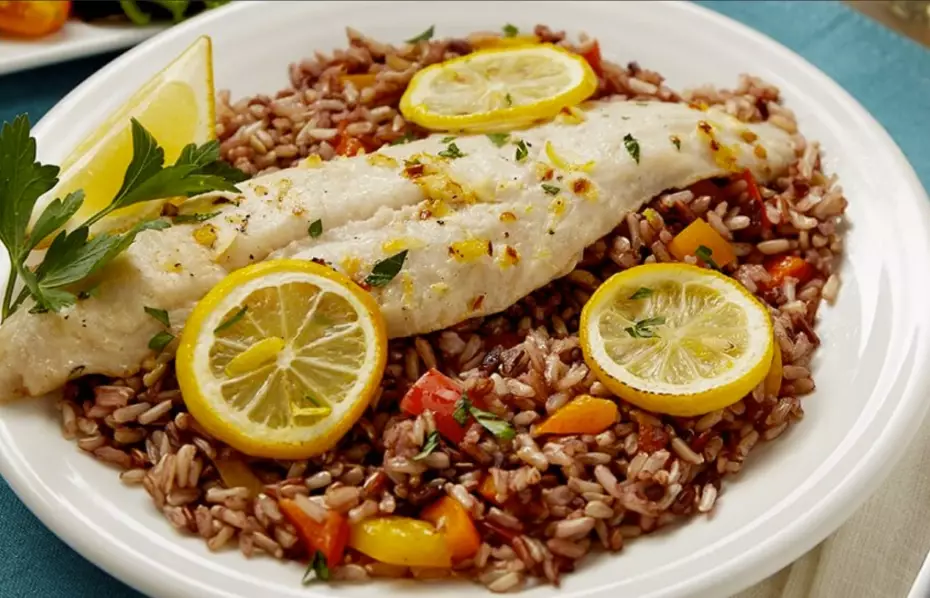 See? Dinner doesn't have to be complicated.
A Parting Thought on Sustainability