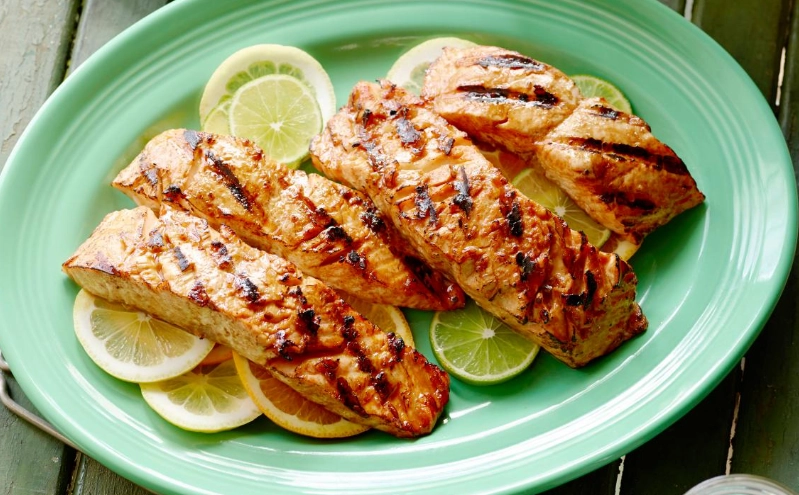
Ultimate Guide to Grilled Salmon Recipes: Easy, Healthy & Flavorful
Looking for the best grilled salmon recipes? Discover easy, healthy, and flavor-packed methods for perfect grilled salmon every time, including marinades, cooking tips, and common mistakes to avoid.
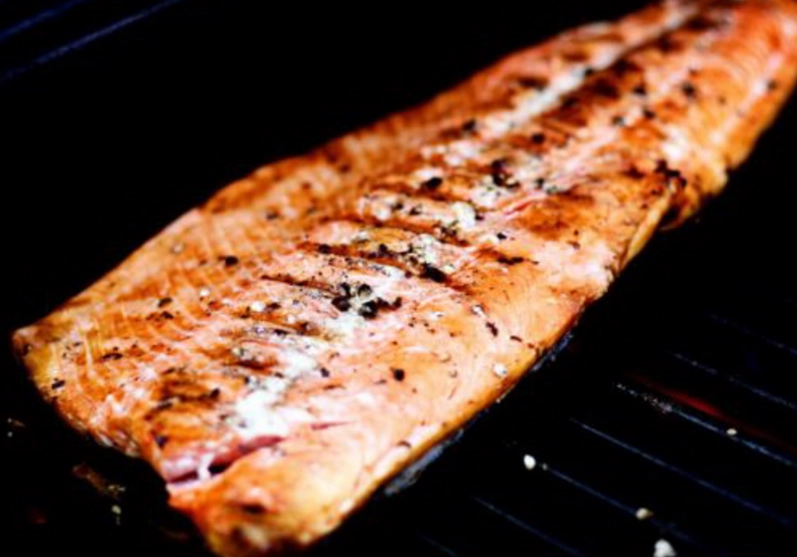
Let's be honest. Grilling salmon can feel intimidating. You're worried about it sticking to the grates, falling apart, or worse – coming out dry and flavorless. I've been there. I remember my first attempt ended with half the fillet cemented to the grill and a genuine feeling of defeat. But here's the thing: once you get the hang of it, grilled salmon becomes one of the easiest, fastest, and most impressive things you can make. Why does everyone love grilled salmon recipes so much? It's not just hype. Salmon is a powerhouse. It's packed with omega-3s, cooks in minutes, and takes on flavors like a dream. Whether you're after a quick weeknight dinner or the star of your summer BBQ, mastering the grill is the key. This guide isn't about fancy, complicated chef techniques. It's about giving you the straightforward, tested info you need to nail it every single time. You can't talk about great grilled salmon recipes without talking about the salmon itself. Walk into a store and you'll see a dozen options. What's the difference? Does it even matter? It matters more than the marinade sometimes. The type of cut and variety you choose sets the stage for your whole cook. For grilling, I am firmly Team Fillet, and here's why. Fillets are boneless, skin-on or skin-off slices cut from the side of the fish. They cook evenly, present beautifully, and are easy to manage. Steaks are cross-section cuts that include the backbone. They look cool and rustic, but that bone makes flipping tricky and eating a bit more work. If you're a beginner, go with a fillet. It's more forgiving. Now, about that skin. Leave it on. Seriously. Even if you don't plan to eat it, the skin acts as a natural barrier between the delicate flesh and the hot grill grates. It protects the fish from sticking and helps it hold together. You can always remove it after cooking if you want. For skin-on fillets, you'll get that incredible, crispy skin that's a treat in itself. This is where opinions get strong. Wild-caught salmon (like Sockeye, Coho, or King) tends to have a deeper, more robust flavor and a firmer texture. It's also leaner. Farm-raised Atlantic salmon is more common, often has a higher fat content (which can mean more flavor and a buttery texture), and is usually more affordable and available year-round. My take? For a regular Tuesday night, a good quality farm-raised fillet works perfectly fine and will be delicious. For a special occasion, splurge on a wild Sockeye. The key is to look for sustainability. Check resources like the Monterey Bay Aquarium Seafood Watch for their latest recommendations. It's a trusted, science-based source that helps you make a good choice. This is the fun part. The flavor-building phase. A good marinade or dry rub can transform your salmon from simple to spectacular. But first, a non-negotiable step: pat it dry. Use paper towels and really get the surface moisture off. This is secret weapon number one against sticking and helps the skin crisp up. You don't need a pantry full of exotic ingredients. Some of the best grilled salmon recipes use what you already have. Here are my three go-to bases. See? Simple. The lemon-herb is my weeknight hero. The Asian glaze is what I make when I want to impress guests. And the spice rub is for when I realize I forgot to marinate anything and dinner is in 20 minutes. What about just salt and pepper? Absolutely. A high-quality salmon with just a sprinkle of flaky sea salt and cracked pepper, a drizzle of oil, is a beautiful thing. It lets the natural flavor of the fish shine. This is the moment of truth. All your prep leads here. The biggest mistakes happen on the grill, but they're all easily avoidable. If you only remember one thing from this guide, let it be this: use high direct heat to start, and have a cooler zone ready. Here's what I mean. For a gas grill: Preheat all burners on high for 10-15 minutes with the lid closed. Then, turn off one burner (or set it to low if you have more than two). You now have a hot zone and a cool zone. For a charcoal grill: Push your hot coals to one side of the grill, leaving the other side empty. Same principle. Why? You'll start the salmon over the high heat to get grill marks, crisp the skin, and create flavor. If it starts cooking too fast or the outside is done before the inside, you can move it to the cool zone to finish gently without burning. This is a game-changer. Forget cutting into it to check. You'll lose all those precious juices. Use these methods instead: Resting is crucial. Let the salmon sit on a plate for 5 minutes after grilling. The fibers relax, the juices redistribute. It makes a huge difference in texture. Okay, so you've mastered the direct-grill method. Want to play? These techniques solve specific problems and add fun twists to your grilled salmon recipe repertoire. Soaking a cedar plank and cooking the salmon on top of it is a classic for a reason. The plank smolders, infusing the fish with a subtle, smoky woodsy flavor that's impossible to get otherwise. It also completely eliminates the stick-and-flip anxiety because the fish never touches the grates. The downside? You need to plan ahead to soak the plank (for at least an hour), and it's a slower, more gentle cook. Perfect for a lazy weekend. This is the ultimate easy-cleanup, no-fuss method. Place your seasoned salmon and some veggies (like asparagus, zucchini, or cherry tomatoes) on a large piece of heavy-duty foil. Drizzle with oil, seal the packet tightly, and throw it on the grill. The salmon steams in its own juices, staying incredibly moist. You lose the crispy skin and grill marks, but you gain foolproof tenderness and a complete meal in a packet. It's a family favorite. A great piece of grilled salmon deserves a great supporting cast. You want sides that complement, not compete. The goal is balance. If your salmon has a bold Asian glaze, maybe pair it with simple steamed jasmine rice and quick-pickled cucumbers. If it's a simple lemon-herb salmon, you can go bigger with the sides. It happens to everyone. Let's troubleshoot. So, after all this, what's my absolute simplest, no-fail method for a weeknight? Here it is: That's it. No fuss, no complicated ingredients. Just great technique leading to perfectly cooked, flavorful fish. The world of grilled salmon recipes is huge, but it doesn't need to be complicated. Start with the basics. Master the heat management and the flip. Get comfortable. Then start playing with flavors – a spicy jerk rub, a tangy mustard-dill sauce, a teriyaki glaze. The grill is your friend, not your enemy. And the reward – a delicious, healthy, impressive meal that comes together in minutes – is absolutely worth conquering that initial fear. Now go fire up that grill. You've got this.Your Grilling Roadmap
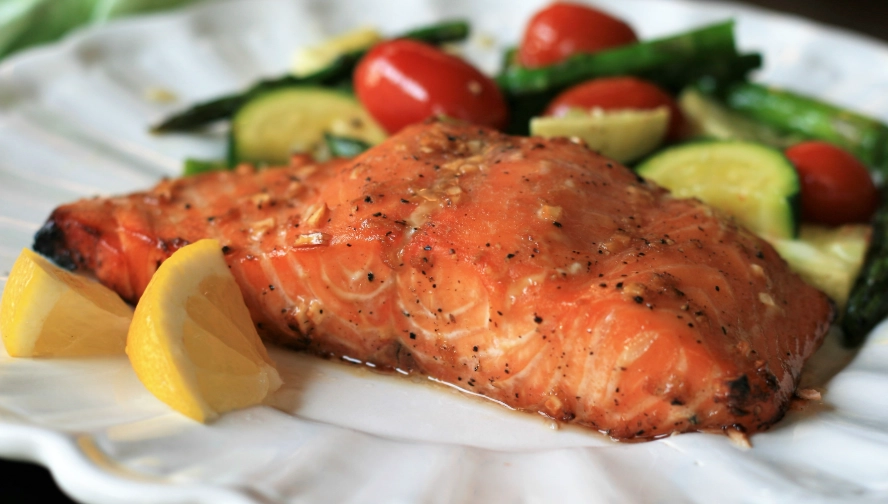
Picking Your Player: It All Starts with the Right Salmon
Fillets vs. Steaks: The Great Debate
Wild-Caught vs. Farm-Raised: A Quick Reality Check
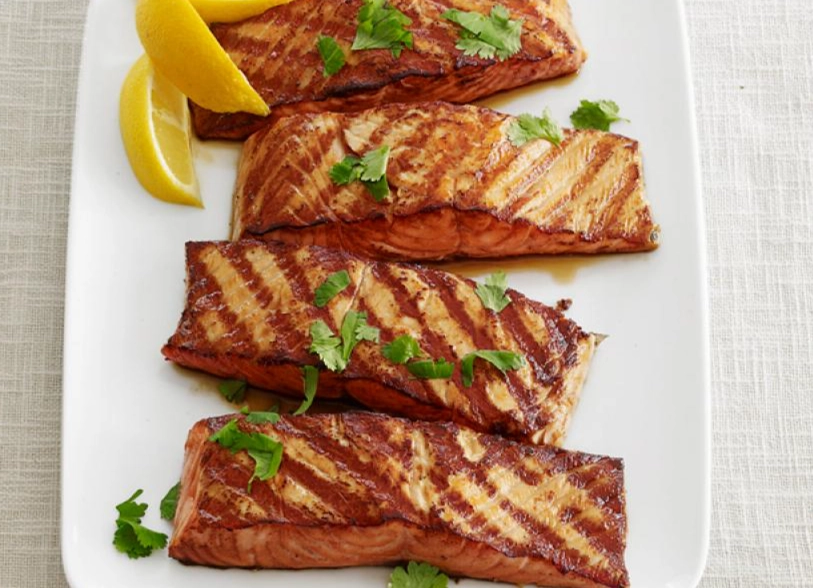
Getting Grill-Ready: Prep and Marinade Magic
Three Can't-Miss Flavor Profiles
Style
Key Ingredients
Marinate Time
Best For
The Classic Lemon-Herb
Olive oil, lemon zest & juice, minced garlic, chopped dill or parsley, salt, black pepper.
15-30 mins
A bright, fresh, crowd-pleasing flavor that never gets old.
The Asian-Inspired Glaze
Soy sauce (or tamari), sesame oil, honey or maple syrup, grated ginger, minced garlic, a splash of rice vinegar.
20-40 mins
Sweet, salty, umami-packed with a gorgeous caramelized finish.
The Mediterranean Spice Rub
Olive oil, smoked paprika, dried oregano, cumin, onion powder, salt, lemon juice.
10 mins (or up to 1 hour)
A dry rub that creates a flavorful crust. No waiting required.

Conquering the Grill: Heat, Time, and the Art of the Flip
Setting Up for Success: Direct vs. Indirect Heat
The Step-by-Step Grill Session
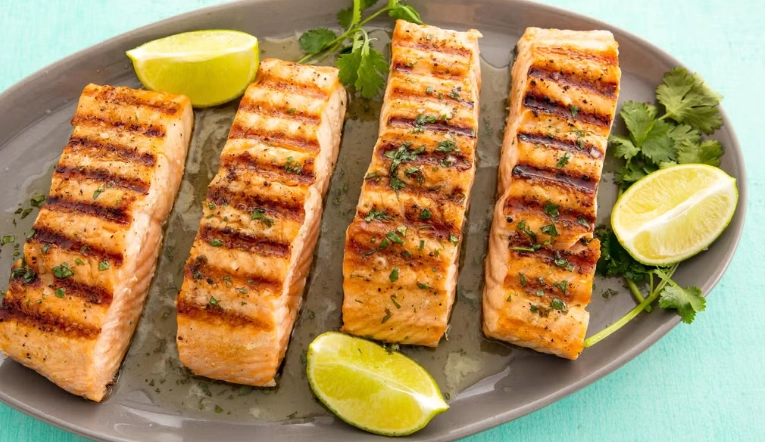 The sound of that first confident flip, with no sticking, is deeply satisfying.
How Do You Know When It's Done?
Beyond the Basic Fillet: Cedar Planks, Foil Packets & More
Cedar Plank Grilling
Foil Packet ("Hobo Pack") Grilling
What Goes With It? Side Dishes That Shine
Fixing Common Grilled Salmon Disasters
Problem
Likely Cause
How to Fix It Next Time
Sticking to the grates
Grill not hot enough, grates not clean/oiled, fish moved too soon.
Preheat thoroughly, clean and oil grates right before cooking, let the fish sear and release naturally (3-5 min minimum before checking).
Dry, overcooked salmon
Cooked too long, heat too high throughout, didn't rest.
Use a thermometer, utilize the cool zone, pull at 135-140°F, let rest for 5 min.
Fish falling apart
Overcooked, flipped too early/roughly, skin removed before cooking.
Cook skin-on for structural support, ensure a good sear before flipping, use a proper spatula.
Bland flavor
Not enough seasoning, poor-quality fish.
Salt adequately (even just salt and pepper), use a marinade or rub, buy the best quality you can afford.
Burnt outside, raw inside
Heat too high, no cool zone available.
Set up your grill with two heat zones. Sear over high, then move to low to finish.
Answers to the Questions You're Actually Searching For
Wrapping It Up: Your New Go-To Method