Perfect Pan-Fried Trout Recipe: Crispy Skin, Flaky Fish in 20 Minutes
How do you pan fry trout perfectly with crispy skin and tender flesh? This foolproof, step-by-step recipe reveals chef secrets for a restaurant-quality meal in under 20 minutes, covering everything from selecting the fish to the perfect side dishes.
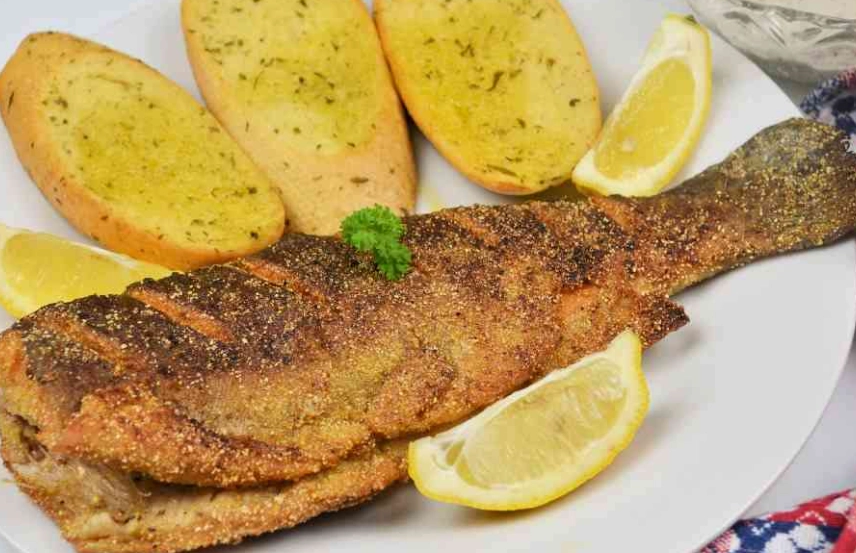
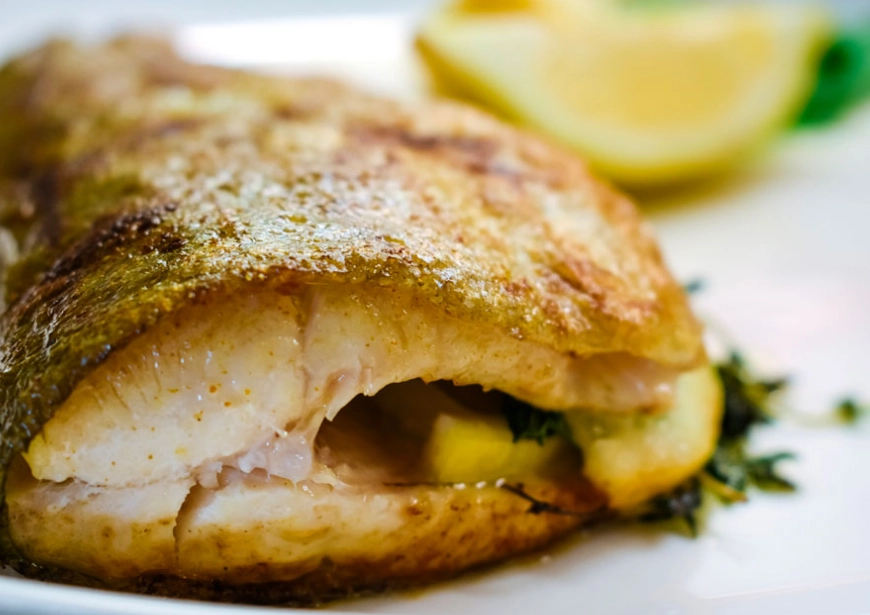
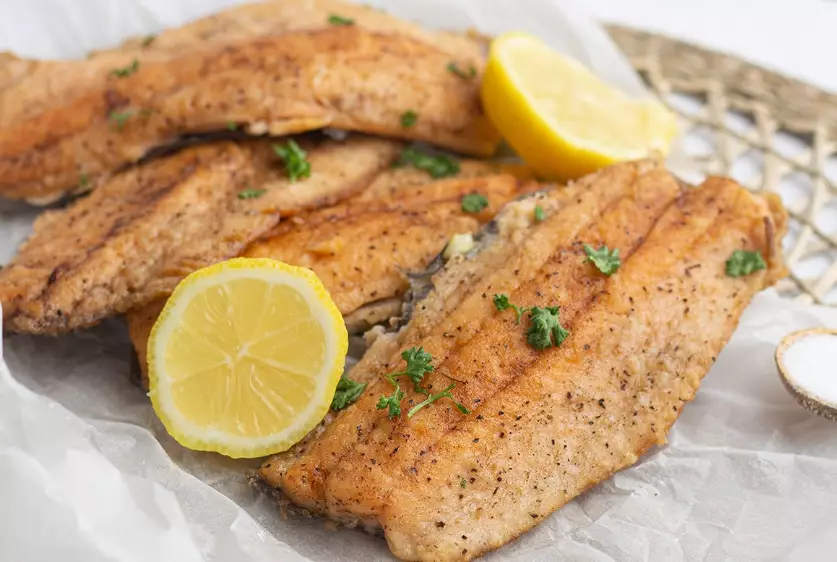
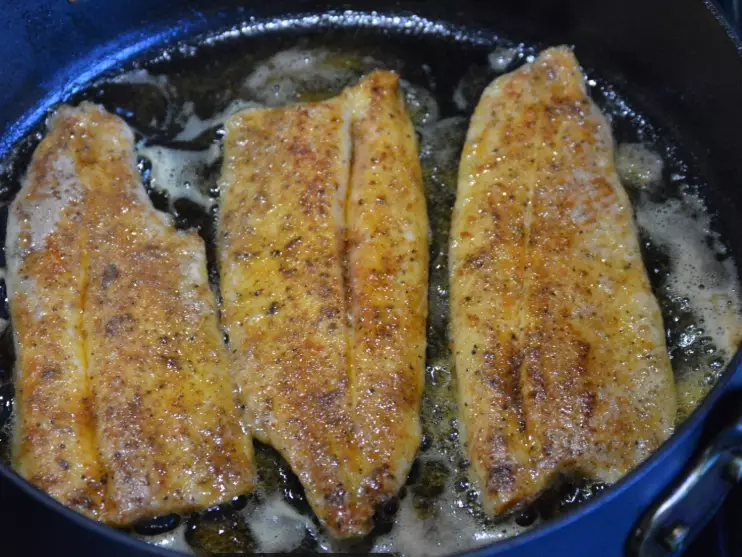
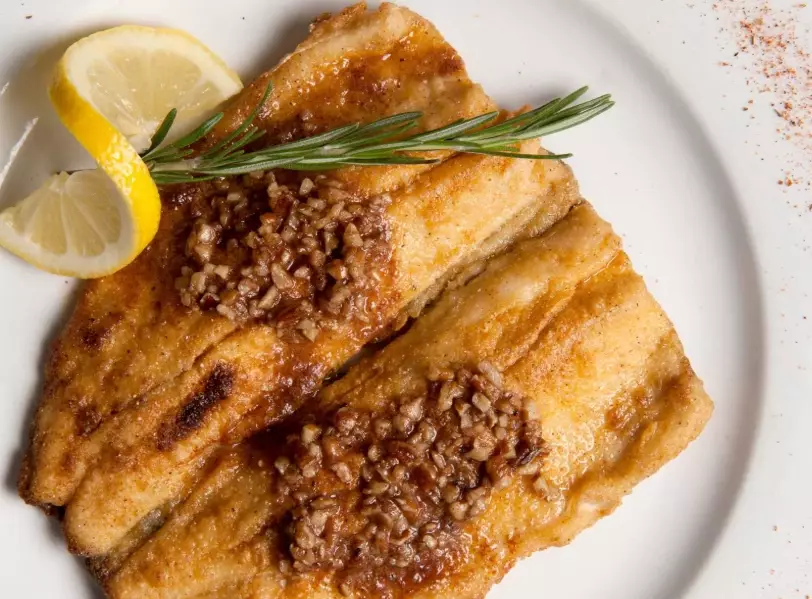
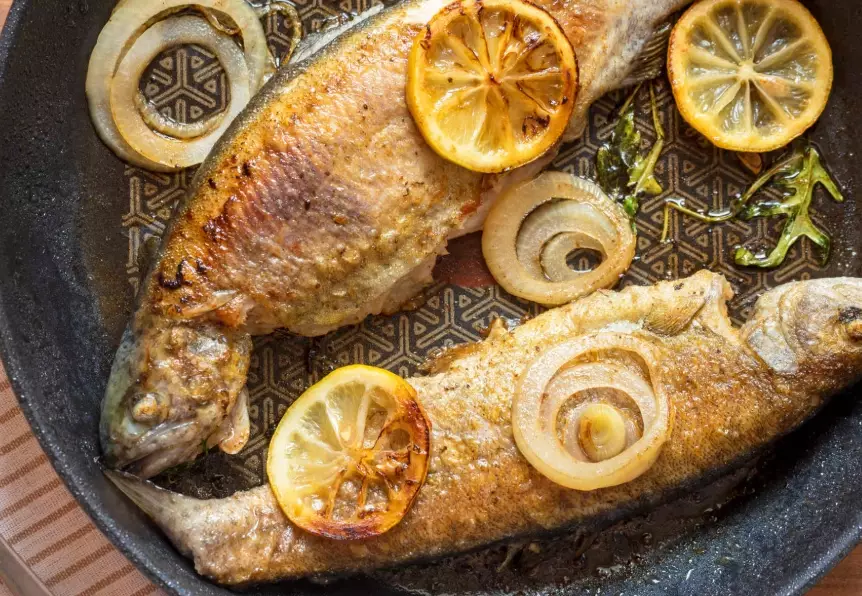
Let's be honest. The idea of cooking fish at home scares a lot of people. You picture a smelly kitchen, fish sticking to the pan in a million pieces, and a sad, soggy dinner. I get it. I've been there. My first attempt at pan-frying trout was a disaster – the skin fused to my cheap non-stick pan like it was welded on, and the flesh was dry as cardboard. But that's exactly why I'm writing this. A perfect pan-fried trout recipe isn't some mysterious chef's secret. It's a simple, fast, and incredibly satisfying technique that anyone can master. When you get it right, you get this magical contrast: skin so crisp it shatters like a potato chip, giving way to moist, tender, flaky flesh that's packed with flavor. And the best part? It's a 20-minute meal, start to finish. This isn't just a list of ingredients and steps. I want to walk you through the why behind each move, share the mistakes I made so you don't have to, and give you all the little tweaks that take this from good to "wow, did I really make this?" We're going to cover everything – picking the fish, the one tool that makes all the difference, side dish pairings, and answers to all those nagging questions. Let's turn that kitchen fear into a weeknight victory. Before we even get to the pan, let's talk about the star. Trout, especially rainbow trout, is the ideal candidate for pan-frying, and here's why. First, its flavor is mild and slightly nutty, not overly "fishy," which makes it a crowd-pleaser, even for folks who are skeptical about seafood. Second, its flesh is firm yet tender. It holds together well in a hot pan, unlike more delicate fillets that can fall apart. Third, it's sustainable and widely available, often sold as boneless fillets with the skin on – and that skin is the golden ticket. You might wonder about salmon. Sure, you can pan-fry salmon. But trout is leaner, cooks even faster, and in my opinion, its crispier skin is superior. It's the underdog of the fish world, and it deserves this spotlight. Simplicity is key here. You don't need a pantry full of exotic spices. The goal is to highlight the natural flavor of the fish, with a few additions to enhance, not overwhelm. See? Nothing crazy. The quality of your trout is the most important ingredient. Look for firm, moist fillets with a shiny, metallic skin and a clean, fresh smell (not fishy). If you're unsure about sourcing sustainable seafood, a quick check on the NOAA FishWatch website can point you in the right direction. You can have the best fish and the best intentions, but if your pan is wrong, you're fighting a losing battle. Forget flimsy non-stick pans for this job. They can't handle the high heat needed for true crispiness without damaging the coating. You need a heavy-bottomed skillet. I'm talking about cast iron or carbon steel. Why? They retain and distribute heat incredibly evenly, preventing hot spots that burn part of the fish while the rest is undercooked. They also get searingly hot, which is what creates that instant crust on the skin. A stainless steel skillet is a decent second choice, but you'll need to be more confident with your heat management. My trusty 10-inch cast iron skillet is my MVP for this pan-fried trout recipe. It's virtually indestructible and gives me perfect results every single time. Okay, ingredients are gathered, pan is ready. Let's cook. Follow these steps in order – they're designed to set you up for success. Take your trout fillets out of the fridge about 15 minutes before cooking. Pat them bone-dry with paper towels. I mean, really dry. Moisture is the enemy of crisp skin. Then, using a very sharp knife, score the skin. Make 3-4 shallow diagonal cuts, just through the skin, not into the flesh. This prevents the fillet from curling up in the pan as the skin contracts. Season both sides generously with salt and pepper. Don't be shy. For the skin side, I literally press the salt crystals into it. Let them sit for 5 minutes – you'll see moisture bead up on the skin. Pat it dry again. This double-dry method is a game-changer. Place your heavy skillet on the stove over medium-high heat. Let it get hot for a good 2-3 minutes. Add your oil and swirl it to coat the bottom. You want the oil to be shimmering and just starting to whisper a tiny wisp of smoke. If it's smoking aggressively, it's too hot. If it's not shimmering, it's not hot enough. This is the sweet spot. Lay the trout fillets in the pan, skin-side down. Do this gently, laying them away from you to avoid oil splatter. You should hear an immediate, confident sizzle. That's the sound of success. Now, here's the hard part: walk away. Do not poke it. Do not try to move it. Do not lift a corner to peek. Let the magic happen. For a standard 1-inch thick fillet, this will take about 4-5 minutes. The fish will cook about 80% of the way through from the skin side alone. You'll know it's ready when you can see the cooked flesh turning opaque about three-quarters of the way up the sides of the fillet. Slide a thin, flexible spatula (a fish spatula is perfect) under the fillet. It should release from the pan effortlessly if the skin is properly crisped. If it resists, give it another 30 seconds. Flip it over to the flesh side. The skin should be a gorgeous, deep golden brown and uniformly crisp. Reduce the heat to medium. Add your butter and any aromatics (like garlic and thyme) to the pan now. Let the fillet cook on the flesh side for just 1-2 minutes, while you baste the top with the foaming butter using a spoon. This infuses incredible flavor. The fish is done when it flakes easily with a fork at its thickest part, or when an instant-read thermometer reads 135-140°F (57-60°C) in the center. The USDA recommends 145°F for safety, but carryover cooking will get you there if you pull it at 140°F. Transfer the trout to a warm plate, skin-side up (so it stays crisp!). Let it rest for 2-3 minutes. This allows the juices to redistribute, ensuring every bite is moist. Squeeze fresh lemon juice over the top, sprinkle with fresh herbs, and serve immediately. I've made most of these, so learn from my pain. This dish is so versatile. Here are my favorite pairings, from simple to a bit more involved. Once you've mastered the basic technique, it's fun to experiment. Here are a few simple twists on the classic pan-fried trout recipe. But you know what? The simple version, with just salt, pepper, and lemon, is often the best. It lets the quality of the trout shine. So there you have it. The ultimate guide to a no-fail, absolutely delicious pan-fried trout recipe. It boils down to a few non-negotiable principles: start with dry fish, use a blazing hot, heavy pan, season well, and have the patience to let that skin sear without disturbance. This isn't a fussy, restaurant-only dish. It's a quick, healthy, and impressive meal you can make on a busy Tuesday. The next time you see those beautiful trout fillets at the market, grab them with confidence. You've got this. Heat the pan, pat the fish dry, and listen for that sizzle. Your perfect dinner is about 20 minutes away.In This Guide: Master Pan-Fried Trout
Why Trout? And Why Pan-Fry It?
What You'll Need for This Pan-Fried Trout Recipe
The Foundation (Serves 2)
The Flavor Boosters (Choose Your Adventure)
The Tool That Makes All The Difference
Your Foolproof, Step-by-Step Pan-Fried Trout Recipe
Step 1: Prepare the Fish (This is the Secret Step)
Step 2: Heat the Pan Correctly
Step 3: The Sear – Don't Touch It!
Step 4: The Flip & Finish
Step 5: Rest and Serve
Common Mistakes & How to Avoid Them
Mistake What Happens The Fix Wet Fish Steams instead of sears. Skin sticks and gets soggy. PAT. IT. DRY. Twice. Pan Not Hot Enough Fish absorbs oil, becomes greasy, skin doesn't crisp. Wait for the oil to shimmer. Do the water droplet test (a tiny drop should skitter). Moving the Fish Early Tears the skin, ruins the sear, fish falls apart. Trust the process. Don't touch it for a full 4-5 minutes. Overcrowding the Pan Lowers the pan temperature, creates steam. Cook in batches if needed. Give each fillet space. Overcooking Dry, chalky, tough fish. The cardinal sin. Remember: it keeps cooking after it's off the heat. Pull it at 140°F. What to Serve With Your Pan-Fried Trout
Answering Your Pan-Fried Trout Questions
Taking Your Pan-Fried Trout to the Next Level
Wrapping It Up