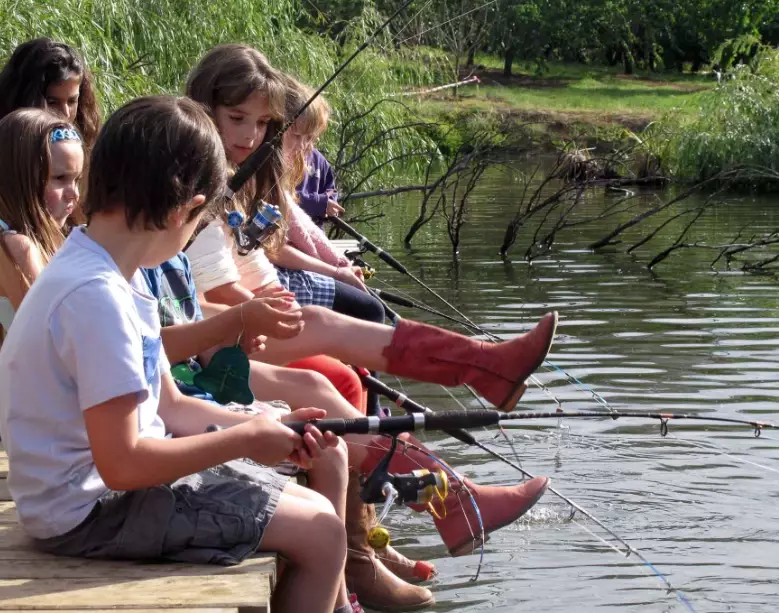
Kids Fishing Guide: How to Plan the Perfect First Fishing Trip
Looking for a complete kids fishing guide? This step-by-step manual covers everything from gear and safety to catching that first fish and creating lasting memories. Get expert tips for a stress-free and fun day by the water.
So you’re thinking about taking your kid fishing. That’s awesome. I remember the first time I took my nephew. I had this grand vision of a peaceful morning, him reeling in a big one, and this perfect father-son... well, uncle-nephew moment. Reality? He got bored after ten minutes, tangled the line in a tree, and then really, really needed to go to the bathroom where there wasn't one. We left with zero fish and a lesson learned: winging it with kids and fishing doesn’t work. That experience is exactly why I put this kids fishing guide together. I don’t want you to make my mistakes. A successful first trip isn’t about catching a trophy bass; it’s about making sure they have enough fun to want to go a second time. It’s about managing expectations—yours and theirs. This guide is the stuff I wish I’d known, boiled down into a simple plan. The Core Idea: Keep it short, keep it simple, and make sure the kid has something to do every single minute. Boredom is the real enemy, not the lack of fish. Before we get into the how, let’s talk about the why. Sure, it’s a hobby, but it’s a sneaky-good one for development. You’re not just killing time. First, it forces a digital detox. No screens, just the water and the wind. That in itself is a gift these days. Then there’s the patience thing. Fishing teaches delayed gratification in a way few other activities can. You wait, you watch, you hope. When that bobber finally dips, the payoff is pure, unfiltered excitement. It’s also a fantastic low-pressure classroom. They learn about nature—what kinds of fish live where, what bugs are hatching, why we need clean water. They practice fine motor skills tying knots (or attempting to!). They learn a tiny bit of responsibility by handling gear with care. And honestly, for you, it’s a chance to talk without the pressure of a formal “chat.” Side-by-side conversations are often the easiest ones to have. But the biggest benefit? The memory. Whether you land a fish or not, you’re building a shared story. That’s the real catch. This is where most adults overcomplicate things. You don’t need a $200 rod or a tackle box that looks like a surgeon’s instrument case. For a first trip, simplicity wins. The goal is to get them fishing successfully, not to equip a professional angler. See? Not so complicated. A basic kit fits in a small bag. I made the mistake of bringing my full, heavy tackle box that first time. My nephew spent more time digging through lures he couldn’t use than actually fishing. Keep the options limited. One more gear note: clothing. Old clothes and closed-toed shoes that can get muddy are mandatory. A hat and kid-sized sunglasses are a huge bonus for comfort. And sunscreen. So much sunscreen. The American Academy of Dermatology and the CDC’s sun safety guidelines are no joke, especially near water where the sun reflects. This might be the most important part of your kids fishing guide mission. The wrong spot guarantees failure. You don’t need a secret honey hole. You need a kid-friendly zone. Top Criteria for a First-Time Spot: Easy access (short walk), safe banks (no steep drops), and a high probability of catching something, even if it's tiny. Forget the big, windy lake or the deep river. Think small. What are you fishing for? With this simple gear, you’re targeting “panfish”—bluegill, sunfish, crappie. These fish are plentiful, bite eagerly, and don’t get huge, making them perfect for a child’s first fight. A 6-inch bluegill pulling on a line feels like a marlin to a 7-year-old. Do a little research. Your state’s fish and wildlife department website is a goldmine. For example, the Take Me Fishing website, which is a great resource supported by the recreational fishing industry, has location finders and basic how-tos that are very beginner-friendly. A quick search for “kid-friendly fishing pond near [your town]” works wonders too. Alright, gear’s packed, spot’s picked. It’s go time. Here’s how the actual fishing part of your kids fishing guide should unfold. Don’t rig everything up at home. Do it together on the bank. Show them how to clip on the bobber about 1.5 to 2 feet above the hook. Pinch on a small split-shot weight a few inches above the hook. Then, the main event: baiting the hook. This is messy and great. Break off a small piece of worm. Show them how to thread it onto the hook, covering the point. Some kids will be all in, others will be grossed out. Have a towel handy. If they absolutely refuse, you bait the hook. No big deal. The goal is participation, not perfection. Find an open grassy area first. With the hook OFF (seriously, take it off for practice), show them the motion. Hold the rod, press the button, bring the rod tip back, then smoothly swing it forward and release the button. It’s a flick of the wrist, not a full-arm baseball swing. Let them try a few times. There will be failed casts. Laugh about it. “Hey, that was a good try! Let’s see if we can get it past that dandelion.” Once they can get the line out roughly in front of them, you’re ready for the water. Cast out, hand them the rod. Now, the hard part: waiting. This is where you need a backup plan. Talk about the clouds. Look for birds. Skip stones. Have a snack. The fishing is the activity, but it’s not the only activity. Then it happens. The bobber jiggles, then ducks under. This is the critical teaching moment. When they land a fish, the pride is incredible. Take a picture. Make a big deal out of it. Then... Safety is the non-negotiable part of any kids fishing guide. Start with the basics before you even leave the house: everyone wears a life jacket if you’re on a boat or a sketchy bank. Period. Sunscreen, hats, water bottles. Teach them to be aware of where their hook is at all times—never swing the rod behind them. Now, handling the fish. Small panfish are relatively easy. Show them how to wet their hands first (protects the fish’s slime coat). Gently grip the fish from above, behind the head. Your thumb on one side, fingers on the other. For a hook that’s lip-hooked, a simple pair of needle-nose pliers makes removal easy and safe. You do this part unless the kid is older and very confident. The goal is to be quick and gentle. Catch-and-Release vs. Keeping: Decide this before you go. For a first trip, I strongly recommend catch-and-release. It simplifies everything. You don’t need a cooler, you don’t have to clean fish, and it teaches conservation. If you do decide to keep a fish for dinner, know the local regulations (size and bag limits) and be prepared to humanely dispatch and clean it—out of sight of young kids, usually. What about when the hook is swallowed deep? This happens, especially with eager biters. It’s a bummer. The safest bet is to cut the line as close to the hook as you can and release the fish. A single small hook will often rust out quickly, and the fish has a good chance of survival. Trying to dig it out usually causes more harm. It feels wasteful, but it’s the right call for the fish. You had a good time. Maybe caught a fish, maybe not. But they’re asking when you can go again. Success! Now how do you build on it? First, let them have a little more ownership. Maybe they get to pick the next spot from two options. Maybe they get their own small tackle box to organize. You can introduce one new, simple thing each trip: a different color bobber, trying a pre-made dough bait, fishing off the dock instead of the shore. As they get older and more competent, you can graduate to slightly more advanced gear, like a spinning reel, or target different species. The key is to let their interest lead the pace. If they just want to catch bluegill on worms every time for a year, that’s fine. It’s about the time together, not building a tournament angler. I still fish with my nephew. He’s older now, uses a spinning reel, and last time he out-fished me. He still talks about that first, disastrous trip where we caught nothing. But he talks about it with a laugh, as “our first adventure.” That’s the point. Let’s wrap up with the questions I get asked most often. These are the real-world head-scratchers. There’s no magic number. It’s more about attention span than age. Some focused 4-year-olds can handle a short, active session. For most kids, 5 to 7 is a sweet spot where they can follow simple instructions and get genuinely excited about the process. Start with a 30-minute “trial run” at a pond to gauge interest. Totally normal. Don’t force it. You bait the hook. You handle the fish. Let them reel and watch. The exposure alone will often lessen the fear over time. If they’re scared of the hook, emphasize safety and let them practice casting with a sinker instead. The goal is positive association. This is the ultimate test. First, manage expectations from the car ride over: “We’re going to try to catch fish, but sometimes they’re shy. We’re really going to practice casting and explore!” Have your backup activities ready—snacks, a net to catch minnows in the shallows, a toy. If the fishing is truly dead, don’t be afraid to cut the trip short and declare victory for trying. “Hey, we gave it a great shot! Let’s go get some ice cream and plan our next spot.” Ending on a high note is better than pushing through frustration. Licensing rules vary wildly by state and age. In many states, children under a certain age (often 16) do not need a license. However, you absolutely must check your specific state’s regulations. The best place to find this official information is your state’s Fish and Wildlife Department website. Ignorance isn’t an excuse, and a fine can ruin the day. This is a mandatory step in your planning. So there you have it. Your complete, no-nonsense kids fishing guide. It’s not about being an expert angler yourself. It’s about being a prepared and patient guide. Pack the snacks, keep the sessions short, celebrate the small wins, and just enjoy being outside with them. The fish are just a bonus. Now go make some memories. And maybe bring an extra worm or two.Quick Navigation
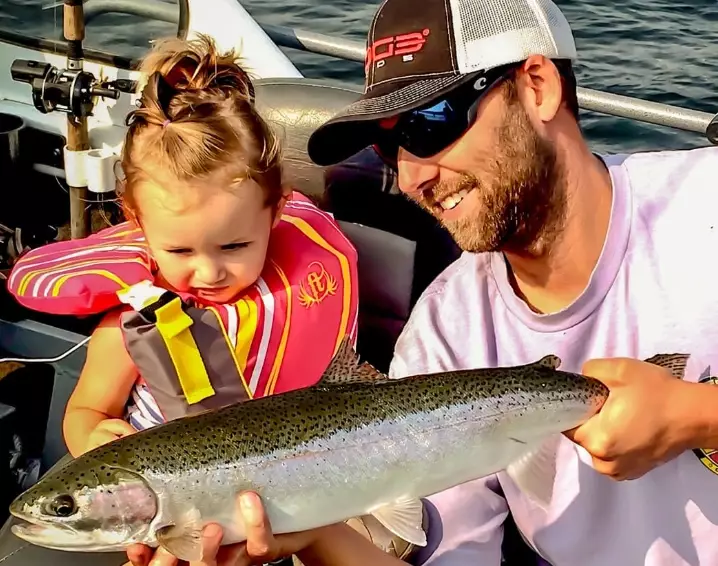
Why Bother? The Real Benefits of Fishing with Kids
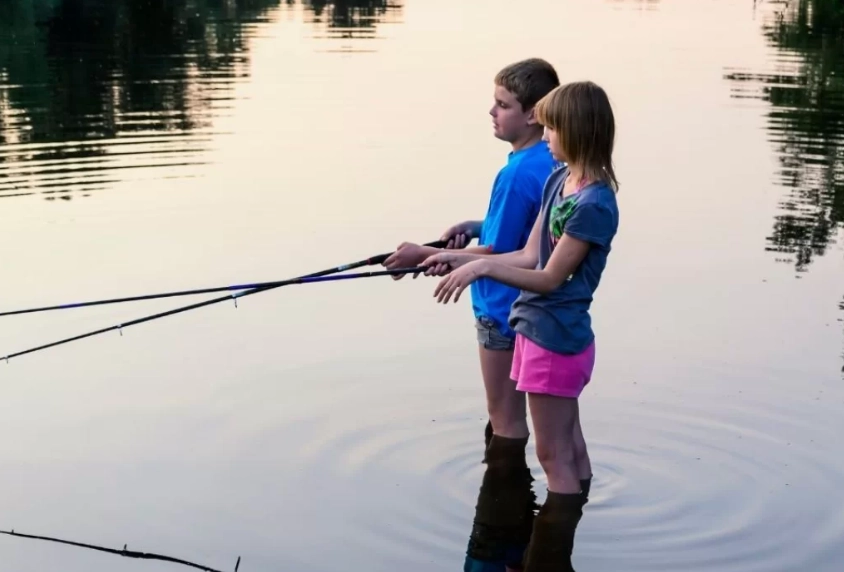
Gearing Up: The Kid-Sized Fishing Kit (Forget the Fancy Stuff)
Item
What to Look For
Why It Matters for Kids
Budget-Friendly Tip
Fishing Rod & Reel Combo
A short, light spin-casting combo. Look for "kid's" or "youth" size, around 4 to 5 feet long. The reel should be a simple push-button style.
Lightweight so they can hold it. The push-button reel is intuitive—press, cast, release. No complicated bail arms to manage.
Don’t buy new yet. Borrow from a friend or family member, or check a thrift store. Many combos are under $25 new.
Fishing Line
The line that comes pre-spooled on the combo is usually fine. If replacing, use 6-8 lb monofilament. It’s forgiving and easy to handle.
Thicker line is more resistant to tangles, which will be your most frequent "situation." Trust me on this.
Included with the combo. Don’t overthink it.
Hooks & Weights
Size 6 or 8 baitholder hooks. A few small split-shot weights. That’s it.
Smaller hooks are easier to bait and safer. Baitholder hooks have little barbs to keep the worm from sliding off.
Buy a small pre-packaged kit. You can get a variety pack with hooks, weights, and bobbers for a few dollars.
Bobber (Float)
A classic red-and-white round bobber. The clip-on kind is easiest.
Visual excitement! The bobber going under IS the action. It’s also a great bite indicator for beginners.
The cheapest item in the tackle box. Get a couple.
Bait
Live worms (nightcrawlers) from a bait shop or even the gas station.
Worms are wiggly and fun (for kids!). They are also incredibly effective for panfish like bluegill, which are perfect first-catch fish.
Digging for worms in the backyard can be a pre-trip adventure! Otherwise, a small container is cheap.
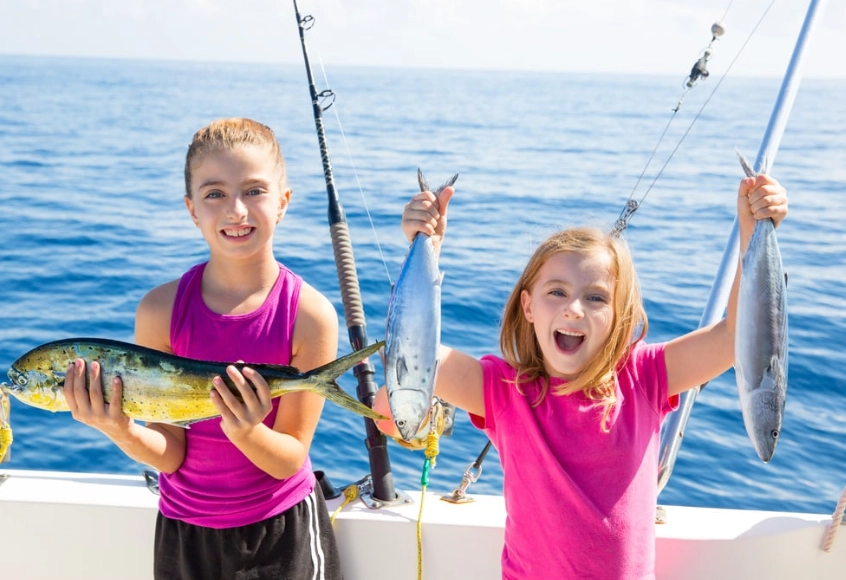
Location Scouting: Picking the Perfect Spot
On the Water: The Step-by-Step Fishing Lesson
Setting Up: Let Them Help
The Cast: Practice Makes... Fewer Tangles
The Wait & The Catch: Managing the Moment
Handling, Safety, and the “Now What?”
Beyond the First Trip: Keeping the Spark Alive
Your Kids Fishing Guide FAQ