Boat Fishing Basics: Your Complete Guide to Getting Started Successfully
Overwhelmed by starting boat fishing? This definitive guide covers boat fishing basics from essential gear and safety to finding fish and mastering techniques, giving you the confidence to catch more fish from any boat.
So you're thinking about trying boat fishing. Maybe you've been bank fishing for years and want to reach those spots you can only stare at from shore. Or perhaps a friend invited you out on their boat, and you don't want to show up clueless. I get it. I remember my first time. I brought a giant tackle box full of junk, the wrong rod, and spent half the day untangling line. I was more of a hazard than a fishing buddy. Let's skip that awkward phase. The core of boat fishing basics isn't about having the fanciest gear; it's about understanding a few fundamental shifts from shore fishing. You're mobile. You control your position. That changes everything. This guide won't just list gear—it'll explain the why behind the what, mixing in some hard-won lessons from years of making mistakes so you don't have to. Why Boat Fish Anyway? Access. Pure and simple. A boat lets you fish structures—like deep drop-offs, submerged islands, and weed beds—that hold big fish but are unreachable from land. It also lets you follow fish as they move with the seasons or the time of day. Walk into a tackle shop, and you'll be overwhelmed. Marketing screams at you from every aisle. For boat fishing basics, you need a core setup. You can expand later. Forget specialty rods for now. A 7-foot, medium-heavy power, fast-action spinning rod paired with a 3000 or 4000-size reel is your workhorse. Why? It's versatile enough to handle a variety of lures and baits for common species like bass, walleye, and panfish. The fast action gives you good sensitivity to feel bites and enough backbone to set the hook. I made the mistake of starting with a heavy, slow rod—it was like trying to thread a needle with a broomstick. You couldn't feel a thing. Spool that reel with 10-15 lb braided line. Braid has no stretch, so you feel every tap. It's also thinner than monofilament of the same strength, letting you get lures deeper. Tie a 2-3 foot leader of 8-12 lb fluorocarbon to the end. Fluorocarbon is nearly invisible underwater and handles abrasion from rocks or fish teeth better than braid. Your tackle box on a boat needs to be organized and lean. A giant, overflowing box is a pain to sort through on bouncing water. Start with these categories: I used to buy lures based on how cool they looked in the package. Big mistake. A simple green pumpkin senko worm has caught me more fish than any $25 "magic" lure ever did. Start simple, master a few presentations. This is the most critical part of boat fishing basics, and it's where many new anglers gloss over. Being on the water introduces real risks. A fun day can turn scary fast if you're not prepared. Every person on board must have a properly fitted U.S. Coast Guard-approved life jacket (PFD), and it needs to be worn or immediately accessible. Stuffed under a seat doesn't count. In a capsize, you won't have time to dig for it. Modern inflatable PFDs are comfortable and unobtrusive—no excuse. Check the Weather, Then Check It Again. I've been caught off guard by a storm that popped up faster than forecasted. It was not fun. Use a reliable weather app, but also learn to read the sky. Dark, building clouds, sudden wind shifts, and a drop in temperature are nature's warnings. The National Weather Service has excellent resources on marine forecasts and lightning safety. If in doubt, don't go out. Here’s a quick checklist of safety gear that should be on any boat, regardless of size. This isn't just for you; it's for everyone with you. Filing a float plan with someone on shore is a habit that saves lives. Tell them where you're going, who's with you, what boat you're in, and when you expect to return. If you don't check in, they know to alert authorities. The U.S. Coast Guard Boating Safety Division has a simple float plan template. It takes two minutes. This is where boat fishing basics become a real advantage. You're not stuck in one spot. But how do you know where to go? Fish relate to structure and cover. Structure is a change in the bottom contour—a drop-off, a hump, a river channel. Cover is the physical object on the structure—a fallen tree on that drop-off, weeds on that hump. Start by looking at a map. A good topographic lake map or a nautical chart will show you where the deep and shallow areas are, where creek channels run, and where points extend into the lake. These are all prime structure areas. Mark a few potential spots before you even launch. Use Your Electronics (Even Basic Ones). A fish finder isn't just for seeing fish arches (which can be confusing). Its most valuable function for a beginner is showing you the bottom contour and depth. You can watch your lure depth on your line counter reel or by counting down your lure, and match it to what you see on the screen. Are you dragging over a flat or bumping along a rocky ledge? The finder tells you. Time of day and season matter immensely. In summer, fish often go deep to find cooler, oxygenated water. Early morning and late evening, they might move up shallow to feed. In spring and fall, they're more likely to be in shallower bays. A basic rule: find the baitfish. If you see small fish dimpling the surface or birds diving, bigger fish are probably nearby. You don't need to know 20 ways to fish. Master two or three boat fishing techniques, and you'll catch fish. This is a quintessential boat fishing basics technique. You position the boat directly over the fish (using your anchor or trolling motor) and drop a lure straight down, then work it up and down. It's incredibly effective for suspended fish over deep structure or for species like walleye and lake trout. Use a jig head with a soft plastic or a blade bait like a Cicada. The key is a sensitive rod to feel the subtle "tic" of a bite on the fall. Turn off the motor and let the wind or current push you across a large flat, a weed bed, or along a drop-off. It's a passive, covering-water approach. You can drag a live bait (like a nightcrawler or minnow) on a bottom rig behind the boat, or cast and retrieve lures as you drift. It's a relaxed, social way to fish and great for locating scattered fish. Use your trolling motor to quietly maneuver within casting distance of shoreline cover—docks, laydown trees, weed lines. Pitch your lure (a jig, a Texas-rigged worm, a spinnerbait) right up next to it. This is where boat control is key. You need to hold the boat in position without spooking the fish with noise or shadow. An electric trolling motor is a game-changer here, but you can also use a paddle or position with an anchor. The biggest mistake I see beginners make? Moving too fast and not fishing an area thoroughly. If you get a bite or see promising structure, slow down. Work it from different angles. Make multiple casts. Patience is a boat fishing superpower. If you're running the boat, your primary job is the safety and comfort of your crew. That means smooth acceleration, no sharp turns that send people flying, and being aware of your wake around other boats, kayaks, and shorelines. Fishing etiquette is huge. Don't motor right up on another boat that's fishing a spot. Give them a wide berth. If you see someone anchored on a point, don't cut inside them and start casting. It's like cutting in line. It's rude and dangerous. If you want to fish a spot someone else is on, either wait at a distance or move on. I once had a guy in a flashy bass boat zoom within 30 feet of my small jon boat while I was anchored, his wake nearly swamping me. He then started casting to the same stump I was fishing. Some people just don't get it. Don't be that guy. Let's tackle some common questions that pop up when people are starting out. These are the things you might be too embarrassed to ask on the dock. Dress in layers. It's always cooler on the water, even on a hot day. A moisture-wicking base layer, an insulating middle layer (fleece), and a waterproof/windproof outer shell are ideal. Never wear cotton jeans and a hoodie—if they get wet, they stay wet and suck the heat from your body. A hat, polarized sunglasses (to cut glare and see into the water), and non-marking, closed-toe shoes with good grip are musts. It's real, and it can ruin a trip. Prevention is key. Take an over-the-counter med like meclizine or dimenhydrinate the night before and the morning of. Stay hydrated, avoid heavy, greasy foods, and keep your eyes on the horizon. If you start feeling queasy, get to the front (bow) of the boat where the motion is less pronounced, get some fresh air, and focus on the distant shoreline. Ginger candies or gum can help some people. YES. Every state requires a fishing license for resident and non-resident anglers above a certain age. The rules vary wildly. You often need a separate stamp or permit for certain species (like trout or salmon) or for fishing in certain waters (like the Great Lakes). The fines are steep. Always check the regulations for the specific body of water you'll be on. The U.S. Fish & Wildlife Service has links to every state's agency. Buy your license online before you go. Go with someone experienced. Offer to pay for gas, bait, and lunch. Be an eager and helpful deckhand—help with lines, net fish, clean up. Ask questions. Beyond that, watch reputable YouTube channels that focus on educational content, not just highlight reels. Read articles from state conservation department websites—their info is science-based and location-specific. Let's make this actionable. Here's a simplified plan for your first successful boat fishing trip based on all these boat fishing basics. The goal isn't to catch a trophy on day one. The goal is to build confidence, be safe, and enjoy the unique freedom that boat fishing offers. Master these boat fishing basics, and the big catches will come with time on the water. Now get out there.Quick Navigation
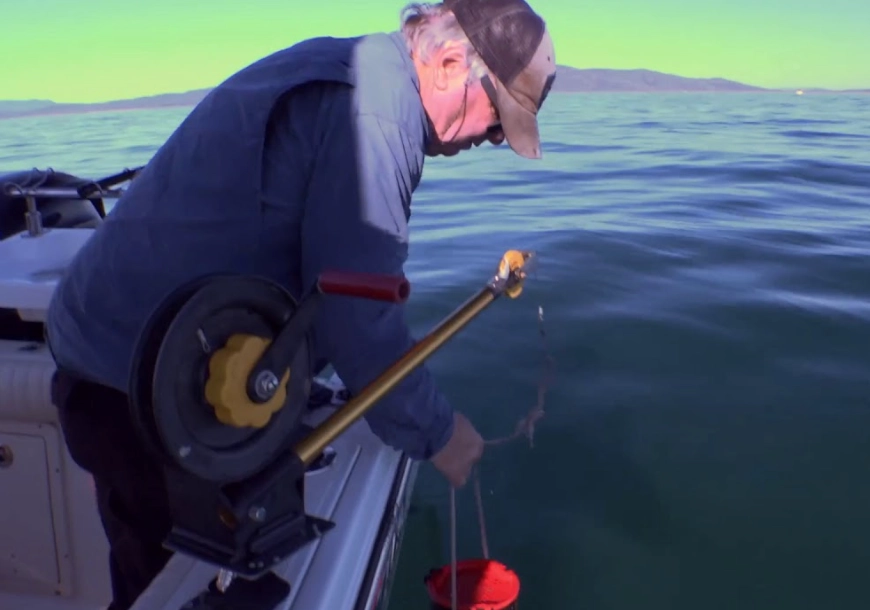
The Non-Negotiables: Gear You Actually Need
The Rod and Reel Combo That Won't Let You Down
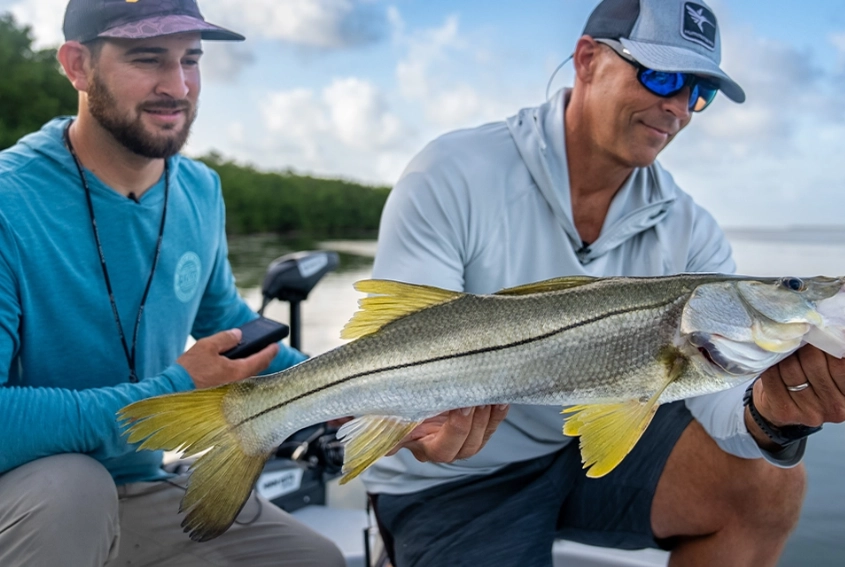
Tackle Box Essentials, Not Just Collectibles
Safety First (No, Really, This Isn't Boring)
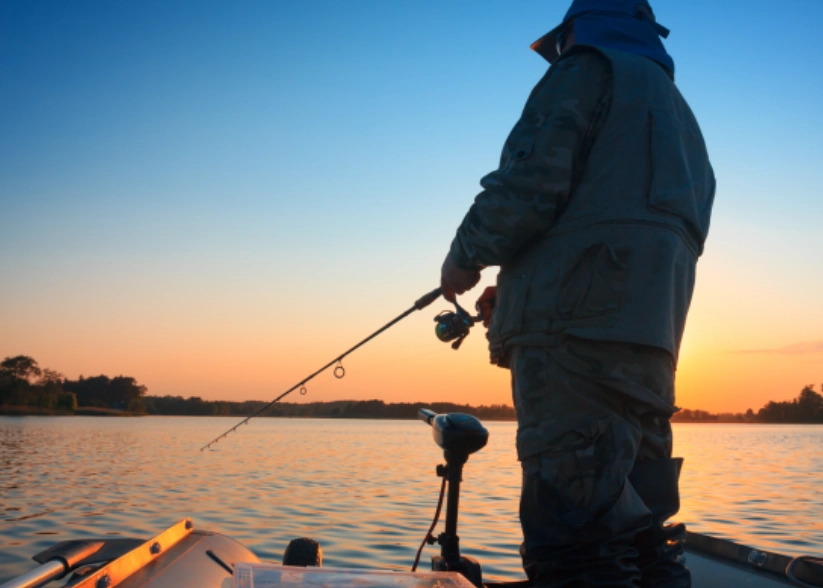
Item Purpose Notes Throwable Flotation Device To rescue someone who has fallen overboard without putting yourself at risk. Required on boats 16ft and longer. Keep it within easy reach, not in packaging. Sound-Producing Device Signaling for help in fog or low visibility. A whistle attached to your PFD is a minimum. An air horn is better for the boat. Visual Distress Signals Signaling for help during the day or night. Flares or an electric distress light. Check expiration dates! Fire Extinguisher Putting out engine or electrical fires. Must be USCG-approved (Type B-I). Know how to use it. Anchor with Adequate Rode Stopping the boat in an emergency (engine failure) or holding position to fish. Have at least 7-10 feet of rope/chain for every foot of water depth you're in. First-Aid Kit Treating cuts, hooks in skin, seasickness, etc. Add seasickness meds, heavy-duty bandages, and antiseptic wipes to a standard kit. 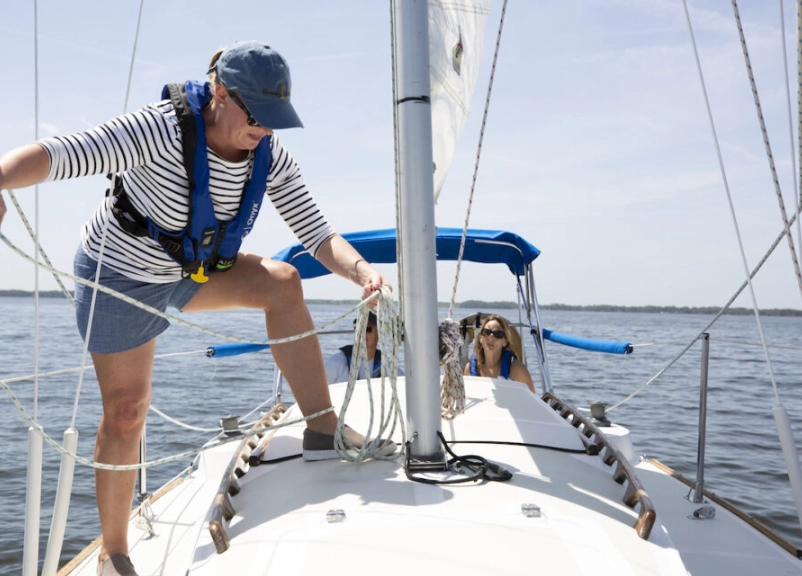
Finding Fish: It's Not Just Luck
Mastering a Few Core Techniques
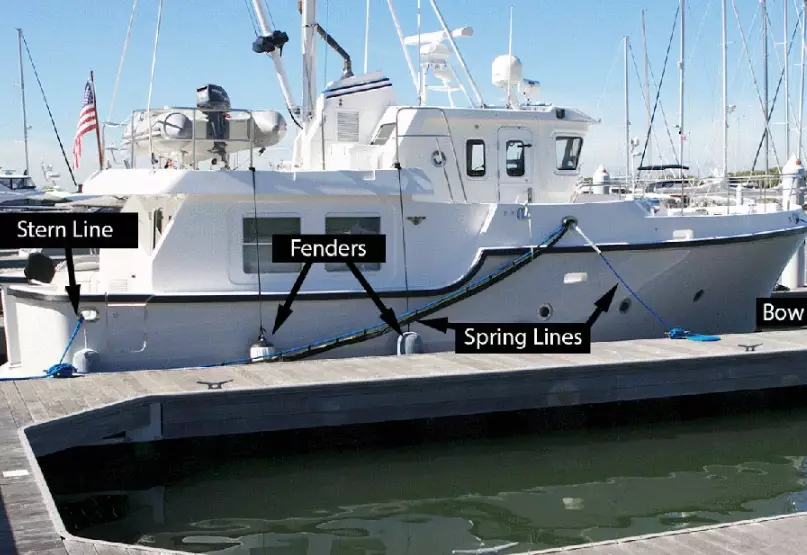
Vertical Jigging
Drifting
Casting to Cover
Boat Handling and Etiquette 101
Answering Your Boat Fishing Basics Questions
Wrapping It Up: Your First Trip Checklist