Master Advanced Lure Techniques: The Ultimate Guide for Anglers
Ever wondered how expert anglers consistently land trophy fish? This deep dive into advanced lure techniques covers everything from nuanced retrieval methods and lure selection to seasonal strategies and water condition mastery.
Let's be honest. You've probably spent a small fortune on shiny lures that promised the world, only to have them collect dust in your tackle box after a few disappointing trips. I've been there. I remember buying this expensive, beautifully painted crankbait that looked like a masterpiece. It caught exactly nothing for three seasons straight. The problem wasn't the lure itself, but my complete lack of understanding of the advanced lure techniques needed to make it work. That's what this is about. We're moving past the basic "cast and retrieve." We're diving into the subtle, often overlooked details that separate someone who just fishes with lures from an angler who understands them. This isn't about magic bullets or secret lures. It's about building a skillset that makes you effective in any water, under any conditions, with the lures you already own. Before we get into the nitty-gritty, we need a mindset shift. Beginners pick a lure based on what fish are "supposed" to eat. Advanced anglers pick a lure based on the story they want to tell and the reaction they want to provoke. Is the water cold and the fish lethargic? Your story is a slow, wounded, easy meal. Is it a post-spawn frenzy? Your story is a frantic, vulnerable prey. This narrative is communicated entirely through your rod tip, your reel handle, and your patience. I see too many guys just chunking and winding. They might get lucky, but they're not in control. Mastering advanced lure techniques is about taking back that control. It's the difference between hoping a fish bites and knowing why it did (or why it didn't). Think about the last time you got skunked. Was it really "bad luck," or was your presentation completely out of sync with the environment? Be honest. The retrieve is your vocabulary. A straight retrieve is like speaking in monotone. Here's where we add inflection, pauses, and emphasis. This is my absolute go-to, especially for suspending hard baits and soft plastics. It's simple in theory, brutally hard to master in feel. You give the rod a sharp, short twitch—just 6 to 12 inches of movement—and then you freeze. Not for a second, but for three, five, sometimes eight seconds. You let the lure hang, wobble, and settle. This mimics a dying or disoriented baitfish. The strike almost always comes on the pause, as the lure sinks or sits motionless. The key? You must believe in the pause. You must fight the urge to keep it moving. This is one of the most effective advanced lure techniques for clear water and pressured fish. Primarily for jigs and blade baits, but applicable to swimbaits too. Instead of a horizontal retrieve, you're working the lure up and down directly below or in front of you. Lift the rod tip smoothly to raise the lure 2-4 feet, then drop it and reel in the slack. The fall is critical. A jig falling on a semi-slack line has a much more natural, fluttering descent than one you're controlling tightly. This technique is murder on deep, wintering fish or species holding on sharp drop-offs. It allows you to present the lure in the strike zone for much longer than a standard cast-and-retrieve ever could. Sometimes, you want to piss a fish off, not tempt it. Reel as fast as you possibly can for 10-15 feet—creating a frantic, fleeing vibration—then suddenly stop dead and let the lure flutter down. This triggers a pure instinctual chase-and-smash response from aggressive fish. It's fantastic for spinnerbaits, chatterbaits, and lipless crankbaits. Works wonders when fish are active but not necessarily feeding heavily, or when you're covering water to locate them. Sure, if the lake is full of shad, a shad pattern is a good start. But advanced matching goes deeper. I keep a simple mental checklist: Size, Profile, Action, Depth, Sound (SPADS). Run your lure choice through it before you tie it on. Your technique must be fluid, changing with the environment. Rigid strategies fail. Fish are metabolically slow. They won't chase far. Your advanced lure techniques here are all about slowness and precision. Downsizing is key. Finesse jigs, small hair jigs, blade baits, and suspending jerkbaits reign supreme. Retrieves should be agonizingly slow with long pauses. Think in inches per second, not feet. The yo-yo technique is a star here. Focus on the deepest, slowest-moving water you can find near structure. Now the fish are active and opportunistic. You can cover water. Topwater in low light, crankbaits and spinnerbaits to search, soft plastics and jigs to work over specific targets. Speed up your retrieves. The burn-and-kill technique shines. Don't be afraid to make noise and create a commotion. This might be the most critical distinction. I made the mistake for years of using my "murky water" loud lures in a crystal-clear mountain lake. The fish would follow out of curiosity, but they'd rarely commit. They had all day to inspect my fake, noisy offering. It was a lesson in humility. Your rod, reel, and line aren't just tools; they're translators for your techniques. Let's walk through a real morning. Situation: Early summer, 8 AM, a large reservoir. Water is slightly stained, temperature 68°F. You're on a main-lake point that drops into 20 feet of water. You saw some baitfish activity near the surface earlier. The point is to have a logical progression, not just randomly switching lures every five casts. The final, and perhaps most important, advanced lure technique has nothing to do with your hands. It's what happens between your ears. Be a sponge. Watch the water. Are birds diving? That tells you where bait is being pushed to the surface. Did the wind just switch direction? That will push plankton, then baitfish, then predators to the new wind-blown bank. Did a cloud cover the sun? Fish might move shallower. Did a boat just motor through your spot? Give it 20 minutes for the commotion to settle. Every cast is an experiment. If something works, ask yourself why. Was it the speed? The depth? The pause? If it doesn't work, change ONE variable at a time. Speed up, slow down, change direction, let it sink longer. Systematic experimentation beats random guessing every single time. Look, none of this is about being perfect. I still have days where I feel like I've forgotten how to fish. The goal is to have more tools, more understanding, so on those tough days, you have a plan to work through, not just a hope for luck. Start with one technique—maybe the twitch-pause—and beat it to death until you feel confident with it. Then add another. The fish will let you know when you're getting it right. Now go get your line wet.In This Guide
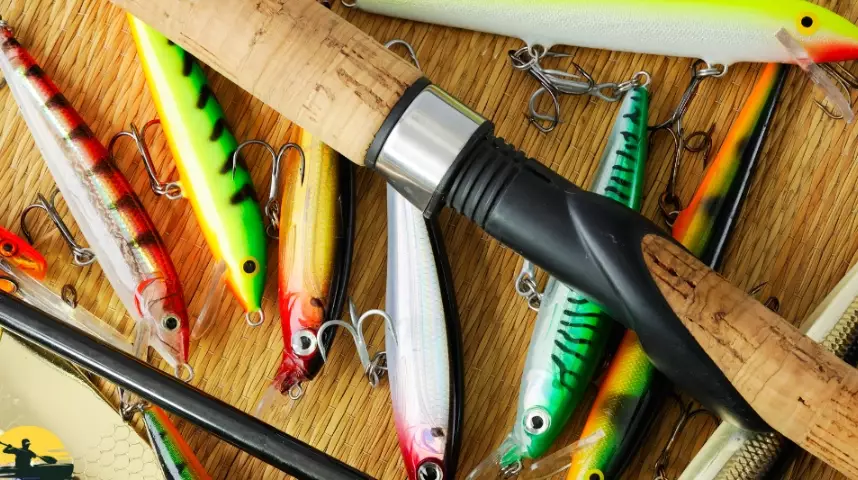
The Core Philosophy: It's Not the Lure, It's the Dance
Deconstructing the Retrieve: Beyond the Wind
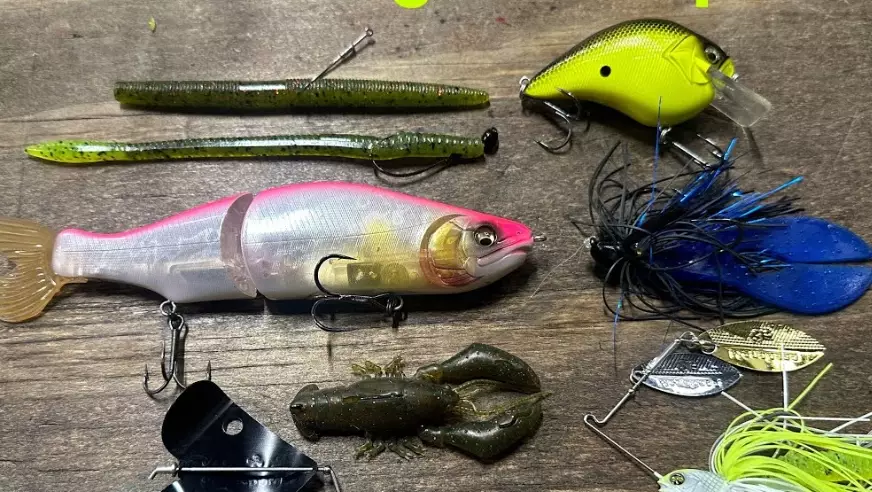
The Twitch-Pause: The Ultimate Trigger
The Yo-Yo: Working the Vertical Column
The Burn-and-Kill: The Reaction Strike Specialist
Matching the Hatch 2.0: It's About More Than Color
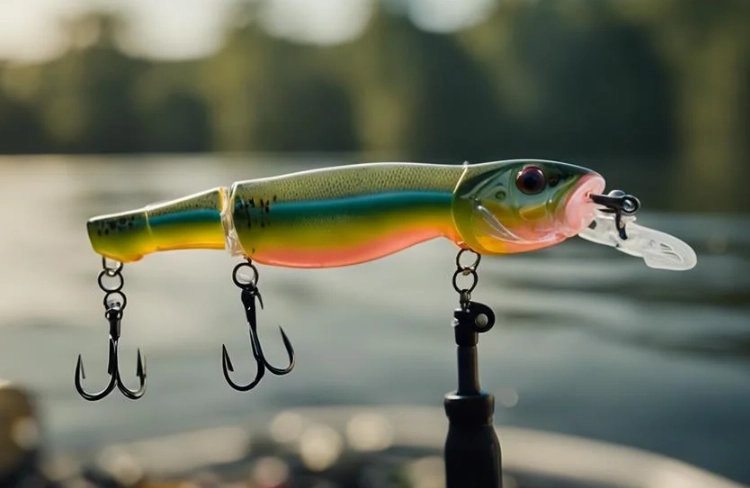
The Conditional Masterclass: Reading Water and Weather
Cold Water (Below 50°F / 10°C)
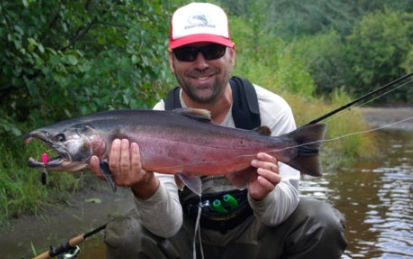
Warm Water (70°F+ / 21°C+)
Stained vs. Clear Water
Water Condition
Best Lure Types
Key Techniques
Why It Works
Stained/Murky (Visibility
Loud crankbaits, Spinnerbaits with Colorado blades, Chatterbaits, Vibrating jigs, Lures with loud rattles.
Aggressive retrieves, contact with cover (to feel your way), emphasis on vibration and sound.
Fish rely on lateral line and vibration to locate prey. You need to send a strong, clear signal they can "hear."
Clear (Visibility > 4 ft)
Finesse worms, Neko rigs, Jerkbaits, Small swimbaits, Natural-finish lures.
Subtle twitch-pause, long casts, light line, ultra-natural presentations.
Fish can see perfectly. Your lure must look, size, and move exactly like the real thing. Stealth is paramount.
Tackle Tweaks: The Unseen Edge
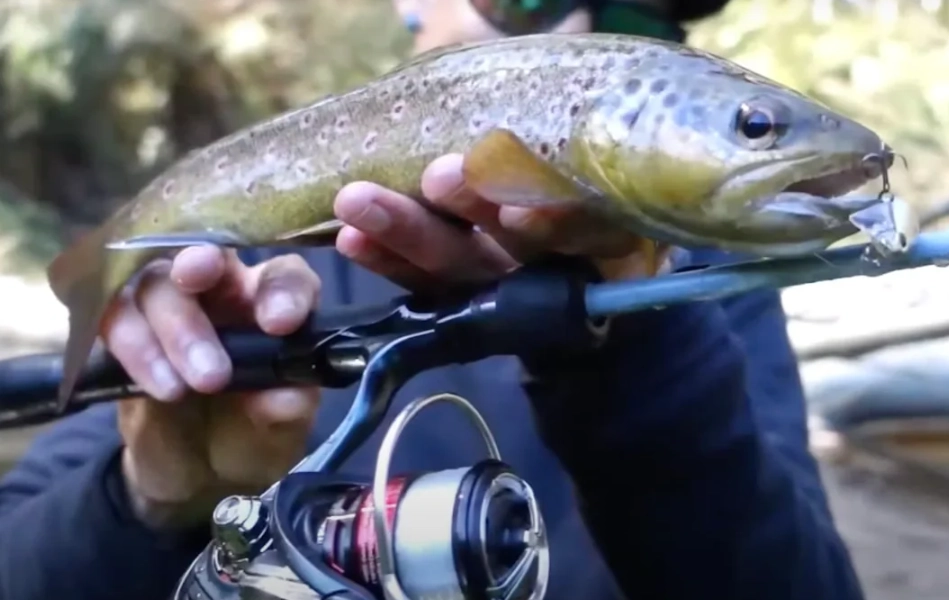
Putting It All Together: Scenario-Based Strategies
Advanced Lure Techniques Q&A: Stuff You Actually Want to Know
The Mental Game: Observation and Adaptation