How to Read Water for Fish: A Complete Guide for Anglers
Ever wondered why some anglers always know where the fish are? This guide teaches you how to read water for fish, covering everything from currents and structure to seasonal patterns and species-specific tips.
Let's be honest. You've been there. Standing on the bank or sitting in the boat, watching another angler pull in fish after fish while you're just... casting. It feels like they have a secret map. What's the deal? Nine times out of ten, it's not a secret lure. It's a skill. They know how to read the water for fish. Reading water is that fundamental, almost forgotten art in the age of high-tech fish finders. It's about understanding the language of the lake, the river, the pond. The water tells a story—where the food is, where the oxygen is, where a fish can feel safe. And if you learn to listen, your catch rate doesn't just improve; it transforms. Bottom Line: Reading water for fish means interpreting visual and physical clues on and in the water to locate where fish are most likely to be holding, feeding, or traveling. It’s the core of instinctive fishing. Sure, you can just cruise around with your sonar until you see an arch. But what happens when the battery dies? Or you're on a new, unfamiliar body of water? Or you're just wading a stream? This skill makes you independent. It turns fishing from random luck into a predictable hunt. It's also deeply satisfying. There's a real thrill in looking at a stretch of river, pointing to a specific spot, and saying, "There's one there," and then proving yourself right. I remember a specific trip to a large, featureless lake. My graph was on the fritz. Frustrated, I just started looking. A slight change in surface texture, a lone patch of reeds near a deeper channel... I focused there. That day, I learned more about reading water for fish than I had in years of relying on technology alone. Think of these as your primary clues. You're a detective on the water. In moving water, current is everything. Fish don't like to fight it endlessly; they're energy conservers. So they look for breaks and eddies. For a deeper scientific dive into how flowing water shapes environments, the U.S. Geological Survey's page on rivers and streams offers fantastic foundational knowledge. This is physical stuff. Structure refers to changes in the bottom contour (drop-offs, points, humps). Cover is the actual physical objects (wood, weeds, rocks). Fish relate to both for protection and ambush. This drastically changes how you approach reading water for fish. I made a classic mistake once in ultra-clear water. I was using my "stained water" mindset, casting close to the boat with braided line. I saw bass scatter like scared rabbits. Lesson painfully learned. The principles adapt depending on where you are. For tidal anglers, understanding the broader ecosystem is crucial. Resources like NOAA's Estuary Tutorial explain the unique productivity of these areas, which directly influences fish behavior. Different fish have different preferences. Here’s how your reading water for fish focus might shift. Largemouth are the ultimate opportunists around cover. Your eyes should scan for: Smallmouth, especially in rivers and clear lakes, are more structure-oriented. Think current breaks near hard bottom (rock, gravel) in rivers, and offshore humps, points, and rock piles in lakes. Trout are the classic current-readers. They are precision engineers of energy conservation. Your read changes daily and yearly. Sun vs. Clouds: Bright sun pushes fish tighter to cover or into deeper, darker water. Cloud cover often triggers them to roam, feed more aggressively, and move shallower. On a bright day, that shaded side of the dock becomes your bullseye. Wind is a huge, often overlooked factor. It blows surface food, pushes warmer surface water, and creates current. A wind-blown shoreline is almost always more active than a calm, sheltered one. Don't fight the wind; use it. Position yourself to cast into it. Seasons: Look, mastering the skill of reading water for fish is a journey. You'll have days where you feel like you've cracked the code and days where you're utterly baffled. That's fishing. But each time you consciously stop, look, and think about why you're casting to a spot, you're getting better. You're moving from being a participant to being a student of the water. Put the electronics down for an hour on your next trip. Just look. It's amazing what the water will tell you if you learn its language.In This Guide
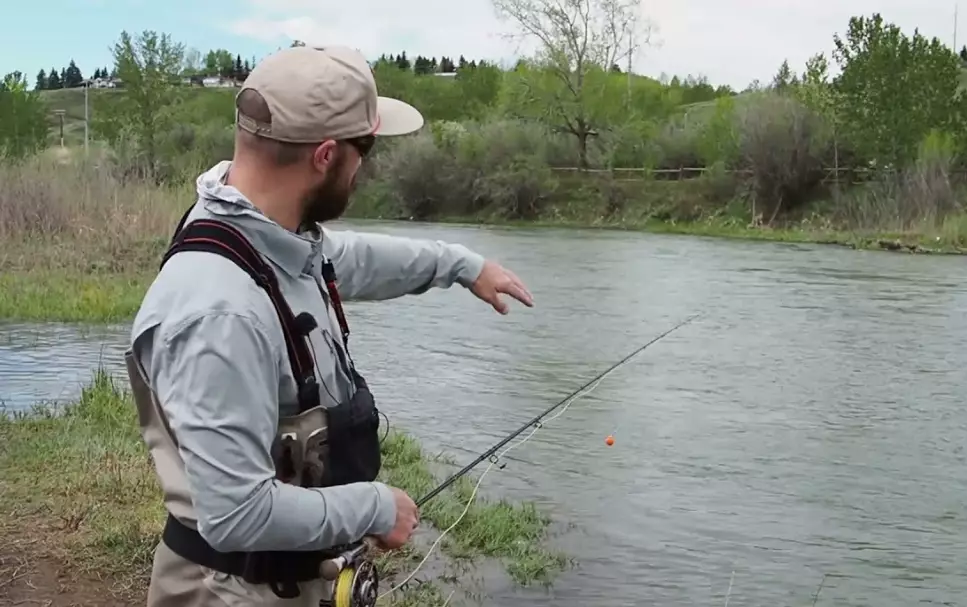
Why Bother Learning to Read Water?
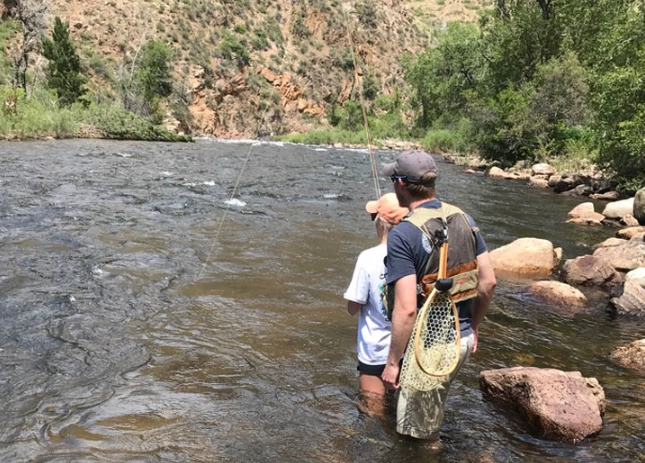
The Core Elements of Water to Read
Current and Flow (The River's Highway)
Structure and Cover (The Fish's Apartment)
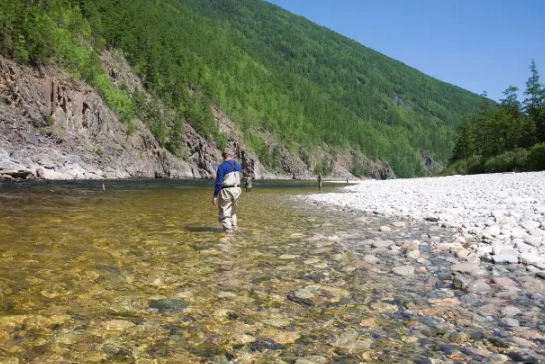
Water Color and Clarity (The Mood Lighting)
Reading Different Types of Water Bodies
Water Type
Key Features to Read
Primary Target Zones
Angler's Mindset
Rivers & Streams
Current seams, eddies, pocket water, depth changes (riffle-run-pool sequence), submerged boulders.
Downstream side of rocks, inside bends (where current slows), heads and tails of pools.
Think "current break." Find where a fish can save energy while having food delivered.
Lakes & Ponds
Points, drop-offs, creek channels, vegetation lines, docks, visible cover (wood, rock).
Transition zones (where two types of cover/structure meet), first major drop-off near shore.
Think "contour lines." Fish relate to depth changes and edges. Windblown banks are often productive.
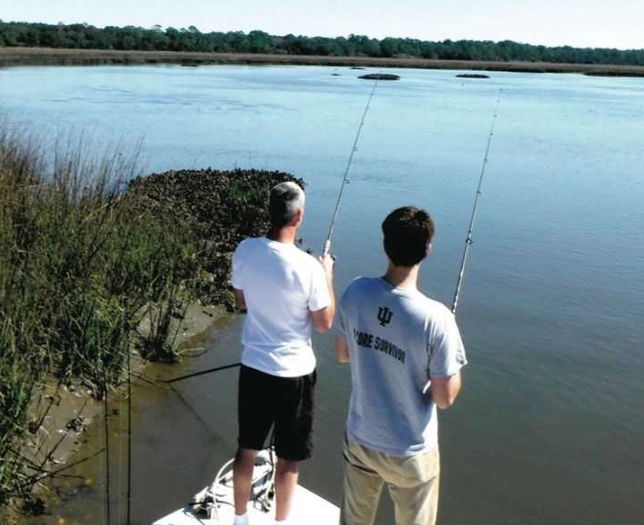
Estuaries & Tidal Waters
Tidal flow (incoming vs. outgoing), oyster bars, marsh grass points, drainages, salinity fronts.
Points of land that concentrate moving water, creek mouths on an outgoing tide.
Think "tide clock." Location is everything, but timing is king. Fish move with the tide.
Putting It All Together: Species-Specific Reading
Reading Water for Bass (Largemouth & Smallmouth)
- Irregularities in Weed Lines: A point extending out, a pocket cutting in.
- Isolated Pieces of Cover: One lonely stump on a flat, a single dock piling away from others. These are high-percentage spots.
- Shade Lines: Under docks, overhanging trees, even the shadow of a buoy. Bass love shade, especially in clear water.Reading Water for Trout (in Streams)
- Prime Lies: Focus on places where they get maximum food with minimum effort. The cushion of water right in front of a big rock, the slick behind it, the deep lane along a undercut bank.
- Look for Oxygen: White, frothy water at the head of a pool is oxygenated and often holds food. Trout will sit in the softer water just below it.
- Ignore the fast, shallow, featureless runs. Your effort is better spent dissecting the complex, broken water.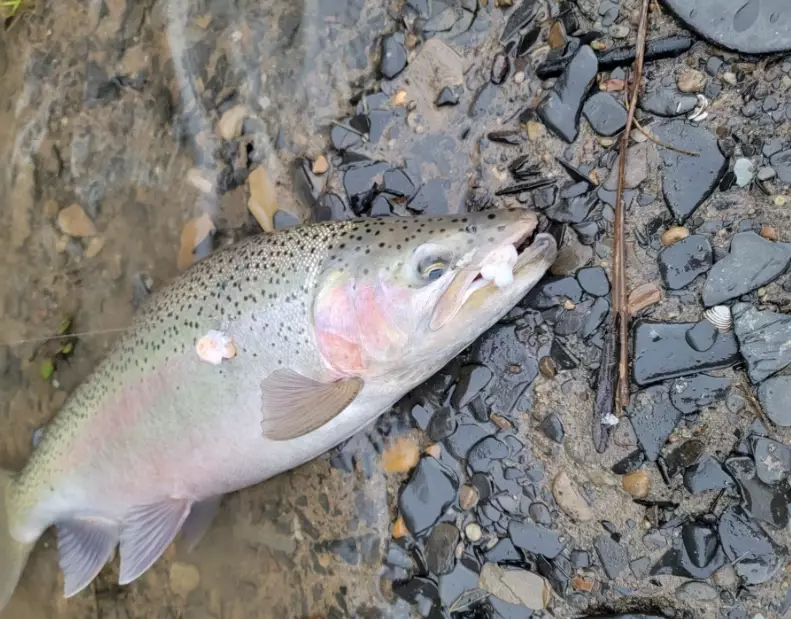
The Impact of Weather and Seasons
- Spring: Read for warm water. North-facing banks that get sun, shallow dark-bottomed bays, mouths of feeder creeks. Anywhere that warms first.
- Summer: Read for oxygen and cooler water. Deeper structure, thick shade, current in rivers, points near deep water. Early and late, focus on shallow feeding areas.
- Fall: Similar to spring in reverse. Follow the baitfish. Points, creek channels, and any structure near deep water where bait congregates.
- Winter: Slow down. Read for the warmest water available, which is often the deepest, slowest part of the system. Subtle, deep structure. A sunny afternoon might pull them onto a shallow flat, but they won't be far from a deep escape route.Common Mistakes (So You Can Avoid Them)
Your Step-by-Step Process on the Water
Answers to Common Questions About Reading Water for Fish