Night Fishing: A Complete Guide to Gear, Safety, and Success
Ever wondered what makes night fishing so special? This ultimate guide covers essential safety rules, must-have gear, effective techniques, and pro tips to help you catch more fish after dark. Learn how to prepare for your next nighttime adventure on the water.
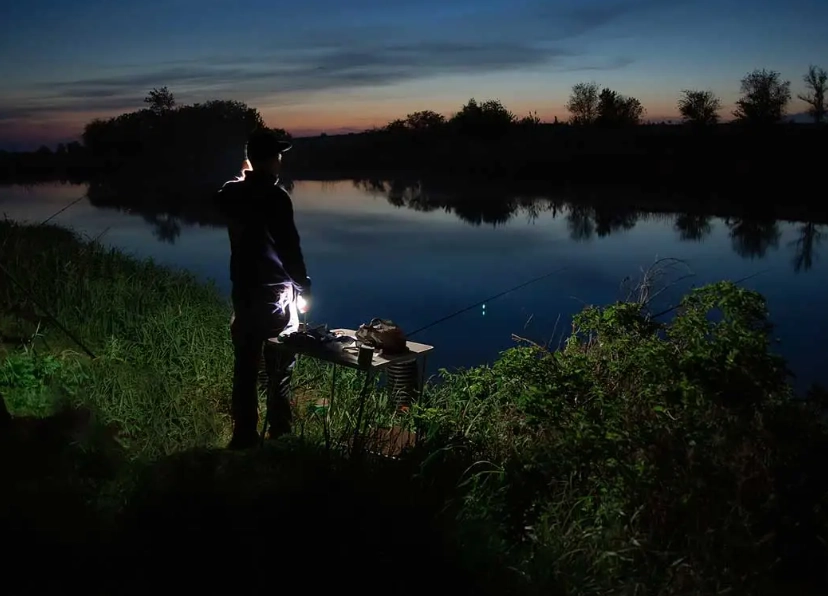
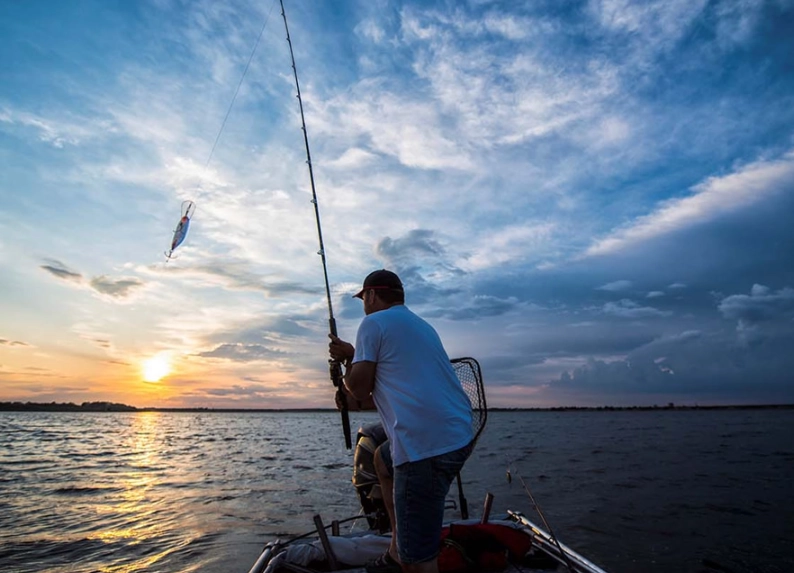
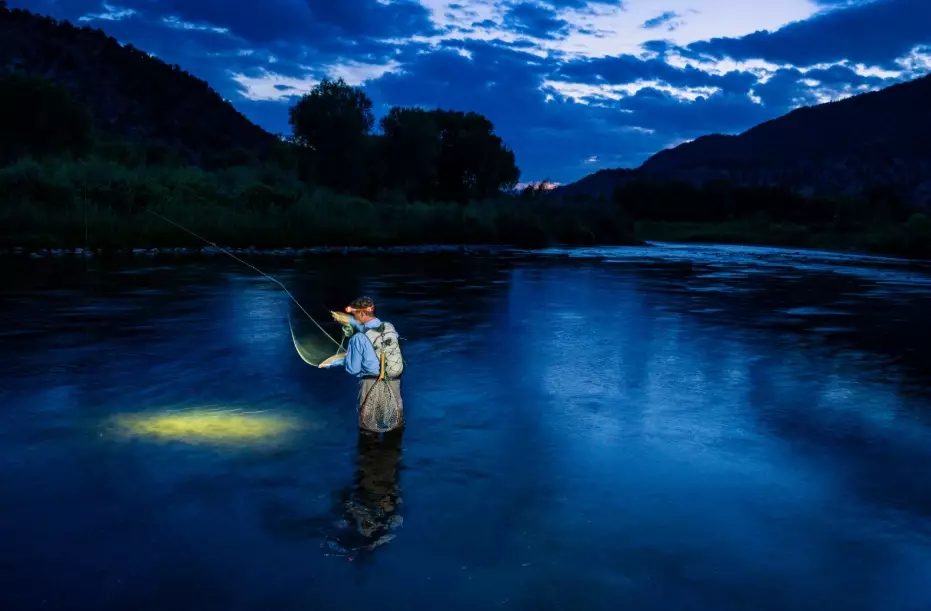
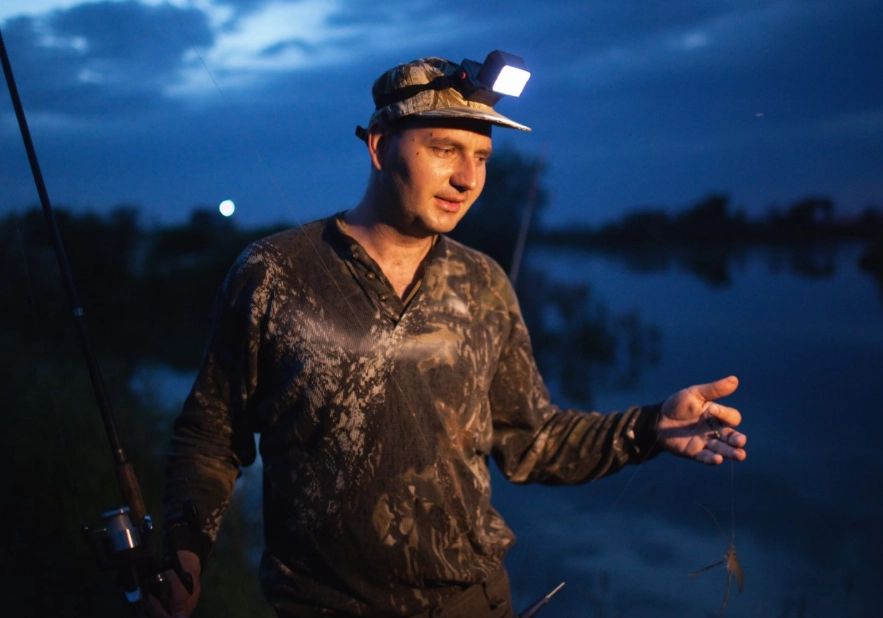
Let's be honest. The first time someone suggested I go night fishing, I thought they were a bit crazy. Why would anyone want to sit in the dark, surrounded by bugs, when you could just go during the day? Well, I was wrong. Completely wrong. My first real night fishing trip changed everything. It wasn't just fishing in the dark; it was a different sport altogether. The sounds are sharper, the water feels different, and the fish? They play by a whole new set of rules. That's what this guide is about. It's not just a list of tips. It's the stuff I wish someone had told me before I spent that first confusing, slightly terrifying, but ultimately amazing night on the lake. We're going to talk about why night fishing works, how to not get yourself into trouble (safety is boring until you need it), what gear you actually need, and the little tricks that turn a slow night into an unforgettable one. If you're still on the fence, let me give you the real reasons, beyond the obvious "it's cooler." During the day, especially in summer, the sun beats down on the water. The surface heats up, and the bigger, smarter fish often dive deep to find cooler, more comfortable water and to escape the bright light. They become lazy, sluggish, and harder to catch. Come nightfall, the script flips. The water surface cools. Those same fish move into shallower areas to feed. They feel safer under the cover of darkness. Their reliance on sight diminishes, and they use their lateral lines (an incredible sensory system that detects vibrations) and sense of smell much more. This changes how you fish for them. It's less about perfect visual lure presentation and more about triggering those other senses. The competition from recreational boaters is gone. The water is often calmer. It's just you, the water, and the fish. The solitude is part of the magic. I remember one night on a local reservoir. The daytime crowd had been a zoo—jet skis, skiers, the works. Not a bite. As dusk settled and the last boat puttered away, the lake transformed. The surface became like glass. Within an hour, I had my first hit—a solid bass that fought like it had something to prove. That's the pull of night fishing. You get access to fish that are practically off-limits during daylight. I'm going to put this bluntly: if you skip the safety stuff, you're an idiot. Sorry, but it's true. The consequences of a mistake at night are magnified tenfold. A simple slip can become a disaster. Let's break down the non-negotiables. Weather is another beast. A storm that's merely inconvenient during the day can be lethal at night. Always, and I mean always, check the forecast. Wind can pick up unexpectedly and make small watercraft handling a nightmare. Hypothermia is a real risk even in warmer months if you end up in the water. Dressing in layers is key. Personally, I think the biggest unspoken risk is fatigue. Your brain is working overtime to process limited sensory information. You get tired faster. Know your limits. A short, productive 3-hour night fishing session is often better than a dragging 8-hour marathon where your judgment fades. You don't need to mortgage your house for night fishing gear. But you do need to adapt your daytime kit. It's about functionality, not fancy gadgets. This is where most beginners mess up. They bring one big flashlight and call it good. Wrong. You need a layered lighting strategy. A quick story on lights: I was bank fishing one night, relying on my fancy new headlamp. It died. Just... quit. My cheap backup flashlight was in the car, a 10-minute stumble away. I spent the next 20 minutes fumbling with my tackle box in near-total darkness, feeling utterly stupid. Now I have two headlamps and glow sticks in every pocket. Your touch becomes paramount. You'll feel bites more than see them. This makes rod sensitivity crucial. A good medium-power, fast-action graphite rod transmits those subtle "ticks" and "thumps" much better than a heavy, slow fiberglass rod. Reels should have a smooth drag, but more importantly, be something you can operate by feel. Familiarity trumps features here. If you know exactly where the bail release is on your old spinning reel in pitch black, use it over a new one you have to think about. Line choice sparks debate. Many night fishing veterans swear by braided line for its zero stretch and incredible sensitivity—you feel everything. The downside? It's highly visible. The common solution is to add a long fluorocarbon leader (4-6 feet). Fluorocarbon is nearly invisible underwater and sinks, helping with lure presentation. Others just use straight fluorocarbon or monofilament. My take? Start with what you're confident tying knots with in the dark. A simple Palomar or Improved Clinch knot you can tie blind is better than a complex one you mess up. Since sight is reduced, think sound, vibration, and smell. I have a love-hate relationship with topwater at night. The explosive strike is the most thrilling thing in fishing. But the number of times I've set the hook on pure adrenaline, only to realize I've reacted to the sound and not the feel, and missed the fish... it's embarrassing. Patience is key. Wait for the weight of the fish before you swing. Fish relate to structure and transitions, day or night. But their patterns shift. Don't just cast into the deep, dark abyss and hope. Classic Night Fishing Hotspots: Your approach should be methodical. Start by fan-casting a likely area with a search bait like a spinnerbait or a loud topwater to locate active fish. If you get a follower or a blow-up, slow down and work the area thoroughly with a soft plastic or jig. One of my most successful night fishing strategies is painfully simple and boring. I find a long stretch of shoreline with a gradual slope. I position my kayak about 20-30 feet out and parallel the shore, casting a black spinnerbait right to the edge. I reel it in just fast enough to feel the blade turn. It's not glamorous, but it covers water and tells me where the fish are holding along that bank. This is the mental shift. You have to slow down. Everything takes longer. Retying a leader, changing a lure, netting a fish. Factor that in. Your hearing becomes a primary sense. Listen for surface activity—baitfish scattering, the distinctive "gulp" of a fish feeding on top. Often, you'll hear the fish before you catch it. Your sense of feel is everything. Hold your rod with a relaxed but attentive grip. Many bites at night aren't violent strikes; they feel like a slight heaviness, a "tap-tap," or like your lure just brushed a leaf. Set the hook on anything that feels different. You'll get weeds, but you'll also get fish. Be organized. Have a dedicated place for your pliers, your net, your light. Fumbling around in a cluttered boat or tackle bag in the dark wastes precious time and frays your nerves. Let's tackle some common questions I get from folks thinking about trying night fishing for the first time. Feeling overwhelmed? Don't be. Here's a stripped-down plan for a successful first outing. Night fishing has a learning curve. Your first trip might be slow. You might tangle lines, drop a pliers overboard (guilty), or get spooked by a beaver slapping its tail. It happens to everyone. The goal isn't a trophy on the first night; it's to come back safe, having learned something, and wanting to try it again. The allure of night fishing is hard to put into words until you've experienced it. It's the challenge of engaging with the natural world on its terms, using senses you normally ignore. It's the thrill of a strike that comes out of nowhere, felt through your hands in the consuming dark. It turns ordinary water into a place of mystery and potential. Grab your gear, check your lights, tell someone where you're going, and go see what you've been missing. The night bite is waiting.In This Guide
Why Bother Fishing at Night?
Rule Number One: Safety Isn't Optional
Gearing Up for the Dark: What You Actually Need
Lighting: Your Most Important Tool
Light Type
Purpose
Pro Tips & What to Look For
Primary Headlamp
Hands-free work light for tying knots, handling fish, rigging.
Get one with a red light mode. Red light preserves your night vision and spooks fish less. Adjustable brightness is a must. I prefer rechargeable models with long battery life.
Area/Deck Light
Provides ambient light in the boat or on the shore for moving around safely.
LED lanterns are great. For boats, waterproof LED strips or a dimmable dome light work wonders. Keep it dim—you want to see your feet, not light up the county.
Backup Lights
Emergency use when primary fails.
Chemical glow sticks are cheap, reliable, and waterproof. Stash a few in your bag. A small, waterproof handheld flashlight is also essential.
Black Lights (UV)
Makes certain fishing lines (fluorocarbon or treated mono) glow, showing bites and line movement.
A specialty item, but a game-changer for subtle bite detection. Can be mounted on a boat or used as a headlamp attachment.
Rod, Reel, and Line Considerations
Lures and Bait: Triggering the Senses

Finding Fish in the Inky Black
Technique and Mindset: It's Not Day Fishing in the Dark

Night Fishing FAQs: Stuff You Were Afraid to Ask
Getting Started: Your First Night Trip Simplified