Shore Fishing: The Complete Guide to Catching Fish from Land
Dreaming of catching fish without a boat? This ultimate shore fishing guide covers everything from essential gear and bait selection to finding hotspots and mastering casting techniques. Learn how to catch more fish from piers, beaches, and riverbanks today!
Let's be honest. My first real attempt at shore fishing was a disaster. I showed up at a local lake with a hand-me-down rod, a tub of worms, and absolutely zero plan. I just started casting randomly, hoping for a miracle. Three hours later, all I had was a sunburn and a tangled mess of line. Sound familiar? If it does, you're not alone. But here's the thing – that frustrating day was the best thing that ever happened to my fishing journey. It forced me to stop guessing and start learning. Shore fishing, or surf fishing if you're on the coast, is the most accessible form of angling on the planet. You don't need a fancy boat, a trailer, or thousands of dollars. You just need your feet on solid ground and a bit of know-how. That last part is crucial. Anyone can throw a line in the water. Catching fish consistently from the shore is a different game altogether. It's a puzzle where the pieces are tides, structure, bait, and technique. This guide is about giving you the box top to that puzzle. Why listen to me? Well, after that initial failure, I became obsessed. I spent years fishing from every kind of bank, pier, and beach I could find – from the rocky shores of the Pacific to the weedy edges of Midwestern farm ponds. I've made every mistake so you don't have to. This isn't a theory crafted by an algorithm; it's a collection of hard-earned lessons, some frustrating failures, and a lot of joyful success, all aimed at making your next shore fishing trip a productive one. Before we dive into gear and tactics, let's talk about why you'd choose shore fishing in the first place. The biggest draw is the barrier to entry, or lack thereof. The financial barrier is almost non-existent. Beyond that, there's a freedom to it. Spontaneity is your friend. See a promising-looking river on a drive home? Pull over and make a few casts. Have an hour free at lunch? Hit the local pond. You're not dealing with boat ramps, fuel, or maintenance. There's also a stealth advantage that boat anglers often miss. A person standing quietly on a bank is far less likely to spook fish in shallow water than a 18-foot aluminum boat chugging along. You can present baits with a subtlety that's hard to achieve from a vessel. For species like carp, bass in clear water, or sight-fishing for bonefish on the flats, being on foot is a massive advantage. But it's not all upside. Shore fishing has its limits. The main one is access. You can only fish the water you can physically reach and cast into. A boat can go anywhere; you are confined to the perimeter. This makes location selection the single most important skill in shore fishing. It's the great equalizer. A master shore angler who knows how to read water will consistently outfish a novice in a $100,000 bass boat. That's the goal here. So, what do you really need? The fishing industry wants you to believe you need a different rod for every species and a tackle box the size of a suitcase. For shore fishing, that's a fast track to a sore back and an empty wallet. The key is versatility and durability. You can start shore fishing with just one rod. Seriously. The ideal is a medium-power, fast-action spinning rod, around 7 feet long. Why? A medium power gives you enough backbone to cast decent weights and handle a variety of fish, from panfish to the occasional larger bass or catfish. The fast action (meaning the rod bends mostly in the top third) gives you good sensitivity to feel bites and enough hook-setting power. A 7-foot length gives you better casting distance than a shorter rod, which is critical when you can't move closer to the fish. Pair it with a size 2500 or 3000 spinning reel. Spinning reels are simply easier for beginners and veterans alike for most shore fishing applications. Fill it with 8-12 pound test monofilament or 10-20 pound test braided line. Braid is thinner, casts farther, and has no stretch, making bite detection easier. But it's more visible and can be tricky to tie knots with. Mono is cheaper, more forgiving, and has stretch that can be helpful with hard-fighting fish. I started with mono, but I almost exclusively use braid with a fluorocarbon leader now for its sensitivity. Your tackle selection should be dictated by the fish you're after and the environment. But a basic, all-purpose shore fishing kit can fit in a small shoulder bag. Here’s what I literally carry in my go-bag: See? It's not complicated. The biggest mistake is bringing too much and spending more time rummaging than fishing. This is the heart of it. Finding the right spot is 80% of the battle in shore fishing. Fish are not randomly distributed. They congregate where their needs are met: food, oxygen, and cover/predator protection. Your job is to find these zones from the bank. Look for any change in the uniform environment. Fish use these as highways and rest stops. I learned this the hard way. I used to fish a beautiful, uniform stretch of sandy beach for hours with no luck. One day, I walked 200 yards to the left and found a single concrete drainage pipe. First cast, fish on. I'd been ignoring the only piece of structure for miles. Not all shores are created equal. Here’s a quick breakdown of common spots and what to expect. Okay, you have your gear and you've found a promising spot. Now what? Your approach depends on whether you're using bait or lures. If you're using live or dead bait, you're often waiting for the fish to find you. Your goal is to present it naturally and detect the bite. The key with bait is to not set the hook the second you see a tap. Let the fish take it. With circle hooks, just start reeling slowly. The hook will set itself in the corner of the mouth. When using lures, you are actively hunting. You need to cover water efficiently to find active fish. My biggest breakthrough with lures was learning to slow down. I used to burn them back to me. Now, I often retrieve so slowly it feels boring. That's when the big, lazy fish that aren't in a feeding frenzy decide to eat. Shore fishing often happens in shared public spaces. A little awareness goes a long way. Safety First: Tell someone where you're going. Wear a PFD if you're fishing from slippery rocks or a jetty – it's not just for boating. Watch for changing weather, especially lightning. Be hyper-aware of your backcast; a treble hook in a passerby or a child is a nightmare scenario. Carry a basic first-aid kit, pliers for hook removal, and plenty of water. Etiquette Matters: Don't crowd another angler. Give people space – at least 50 feet if you can. If you see someone fishing a spot, don't walk right up and start casting next to them. It's rude and rarely productive. Pack out everything you pack in, including discarded fishing line, which is deadly to wildlife. Respect private property signs. Sustainable Practices: This is a big one for me. Know the regulations. Get a fishing license – it funds conservation. NOAA's recreational fishing page is a great resource for saltwater rules. Practice catch and release for species that are overfished or if you don't plan to eat them. Use barbless hooks or crimp the barbs down for easier release. Handle fish with wet hands to protect their slime coat, and get them back in the water quickly if you're releasing them. Keeping a few panfish for a meal is fine, but don't be a hoarder. Look, you're going to have slow days. We all do. The fish don't read the guides. But if you focus on finding the right spot, presenting your offering well, and respecting the resource, your good days will start to far outnumber the skunks. The beauty of shore fishing is in its simplicity and its challenge. It's you versus the fish, on their home turf, with nowhere to hide. When you finally crack the code on a particular stretch of water, the feeling is unbeatable. Now go get your line wet.Quick Navigation
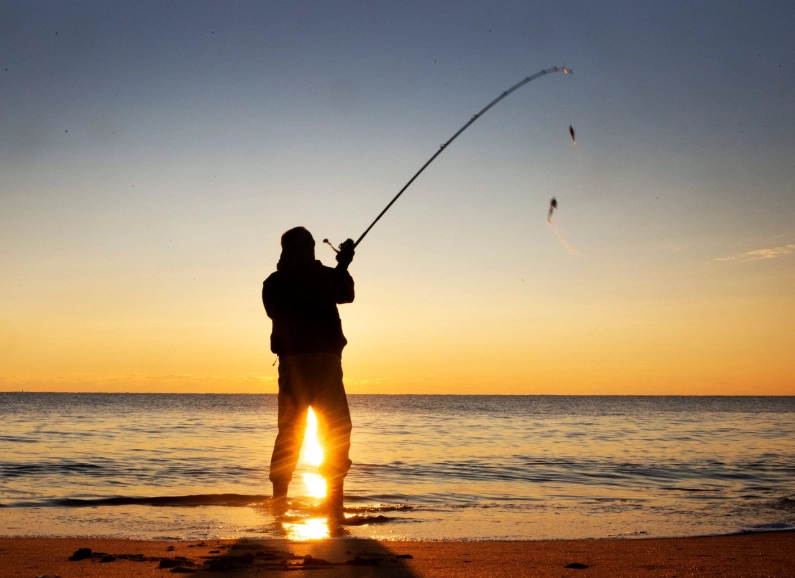
Why Shore Fishing Beats Everything Else (Most of the Time)
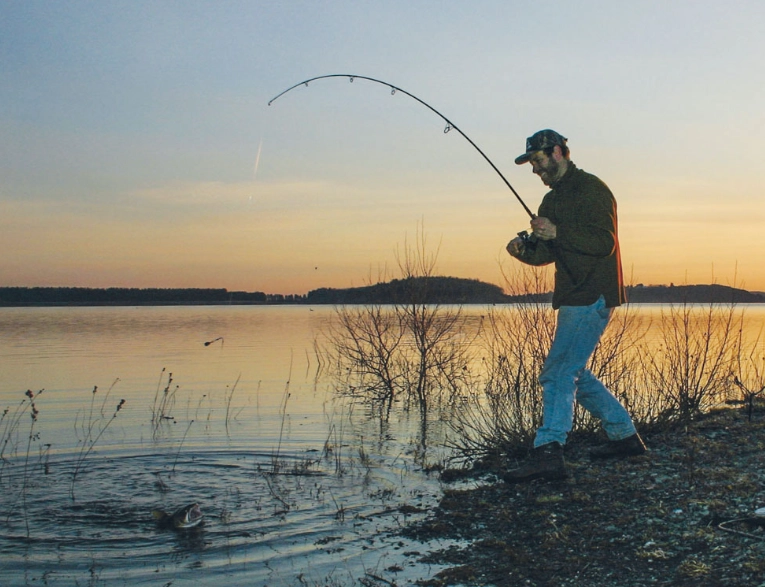
Gearing Up Without Going Broke
The Rod and Reel Combo: Your Main Tool
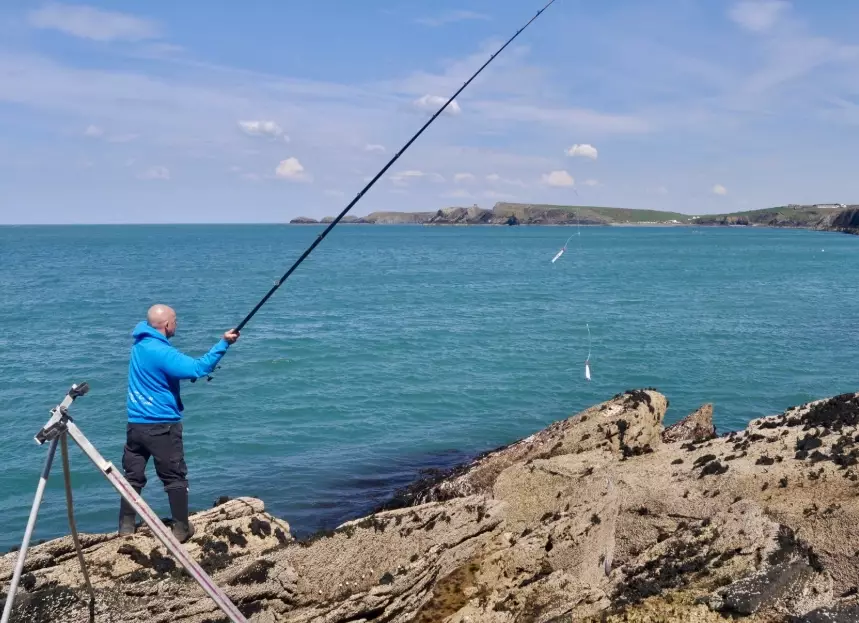
Tackle Essentials: The Minimalist's Approach
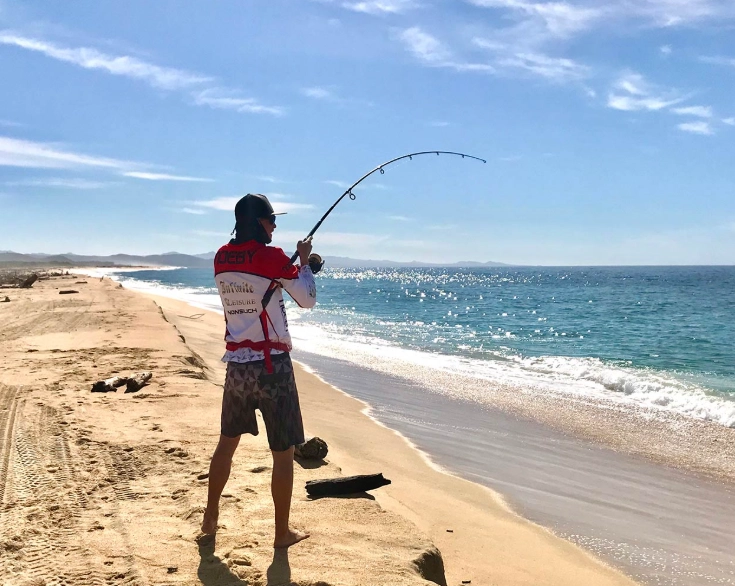
Cracking the Code: Finding Shore Fishing Hotspots
Reading the Water Like a Map
The Best Types of Shore Fishing Locations
Location Type
Target Species
Key Tactics & Tips
The Drawback
Public Piers & Jetties
Panfish, perch, sheepshead, mackerel, bottom fish.
Fish vertically off the side. Use a hi-lo rig with small hooks and bits of shrimp or squid. Great for kids/families.
Can be crowded. Fish are often "pier-wise" and picky.
Ocean Beaches (Surf Fishing)
Pompano, whiting, redfish, striped bass, sharks.
Cast beyond the breaking waves to the deeper troughs. Use pyramid sinkers. Fresh cut bait (bunker, mullet) is king. Check NOAA tide charts – an hour before and after high tide is often best.
Requires heavier gear. Can be physically demanding.
River Banks
Catfish, smallmouth bass, walleye, carp.
Find slower water next to fast current. Use enough weight to hold bottom. Live bait or smelly prepared baits work well.
Snags are common. Water levels can change rapidly.
Lake & Pond Shorelines
Largemouth bass, bluegill, crappie, carp.
Focus on visible cover (weeds, logs, lily pads) especially early and late in the day. Artificial lures excel here.
Pressure from other anglers can make fish skittish.
Techniques That Actually Work from the Bank
The Bait Fisher's Game: Patience and Presentation
The Lure Angler's Approach: Covering Water
Safety, Etiquette, and Not Being *That* Angler
Your Shore Fishing Questions, Answered