Kayak Fishing for Beginners: Your Complete Guide to Gear, Skills & Fish
Thinking about trying kayak fishing? This ultimate guide covers everything from choosing the right kayak and essential gear to mastering paddling techniques and finding fish. Get started safely and catch more fish from your kayak today!
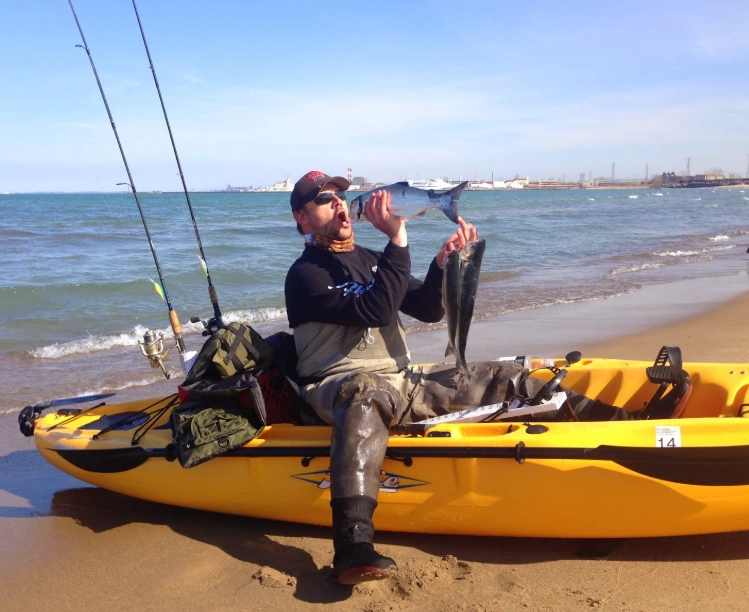
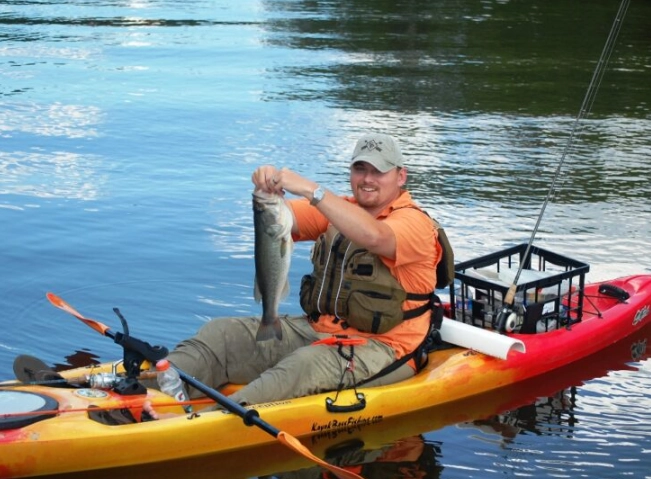
Let's be honest. The first time I saw someone fishing from a kayak, I thought they were a bit crazy. Balancing in this tiny plastic boat, trying to cast a line without tipping over? It looked like a recipe for a wet, frustrating day. But then I tried it. And man, was I wrong. Kayak fishing is something else. It's not just fishing from a different platform. It's a whole different experience. The silence as you glide over the water, getting into spots no motorboat can reach, feeling every tug on the line directly through the hull. It's raw, it's intimate, and once you get the hang of it, incredibly effective. But where do you even start? The options are overwhelming. Sit-on-top or sit-inside? Pedal, paddle, or motor? What gear do you actually need, and what's just marketing fluff? I spent a lot of money on stuff I didn't need when I began. I want to help you skip those mistakes. This guide is for the person who's curious, maybe a bit intimidated, but ready to dive in. We'll walk through it all, step by step. No jargon, no assuming you know what a "scupper hole" is. Just clear, practical advice from someone who's been there, made the errors, and finally figured out how to make this amazing sport work. Sure, it's cheaper than a bass boat. Everyone says that. But the real reasons people get hooked on kayak fishing run much deeper. First, the access. I've paddled my fishing kayak into backwater sloughs, under low-hanging trees, across skinny flats where the water was barely a foot deep. Places that scream "fishy" but are completely off-limits to bigger boats. You become a stealth hunter. The lack of engine noise means you don't spook fish. You can literally drift right over them. Then there's the connection. In a big boat, you're separated from the water. In a kayak, you're part of it. You feel the current, the wind, the temperature changes. When a fish fights, it's not just at the end of your rod—it's pulling your entire vessel. It's an adrenaline rush that's hard to match. It's also just… simpler. No trailer lights to fix, no ramp drama, no $100 fill-ups at the gas dock. You can be on the water in minutes. That simplicity means you go fishing more often. A quick after-work session on the local lake becomes a real possibility. But it's not all sunshine and calm waters. My first few trips were a comedy of errors. I brought too much gear and spent more time untangling it than fishing. I got caught in the wind and had to paddle my arms off to get back. I learned the hard way that sunscreen needs to be applied *everywhere*. The learning curve is real, but that's also part of the fun. This is the biggest decision, and the one where you can waste the most cash. Walk into a store or browse online, and you'll see a dizzying array. Let's cut through the noise. The single most important question isn't about brand or color. It's this: Where will you fish most of the time? Calm ponds and small lakes? Big, windy reservoirs? Slow-moving rivers? Or the inshore saltwater bay? Your primary fishing environment dictates almost everything. For 90% of beginners, I recommend starting with a sit-on-top (SOT) kayak. They're more stable, easier to get in and out of, and if you do take on water, it just drains out through the scupper holes. Sit-inside kayaks feel faster and offer more protection from the elements, but they can feel confining and are trickier to fish from. Now, let's talk about the propulsion debate: paddle vs. pedal. Stability is king for fishing. You want a wide, stable platform (often 32 inches wide or more) that lets you stand up to cast or sight fish. Length affects speed and tracking. Shorter kayaks (under 12 feet) turn easier but are slower. Longer ones (12-14 feet) track straighter and glide better but are harder to maneuver. Here’s a quick comparison to help you visualize the main types: My personal take? Don't buy the absolute cheapest big-box store kayak. They're often unstable tubs that will turn you off the sport. But you also don't need a $3,000 rig right out of the gate. Look for a used, name-brand sit-on-top in the 12-foot range. It's the sweet spot for learning. You can spend a fortune tricking out your kayak. Let's focus on what you need to be safe and catch fish. Everything else is bonus. This isn't optional. A calm lake can turn dangerous fast. Space is limited. You can't bring your entire tackle box. What can you skip at first? Fish finders, anchor trolleys, fancy crate systems, multiple rod holders. Learn the basics first, then add gear to solve problems you're actually having. Okay, you've got the boat and gear. Now for the fun part—actually doing it. This is where most beginner kayak fishing articles gloss over the reality. Good paddling technique saves energy for fishing. Your core does the work, not your arms. Sit up straight, rotate your torso with each stroke, and keep the strokes relatively short and close to the kayak. Practice turning, backing up, and moving sideways (draw strokes) in a safe area before you head out to fish. Wind is your biggest enemy. Check the forecast. If it's blowing over 10-15 mph, consider a different day or a protected spot. Paddling a loaded fishing kayak into a headwind is brutal work. This feels weird at first. You're sitting low, and the kayak might wobble. Start with short, underhand pitches or sidearm casts. Avoid big, overhead bombs until you're confident in your balance. Always know where your hook is. I've snagged my own leg, my PFD, the kayak itself. A hook in the hand is a trip-ender. Be mindful. Use pliers to remove hooks from fish, not your fingers. This is the magic. The fish will pull you. It's called a "kayak sleigh ride" and it's awesome. Let the fish run. Use the kayak's drag to your advantage. Keep the rod tip up and to the side to keep the line away from the kayak's edges. When it's time to land the fish, have your net ready and accessible. If you're practicing catch and release—which I highly encourage—keep the fish in the water as much as possible. Use those pliers to quickly pop the hook out, support the fish gently until it revives, and let it go. Resources like the American Fisheries Society offer great catch-and-release guidelines. Being safe isn't just about gear; it's about smart decisions. And being a good steward keeps access open for all of us. Sun and neglect are what kill kayaks. A little care goes a long way. Rinse it with fresh water after every saltwater trip. Store it out of direct sunlight, either on its side or supported evenly (not on its hull on two sawhorses, which can warp it). Check hatches and seals for cracks. Keep moving parts on pedal drives lubricated as per the manufacturer's instructions. I get asked these all the time. Here's the straight talk. Look, the goal of kayak fishing isn't perfection. It's about getting out there, enjoying the peace, and maybe outsmarting a fish or two. You will have days where you catch nothing. You will have days where you get soaked. But you'll also have those perfect mornings where the mist is rising, a bass smashes your topwater lure right next to the kayak, and you remember why you started this in the first place. It's about the adventure. So get a good kayak, wear your life jacket, and go get started. The water's waiting.Quick Guide
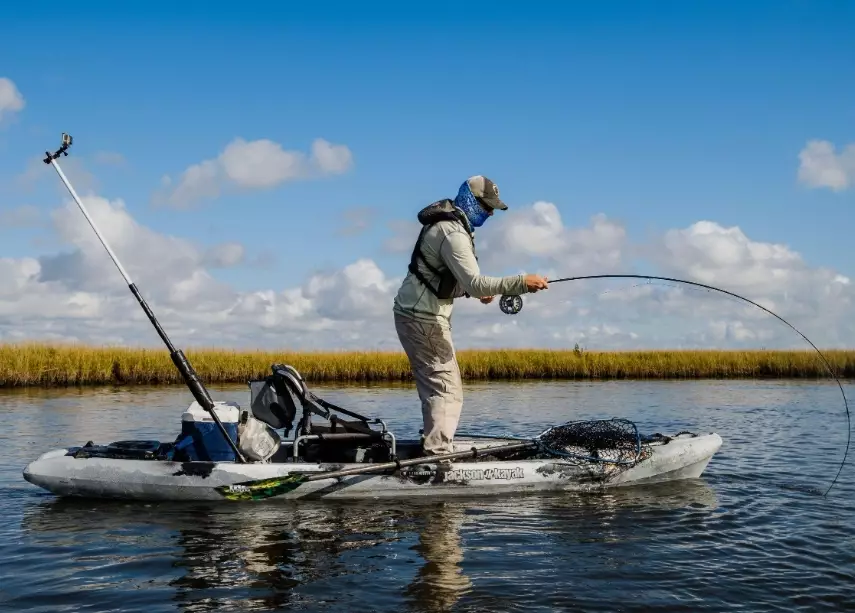
Why Kayak Fishing? (It's Not Just About Saving Money)
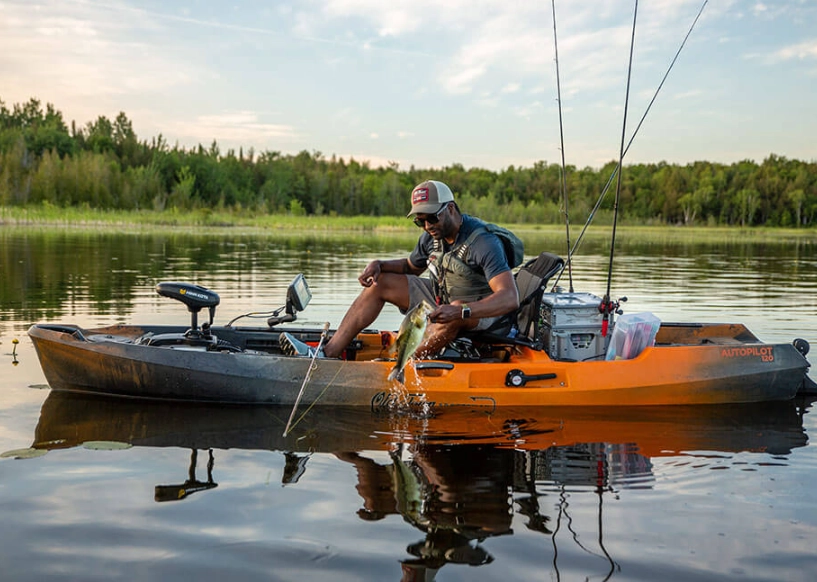
Choosing Your First Fishing Kayak: A Reality Check
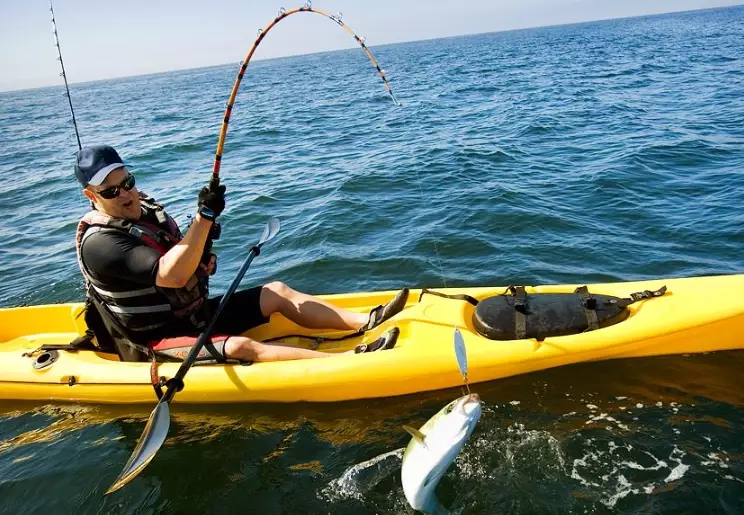
Kayak Type Best For Biggest Pros Biggest Cons Sit-On-Top (Paddle) Beginners, warm climates, calm-to-moderate waters. Super stable, easy to use, self-bailing, lots of deck space. You get wet, slower than sit-inside, harder work in wind. Sit-On-Top (Pedal) Serious anglers, lakes & bays, hands-free fishing. Hands-free propulsion, efficient, great for covering water. Expensive, heavy, mechanical parts can fail or snag. Sit-Inside Colder climates, rivers, long-distance paddling. Faster, drier, warmer, better wind protection. Less stable for standing, harder to enter/exit, can trap water. Inflatable Fishing Kayak Apartment dwellers, limited storage, travel. Extremely portable, surprisingly stable, easy storage. Generally slower, can be punctured, less rigid feel. 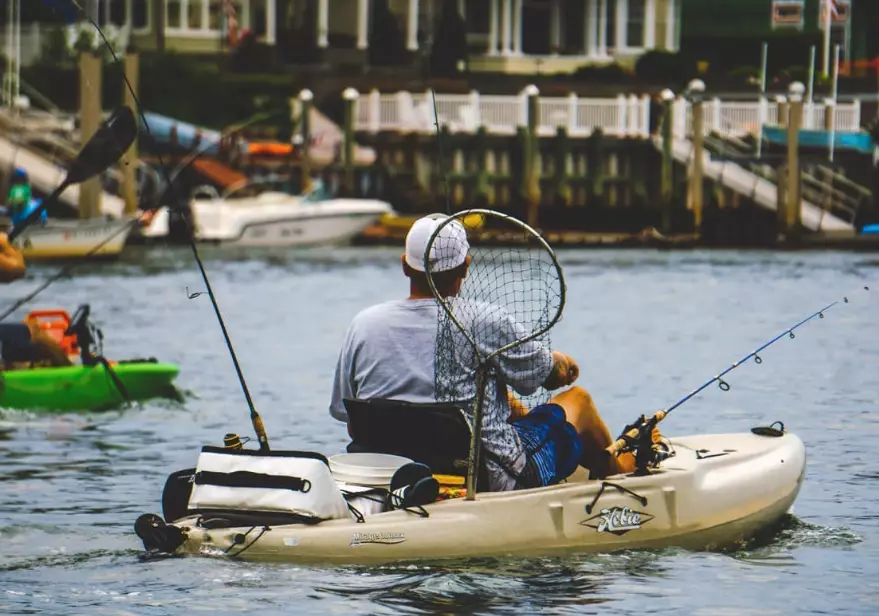
Gear Up: The Essential Kayak Fishing Equipment (And What to Skip)
The Non-Negotiables: Safety First
The Fishing Toolkit: Keep It Simple
Mastering the Skills: Paddling, Casting, and Not Falling In
Paddling Efficiently (It's Not Just Arm Strength)
Casting from a Kayak
Playing and Landing a Fish
Safety and Etiquette: The Unwritten Rules of Kayak Fishing
Maintenance and Storage: Making Your Kayak Last
Your Kayak Fishing Questions, Answered