The Complete Guide to Fish Filleting: From Novice to Pro
Want to learn how to fillet a fish perfectly every time? This ultimate guide covers everything from choosing the right knife and step-by-step techniques for different fish, to pro tips for removing pin bones and storing your fillets. Master the art of fish filleting at home.
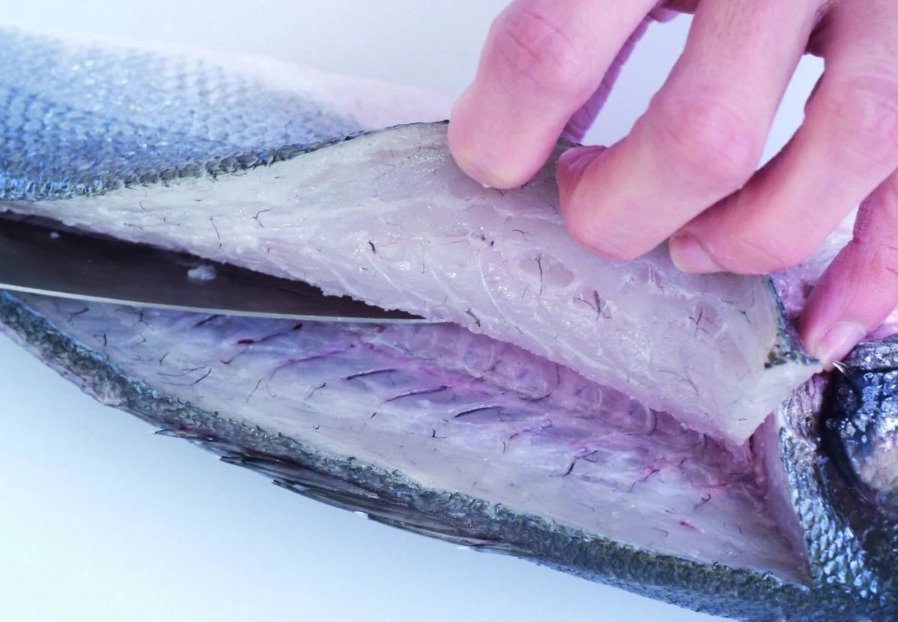
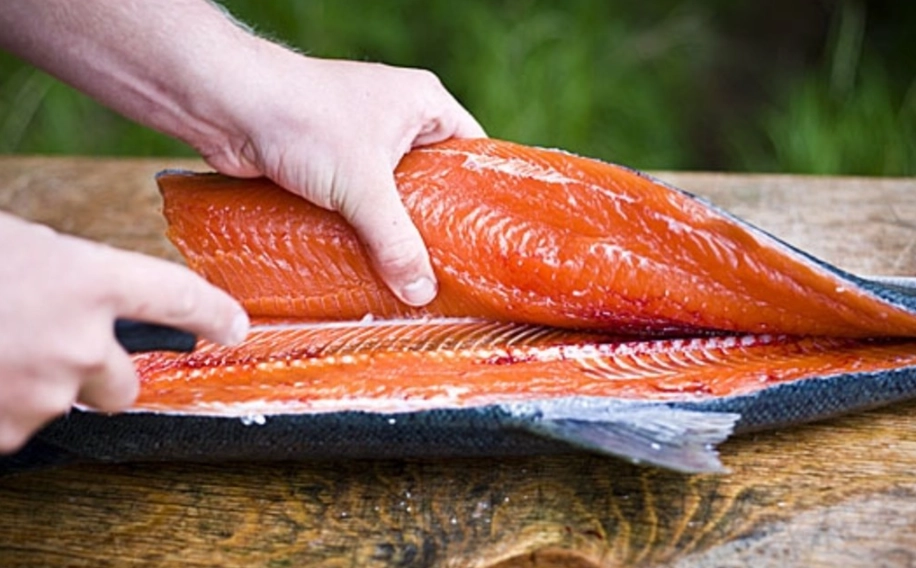
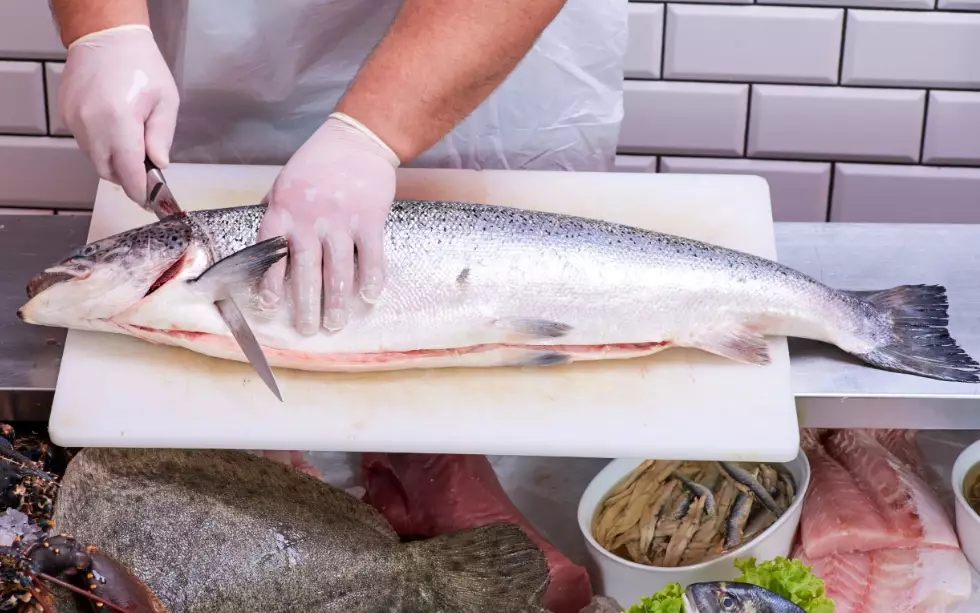
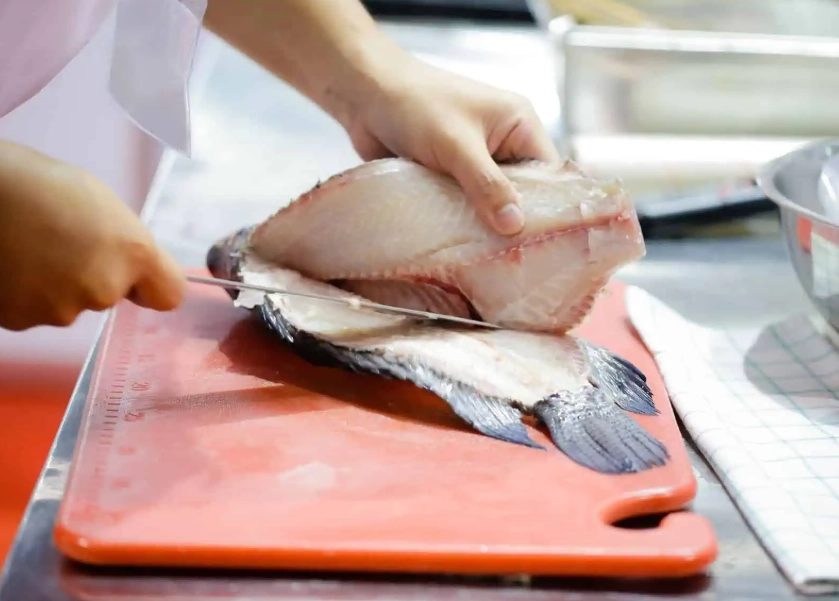
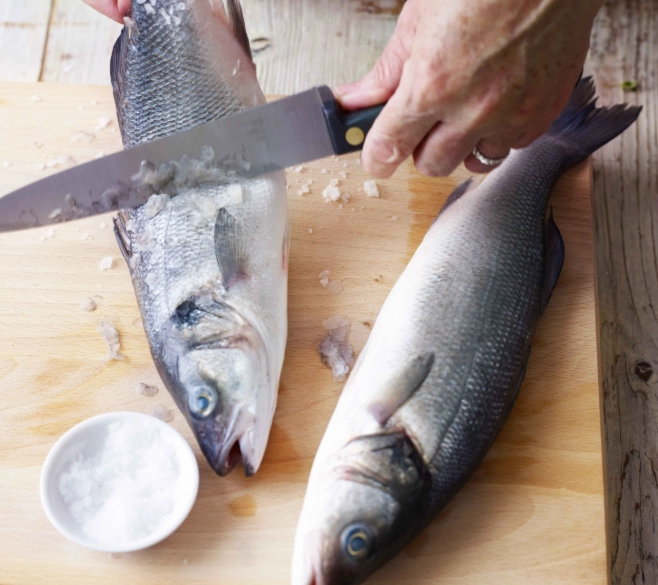
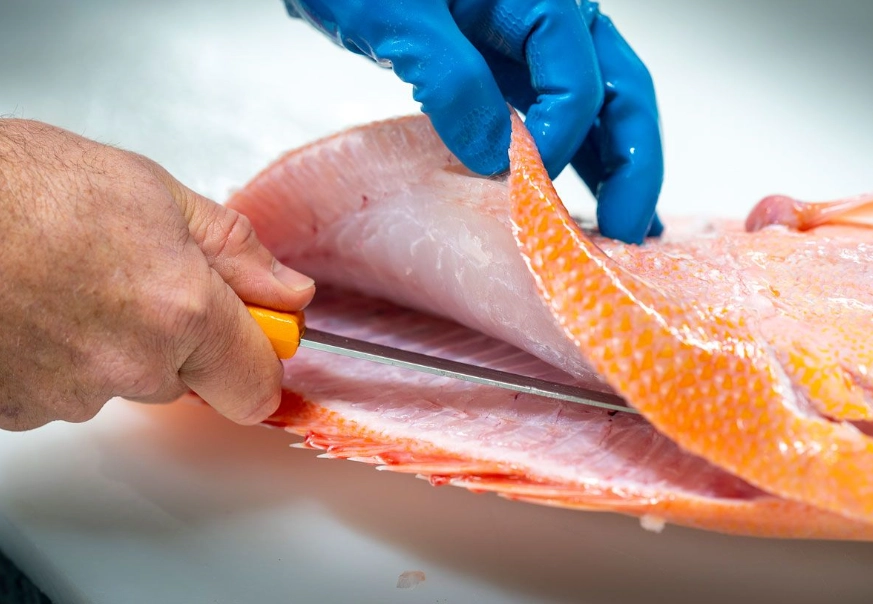
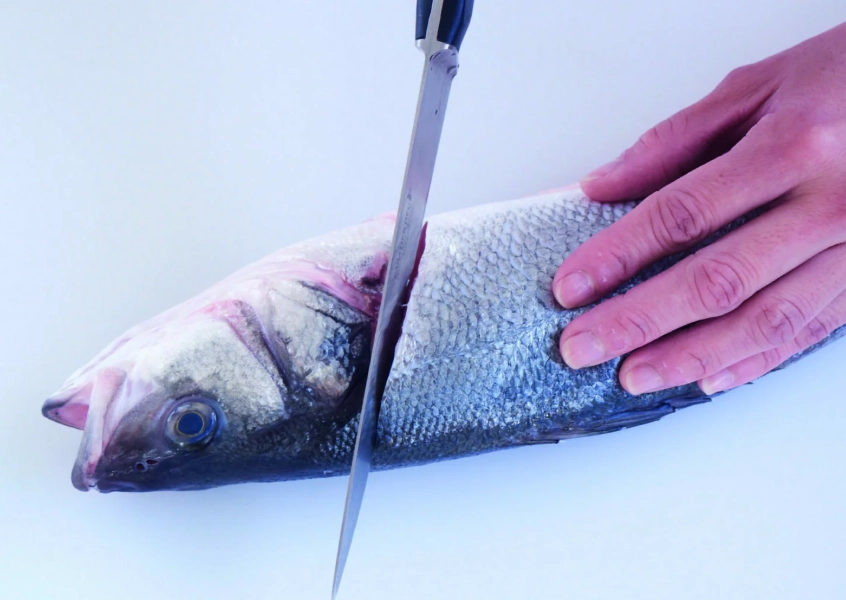
Let's be honest. The first time you try fish filleting, it can feel a bit intimidating. You've got this whole, slippery creature, a sharp knife, and a vague hope that you won't end up with a pile of mush instead of a perfect fillet. I remember my first attempt on a rainbow trout. Let's just say it was more "hacked" than "filleted." But here's the thing—it's a skill anyone can learn. And once you get the hang of it, it's incredibly rewarding. Fresher fish, less waste, more control over your meals, and honestly, it's kind of satisfying in a primal way. This guide isn't about fancy culinary school techniques you'll never use. It's the practical, down-to-earth stuff you need to go from fumbling with a knife to confidently breaking down a fish in your own kitchen. We'll walk through every single step. The right tools, the setup, the cuts for different types of fish, and all those little tips that make a huge difference. By the end, you'll have a clear path to mastering fish filleting. You can't build a house without a hammer, and you can't fillet a fish properly without the right gear. Trying to use a dull, flimsy knife is the number one reason people give up. It's frustrating, dangerous, and ruins the fish. This is where you should focus your budget. For fish filleting, you need a long, thin, flexible blade. The flexibility is key—it allows the knife to glide along the backbone and rib cage, following the contours of the fish. A stiff chef's knife just won't do the same job. A dedicated fillet knife usually ranges from 6 to 9 inches. For smaller panfish like trout or perch, a 6-inch blade is perfect. For larger fish like salmon or striped bass, you'll want an 8 or 9-inch knife for those longer, sweeping cuts. Sharpness is non-negotiable. A dull knife requires more force, slips more easily, and tears the flesh rather than slicing it cleanly. Get a honing steel and use it regularly. A few strokes before you start makes all the difference. For a deeper dive into maintaining your blade, the Culinary Schools guide to knife skills has some solid, no-nonsense advice that applies directly to our task. I made the mistake of buying a cheap "bargain" fillet knife once. The handle was uncomfortable, it lost its edge after two uses, and the flexibility was all wrong. I wasted more money replacing it than if I'd just bought a decent one from the start. Don't be like me. The knife gets all the glory, but these other items are just as crucial for a smooth, safe process. That's it. You don't need a $500 kit. A good knife, a solid board, and a pair of tweezers will cover 99% of your fish filleting needs. Not all fish are created equal when you're learning. Starting with the right candidate sets you up for success. For your first few attempts, choose a fish with a simple bone structure. Flounder, sole, trout, or branzino are fantastic starters. They're generally a manageable size, and their anatomy is straightforward. I'd avoid very large, round fish like big salmon or tuna, or very small, bony fish like sardines, until you've got the basics down. Freshness is everything. Look for clear, bright eyes (not cloudy or sunken). The gills should be bright red, not brown. The flesh should be firm and spring back when pressed, and it should smell like the ocean or a clean creek, not "fishy" or ammonia-like. The FDA's guide to selecting seafood is a great resource for decoding freshness cues. A quick tip? Make friends with your local fishmonger. Tell them you're learning to fillet. They'll often give you great advice and might even point you to the best fish for practicing. Alright, let's get to the main event. We'll use a standard round fish (like a trout, bass, or snapper) for this walkthrough. This method is the foundation for most fish filleting. Set up your cutting board securely. Have your trash bowl, water bowl, and towels within easy reach. Rinse the fish under cold water and pat it completely dry with paper towels. A wet fish is a slippery fish. If your fish still has scales, you'll need to remove them. Hold the fish by the tail and scrape from the tail towards the head with the back of your knife or a fish scaler. Do this under running water or in a clean sink to contain the mess. Place the fish on its side. You'll make your first cut just behind the pectoral fin (the side fin) and the gill plate. Angle your knife slightly towards the head, and cut down until you feel the backbone. Don't saw. Use one confident, smooth cut. This cut severs the main connection and gives you a starting point to work from. This is the core of the fish filleting technique. Turn your knife so the blade is flat, parallel to the cutting board, and facing the tail. You're going to use the backbone as your guide. Using the tip of your knife, start cutting along the backbone from head to tail. Use gentle, sawing motions. Let the flexibility of the blade do the work, riding along the top of the rib bones. You should feel and hear a slight scraping as the knife separates the flesh from the bones. Don't force it. If you hit resistance, you're probably going into the bones—adjust your angle. Pro Tip: Keep the flat of your other hand pressed gently on top of the fillet as you cut. This provides tension and helps you feel the separation happening. It also keeps the fish from sliding. Once you've cut all the way to the tail, stopping just before you sever the fillet completely, swing the knife down through the flesh at the tail to free it. You should now have the fillet attached only along the belly side, with the rib cage still underneath. Lift the free edge of the fillet. You'll see the line of rib bones. Place your knife at the front of the ribs, angle it very slightly down (towards the bones), and make a smooth, sweeping cut to separate the flesh from the ribs. The goal is to leave as little meat on the bones as possible. With a sharp, flexible knife, this should be one clean motion. And there you have it. One boneless fillet, skin still on. Turn the fish over and repeat the exact same process on the other side. Congratulations, you've just completed a full fish filleting. Quick Recap of the Cuts: 1) Cut behind the gill. 2) Guide your flexible knife along the backbone from head to tail. 3) Free the fillet at the tail. 4) Sweep the knife under the rib cage. It's a four-motion process that becomes muscle memory. Some recipes call for skin-on fillets (great for crispy skin!), others for skin-off. Removing the skin is its own little skill within the fish filleting world. Place the fillet skin-side down on the board, with the tail end closest to you. Make a small cut between the skin and the flesh at the tail end, just enough to get a grip. Now, here's the trick: hold the skin firmly with one hand (I use a paper towel for a better grip). Angle your knife blade almost flat against the cutting board, pointing slightly down towards the skin. Use a gentle back-and-forth sawing motion, pulling the skin taut as you go. You're essentially "shaving" the flesh off the skin. If you angle the knife up towards the flesh, you'll waste a lot of meat. If you go too slowly, it's harder. A confident, smooth motion works best. Even after filleting, you'll often find a line of small, soft bones running down the center of thicker fillets like salmon, trout, or pike. These are pin bones. Run your fingers lightly along the fillet—you'll feel them as tiny bumps. This is where your fish tweezers earn their keep. Grab the very tip of each bone with the tweezers and pull it out in the direction it's pointing (usually towards the head). Pull straight out; don't yank at an angle or you might tear the flesh. It's a tedious job, but it's what separates an okay fillet from a restaurant-quality one. Nobody wants a surprise bone in their dinner. The standard method works for most round fish. But what about others? The principles are similar, but the approach tweaks a bit. We all make mistakes. Here are the big ones I've made and seen, so you can skip them. Safety First: Always, always cut away from yourself. Keep your fingers curled under (the "claw grip") when holding the fish. If the fish slips or the knife slips, you don't want your fingers in the path. A cut-resistant glove on your non-knife hand is a great investment for beginners. You've done the hard work. Now for the reward. For the fillets, pat them dry, season, and cook them however you like—pan-seared, baked, grilled. The beauty is, they're ready to go. If you're not cooking immediately, pat them very dry, wrap them tightly in plastic wrap, and store them on a plate or tray in the coldest part of your fridge for a day, max. For longer, freeze them. The Oregon State University Seafood Lab has excellent, science-backed guidelines on freezing fish to preserve quality. Don't throw the scraps away! The head, bones, and tail are gold for making fish stock or fumet. Throw them in a pot with some onion, celery, herbs, and cover with water. Simmer for 30-45 minutes, strain, and you have an incredible base for soups, chowders, or sauces. It turns the whole process into a no-waste endeavor. The journey from whole fish to clean fillets is one of the most satisfying skills in the kitchen. It connects you to your food, saves you money, and impresses everyone at the dinner table. It’s not magic. It’s just a series of logical steps, a sharp knife, and a bit of practice. So grab a trout, take a deep breath, and make that first cut behind the gill. You’ve got this. Remember, every fishmonger and chef started exactly where you are right now. With this guide, you're just skipping a few of the frustrating parts I had to figure out the hard way. Now go get filleting.Quick Guide
The Non-Negotiables: Your Fish Filleting Toolkit
The Knife: Your Most Important Tool
The Supporting Cast
Choosing Your Fish: A Quick Primer
The Step-by-Step Fish Filleting Process (The Standard Method)
Step 1: Prep Your Station and Your Fish
Step 2: The First Incision (Behind the Pectoral Fin)
Step 3: Working Down the Backbone
Step 4: Releasing the Fillet
Step 5: Removing the Rib Cage
Step 6: Flip and Repeat
Skin On vs. Skin Off: How to Remove the Skin
Dealing with Pin Bones: The Final Hurdle
Fish Filleting for Different Types of Fish
Fish Type Key Characteristics Filleting Approach & Tips Flatfish (Flounder, Sole, Halibut) Both eyes on one side, flat body. You get four fillets, not two! Make a shallow cut down the center line (along the spine). Then fillet from the center line outwards towards the edges, lifting each quarter-fillet off the bones. The skeleton stays in one piece. Very Large Round Fish (Big Salmon, Tuna) Thick, dense flesh, large size. A longer, stiffer knife (like a salmon knife) can help. You may need to make deeper initial cuts. Often, for home cooks, it's easier to buy a large fish already portioned into "steaks" (cross-sections) and then fillet the bones out of each steak individually. Small, Very Bony Fish (Sardines, Smelt) Lots of small bones throughout. Honestly, for these, I often cook them whole. If you must fillet, it's a delicate job with a very small, sharp knife. The yield is low, so it's more of a advanced technique for specific dishes. Common Fish Filleting Mistakes (And How to Avoid Them)
What to Do With Your Perfect Fillets (and the Scraps)
Your Fish Filleting Questions, Answered