The Ultimate Guide to Fish Cleaning: From Catch to Kitchen (Step-by-Step)
Ever brought home a fresh catch and felt unsure about the next steps? Our ultimate fish cleaning guide walks you through the entire process, from scaling and gutting to filleting, with expert tips for safety, efficiency, and minimizing waste. Learn the right tools, techniques, and how to handle different types of fish.
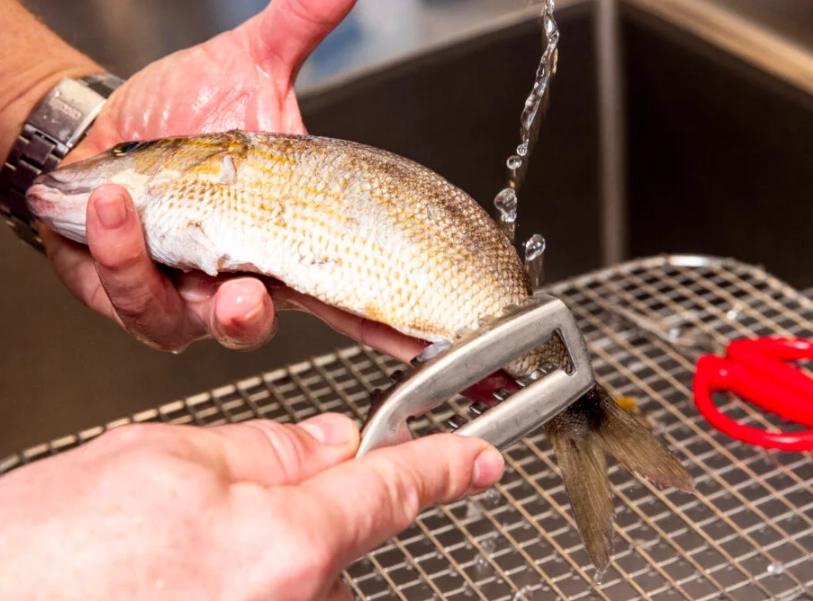
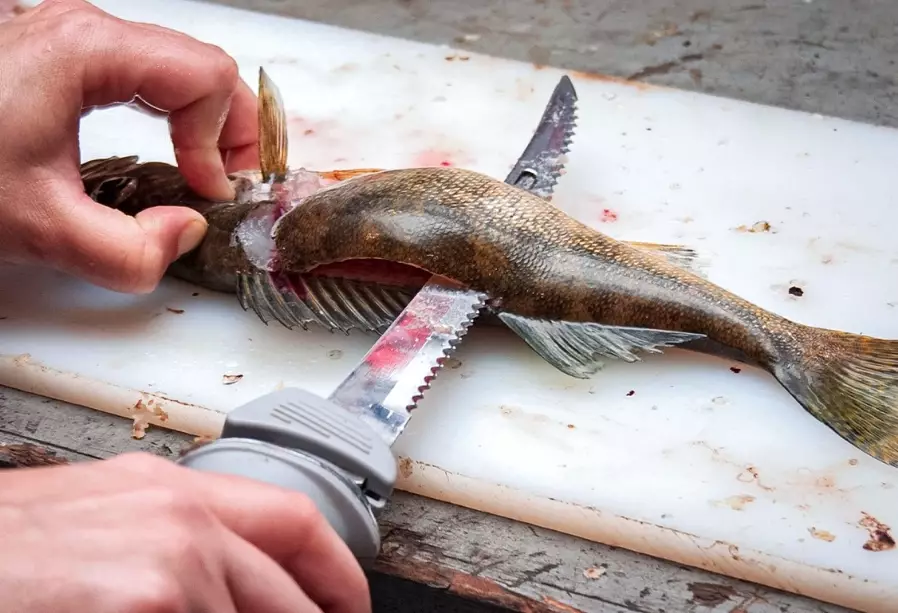
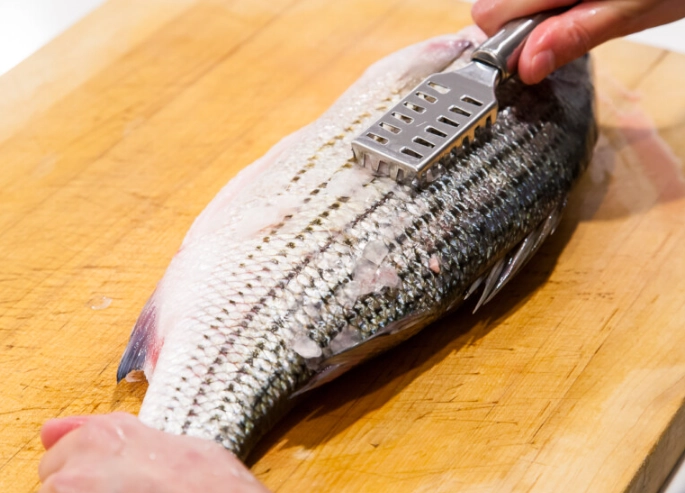
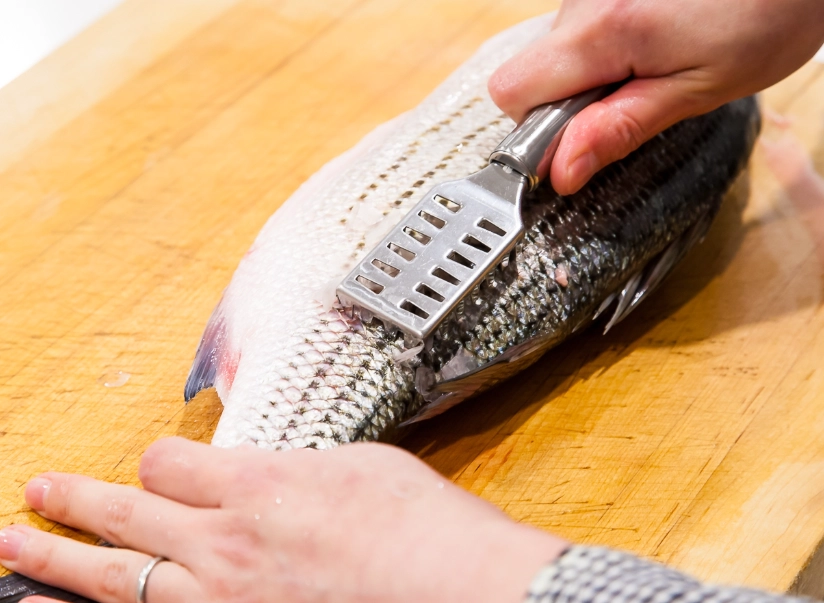
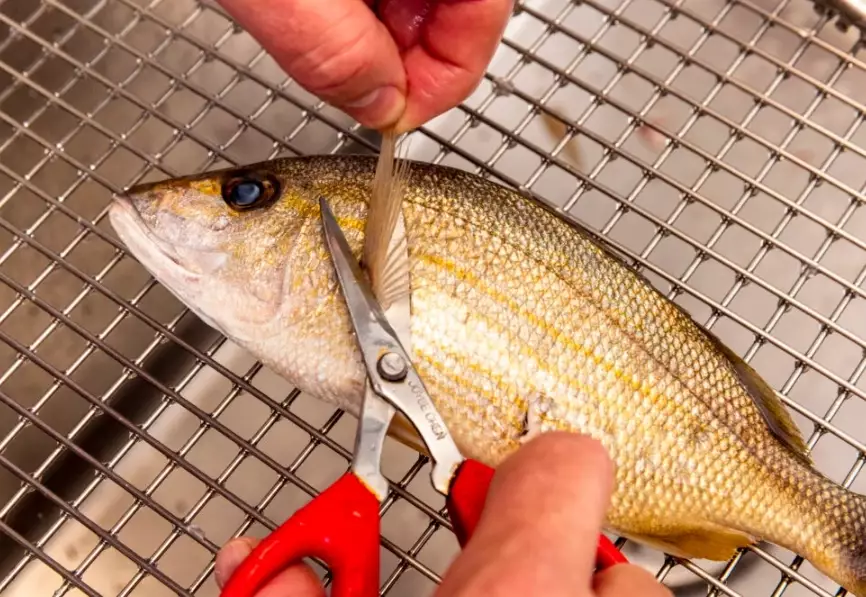
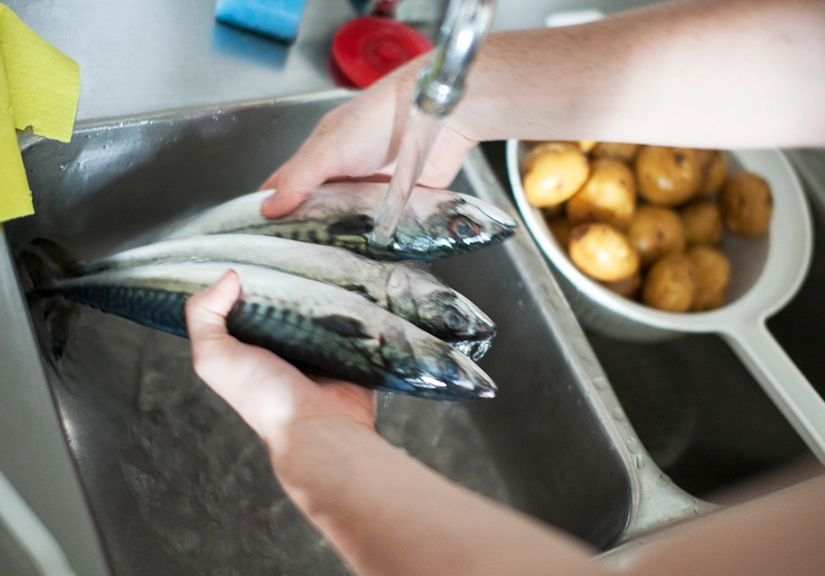
So you've got a fish. Maybe you just pulled it from a cool lake, or perhaps you picked up something beautifully fresh from the market. It looks great, but now what? That moment between admiring your catch and actually getting it ready to cook is where a lot of folks get stuck. I've been there too, standing over a sink with a slippery fish, feeling a mix of excitement and slight panic. Fish cleaning doesn't have to be a messy, intimidating chore. Honestly, once you get the hang of it, it's pretty satisfying. It connects you to your food in a way that opening a plastic package never can. This guide is here to walk you through every step, answer the questions you might be too hesitant to ask, and turn that whole process from a hassle into something you might even look forward to. Let's get one thing straight from the start. Why bother learning this at all? Can't you just ask the fishmonger to do it? Sure, you can. But there are some solid reasons to DIY. First, you have total control. You know exactly how fresh the fish was when it was processed. Second, you can tailor the job to your recipe—a whole fish for baking, perfect fillets for pan-searing. And third, it saves money. Whole fish are almost always cheaper per pound than pre-cut fillets. Learning proper fish cleaning is a fundamental kitchen skill, right up there with chopping an onion or making a basic sauce. Before you even touch a scale, let's talk setup. A good workspace makes the entire fish cleaning process flow smoothly and keeps the mess contained. This isn't glamorous, but it's crucial. Workspace Non-Negotiables: You need a stable, easy-to-clean surface. A large cutting board is ideal, but if you're working with bigger fish, a clean countertop protected with parchment or plastic wrap works. Have a large bowl or a dedicated bag nearby for scraps. Keep a roll of paper towels or a dedicated cloth within arm's reach—fish are slippery. Good lighting is a must; you need to see what you're doing. Now, let's talk tools. You don't need a professional kit, but a few key items make a world of difference. Using the wrong tool is a fast track to frustration and potentially ruining good meat. I made the mistake early on of trying to use a big, rigid chef's knife for everything. It was a disaster. The knife kept catching, and I nearly cut myself a few times. Investing in a proper, affordable fillet knife was a game-changer for my fish cleaning confidence. Okay, workspace ready, tools laid out. Let's get to the main event. We'll start with a common scenario: a whole fish with scales, like a trout, snapper, or bass. The goal here is to get it ready for cooking, whether that's whole, as fillets, or as cleaned steaks. This is often the messiest part, so do it first and contain the mess. Hold the fish firmly by the tail on your cutting board, over your scrap bowl or in a clean sink. Using your scaler or the back of your knife, scrape from the tail towards the head. Use short, quick strokes. You'll see the scales flying off. Be thorough around the base of the fins, the belly, and behind the gills. Rinse the fish under cold water when done. You'll know it's clean when the skin feels smooth, not gritty. Some fish, like catfish or shark, don't have scales. Lucky you—skip this step! Watch Out: Scales can fly everywhere. Doing this outside or in a sink lined with a plastic bag can save a huge cleanup. And be careful of the dorsal (top) fin spines—they can prick you. This is for safety and eating comfort. Use your kitchen shears to snip off the dorsal fin (on the back), the pectoral fins (sides), the pelvic fins (bottom front), and the anal fin (bottom rear). Cut as close to the body as possible. For large, stiff dorsal fins, you might need to make a small V-cut on either side and pull it out with a towel to avoid the spines. I learned this the hard way after getting a nasty poke from a perch fin. This is the part people find most daunting, but it's straightforward. Place the fish belly-up. Make a shallow incision from the anal vent (the small opening near the tail) all the way up to the point just below the gills. Be careful not to puncture the intestines. Reach in and pull everything out towards the head. You can use a spoon to help scoop. You'll remove the stomach, intestines, and often a dark red kidney line along the backbone. Scrape that out with your thumb or the spoon. Rinse the cavity thoroughly under cold running water, making sure all blood and membrane are gone. What about the gills? They can impart a bitter flavor. If you're cooking the fish whole, it's a good idea to remove them. Open the gill plate and cut where the gills attach at the top and bottom; they should pull out in one piece. At this point, you have a fully cleaned fish that can be cooked whole. You've mastered the essential fish cleaning sequence. But maybe you want fillets. Let's keep going. Lay the cleaned fish on its side. Make a deep, confident cut behind the gill plate and pectoral fin, down to the backbone. Now, turn your knife parallel to the board and, using the backbone as a guide, make long, smooth strokes from head to tail, separating the fillet from the ribs. You'll feel the knife glide over the rib bones. Try to leave as little meat on the skeleton as possible. Once you reach the tail, cut through to release the fillet. Flip the fish and repeat on the other side. Now you have two skin-on fillets. If you want skinless, place the fillet skin-side down on the board. Hold the tail end firmly, and with your knife at a shallow angle, cut between the skin and the meat, using a gentle sawing motion while pulling the skin taut. It takes practice—your first few might be a bit ragged, and that's perfectly okay. Run your fingers along the center of the fillet. You'll feel a line of small, needle-like pin bones. Use your pliers or tweezers to grab each one and pull it out in the direction it's pointing (usually towards the head). Pull firmly and steadily. Shining a light underneath the fillet can make these bones glow and easier to spot. My first solo trout fillet was... rustic. Let's call it that. I left half the meat on the bones and the skin was a torn mess. But you know what? It still tasted amazing cooked over a campfire. Don't let the pursuit of perfection stop you from starting. Every fish is practice, and even "imperfect" fillets are delicious. Not all fish are created equal. The basic principles hold, but you tweak your approach. Here’s a quick breakdown of some common categories. We're dealing with raw animal product, so let's be smart. Food safety is a non-negotiable part of responsible fish cleaning. The U.S. Food and Drug Administration (FDA) has clear guidelines for handling seafood that are worth following to prevent foodborne illness. Keep everything cold. If your fish wasn't already on ice, get it on ice or in the fridge until you're ready to clean it. Clean it promptly. After cleaning, rinse the fish under cold water and pat it dry. Refrigerate it immediately if you're not cooking it right away. Use it within a day or two, or freeze it properly. Sanitize your tools and workspace. Wash your knives, board, shears, and pliers in hot, soapy water immediately after. I like to wipe down my counter with a diluted bleach solution or a dedicated kitchen sanitizer. It sounds like overkill, but it prevents cross-contamination and lingering smells. The USDA Food Safety and Inspection Service emphasizes cleaning surfaces that have touched raw fish before using them for other foods. And personal safety? A sharp knife is safer than a dull one because it requires less force. Always cut away from your body. Watch out for those fin spines—some, like on a walleye or catfish, can deliver a painful sting or poke. Use a towel for a better grip on slippery fish. Here's a part most guides skip, but I think it's important. You're left with a pile of heads, bones, skin, and fins. Tossing them feels wasteful, especially if you paid for the whole fish. With a little extra effort, you can get incredible value from these "scraps." Fish Stock or Fumet: This is the #1 use for fish heads and bones. Roast them lightly in the oven for deeper flavor (optional), then simmer with onions, celery, carrots, a bay leaf, and some peppercorns for about 30-45 minutes. Strain, and you have a liquid gold base for chowders, risottos, and sauces. It freezes beautifully in ice cube trays or containers. The NOAA FishWatch site talks about sustainable seafood practices, and using the whole catch is a big part of that ethos. Fish Head Curry or Stew: In many cuisines, the head is the prized part, packed with gelatin and flavor. Don't be afraid of it! Simmer it in a spicy, coconut-based curry—the meat around the cheeks and collar is incredibly tender and flavorful. Crispy Fish Skin: Pat fish skin dry, season with salt, and fry it in a pan until super crispy. It's like a gourmet fish chip, perfect for topping chowder or salads. If you really can't use them, at least compost the plant-based scraps (veggies from stock). Check local regulations for animal waste, but in many places, burying fish scraps deep in a garden bed (away from animals) can provide nutrients. Look, the journey from a whole fish to a beautiful plate of food is incredibly rewarding. It demystifies your ingredients and gives you a deeper appreciation for the food you eat. Yes, the first few times you clean a fish might be slow and a bit messy. You might leave some good meat on the bones. Your fillets might not look like they came from a fancy restaurant. That's all fine. Each fish is a lesson. You'll get faster. You'll get cleaner. The satisfaction of serving a meal that you transformed from its most basic form is unbeatable. So grab a fish, gather your tools, and give it a try. Start with a smaller, inexpensive fish if you're nervous. Follow these fish cleaning steps, take your time, and remember—even if it's not perfect, you're learning, and you're creating something real.What’s Inside?
Getting Your Mind (And Workspace) Right
The Core Fish Cleaning Process: A Step-by-Step Walkthrough
Step 1: Scaling the Fish
Step 2: Removing the Fins
Step 3: Gutting (Eviscerating) the Fish
Step 4: Filleting (The Art of Getting Boneless Meat)
Step 5: The Final Touch: Deboning
Handling Different Types of Fish
Fish Type
Key Cleaning Characteristics
Best Approach
Round Fish (Trout, Salmon, Snapper)
Classic body shape, central backbone, two fillets. Usually have scales.
The standard process above works perfectly. Scale, gut, then fillet.
Flatfish (Flounder, Halibut, Sole)
Both eyes on one side, swim sideways. Four fillets (two top, two bottom).
Scale the dark (top) side. Make a cut down the centerline, then fillet outwards towards the edges. Flip and repeat.
Skinless & Scaleless (Catfish, Shark, Eel)
Tough skin or no scales. Often have a different texture or slime layer.
Skip scaling. For catfish, skinning is often preferred (nail head to a board, peel skin with pliers).
Very Small Fish (Sardines, Smelt)
Often eaten whole. Bones are soft and edible when cooked.
Just scale and gut. No need to fillet. Sometimes you don't even need to gut if cooking immediately.
Extra Bony Fish (Carp, Shad)
Have a troublesome line of intramuscular Y-bones.
Requires a special cutting technique to remove the bone line. Often better suited to recipes where long cooking dissolves the bones.
Safety and Hygiene: This Isn't Just About the Fish
Beyond the Basics: What to Do With All the Leftovers?
Your Fish Cleaning Questions, Answered