How to Cook Fish Perfectly: A Foolproof Guide for All Methods
Ever wondered how to cook fish that's perfectly flaky, moist, and full of flavor every single time? This ultimate guide covers everything from selecting the freshest fish to mastering baking, pan-frying, grilling, and steaming. We'll demystify doneness tests, share chef-approved tips, and answer all your burning questions to make you a confident fish cook.
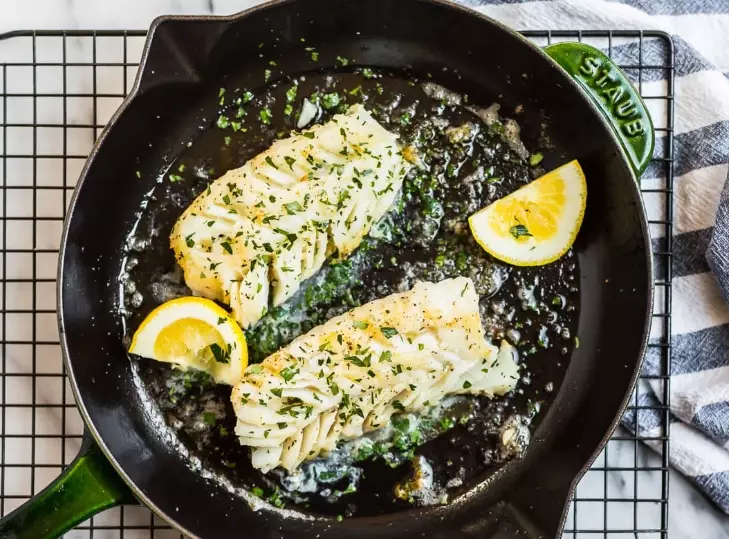
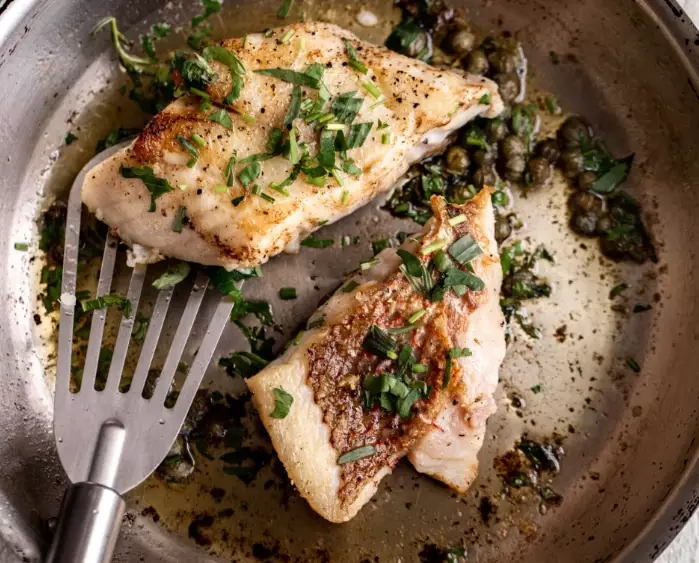
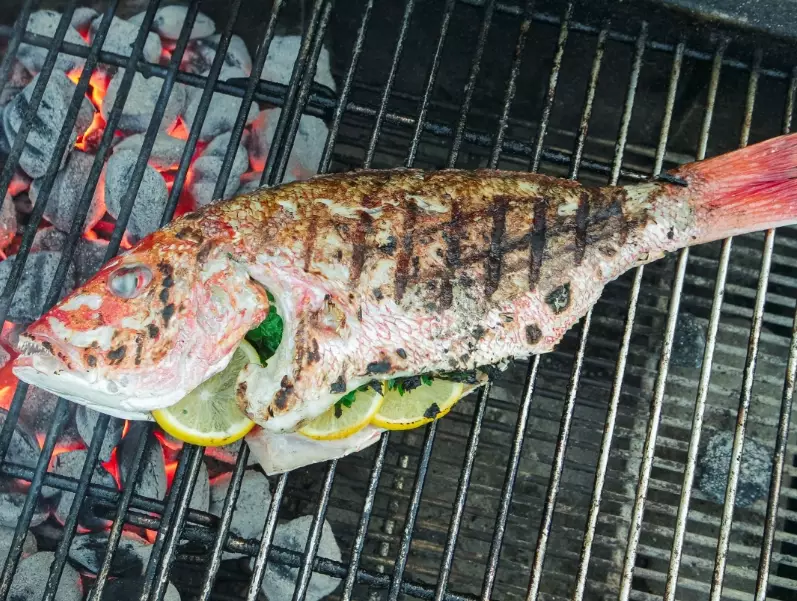
Let's be honest. The idea of cooking fish at home can be a bit intimidating. We've all been there—you bring home a beautiful piece of salmon or cod, full of good intentions, only to end up with something dry, rubbery, or bland. It sticks to the pan, it falls apart, it just doesn't taste like the restaurant version. I remember my first attempt at pan-searing trout. Let's just say it looked more like fish confetti than a nice fillet. A total mess. But here's the thing: learning how to cook fish well is one of the most rewarding kitchen skills you can pick up. It's fast, it's healthy, and when done right, it's absolutely delicious. This isn't about fancy techniques or obscure ingredients. It's about understanding a few basic principles that apply whether you're baking, frying, grilling, or steaming. By the end of this guide, that fear will be gone. You'll know exactly how to choose your fish, prep it, cook it, and nail it every single time. You can't cook a great meal with subpar ingredients. This is especially true for fish. The first step in learning how to cook fish is learning how to buy it. Walk right past those sad, grayish fillets swimming in liquid. You want the good stuff. Look for clear, bright eyes if you're buying whole fish. The flesh should be firm and spring back when you press it gently. It should smell like the clean ocean or a fresh cucumber—not fishy. A strong "fishy" odor is a sign it's past its prime. For fillets and steaks, look for moist, glistening flesh with no gaping or discoloration. The USDA's Food Safety website has a great, straightforward guide on selecting and handling fish safely, which is a solid resource to bookmark. This is the single most useful way to think about fish when you're deciding how to cook it. The fat content dictates the best method. See how that works? Lean fish like cod have very little internal fat to keep them moist during high-heat cooking. They need protection—a sauce, a poaching liquid, or a quick sear. Fatty fish like salmon are more forgiving. Their own fat bastes them from the inside, making them ideal for the dry heat of an oven or grill. What about frozen? Don't snub it. High-quality frozen fish is often flash-frozen at sea within hours of being caught, which locks in peak freshness. It can be far better than "fresh" fish that's been sitting on ice for a week. Just thaw it slowly in the fridge overnight. Okay, you've got your fish home. Before you even think about heat, there's some prep. Skipping this is like trying to build a house without a foundation. Pat it Dry. Really Dry. This might be the most repeated, yet most ignored, tip in cooking. Use paper towels and pat the surface of the fish completely dry. Any moisture on the surface will steam instead of sear, and you'll never get that beautiful, crispy skin or golden crust. I'm talking bone-dry. Seasoning. Salt is your best friend. Season both sides generously with kosher salt or sea salt at least 15-20 minutes before cooking, if you have time. This seasons it throughout and helps firm up the flesh. Pepper can burn at high heat, so I often add it after cooking. Other seasonings? Keep it simple at first. Lemon zest, dill, paprika, garlic powder—all great. But let the fish shine. The skin is delicious when cooked properly—crispy and full of flavor. It also acts as a natural barrier, protecting the delicate flesh underneath. For pan-frying, always cook skin-on, skin-side down first. For baking or grilling, it's a matter of preference. If you don't want to eat it, you can easily remove it after cooking. Some people swear by soaking fish in milk to remove any "fishy" taste. I've tried it. It works okay for stronger-flavored fish like mackerel, but for most fresh, mild fish, it's an unnecessary step. Proper buying and a quick brine or salt ahead of time does the trick. This is the core of it all. Let's break down the most common ways to cook fish, step-by-step. I'll tell you not just the "how," but the "why" behind each step. Baking is arguably the easiest and most foolproof method, especially for beginners wondering how to cook fish without stress. It's gentle, even, and hard to mess up. Preheat your oven to a moderately high heat, around 400°F (200°C). Place your seasoned fish fillets or steaks in a baking dish. For lean fish, add some moisture. A splash of white wine, a drizzle of olive oil, a few lemon slices, or even a bed of cherry tomatoes or sliced fennel works wonders. The steam from these elements will keep the fish succulent. For fatty fish like salmon, you can bake it on a parchment-lined sheet with just a little oil. The general rule is to bake for 10 minutes per inch of thickness, measured at the thickest part. But don't just set a timer and walk away. Start checking a few minutes early. The fish is done when it flakes easily with a fork and is opaque all the way through. This is the method for achieving restaurant-quality texture at home. The key? High heat, the right fat, and patience. Why cook it mostly on the skin side? The skin protects the flesh from the direct, intense heat. By the time you flip it, the fish is almost cooked through, and the brief sear on the other side is just to finish it off without overcooking. The biggest mistake? Flipping too early. The fish will tell you when it's ready to flip—it will release easily from the pan. If it's sticking, it's not ready. Grilling imparts a wonderful smoky flavor. The challenge is the fish sticking to the grates and falling apart. Here's how to win. First, make sure your grill grates are scrupulously clean and very hot. Brush the grates and the fish itself generously with oil. A fish basket or grilling mat can be a lifesaver for delicate fillets. For steaks like tuna or swordfish, or whole fish, you can place them directly on the grates. Place the fish on the grill at a 45-degree angle to the grates for nice grill marks. Again, don't move it! Let it sear and develop a crust. When it releases easily, rotate it 90 degrees for cross-hatch marks, or flip it if it's halfway cooked. For whole fish, the rule of thumb is about 8-10 minutes per inch of thickness, flipping once halfway. Steaming is the gentlest method, preserving the delicate, pure flavor and silky texture of the fish. It's the ultimate test of freshness because there's nowhere for off-flavors to hide. Bring an inch or two of water to a simmer in a pot. Place the fish on a heatproof plate or in a bamboo steamer basket above the water (not in it). You can add aromatics to the water—ginger slices, lemongrass, scallions—to infuse subtle flavor. Cover tightly and steam. The timing is quick: usually 6-8 minutes per inch of thickness. When done, the fish will be uniformly opaque and will have a slightly glossy, wet look. Drizzle with a little soy sauce, sesame oil, and scatter with fresh herbs. It's sublime. This is the million-dollar question. Overcooked fish is dry. Undercooked fish is, well, raw. Here are the reliable tests, in order of reliability. Remember: carryover cooking. Fish continues to cook from residual heat after you take it off the stove or out of the oven. So, aim to remove it from the heat source just before it looks perfectly done. Let it rest on a warm plate for a couple of minutes. It will finish cooking gently and the juices will redistribute. Learning how to cook fish isn't about memorizing one recipe. It's about understanding a framework. Start with a fresh, well-chosen piece. Prep it with care (dry it!). Match the method to the fish's fat content. Use high heat for searing, gentle heat for delicate cooking. Test for doneness with a thermometer or the flake test, and remember it keeps cooking off the heat. Don't get bogged down in perfection. My "fish confetti" disaster taught me more than a dozen perfect attempts ever could. Start with a simple baked salmon or a pan-seared trout. Follow the steps, trust the process, and taste as you go. Before you know it, you'll be glancing at the fish counter with confidence, knowing you can turn whatever looks good into a simple, stunning dinner. That's the real goal—making delicious, healthy fish a regular, stress-free part of your life at home. Now go grab a fillet and get cooking.Quick Navigation
Step 1: It All Starts at the Store (Choosing Your Fish)
Fat Content is Your Cooking Compass
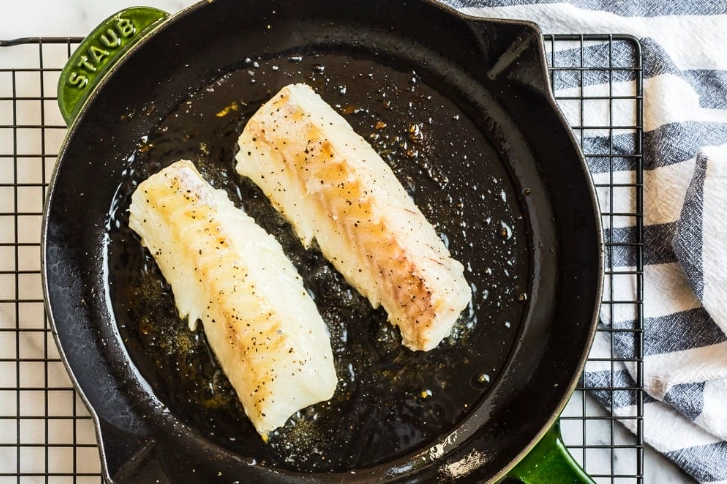
Type of Fish Fat Content Examples Best Cooking Methods Lean Fish Low (less than 5% fat) Cod, Haddock, Flounder, Tilapia, Snapper, Halibut, Sea Bass Pan-frying, steaming, poaching, baking (with sauce/moisture) Moderate-Fat Fish Medium (5-10% fat) Rainbow Trout, Catfish, Mahi-Mahi, Arctic Char Pan-frying, baking, grilling, broiling Fatty Fish High (over 10% fat) Salmon, Tuna (Bluefin), Mackerel, Sardines, Herring Baking, grilling, broiling, pan-searing, raw (sashimi) Step 2: The Prep Work (This is Non-Negotiable)
To Skin or Not to Skin?
Step 3: Your Arsenal of Methods (How to Cook Fish Every Which Way)
How to Bake Fish (The Easy, Hands-Off Winner)
How to Pan-Fry Fish (For That Perfect Crispy Skin)
How to Grill Fish (The Summer Favorite)
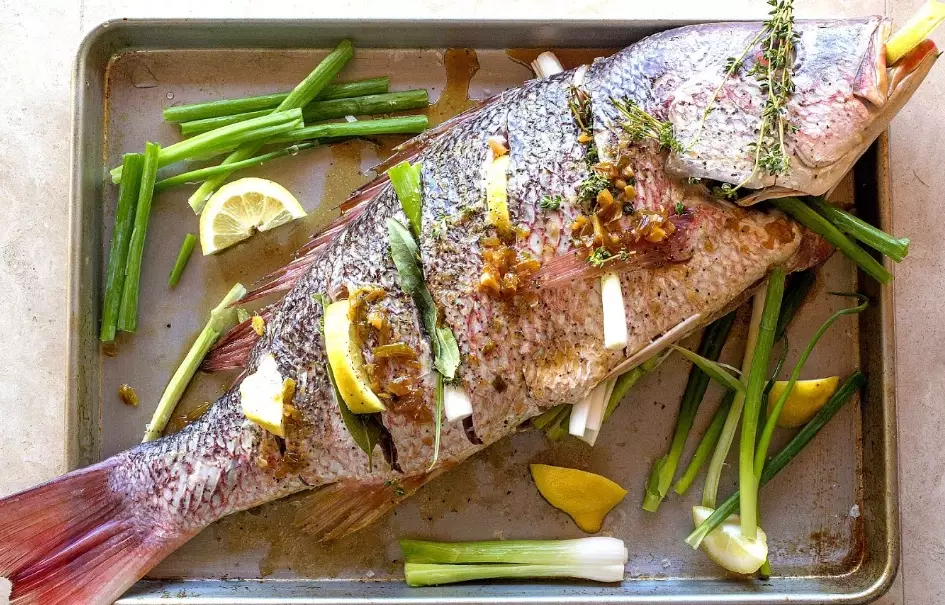
How to Steam Fish (The Purity Test)
Step 4: How Do You KNOW It's Done? (The Doneness Dilemma)
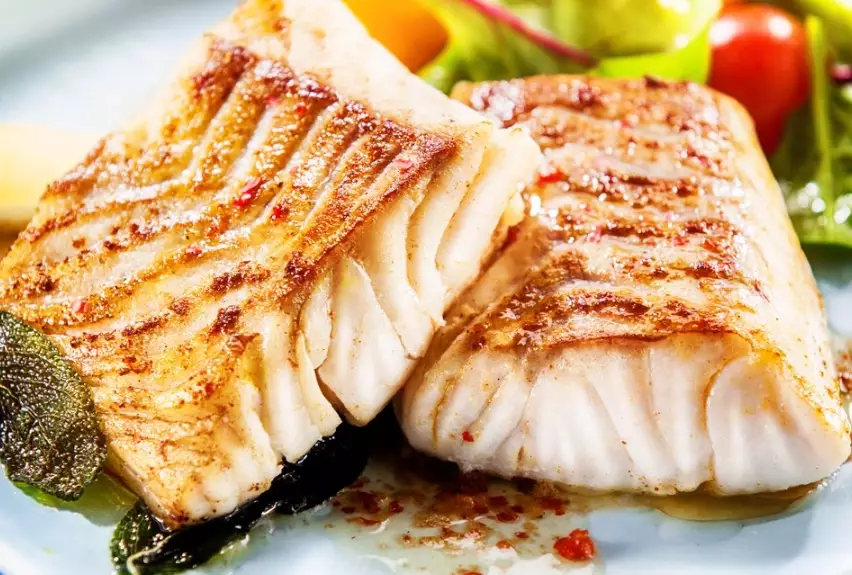
Fixing Common Problems & Answering Your Questions
Wrapping It Up: Your New Fish-Cooking Mindset