Essential Fishing Recipes: From Catch to Kitchen
Ever wondered how to turn your fresh catch into a delicious meal? This ultimate guide to fishing recipes covers everything from cleaning your fish to pan-frying, grilling, and baking, with pro tips and easy-to-follow instructions for beginners and experts alike.
Let's be honest. The thrill is in the catch, right? That tug on the line, the fight, the victory lift out of the water. You snap a picture, maybe weigh it. Then... it hits you. You're holding a beautiful, fresh fish and you have only a vague idea what to do next. Grill it? Fry it? How do you even get it ready for the pan? I've been there. My first few catches ended up as a mushy, over-seasoned mess because I skipped the basics. It was disappointing, almost enough to make me just throw them back. It doesn't have to be that way. Turning your catch into a fantastic meal is one of the most rewarding parts of fishing. This isn't about fancy, five-star restaurant fishing recipes. This is about solid, reliable methods that work in a home kitchen or over a campfire. We're going from the dock to the dinner plate, step by step. No fluff, just the stuff that actually works. You can't talk about fish recipes without talking about prep. This is where most beginners (including past me) go wrong. A poorly cleaned fish ruins everything, no matter how good your recipe is. Cleaning a fish isn't glamorous, but it's simple once you get the hang of it. You have a couple of main paths: My personal take? For beginners, learning to fillet a panfish like a bluegill or crappie is the best starting point. They're smaller, the bones are easier to navigate, and the fillets are perfect for simple recipes for fish you catch yourself. This is the fun part. The best cooking method depends on the type of fish you caught and how much time you have. A delicate flounder fillet needs different treatment than a meaty salmon steak. Here’s a quick breakdown to help you decide: See what I mean? That walleye fillet you're proud of? It would be amazing pan-fried with a little butter. That whole striped bass? Fantastic on the grill or in the oven. It's about matching the tool to the job. Alright, let's get to the actual cooking. These are my foundational fishing recipes. They're simple, highlight the fresh flavor of the fish, and have never let me down. I still use them weekly during the season. This is the gateway recipe. If you only learn one way to cook your catch, make it this one. It works for trout, bass, bluegill, walleye—you name it. What you need: Fresh fish fillets (skin-on or off), salt, black pepper, all-purpose flour, paprika (optional, but nice), butter and a high-heat oil (like canola or avocado oil). The simple steps: My tip: Don't crowd the pan. Cook in batches if you have a lot. Crowding steams the fish and you lose the crisp. Serve with a squeeze of lemon. That's it. Perfection. Why does this simple recipe for pan fried fish work so well? It's all about technique, not ingredients. The hot pan, the dry fish, the patience to let the skin crisp up. It lets the flavor of your fresh catch shine. Grilling fish directly on the grates can be nerve-wracking. It sticks, it falls through, it's a disaster waiting to happen. Foil packets are your foolproof solution. They steam and bake the fish in its own juices, infusing it with whatever flavors you add. I use this for fillets that are a bit more fragile, or when I'm feeding a group and don't want to babysit the grill. Zero mess, zero stress, and the fish is always moist. It's a fantastic fishing recipe for camping trips. Sometimes you just want that classic, crispy, pub-style fish. This is it. The carbonation in the beer makes the batter light and airy. Cut your firm white fish (cod, haddock, catfish, or even bass) into strips. Mix 1 cup of flour with a teaspoon of baking powder, salt, and pepper. Whisk in about 3/4 cup of cold beer (a lager works great) until you have a batter the consistency of heavy cream. Dip the fish, let excess drip off, and carefully lower into the hot oil. Fry until golden brown, about 3-5 minutes. Drain on a rack, not paper towels (this keeps the bottom from getting soggy). Serve with tartar sauce and fries. It's a guaranteed hit and one of those easy fish recipes that feels special. You had a great day and caught more than you can eat in one sitting. Fantastic! Fresh fish is best eaten within a day or two, but you can extend its life. To store fresh fish: After cleaning, pat it very dry. Place it in a sealed container or zip-top bag on top of a bed of ice in the fridge. Change the ice as it melts. This can buy you an extra day of peak freshness. To freeze: For longer storage, freezing is your friend. But don't just toss the fillet in a bag. Use the "glaze" method: Place the fillets on a parchment-lined tray and freeze them solid (about 2 hours). Then, dip each frozen fillet quickly in cold water to form a thin ice glaze. Repeat the dip-freeze process 2-3 times to build up a protective ice layer. Finally, wrap in plastic wrap and place in a freezer bag, pressing out all the air. This prevents freezer burn dramatically. Label it with the date and type of fish—you will forget. The Oregon State University Sea Grant program has a great, detailed guide on home freezing that's saved many of my catches. To reheat cooked fish: This is tricky. The microwave will turn it rubbery. The best method is a gentle reheat in the oven. Place the fish on a rack over a baking sheet, cover loosely with foil, and warm it at 275°F (135°C) until just heated through. It won't be as perfect as fresh, but it'll be much better than nuking it. Cooking your own catch completes the cycle. It turns a hobby into a sustainable source of food and creates memories that last longer than any photo. Don't be intimidated. Start with one simple fishing recipe—the pan-fried method is my strong recommendation—and master it. Get the feel for when the fish is done, learn how your stove heats, figure out your favorite simple seasoning. It might not be perfect the first time. My early attempts certainly weren't. But there's something incredibly satisfying about eating a meal you literally pulled from the water and prepared with your own hands. That's the real reward. Now go clean that fish, heat up that pan, and enjoy the fruits of your labor. You've earned it.Your Quick Fishing Guide
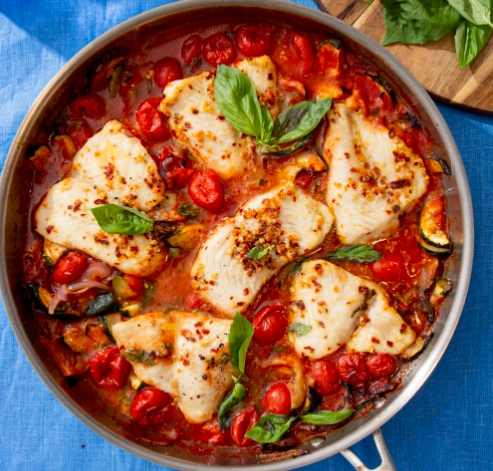
First Things First: Dealing with Your Catch
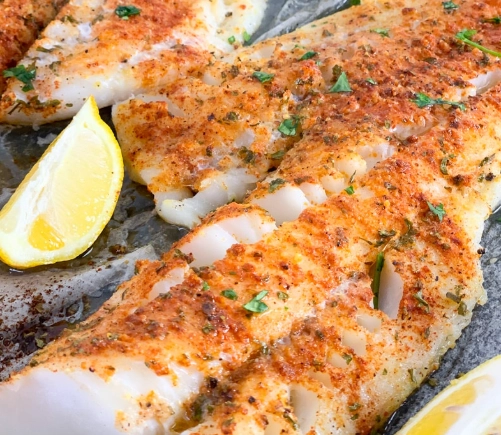
How to Cook Fish: Picking Your Method
Cooking Method
Best For...
Why It Works
The Downside
Pan-Frying
Fillets (trout, perch, bass, walleye), thin cuts.
Fast, creates a delicious crispy crust. Super versatile.
Can be messy with oil splatter. Easy to overcook thin pieces.
Baking/Roasting
Whole fish, thick fillets (salmon, cod, steelhead), stuffed fish.
Hands-off, even cooking, great for feeding a crowd.
Won't get that crispy skin like frying. Can dry out if overdone.
Grilling
Firm, meaty fillets (tuna, mahi-mahi, swordfish), whole fish like snapper.
Adds fantastic smoky flavor. Healthy, less clean-up.
High risk of sticking and falling apart. Needs good grill management.
Steaming
Whole fish (like Asian-style sea bass), delicate fillets.
Ultra-moist, pure flavor, very healthy.
Flavor can be subtle, needs good sauces. Less textural contrast.
Deep-Frying
Just about any fish, especially for fish & chips style.
Unbeatable crispy texture, crowd-pleaser.
Uses a lot of oil, less healthy, can taste greasy if done poorly.
Can't-Go-Wrong Fishing Recipes to Try First
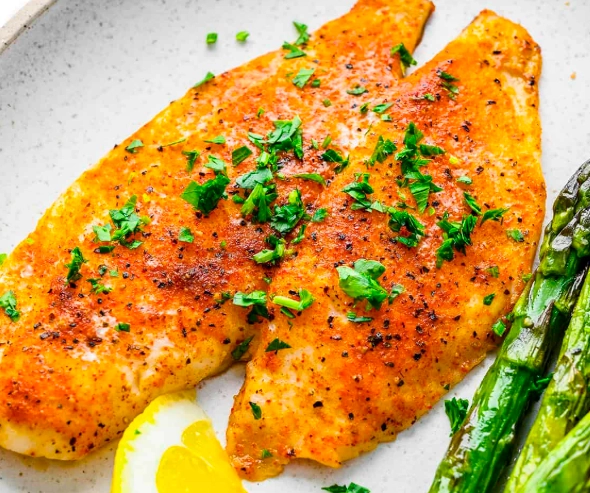
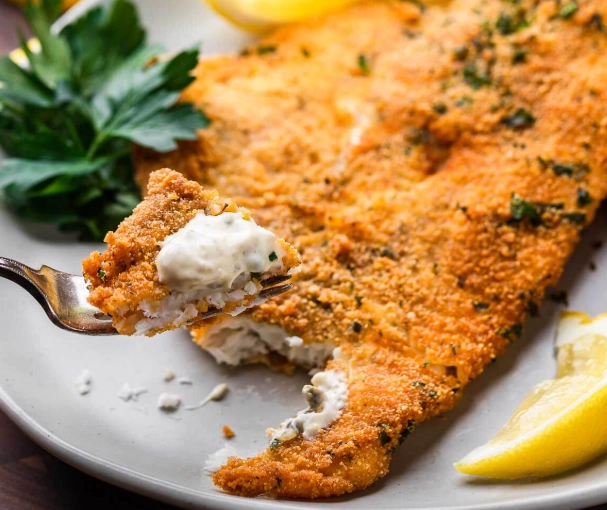
The Classic: Simple Pan-Fried Fish Fillets
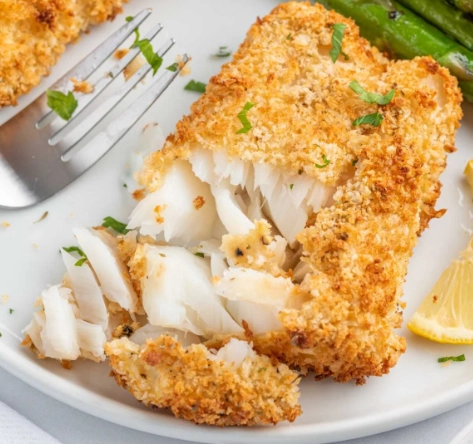
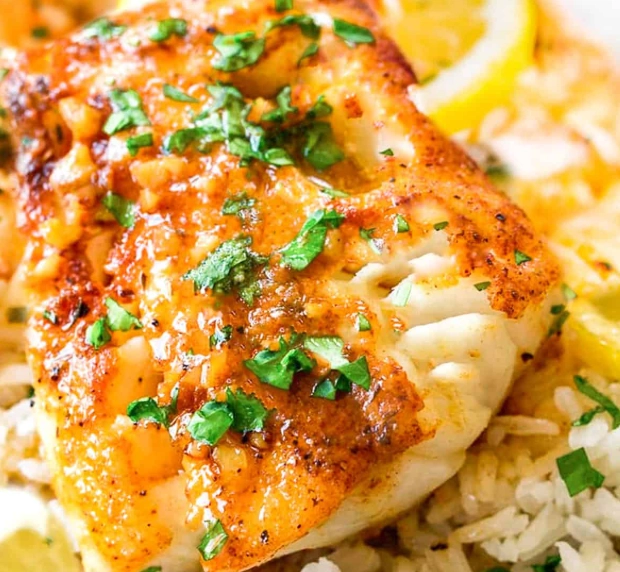
For the Grill: Lemon-Herb Grilled Fish Packets
The Crowd-Pleaser: Beer-Battered Fish
What About Leftovers? Storing and Reheating Your Catch
Answers to the Questions You're Probably Asking (FAQ)
A Final Thought Before You Fire Up the Stove
The best fishing recipes aren't the most complicated ones; they're the ones you make again and again because they just work.