Women Fishing: A Rising Tide of Anglers and the Joy of the Catch
Ever wondered why more women are casting lines? This guide covers everything from choosing your first rod to finding community, proving women fishing is about skill, serenity, and great catches.
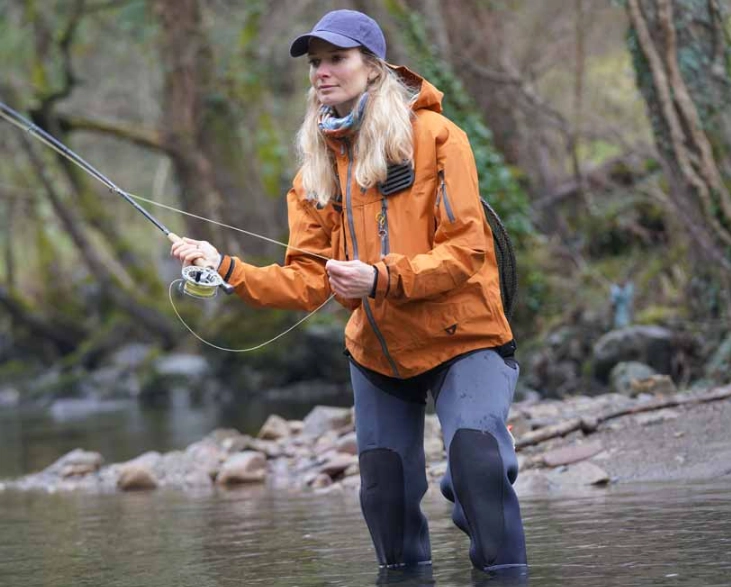
I remember my first fishing trip. It was with my uncle, a man who treated his tackle box like a sacred relic. I was handed a pink rod—a “ladies' model,” he said—that felt more like a toy than a tool. The message was clear: this wasn’t really my domain, I was just visiting. I caught nothing but seaweed, felt utterly out of place, and honestly, a bit patronized. That was years ago. Fast forward to now, and the scene at my local pier or lake is refreshingly different. You see more women fishing, not as spectators, but as competent, focused anglers. And they’re not all using pink rods. Something’s shifted. Maybe it’s the search for an escape from screen-filled days, or a desire to connect with nature on our own terms. For many women, fishing offers a unique blend of challenge, peace, and tangible reward. But let’s be real—getting into it can feel intimidating. The gear talk sounds like a foreign language, and the culture has often felt like an exclusive club. This guide is here to change that. We’re going to strip away the intimidation and talk about women fishing from a practical, welcoming, and honest perspective. It’s not a trend; it’s a movement. The stereotypes are crumbling. Organizations like the Take Me Fishing campaign actively highlight diversity on the water, and social media is full of communities like #womenwhofish. But what’s the real draw? For starters, it’s mental reset button. The rhythmic cast, the focus on the bobber or line, the sounds of water—it’s a form of active meditation. There’s no inbox, no notifications, just you and the elements. The problem-solving aspect is a quiet thrill. Reading the water, choosing the right lure, figuring out what the fish are biting on… it engages your brain in a completely different, satisfying way. Then there’s the sheer accomplishment. Catching a fish, whether you release it or harvest it for a meal, provides a direct, primal sense of success. You provided. You outsmarted another creature in its own environment. For women who spend their days managing abstract tasks and digital outcomes, that concrete result is incredibly powerful. And let’s not forget the social side. Fishing with friends or family creates a unique bonding space. Conversations flow differently on a boat or a bank. It’s quality time, minus the usual distractions. I’ve had some of my best talks with my sister while waiting for bass to bite. This is where many beginners, women especially, get overwhelmed and oversold. You don’t need a garage full of gear to start fishing. In fact, starting simple is smarter. The key is gear that fits you—your body, your target fish, and your budget. Function over fashion, always. For your first setup, a spinning combo is your best friend. It’s forgiving, easy to use, and versatile. The most common mistake is getting a rod that’s too stiff or a reel that’s too heavy. Pay attention to “action” and “power.” A medium-light power rod with a fast action is a fantastic all-around starter for freshwater fishing (think bass, panfish, trout). It has enough backbone to fight a fish but is sensitive enough to feel subtle bites. Here’s a simple breakdown of starter combos based on what you want to catch: A small tackle box is next. Don’t get a massive one and feel pressured to fill it. Start with these essentials: You don’t need a fancy boat. Some of the best fishing for women starting out is accessible from shore. Local Ponds and Parks: Often stocked with fish and designed for easy access. They’re perfect for a short, low-pressure practice session. Use simple bait like a worm under a bobber. Public Fishing Piers: Goldmines. They extend you out into deeper water without a boat. You’ll often find a community of regulars who can be great sources of informal advice (just be observant and respectful of their space). Rivers and Streams: Wading in a stream is a magical experience. It requires a bit more mobility and awareness of current, but the scenery is unbeatable. Check your state’s regulations for public access points. The single most important resource here is your state’s fish and wildlife agency website. For example, the U.S. Fish and Wildlife Service provides overarching info, but your state site (e.g., Texas Parks & Wildlife, California Department of Fish and Wildlife) will have detailed maps, stocking reports, and regulation guides. These sites are authoritative and free. Fancy casts look cool, but you can catch plenty of fish with two basic techniques. Master these first. 1. The Straight Retrieve: Just reel in at a steady pace. Great for spinnerbaits and crankbaits. Vary the speed until you find what the fish want that day. 2. The Stop-and-Go (for soft plastics): Cast out, let it sink. Reel in a few turns, then pause. Let it sink again. This mimics a wounded, easy meal. Most bites happen on the pause, so pay attention! Setting the hook is the next critical skill. When you feel a bite—a tap, a thump, your line moving sideways—don’t yank wildly. Quickly and firmly lift the rod tip up and back to about 10 o’clock. This drives the hook point home. Then keep the rod tip up and let the reel’s drag do the work if the fish runs. This is the stuff that truly lets you relax and enjoy your time fishing. Safety First: Tell someone where you’re going and when you’ll be back. Wear a life jacket on a boat, no exceptions. Be hyper-aware of your surroundings, especially if fishing alone. Keep a small first-aid kit in your bag, with bandages and antiseptic for inevitable hook nicks. Know how to handle fish safely—a flopping bass fin can give you a surprising cut. On-the-Water Etiquette: Give other anglers plenty of space. Don’t cast over someone else’s line. If you see someone fighting a fish, reel in your line to give them room. If you have questions, wait for a natural lull and ask politely. Most anglers love to help, but not in the middle of their own action. Pack out all your trash, including discarded fishing line, which is deadly to wildlife. Dealing with… Comments: Let’s address it. You might get a “surprised” look or an unsolicited “lesson” from a man who assumes you don’t know what you’re doing. It’s frustrating. You have a few options: a polite but confident “I’m all set, thanks,” a simple nod and then turning away, or if you’re feeling bold, asking them a technical question they might not know the answer to. Your competence is your best shield. Focusing on your own fishing usually makes the novelty wear off for them. Once you’ve got the basics down, the world opens up. Here’s where the real fun begins for women in fishing. Find Your Tribe: Look for women-focused fishing groups on Facebook or Instagram. Organizations like “Ladies Let’s Go Fishing!” host fantastic all-women seminars and trips. Fishing with other women eliminates any lingering feeling of being an outsider and accelerates learning. You can share tips, celebrate catches, and vent about bad days in a totally supportive space. Try a New Technique: Mastered the spinning rod? Try fly fishing. It’s like ballet with a rod—challenging but deeply rewarding. Or get into kayak fishing, which combines paddling and angling for ultimate freedom. Each new skill adds a fresh layer to the hobby. Contribute to Science: Look into citizen science programs. Some states have volunteer angler diaries where you log your catches, providing valuable data for fisheries biologists. It adds a whole new level of purpose to your outings. The journey of women fishing is personal. For some, it’s a solitary recharge. For others, it’s a social adventure or a way to put sustainable food on the table. The point is, you get to define it. So grab a basic rod, check your local regulations, and find a sunny spot by some water. Don’t overthink it. Just make the cast. The community of women anglers is growing, the water is waiting, and your own fishing story is ready to begin.Your Fishing Journey Map
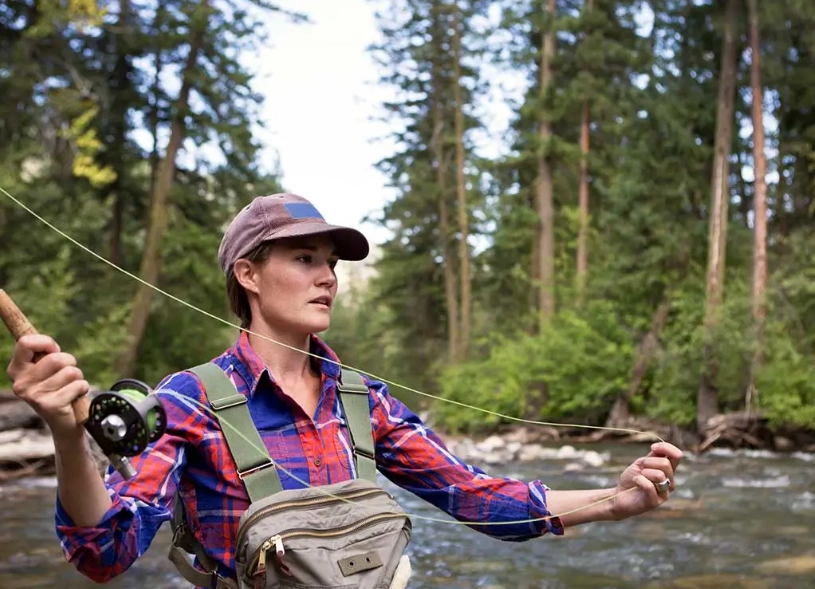
Why More Women Are Casting Lines (And Why You Might Want To)
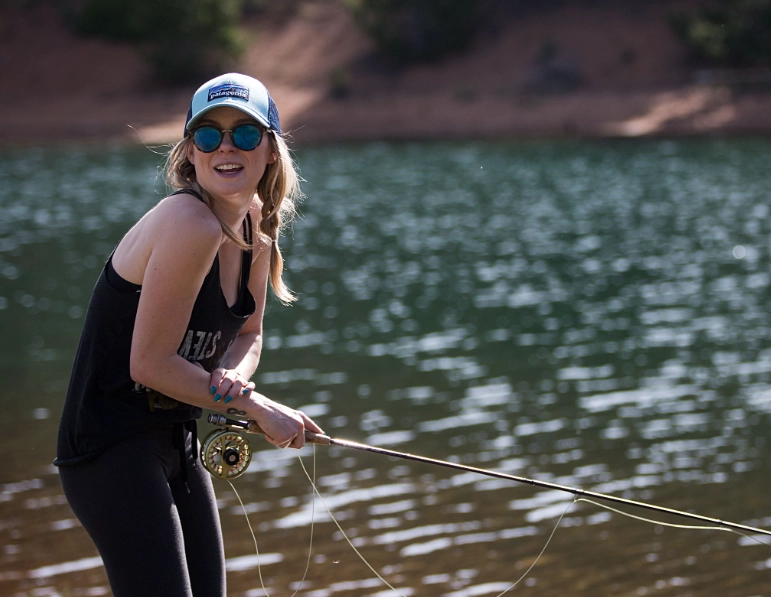
Gearing Up: What You Actually Need (Forget the Pink Aisle)
The Heart of the Matter: Rod and Reel Combo
Target Fish
Rod Power & Length
Reel Size (Spinning)
Line Weight
Good For
Panfish (Bluegill, Crappie)
Ultra-Light to Light, 5'–6'6"
1000 – 2500
2 – 6 lb test
Extreme sensitivity, light bites, great for kids.
Bass & Walleye
Medium, 6'6"–7'2"
2500 – 3000
8 – 12 lb test
Versatility. Can handle a variety of lures and techniques.
Trout in Streams
Light, 6'–7'
1000 – 2000
4 – 8 lb test
Delicate presentations in moving water.
Catfish & Heavier Freshwater
Medium-Heavy, 7'+
3000 – 4000
12 – 20 lb test
Power to pull fish from cover, handle heavier bait.
The Rest of Your Starter Kit
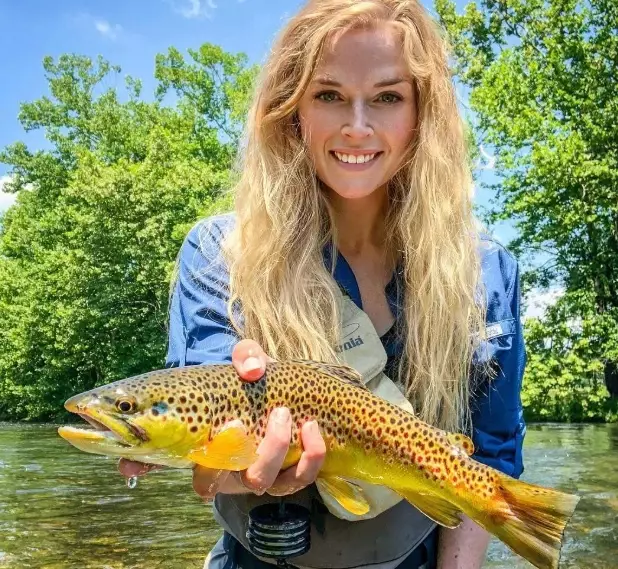
Finding Your Water: Where to Go as a New Angler
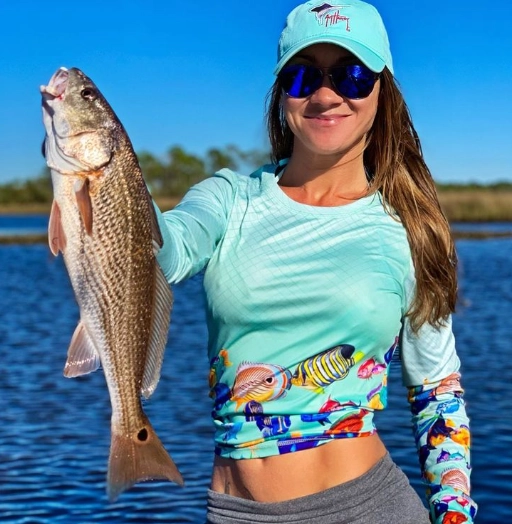
Skills Over Stuff: Basic Techniques That Work
The Simple Cast (Spinning Reel)
Two Dead-Effective Retrieves
Safety, Etiquette, and Feeling Confident Out There
Answering the Real Questions Women Have About Fishing
Catfish: Especially channel cats. They’re bottom feeders, so you can set up your rod in a holder and relax while waiting for a bite. Use stink bait or cut bait.
Stocked Trout: In many areas, state agencies stock lakes with catchable-sized trout. They’re often hungry and found near stocking points.Taking the Next Step: Community and Continued Learning