The Ultimate Guide to Fishing for Kids: Gear, Tips & Fun!
Planning a fishing trip with your kids? This complete guide covers everything from choosing the right gear to finding the perfect spot, ensuring a fun and safe experience for the whole family. Get expert-backed tips for fishing with children.
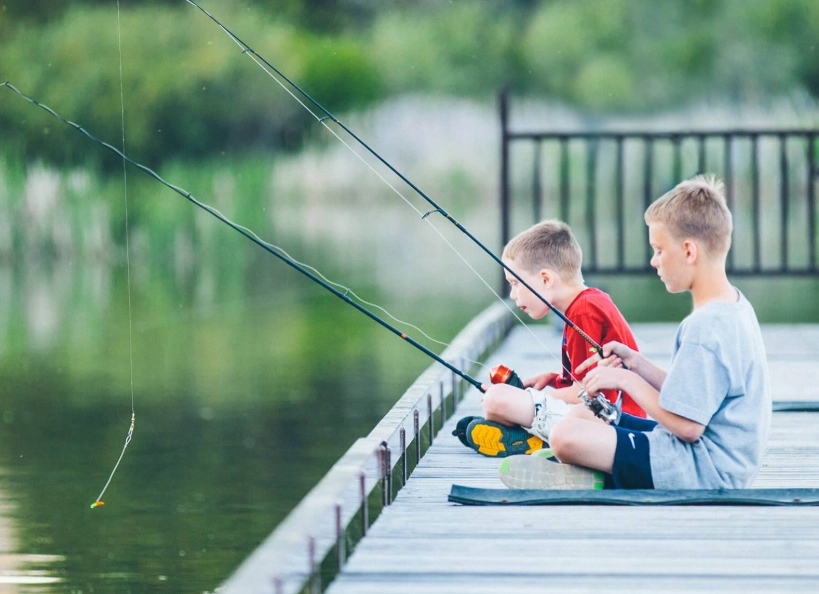
Let's be honest. The idea of fishing for kids can sound either like a dream come true or a potential disaster waiting to happen. I remember my first time taking my nephew. I had this perfect, quiet morning planned. He lasted about seven minutes before getting his line tangled in a bush and declaring fishing "boring." I learned a lot that day. Mostly, that fishing with children isn't about the fish. It's about the experience. If you're thinking about introducing a child to fishing, you're in the right place. This isn't a technical manual. It's a practical, down-to-earth guide from someone who's made the mistakes so you don't have to. We'll walk through everything, from the absolute basics of gear to the real secret: keeping their interest alive longer than a goldfish's memory. Before we talk about rods and reels, let's talk about the "why." Sure, it's a hobby, but it's more than that. In a world of screens and instant gratification, fishing for kids teaches patience in a way few other activities can. They learn to wait, to watch the water, to be still. It's a lesson that doesn't come from a lecture. It's also about connection. Real, uninterrupted time outdoors. No notifications, no background noise. Just conversation (or comfortable silence) and a shared goal. I've had some of the best talks with my kids sitting on a dock, waiting for a bite. Then there's the environmental piece. When you're fishing with a child, you have a direct line to teach them about ecosystems, water health, and conservation. They see it firsthand. Why can't we litter here? Because it hurts the fish and the water. It sticks. It's science class, gym class, and life class, all with the possibility of a slimy, wriggling prize at the end. This is where most people get overwhelmed and overbuy. You don't need a $200 rod for a six-year-old. In fact, that's a terrible idea. Complex gear leads to frustration. The goal is simplicity and durability. I made the mistake of starting my daughter with a hand-me-down adult spin-cast reel. It was too heavy, the button was stiff, and she couldn't cast it without help. She felt incompetent immediately. We switched to a simple kids' combo, and the whole dynamic changed. Here’s a breakdown of the essential gear for fishing for kids, stripped down to the basics. Gear isn't just what's in your tackle box. A miserable, sunburned, mosquito-bitten kid is a kid who never wants to go fishing again. I learned the snack lesson the hard way. An hour in, with no fish, my son announced he was "starving." I had one granola bar. The rest of the trip was a countdown to lunch. Now I pack a whole separate bag just with snacks and drinks. You wouldn't teach someone to drive on a Formula 1 track. Don't teach a child to fish in a spot where even experienced anglers struggle. The goal for your first few trips is action, not trophy fish. You want a place with a high probability of catching something, even if it's small. Bluegill, sunfish, perch, small catfish—these are the heroes of kids fishing. They bite often, fight a little, and are plentiful in the right places. So where are these magical places? Avoid crowded, competitive spots like popular riverbanks during salmon run or busy boat ramps at 5 AM. The pressure to be quiet and perfect is too high. Also, for goodness sake, scout the location first if you can. Is there parking? Is the bank steep and muddy? Are there a million goose droppings? A quick reconnaissance trip alone can save the day. Okay, you've got the gear, you've picked the spot. Now what? This is the moment. Break it down into tiny, manageable steps. Your job is guide, not dictator. Don't even go near water for the first lesson. Practice in the backyard. Tie a small weight (no hook!) to the line. Teach them how to hold the rod, how to press and hold the button on the spin-cast reel, and how to swing the rod forward to release the button. Let them practice casting at a target, like a hula hoop. This builds muscle memory and confidence without the pressure of water, trees, or other people. At the water, you do the first few casts. Get the bait out there, then hand them the rod. Their first job is simply to hold it and watch the bobber. This is huge! They are "fishing." The excitement of potentially getting a bite is all theirs. When they're ready to try casting, stand behind them, guide their arms, and talk them through it. Expect tangles. Expect the bait to land two feet away. Laugh it off. "Nice one! Let's try again." The Take Me Fishing website has great, simple visuals on casting techniques if you need a refresher yourself. When that bobber goes under, the instinct is to scream and yank the rod sky-high. Coach them calmly: "Lift the rod tip up, nice and steady." Then let them reel. If the fish is small, let them reel it all the way in. If it's bigger, you might need to help by "palming" the spool to add drag, but let their hands stay on the reel. This is critical. Show respect for the animal. Wet your hands before touching the fish to protect its slime coat. Demonstrate how to hold a panfish firmly but gently. Let them touch it first if they want. Show them how to use the pliers to gently remove the hook. And then, make the decision together: keep or release? If you're keeping it for dinner, that's a whole other lesson (and you must know the local size and bag limits!). If releasing, show how to gently cradle the fish in the water until it swims away strongly. This moment of stewardship is as important as the catch. Their first fish, even if it's the size of a goldfish, is a trophy. Act like it. This is the real test. The novelty wears off after 20 minutes of nothing. Have a backup plan. Fishing for kids is about the environment, not just the fishing. I've ended more than one "fishing" trip early to go on a turtle-hunting hike along the shore. We still called it a fishing trip, and they loved it. Fishing for kids changed how I fish as an adult. I used to be obsessed with the catch. Now, I notice the heron stalking the shallows, the way the light hits the water in the morning, the sound of my kids laughing when a tiny sunfish puts up a comically big fight. The fish became part of the scene, not the whole picture. It won't always be perfect. There will be tangles, lost bait, tears, and maybe even a hook in your thumb (been there). But there will also be that wide-eyed wonder when the bobber disappears, the triumphant shout of "I got one!", and the quiet pride as they learn a new skill. Start simple. Keep it short. Focus on fun. The rest—the patience, the love for nature, the lifelong hobby—will follow naturally from there. Now go get your lines wet.Quick Guide
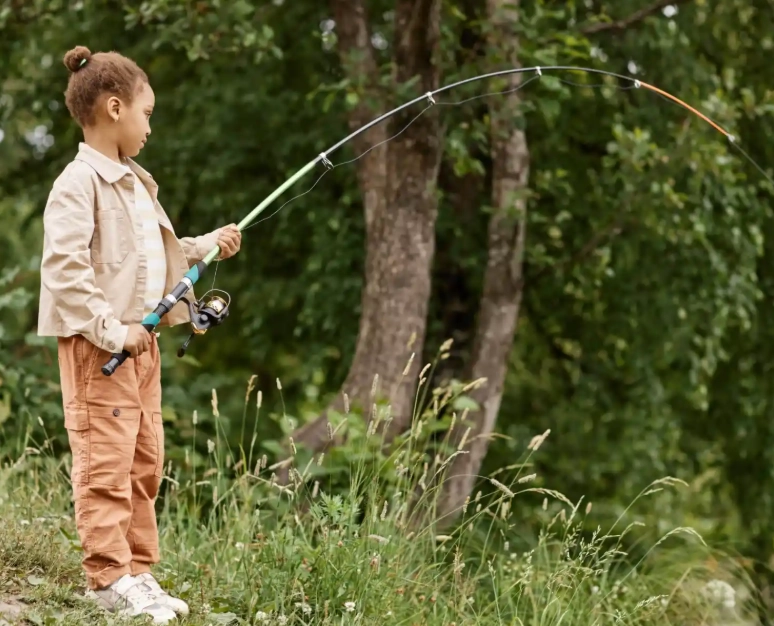
Why Bother? The Real Benefits of Fishing with Children
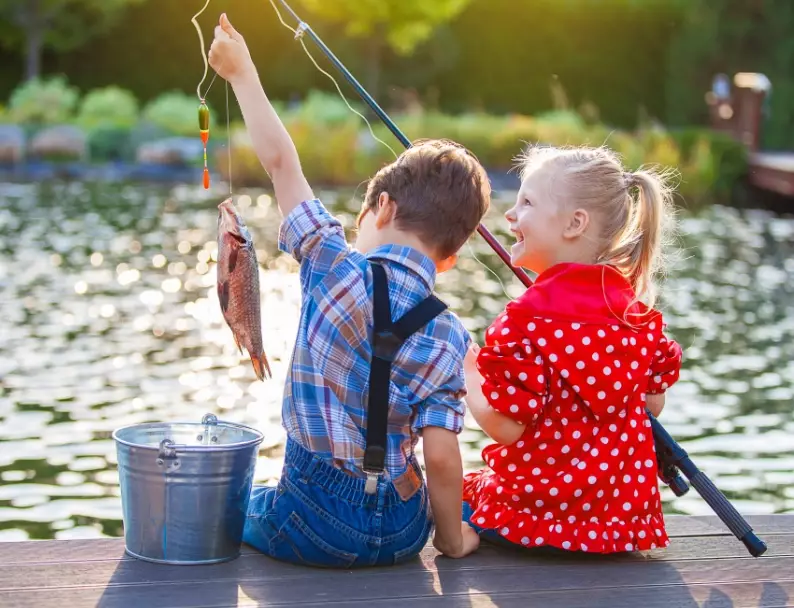
The Gear: What You Actually Need to Start Fishing for Kids
Item
What to Look For
Why It Matters for Kids
Budget-Friendly Tip
Rod & Reel Combo
Short, lightweight (4-5 feet), spin-cast (closed-face) reel. Pre-spooled with line is a huge plus.
Spin-cast reels are almost tangle-proof. The short rod gives them control. Lightweight means they can hold it themselves.
Combo packs from brands like Zebco or Shakespeare are perfect starters and often under $30.
Terminal Tackle
Size 8 or 10 hooks, small split-shot weights, basic bobbers (floaters).
Small hooks are easier to bait, safer, and perfect for panfish. Bobbers provide visual excitement—they love watching it dip!
Buy a small pre-assembled tackle kit. It has a little of everything and fits in a small box.
Bait
Live worms, prepared dough bait, small soft plastic grubs.
Worms are classic for a reason—fish love them. Dough bait (like Berkley PowerBait) is easy for small hands to handle and stays on the hook.
A container of nightcrawlers from the gas station is cheap and effective. Skip the fancy lures for now.
Extras (The Fun Stuff)
Pliers/hook remover, small net, hand sanitizer, towel.
Helps you safely remove hooks. The net makes landing a fish feel like a big achievement. The towel and sanitizer are for the inevitable mess.
A cheap pair of needle-nose pliers from the hardware store works fine. A small aquarium net is great for little fish.
Clothing & Safety: The Non-Negotiables
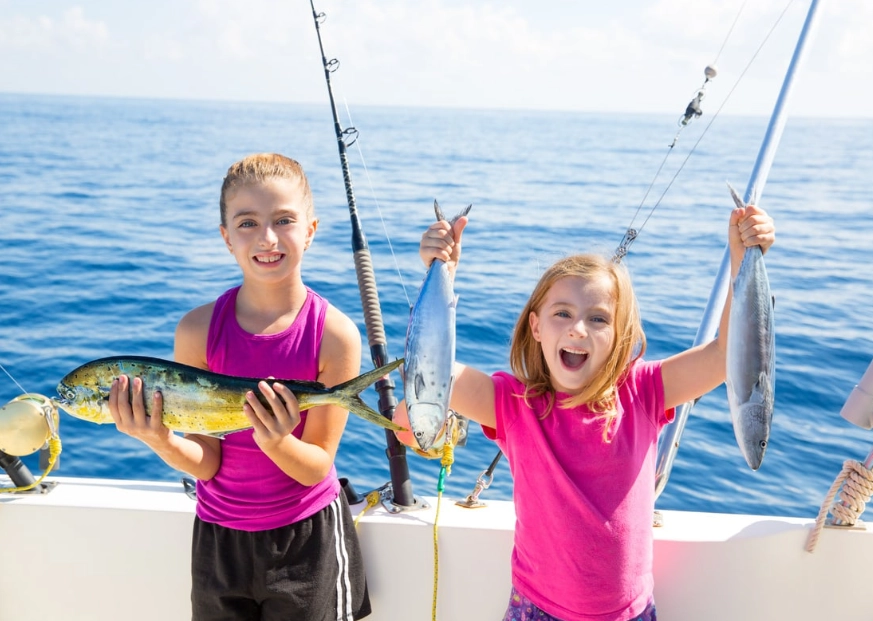
Safety First, Always:
Finding the Perfect Spot: Location is Everything for Kids Fishing
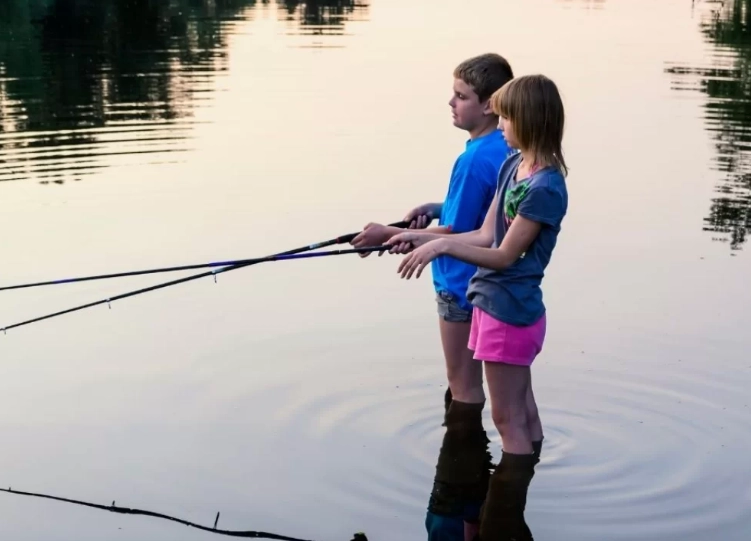
The Teaching Process: How to Actually Teach a Child to Fish
Step 1: Practice on Dry Land
Step 2: The First Real Cast
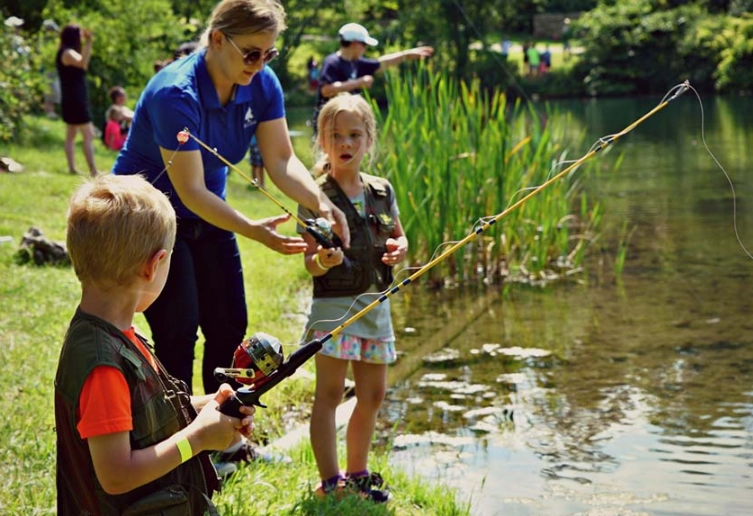
Step 3: The Hookset and Reeling
Step 4: Handling the Catch
Keeping It Fun: What to Do When the Fish Aren't Biting
Common Questions About Fishing for Kids (Answered)
A Few Parting Thoughts (From Someone Who's Been There)