Fishing First Aid: The Complete Guide to Handling Common Injuries on the Water
What should you do when a fishing hook embeds in your finger, or you get a deep cut from a fillet knife? This complete fishing first aid guide covers essential kits, step-by-step treatments for common injuries, and crucial safety protocols every angler must know before heading out.
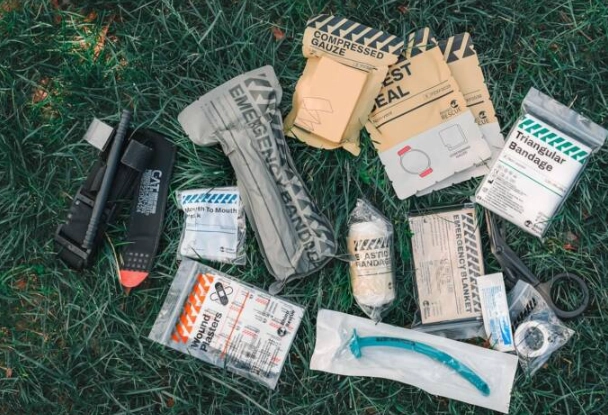
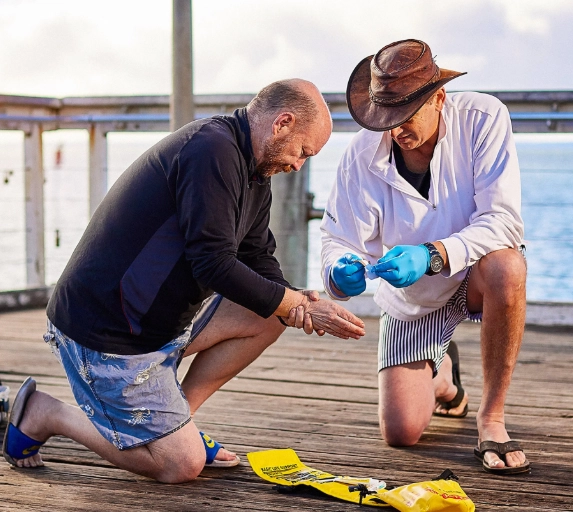
Let's be honest. When you're packing for a fishing trip, your mind is on the lures, the rods, the weather, and that perfect spot. First aid? It's often an afterthought, a small zippered pouch tossed in the bottom of your tackle box with some ancient bandaids and maybe an aspirin. I've been there. I once spent a whole day on a remote lake with nothing but a roll of electrical tape for first aid because I'd forgotten my kit. Stupid, I know. A simple cut from a sharp fin turned into a real hassle. That's why fishing first aid isn't just a box to tick. It's a mindset. The water's edge is a workshop of potential injuries—sharp hooks, sharper knives, slippery rocks, strong sun, and fish that fight back. Thinking about first aid for fishing before you cast your line is as crucial as checking your line for frays. This guide isn't a stuffy medical manual. It's a practical, from-the-trenches look at what can go wrong and, more importantly, what you can do right when it does. We'll build the ideal kit, walk through handling the most common (and nasty) injuries, and talk about the scary stuff so you're prepared, not panicked. You can buy a pre-made kit, but they're often full of useless items and missing the good stuff. Building your own means it's tailored to real fishing scenarios. Here’s what you actually need, broken down not by item, but by the problem it solves. This is your most-used category. Think fillet knives, hook points, fish teeth, barnacles on rocks, and sharp-edged tackle. This deserves its own section. Standard bandaids won't help here. Pack it all in a durable, waterproof dry bag or hard case. Label it clearly. Keep one in your boat, one in your car, and a mini version in your vest for wading. Okay, you've got the gear. Now, what do you actually do when things go south? Let's run through the scenarios you're most likely to face. It's not a matter of *if*, but *when*. The hook can be in you, your fishing buddy, or even snag an ear or lip. Panic is the worst enemy. The key principle of fishing first aid for hooks is: Do not simply pull it back out the way it went in. The barb will tear flesh. Method 1: The String/Yank Technique (for shallow, standard hooks) Method 2: The Advance-and-Cut (for deeper hooks) A clean slice from a sharp fillet knife is different from a ragged tear from a rock or a puncture from a catfish spine. Your approach differs slightly. I remember filleting a rainbow trout after a cold morning. My hands were numb, the knife slipped, and I opened up a good inch on my thumb. It bled like crazy. Because I had my kit, I could apply proper pressure, clean it, and use a butterfly closure to hold it together until I could get to an urgent care. Without that, it would have been a messy, painful drive. True fishing first aid extends beyond hooks and cuts. The environment itself is a threat. Heat Illness: Sunburn is one thing. Heat exhaustion and stroke are another. Hydrate with water and electrolytes, not just beer. Wear a hat and light clothing. Know the signs: heavy sweating, weakness, cold/clammy skin (exhaustion) versus throbbing headache, no sweating, hot/dry skin, confusion (stroke—a medical emergency). Get the person to shade, cool them with wet cloths, and for suspected stroke, call for help immediately. Hypothermia: Even on mild days, a fall into cold water can trigger it. Shivering, confusion, slurred speech, loss of coordination. Get the person out of wet clothes, into dry layers, and gradually warm them (skin-to skin contact, warm drinks if conscious). Avoid rapid rewarming like hot baths. Near-Drowning: This is the ultimate emergency. Every second counts. If you fish from a boat, you MUST know CPR. I'm not just saying that. The American Heart Association emphasizes that immediate CPR can double or triple a victim's chance of survival. You can find courses through the American Red Cross or the American Heart Association. It's a few hours of your life that could save another. Having a kit and a basic plan is the foundation. But to really be prepared, you need to layer on some knowledge. Let's tackle some of the specific questions that keep anglers up at night. Saltwater fishing adds another dimension. For a stingray barb sting (usually on the foot/ankle), the primary injury is both the puncture and the venom. The hot-water immersion method is widely recommended: soak the wound in water as hot as the patient can tolerate (110-113°F / 43-45°C) for 30 to 90 minutes. This heat denatures the heat-sensitive venom and provides significant pain relief. Afterwards, scrub the wound meticulously to remove any spine fragments, as they can cause infection. Jellyfish stings vary. Rinse with vinegar (acetic acid) for many types to neutralize unfired nematocysts. For the common ones, hot water can also help. Never rinse with fresh water or rub the area—it can trigger more stings. This could be from a bug bite, a plant, or even handling certain fish. Mild reactions (localized itch, rash) can be treated with antihistamines (Benadryl) and hydrocortisone cream. Watch for signs of a severe systemic reaction (anaphylaxis): difficulty breathing, swelling of the lips/tongue/throat, hives over the body, dizziness. This is a 911 emergency. If the person carries an epinephrine auto-injector (EpiPen), help them use it. Lie them down and wait for EMS. Don't downplay this. Seriously. Any hook injury near the eye requires extreme caution. The hook itself may be providing a tamponade effect, limiting bleeding. Attempting removal could cause catastrophic damage to the eyeball. Stabilize the hook. You can carefully place a paper cup or similar object over the eye and hook to prevent it from moving. Secure it gently with tape. This is a "stay still, call for evacuation, and get to an emergency room" situation. Let a specialist handle it with proper imaging and tools. All the gear and knowledge can freeze up if you panic. When an injury happens, follow a simple mental checklist: Scene Safety, Assess, Act. Practice these scenarios in your head. Run through "what ifs" on the drive to the lake. That mental rehearsal builds neural pathways so you react better under stress. Finally, know your limits. There's no shame in stabilizing an injury and seeking professional medical help. In fact, that's often the wisest course of action. The goal of first aid for fishing is to provide the best possible care in the critical minutes (or hours) before you can hand off to the experts. Fishing is about joy, challenge, and connection with nature. A solid understanding of fishing first aid simply ensures that a minor mishap doesn't ruin the trip, and a major one is managed with competence. Pack your kit, pack your knowledge, and then go enjoy the water with real peace of mind.What You’ll Find Here
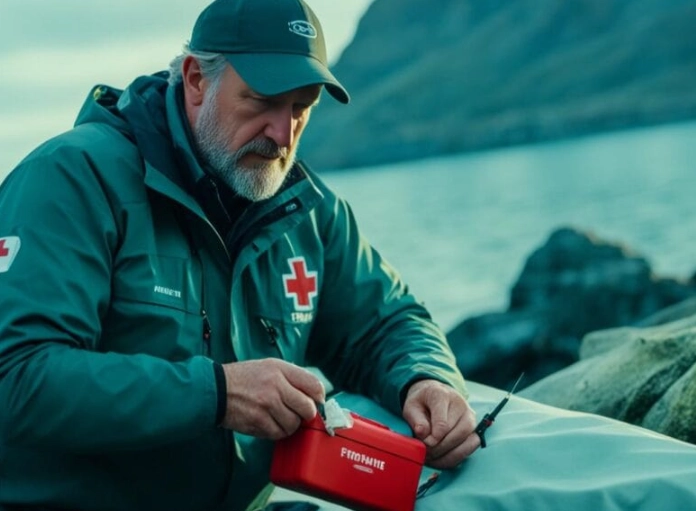
Your Non-Negotiable Fishing First Aid Kit Checklist
For Cuts, Scrapes, and Punctures (The Bread and Butter of Fishing Injuries)
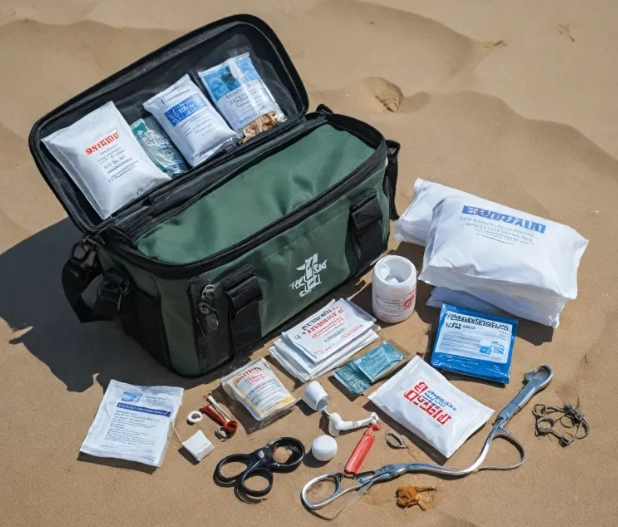
For the Dreaded Embedded Fishhook
For Everything Else That Aches, Stings, or Burns
Handling Common Fishing Injuries: A Step-by-Step Walkthrough
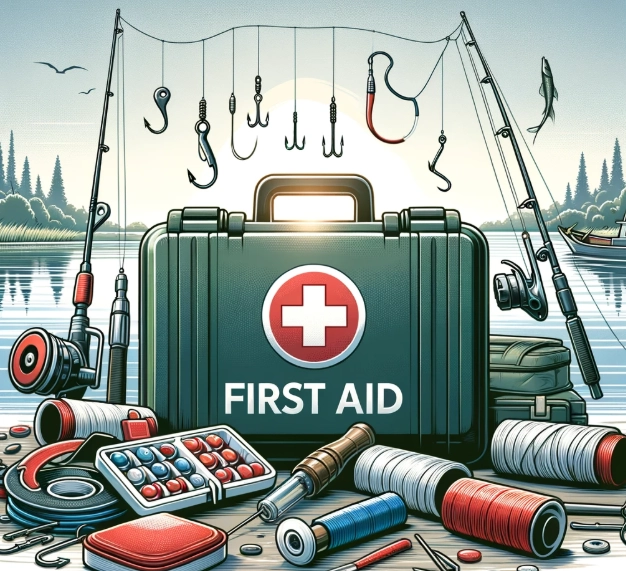
The Fishhook Puncture: Every Angler's Rite of Passage
This is the most common field method. It uses the hook's own design against it.
If the barb is buried and the point isn't protruding, this is often the safer bet.
Cuts and Lacerations from Knives and Fins
Type of Cut
Immediate Action
Cleaning & Dressing
When to Seek Help
Minor Shallow Cut
(Superficial, clean slice)Apply direct pressure with clean gauze for 1-2 mins until bleeding stops.
Rinse under clean water. Apply antiseptic. Use a bandage or butterfly closure if needed.
If bleeding doesn't stop, or signs of infection appear.
Deep or Gaping Cut
(You can see fat or deeper tissue)Firm, steady pressure is priority one. Elevate the limb above the heart if possible.
Do not try to wash a heavily bleeding wound deeply. Control bleeding first. Once controlled, irrigate gently with clean water.
Immediately. This needs professional cleaning and likely stitches. Use a sterile dressing and maintain pressure en route.
Puncture Wound
(Catfish spine, sharp stick)Allow it to bleed briefly to help flush out bacteria. Then apply pressure.
Wash thoroughly under pressure if you have a syringe. These are high-risk for infection. Pack with antibiotic ointment.
If deep, from a dirty source, or if tetanus shot is not current. Watch closely for infection.
Non-Injury Emergencies: Heat, Cold, and Drowning Risks
Building Your Knowledge: Beyond the Bandage
What about stingrays, jellyfish, or other aquatic critters?
How do I handle a fishing-related allergic reaction?
My friend got a hook in his eyelid. What on earth do we do?
The Mental Game: Staying Calm and Making Decisions