Sustainable Fishing Guide: How to Eat Fish Responsibly
How can you enjoy seafood without harming the oceans? This complete guide to sustainable fishing breaks down what it really means, how it works, and gives you practical tips to make better choices at the grocery store or restaurant.
You see the term everywhere now. "Sustainably sourced." "Responsibly caught." It's slapped on menus and packaging at the grocery store. But what does it actually mean? Is it just a marketing buzzword, or is there something real behind it? I used to wonder the same thing, standing in the seafood aisle, completely confused. I love seafood, but I also don't want my dinner to contribute to emptying the ocean. That's the tightrope we're all walking. This guide is my attempt to untangle the mess. We'll break down sustainable fishing from the ground up—no jargon, just plain talk. What it is, why it matters more than ever, and crucially, how you can actually use the information without needing a degree in marine biology. Because let's be honest, most of us just want to eat our fish tacos in peace. The Core Idea: At its heart, sustainable fishing is about balance. It's catching fish in a way that doesn't deplete the population long-term and minimizes harm to the wider ocean environment. Think of it like harvesting apples from a tree. You take some, but you leave enough so the tree can keep producing fruit year after year. You also try not to smash the branches or poison the soil while you're at it. That's the goal for our oceans. Look, I get it. The ocean feels huge, problems feel distant. But this hits closer to home than you think. Overfishing—the opposite of sustainable fishing—isn't some future threat. It's a right-now problem with real consequences. When we take too many fish, too fast, the population crashes. It's simple math. The UN Food and Agriculture Organization (FAO) has been tracking this for decades, and their reports consistently show that about one-third of global fish stocks are overfished. That number has been creeping up, not down. A collapsed fishery means no more fish for anyone—not for the local communities that depend on it, not for the restaurants, and not for your plate. It means lost jobs and less food security. And it's not just about the target fish. The methods matter. Some fishing techniques are brutally indiscriminate. They scoop up everything in their path—the fish you want, but also sea turtles, dolphins, sharks, and juvenile fish that haven't had a chance to reproduce. This "bycatch" is often just dead when it's thrown back. It's a huge, wasteful problem that sustainable fishing practices aim to fix. Then there's the habitat. Imagine clear-cutting a forest to catch a deer. That's what bottom trawling can do to delicate seafloor ecosystems like coral gardens and sponge beds. Sustainable fishing seeks methods that have a lighter touch. So why care? Because our choices as consumers directly influence what happens out there on the water. Demand drives supply. If we ask for, and are willing to pay a bit more for, sustainably caught seafood, the industry will follow. It's that simple. The Hard Truth: Ignoring sustainability isn't an option if we want our kids and grandkids to enjoy the same seafood we do today. The ocean is resilient, but it's not limitless. We've already pushed some species, like the Atlantic Bluefin Tuna, to the brink. Continuing down that path is a recipe for empty nets and empty menus. Okay, so it's important. But how do fishermen and fisheries actually *do* it? It's not just about feeling good. It's a science-based system of management and practices. Let's look at the main pillars. You can't manage what you don't measure. The foundation of any sustainable fishing operation is good science. This means marine biologists and researchers constantly studying fish populations. They need to know: Organizations like the International Council for the Exploration of the Sea (ICES) provide this critical scientific advice to governments. Without this data, you're just guessing, and guessing usually leads to overfishing. Science is useless without rules to back it up. This is where management comes in. Governments and regional fisheries bodies set regulations based on that scientific advice. Key tools include: Catch Quotas: A hard limit on how many tons of a specific fish can be caught in a season or a year. This is the most direct way to prevent overfishing. Season Closures: Shutting down fishing during critical times, like spawning seasons, to let fish reproduce undisturbed. Size Limits: Rules that say you can only keep fish above a certain size. This lets the juveniles grow up and have babies first. The dirty secret? Rules only work if they're enforced. This is a massive challenge, especially on the high seas. Illegal, Unreported, and Unregulated (IUU) fishing undermines everything. Sustainable fishing requires transparency and monitoring, sometimes using satellite technology to track fishing vessels. This is where the rubber meets the road. The fishing gear used makes a world of difference. Here’s a quick breakdown of some common methods and how they stack up on the sustainability scale. See the pattern? The most sustainable fishing methods tend to be the most selective and have the least contact with sensitive habitats. It's not that one method is always evil and another always perfect—it depends on how, where, and under what rules it's used. A well-managed midwater trawl fishery can be sustainable. An unregulated, destructive bottom trawl is a disaster. I remember talking to a fisherman in Alaska who used pots for sablefish. He showed me how the escape rings worked—too-small fish could just swim out. It was a simple, clever design that made his fishery more sustainable without him even trying that hard. It made me realize good design in gear is half the battle. Alright, theory is great. But you're at the store, staring at a fillet. What do you do? Here’s your practical, no-BS action plan. Certification labels are your best first line of defense. They do the homework for you. The gold standard is the Marine Stewardship Council (MSC) blue fish label. For a fishery to get this, it has to pass a rigorous, independent audit against three core principles: sustainable fish stocks, minimizing environmental impact, and effective management. It's not perfect—no system is—but it's the most robust and globally recognized one we have. Another good one is the Aquaculture Stewardship Council (ASC) label for farmed fish. For farmed shrimp or salmon, this is a key one to look for. My advice? Trust these labels, but don't turn your brain off. Sometimes a small, hyper-local sustainable fishery can't afford the costly MSC certification process. That's where the next steps come in. If there's no label, or you're at a fish counter or restaurant, just ask. Two simple questions can reveal a lot: A good fishmonger or chef will know, or will be able to find out. If they look at you like you have two heads, that's a red flag. If they can tell you, "This is Alaskan wild-caught salmon, harvested with purse seines," you're in a better place to make a decision. Pro Tip: Download a regional seafood guide. Organizations like the Monterey Bay Aquarium Seafood Watch have free pocket guides or apps. You can look up a specific fish and see their rating (Best Choice, Good Alternative, Avoid) based on location and fishing method. It's like having a sustainability expert in your pocket. We tend to eat the same 5-10 popular species: salmon, tuna, shrimp, cod. This creates immense pressure on those stocks. One of the most powerful things you can do for sustainable fishing is to try different, often more abundant, species. Ever had sardines? Mackerel? Hake? Pollock? These are often fantastic, flavorful, and more sustainable choices because they're lower on the food chain, reproduce quickly, and are well-managed. Ask your fishmonger: "What's local and abundant today?" You might discover a new favorite. And consider frozen. High-quality frozen seafood is often flash-frozen at sea at peak freshness. It can be more sustainable because it allows for efficient transport (no air freight rush) and reduces waste. Don't snub the freezer aisle. Let's tackle some of the big, nagging questions head-on. Sustainable fishing isn't a destination; it's a continuous journey of improvement. The challenges are huge: climate change is warming and acidifying the oceans, shifting fish populations and disrupting ecosystems. IUU fishing remains a plague. Political will to set and enforce tough rules often wavers. But there are bright spots. Technology is helping—from better satellite monitoring to apps that trace a fish from boat to plate. Consumer awareness is growing. Major retailers and food service companies are making sustainable seafood commitments that shift entire supply chains. Real, impactful sustainable fishing requires everyone to play a part: scientists providing data, governments setting and enforcing rules, industry adopting better practices, and us, the consumers, voting with our wallets every time we buy a piece of fish. It can feel overwhelming, but you don't have to be perfect. Start with one change. Next time you're shopping, look for the MSC blue label. Try a new, abundant species. Ask a question at the counter. Each of these small actions sends a signal. It tells the industry that we care about how our food is caught. It supports the fishermen who are doing it the right way. That’s the ultimate goal of sustainable fishing: ensuring there are always plenty of fish in the sea, for all the creatures that live there, and for all the people who depend on it, now and for generations to come. It's about keeping the story of seafood—a story of harvest, community, and nourishment—alive and well. And honestly, a fish that's caught with care just tastes better. You can feel good about it. That’s a win-win in my book.In This Guide

Why Should You Even Care About Sustainable Fishing?
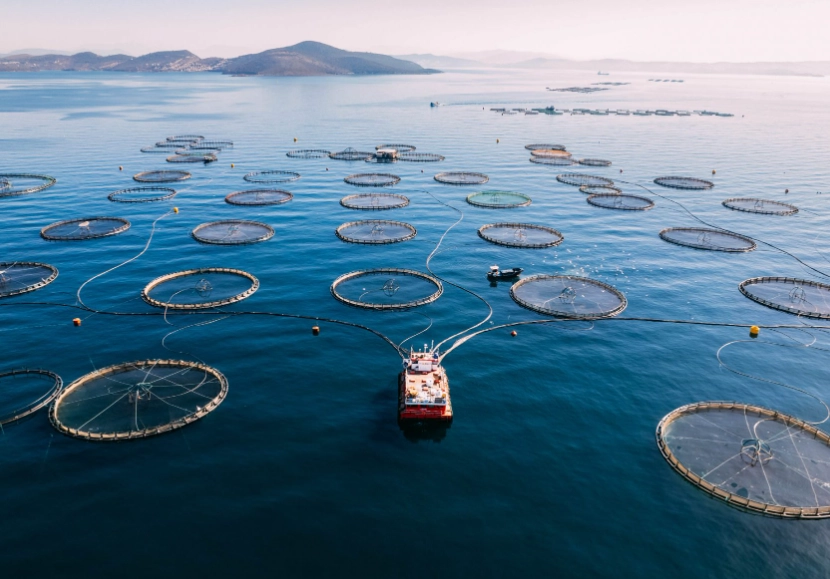
How Does Sustainable Fishing Actually Work? The Nitty-Gritty.
Science First: Knowing Your Stock
Smart Rules and Real Enforcement
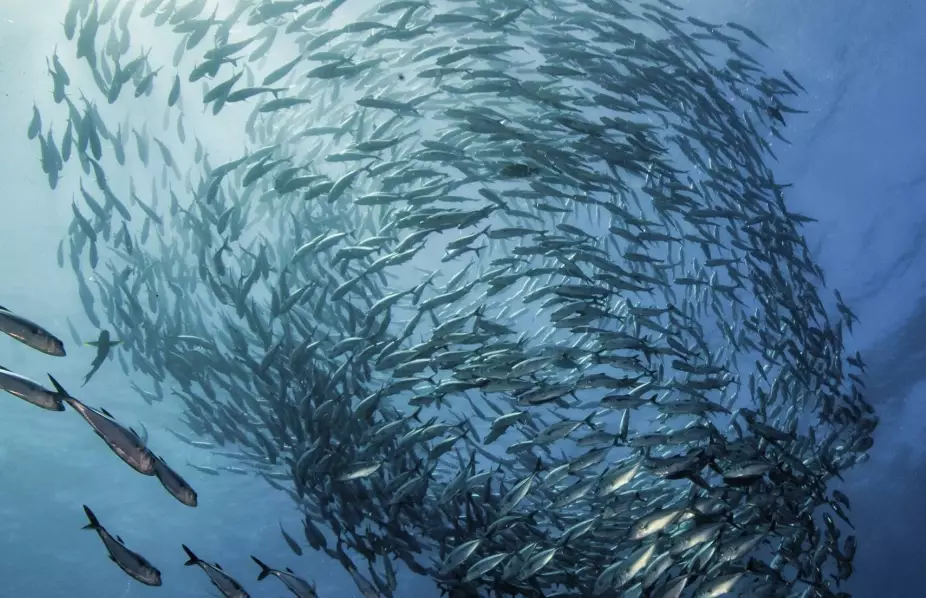
Choosing the Right Gear: It's All About Selectivity
Fishing Method
How It Works
Sustainability Pros
Sustainability Cons
Pole & Line, Handline
A single hook and line, often with live bait. One fish at a time.
Extremely selective. Almost zero bycatch. Low habitat impact.
Labor intensive. Can't catch huge volumes. Can be costly.
Trolling
Pulling lines with lures behind a moving boat.
Very selective. Low bycatch. Can target specific, mature fish.
Fuel intensive. Limited to species that chase lures.
Traps & Pots
Cages or baskets placed on the seafloor to attract species like crab, lobster, sablefish.
Selective by size and species. Low habitat damage if well-placed. Fish are often alive and unharmed.
Can get lost, becoming "ghost gear" that keeps catching. May interact with seafloor.
Midwater Trawling
A large net towed through the water column (not on the bottom).
Can be efficient for schooling fish like pollock. Avoids seafloor habitat.
Can have high bycatch if not managed (e.g., catching non-target fish). Requires careful management.
Bottom Trawling
A heavy net dragged along the seafloor.
Effective for catching groundfish like cod, flounder.
High habitat damage. Can destroy corals and structures. Often high bycatch.
Purse Seining
A large net encircles a school of fish near the surface.
Very efficient for species like tuna, sardines.
Can catch everything in the school, including juveniles. A major bycatch issue for dolphins in the past (though modern methods have improved).
Your Cheat Sheet: How to Actually Find and Choose Sustainable Seafood
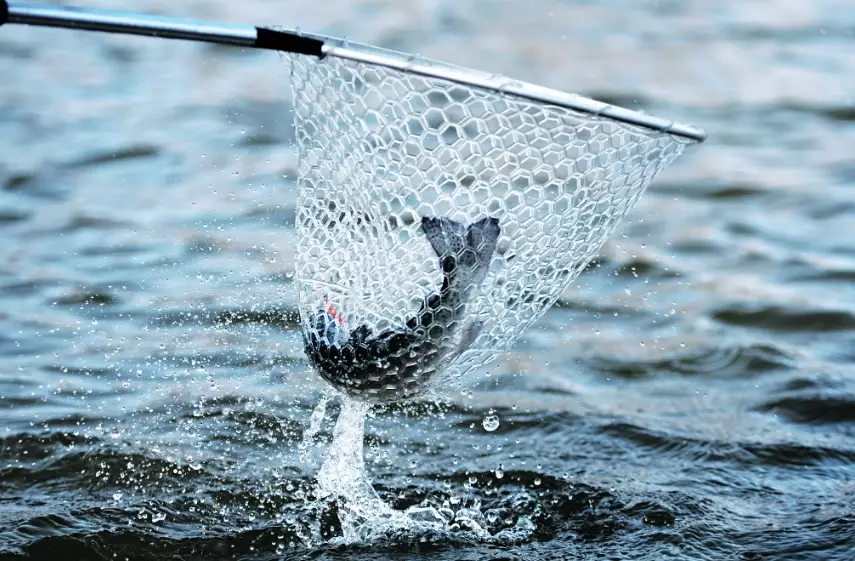
Look for Reliable Certifications (But Be a Skeptic)
Ask the Two Magic Questions
Diversify Your Plate
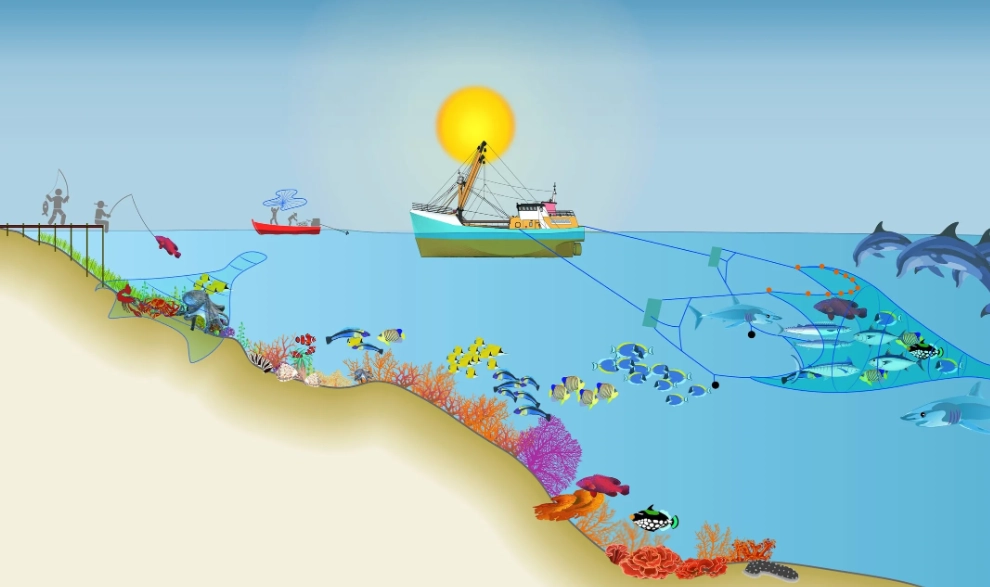
Common Questions and Concerns (The Stuff That Keeps People Up at Night)
The Bigger Picture and the Road Ahead