Fishing Conservation: A Complete Guide to Sustainable Angling Practices
What is fishing conservation and why does it matter to every angler? This comprehensive guide breaks down sustainable practices, regulations, and how you can contribute to protecting fish populations for future generations.
Let's be honest for a second. When you hear "fishing conservation," what comes to mind? A bunch of rules telling you what you can't do? Some distant problem that doesn't affect your local lake? I used to think that way too, until I showed up at my favorite trout stream one spring and found it... quiet. Too quiet. The spots that usually held fish were empty. That was my wake-up call. Fishing conservation is simply about making sure our kids and grandkids get to experience the same thrill of a bent rod that we do. It's not about taking the fun away – it's about making sure the fun lasts. This whole concept ties directly into the health of ecosystems, from the smallest creek to the vast ocean. It's a practical approach, not just a theoretical one. And here's the thing nobody really talks about enough: good conservation actually leads to better fishing. Healthier fish populations, bigger fish, more consistent action. It's a win-win, but you have to look past the next cast to see it. Maybe you're thinking, "I just catch a few fish for dinner now and then. I'm not the problem." I get it. But the collective impact of millions of anglers making small, poor choices is massive. Overfishing, habitat loss, pollution – these aren't just commercial fishing issues. They affect the water you wade in. Look at some popular species. Bass tournaments have had to adapt strict catch-and-release rules. Some wild trout streams have gone to artificial-only regulations. These changes didn't happen because everything was fine and dandy. They happened because pressure was too high, and populations were dropping. That's fishing conservation in action – sometimes reactive, but increasingly proactive. And it's not just about fish numbers. It's about water quality, healthy vegetation, insect life. A sterile lake might have fish stocked in it, but it's a shadow of what a vibrant, balanced ecosystem can produce. Conservation aims for the latter. This is where the rubber meets the road. Fishing conservation isn't some abstract theory; it's a set of tools and choices. Let's break down the most effective ones. This is the cornerstone for many recreational anglers. Done right, it's incredibly effective. Done poorly, it's just a feel-good gesture that doesn't help the fish much. The goal is to maximize the fish's chance of survival after you let it go. I see people take a photo for five minutes while the fish is gasping on the deck. That fish's chance of survival plummets. Be quick, be gentle, be efficient. That's the mantra. Your tackle box has a conservation footprint too. Lead sinkers are a major one. They're toxic to waterfowl and other wildlife that ingest them lost on the bottom. Switching to non-toxic alternatives like tin, steel, or tungsten is a no-brainer. Yeah, tungsten is pricier, but it's denser so you use smaller weights – and you're not poisoning loons. Think about terminal tackle. Using circle hooks for live or dead bait fishing dramatically reduces gut-hooking, which is almost always fatal. Many saltwater regulations now mandate circle hooks for certain types of fishing – and for good reason. And then there's line. Monofilament lasts for centuries. Birds get tangled in it, it snags wildlife. Always, always pack out your used line. Many bait shops and boat ramps have monofilament recycling bins. Use them. This is the big-picture part of fishing conservation. Wading carelessly can destroy spawning beds (redds) for trout and salmon. Dragging a boat anchor through sensitive vegetation like eelgrass beds destroys crucial nursery habitats for juvenile fish. Be mindful on the bank. Don't trample vegetation to get to the water's edge. Use established access points. When boating, know your charts and avoid shallow, vegetated areas. That weed bed you're avoiding might be the reason the fish are there in the first place. Pollution is part of this, too. It's simple: pack out everything you brought in. Every wrapper, every bottle, every scrap of line. Leaving it is just littering, and it can harm the very ecosystem that supports your hobby. Okay, I'll admit it. Regulations can be frustrating. Different size limits, slot limits, bag limits, seasons – it's confusing. But they're not arbitrary (well, most aren't). They're the primary tool fisheries managers use to achieve specific conservation goals. A minimum size limit lets fish spawn at least once before they're eligible for harvest. A maximum size limit protects the big, prolific breeders – those large female bass or trout produce exponentially more eggs than smaller ones. A slot limit (e.g., you can only keep fish between 14 and 18 inches) protects both the young breeders and the trophy-sized genetic giants. Seasons are often set around spawning times to prevent disruption. Gear restrictions (like single, barbless hooks) are directly aimed at reducing mortality. Your job as a conservation-minded angler? Know the rules for where you're fishing. Ignorance isn't an excuse. Check the official state or provincial wildlife agency website. They're the authority. For example, the U.S. Fish and Wildlife Service provides overarching frameworks, but day-to-day rules are set by state agencies like the Texas Parks & Wildlife Department or the Ontario Ministry of Natural Resources and Forestry. Bookmark your local agency's page. It's the most important piece of research you can do before a trip. You're not alone in this. A whole ecosystem of organizations, from government agencies to non-profits, is working on fishing conservation. Supporting them, even just by being aware of their work, strengthens the whole effort. I've volunteered with my local Trout Unlimited chapter on a few stream projects. It's hard work – hauling logs, planting willows – but seeing a previously eroded creek bank start to heal and provide shade and cover is deeply satisfying. You see the direct link between the work and future fishing. These groups also provide critical data. Citizen science programs, where anglers report catches or sightings, help biologists track populations. The National Oceanic and Atmospheric Administration (NOAA) Fisheries often has such programs for saltwater species. It's a way to contribute directly to the science of fishing conservation. Let's get into some nitty-gritty. These are the questions I hear on the dock or read online all the time. This is the big one. Yes, some released fish do die. Studies show mortality rates can vary from less than 2% for a quickly landed, shallow-hooked fish in cool water to over 20% for a deeply hooked fish fought to exhaustion in warm water. The key is that most survive if you follow best practices. Even with some mortality, it's far more sustainable than harvesting every fish you catch. The goal is to minimize that percentage through your actions. If I had to pick one? Use barbless hooks. It's simple, cheap, effective, and applies to almost every type of fishing. It reduces handling time and injury, which are major factors in post-release survival. It's an easy habit that makes a real difference. Harvesting fish for food is a valid part of the tradition. The conservation angle here is about selective and ethical harvest. Keep only what you'll actually eat fresh. Respect size and bag limits – they're designed to keep the population producing. Avoid taking the largest breeding fish. Use gear that minimizes waste (like circle hooks to avoid gut-hooking). It's about taking your share responsibly, not taking as much as you're allowed to. Good signs: consistent catches of various size classes (not just tiny fish), clear water with good vegetation, visible insect and baitfish activity. Red flags: catching only very small, stunted fish; murky water with no plant life; fishing pressure that seems way too high for the resource. Your local wildlife agency often publishes fishery survey reports online – those are the gold standard for the health of a lake or river. They're a massive threat, often undoing conservation work. Species like zebra mussels, Eurasian watermilfoil, or northern snakehead can devastate native ecosystems. You are the first line of defense. The mantra is Clean, Drain, Dry. Clean all plants, mud, and debris from your boat, trailer, and gear. Drain all water from bilges, livewells, and buckets. Dry everything thoroughly before moving to another waterbody. This is non-negotiable. It's a critical piece of modern fishing conservation that every single angler must take seriously. At the end of the day, fishing conservation comes down to a mindset. It's asking yourself, "Is what I'm doing right now helping or hurting the chance that this will be here tomorrow?" It means sometimes releasing a trophy fish, even if it's legal to keep. It means picking up a piece of trash you didn't drop. It means taking a new angler out and showing them not just how to catch fish, but how to care for the resource. The challenges are real – climate change, development pressure, pollution. But the fishing community is huge. If every one of us made a few better choices, the collective impact would be enormous. It's not about being perfect. It's about being better than you were yesterday. Start with one thing. Pinch your barbs. Learn the regulations cold. Pack out your line. Volunteer once. That's how the culture changes. That's how we make sure the tug at the end of the line isn't just a memory for the next generation. Because really, that's what this is all about. Passing it on.Quick Guide
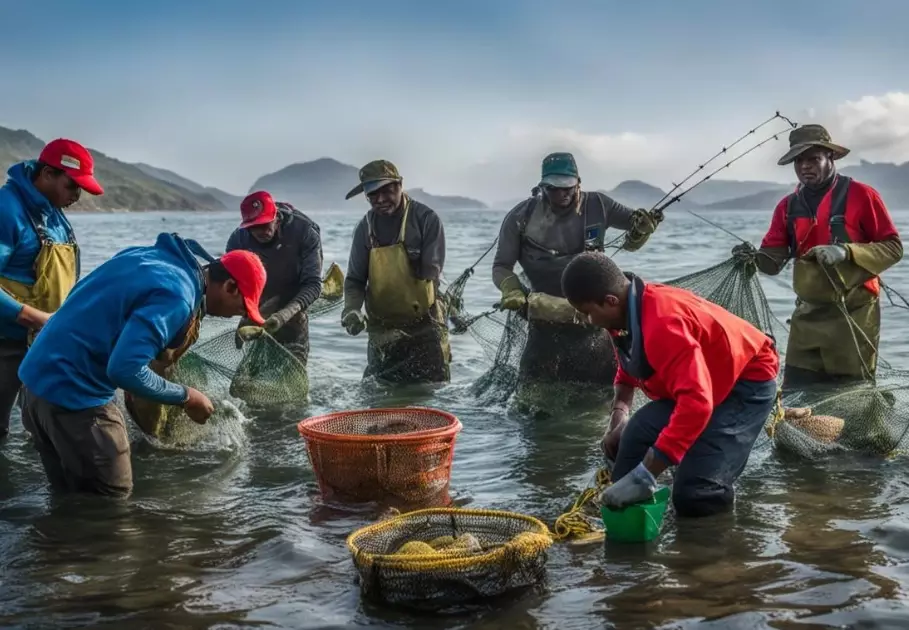
Why Should You, Personally, Care About This Stuff?

The Angler's Toolbox: Practical Conservation Practices You Can Use Today
Mastering the Art of Catch and Release
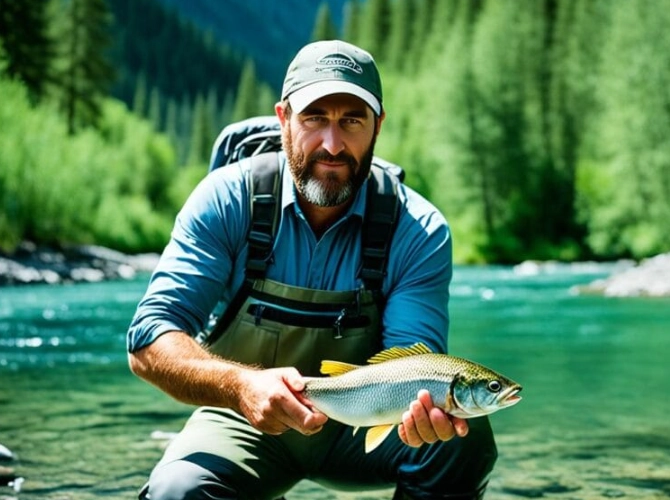
Your Catch-and Release Checklist:
Choosing Sustainable Gear and Tackle
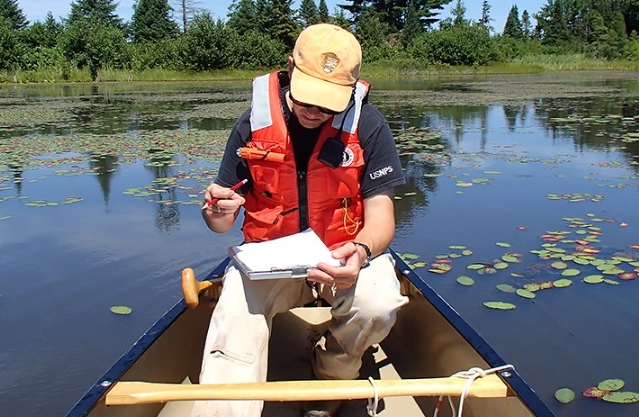
Respecting Habitats – It's More Than Just the Fish
Navigating the Rules: Regulations as a Conservation Tool
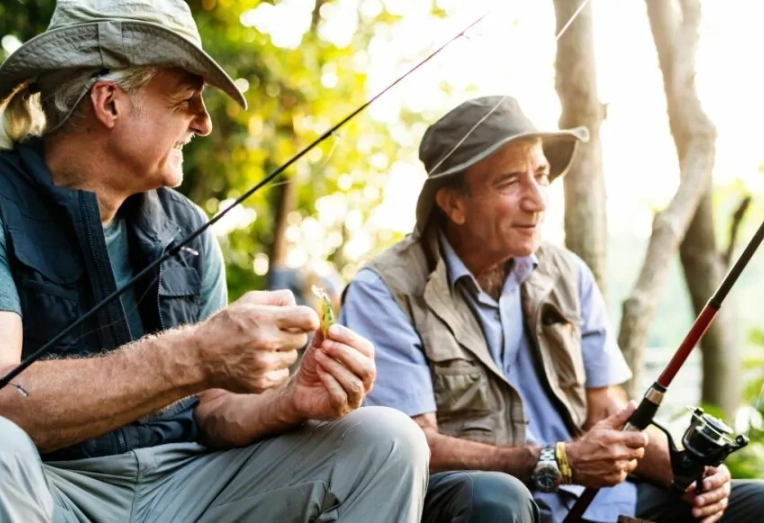
Who's Doing the Work? Key Organizations in Fishing Conservation
Organization Primary Focus How Anglers Can Engage State/Provincial Wildlife Agencies (e.g., California DFW, Florida FWC) Local fishery management, setting regulations, habitat projects, stocking programs. Buy your fishing license (funds their work!), participate in public comment periods on proposed rules, report poaching. U.S. Fish & Wildlife Service (USFWS) / Fisheries and Oceans Canada (DFO) National/federal policies, protecting endangered species, migratory fish, interstate/international waters. Follow their guidelines for threatened species, support national wildlife refuges. B.A.S.S. Nation Conservation Habitat restoration, clean-ups, youth fishing events, advocacy for recreational anglers. Join a local chapter, volunteer for a shoreline cleanup or habitat day. Trout Unlimited / Trout Unlimited Canada Coldwater conservation. Focus on stream habitat restoration, water quality, protecting headwaters. Volunteer for stream restoration projects (riparian planting, installing log structures). Membership supports their advocacy. The Nature Conservancy Large-scale land and water protection. Purchasing/conserving critical habitats that benefit fisheries. Donations, volunteering for preserve stewardship. Their work often protects entire watersheds. 
Tackling the Tough Questions: Common FAQs on Fishing Conservation
Making It Stick: Building Your Conservation Ethic