The Complete Guide to Catch and Release Fishing: Best Practices & Ethics
Wondering how to practice catch and release fishing correctly? This definitive guide covers everything from proper fish handling and hook removal to gear selection and ethical debates, ensuring higher survival rates for your catch.
Let's be honest. The first time I tried catch and release, I thought I was doing a good thing. I caught a nice bass, quickly took a photo, and plopped it back in the water. It swam away, and I felt great. It wasn't until years later, after talking to a fisheries biologist, that I realized my "quick release" might have done more harm than I knew. The fish was probably exhausted, handled with dry hands, and released with little care for its recovery. That moment changed how I view fishing entirely. This isn't about slapping rules on your fun. It's about making sure the fish you release actually lives to fight another day. And let's face it, if we want our favorite fishing spots to stay productive, we need to think about the fish's survival. That's what true catch and release is about—a conscious practice, not just an afterthought. I get the question sometimes. "If you're just going to let it go, why catch it?" It's a fair point. For me, and for many anglers, the thrill is in the hunt, the skill of the presentation, and the fight. The memory and the photo are the trophies. But beyond personal satisfaction, there are solid, practical reasons that make catch and release fishing a cornerstone of modern angling. Conservation is Key: Popular fisheries face immense pressure. Selective harvest is fine, but releasing larger, breeding-size fish (especially females full of eggs) directly contributes to stronger future populations. Agencies like the U.S. Fish and Wildlife Service often promote release practices for vulnerable species. Think of it as an investment. That 20-inch trout you release today could be the 24-inch trophy that inspires another angler next season. It's also about respecting the resource. We take so much from our waterways; this is one tangible way to give back and ensure our kids get to experience the same joy. There's also a legal side. More and more waters have mandatory catch and release regulations, slot limits (where only fish within a certain size range can be kept), or seasonal closures. Knowing how to release fish properly isn't just ethical; it's often the law. Good catch and release starts before you even make a cast. It's about preparation. I've messed this up before—hooked a beautiful fish only to fumble with a net, a hook remover, everything. Stressful for me, worse for the fish. Your tackle choice is the first major factor in a fish's survival. Heavier gear isn't just for bragging rights about landing fish fast; it genuinely reduces fight time and exhaustion. I made the switch to barbless hooks a few seasons ago. Was I worried about losing more fish? Sure. But honestly, the loss rate is minimal if you keep tension, and the benefit is huge. Removing a barbless hook is often a one-second twist of the wrist. The fish barely notices. Avoid the Boga Grip (for most fish): I know, they're popular. But suspending a heavy fish by its jaw, especially large bass or pike, can cause serious, even fatal, jaw damage. Use a supportive net or wet hands under the belly instead. Water temperature is a silent killer. This is a big one that many anglers, including my past self, ignore. Fish are cold-blooded. Their metabolism and oxygen needs skyrocket in warm water. So what's the rule of thumb? When surface water temperatures climb above 70°F (21°C), the stress on a fish increases exponentially. In water above 80°F (27°C), even a short fight can be lethal. In these conditions, you might need to change your tactics—fish deeper, cooler water, or consider targeting more tolerant species. Air exposure is the other big enemy. Think about how you feel after holding your breath. A study from the University of California, Riverside, on trout survival noted that air exposure for over 30 seconds significantly increases mortality. The clock starts the moment the gills are out of water. This is where your preparation pays off. The goal is to get the hook out and the fish back in the water with minimal fuss. Here's a step-by-step breakdown of what I've found works best, learned from both success and failure. Pro-Tip for Boats: If you're in a boat, turn off the motor while reviving a fish. The prop wash and exhaust fumes are the last thing a disoriented, oxygen-starved fish needs. This is where many guides get vague. Let's get specific. I lost a massive pike once because I was alone, tried to handle it myself, and it thrashed on the boat carpet. I got the hook out, but the damage to its slime coat was severe. I revived it for what felt like forever, but it swam off weakly. I'm not sure it made it. That experience taught me more than any article ever could about being prepared for the size of fish you're targeting. Once you've mastered the mechanics, you start thinking about the philosophy. Is catch and release always the right choice? This is where the conversation gets interesting, and frankly, where I don't have all the answers. Some argue that a clean harvest is more respectful than a stressful release. I see their point. In many cultures, taking a fish to eat is the entire point. The key is to avoid waste. If you're keeping fish, keep what you'll eat, and use the appropriate methods. Then there's the tournament debate. Seeing large bass weighed in, held in live wells, then released en masse raises questions. Modern tournaments have made huge strides with on-water weigh-ins and better recovery systems, but the stress is undeniable. As an angler, you have to decide what level of impact you're comfortable with for the sake of competition. My personal stance? I practice selective harvest. On a trip, I might keep one or two smaller, legal panfish for a meal (where the population supports it) and release all the larger breeders. I practice catch and release on all trophy-sized fish. For me, it's a balance. But I never judge someone who follows the regulations and harvests their catch respectfully. The enemy isn't the ethical harvester; it's waste and negligence. Before you head out next time, mentally run through this list. Print it and stick it in your tackle box if you need to. Look, nobody's perfect. I've made mistakes. We all have. The goal isn't perfection; it's constant improvement. Every fish we handle better is a win for that fish, for the fishery, and for the future of our sport. That's the real spirit of catch and release—a commitment to being better stewards, one release at a time. So go out there, enjoy the tug, but take that extra minute. Your favorite spot will thank you for it.What’s Inside
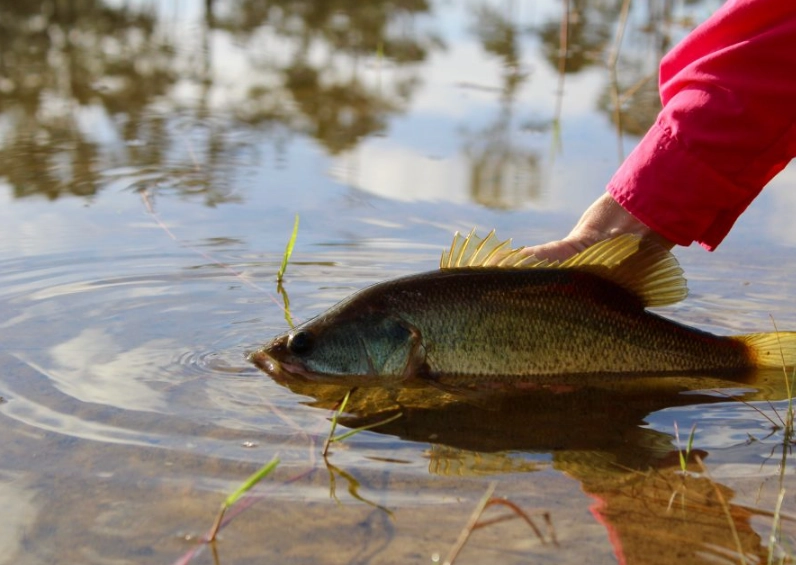
Why Bother with Catch and Release Anyway?
The Golden Rules: Your Pre-Fish Checklist
Gear Up for Success
Gear Item
Release-Friendly Choice
Why It Matters
Hook Type
Barbless Hooks (or pinched barbs)
Dramatically easier and faster removal. Causes less tissue damage. You can buy them or easily crush the barb on a standard hook with pliers.
Hook Style
Circle Hooks (for live/dead bait)
Designed to hook in the corner of the mouth, almost eliminating gut hooks. The NOAA Fisheries mandates them for many saltwater species because they work.
Line Strength
Appropriately Heavy
Don't "light line" a fish to death. Use line strong enough to land the fish efficiently, minimizing a prolonged, life-draining fight.
Landing Tool
Rubberized Net or Wet Hands
Protects the fish's protective slime coat. Dry hands, rough nets, or boat carpets scrape this slime off, opening the door to infections.
Release Tools
Long-Nose Pliers, Hook Remover
Have them ready and accessible. Fumbling increases air exposure.
Mind Your Environment
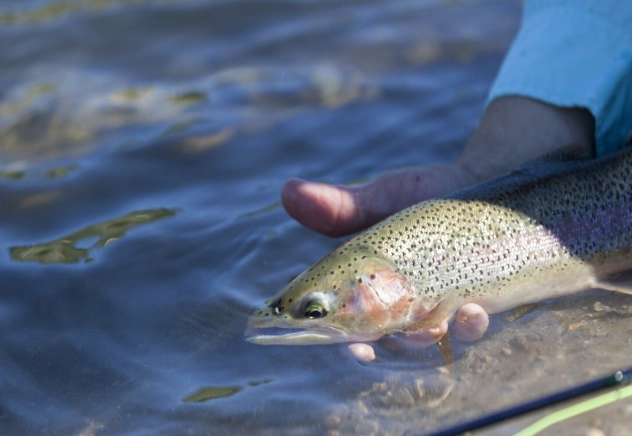
The Moment of Truth: Landing and Handling
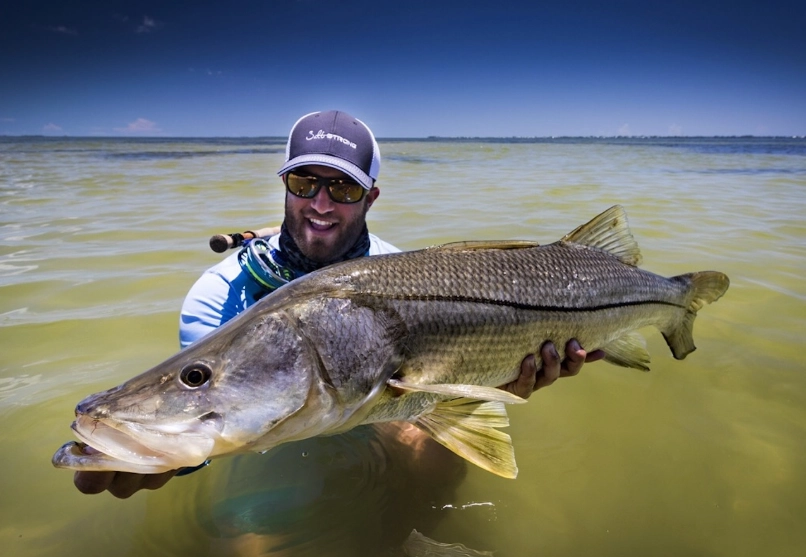
The Tricky Situations: What About Deep Hooks or Big Fish?
Beyond the Basics: The Ethics and Debates
"Is it more ethical to quickly and humanely harvest a fish for food, or to subject it to the stress of capture for sport, even with perfect release practices?"
Making It Stick: A Quick-Reference Checklist