What Are Fishing Ethics? A Complete Guide to Responsible Angling
What are the core principles of fishing ethics? This definitive guide covers everything from responsible catch and release techniques and respecting local regulations to minimizing your environmental impact, ensuring you can enjoy fishing while protecting aquatic ecosystems for future generations.
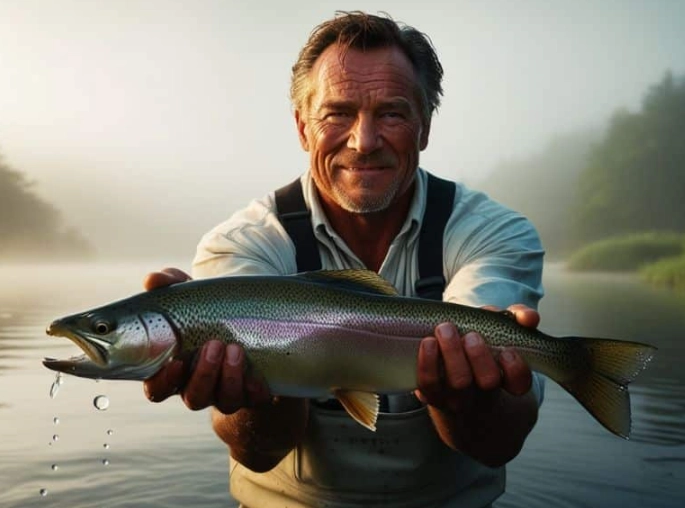
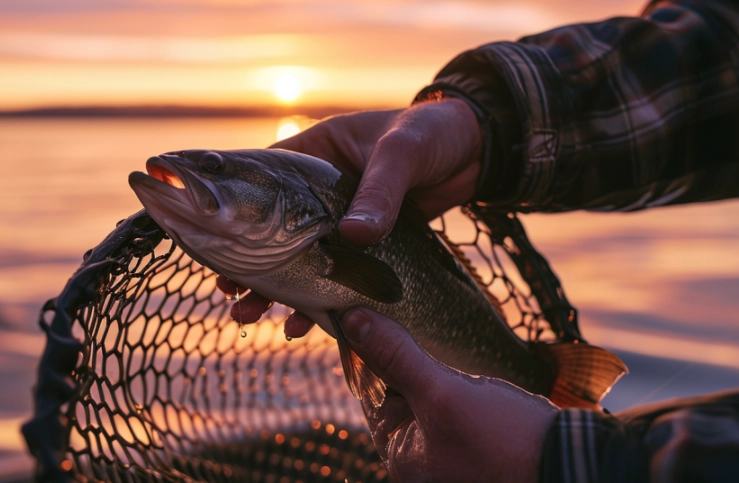
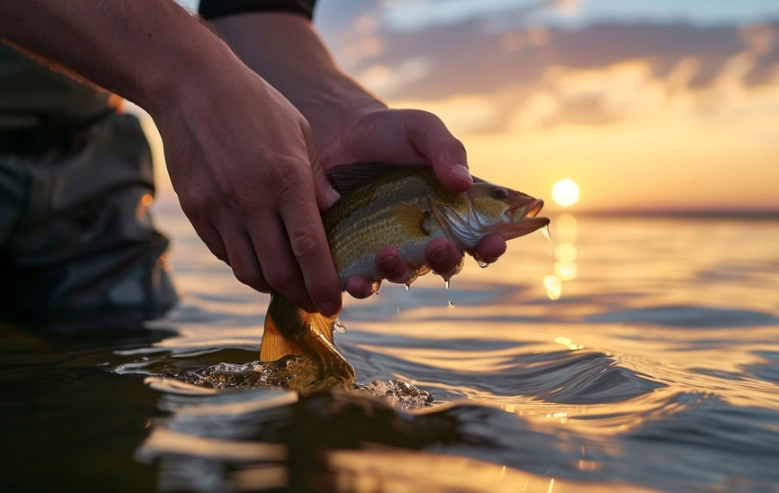
Let's be honest. When you first think about fishing, ethics probably isn't the first thing that comes to mind. You think about the tug on the line, the quiet morning on the water, the fight with a big one. I get it. I've been there, totally focused on the catch. But over the years, I've seen things that changed my perspective. I've watched people keep every single fish they caught, even the tiny ones, just to fill a cooler. I've seen lines and lures left tangled in trees and snagged on the bottom. And I've watched spots get fished out, the action dying because there was no thought for tomorrow. That's when it hit me. Fishing ethics aren't some annoying list of dos and don'ts meant to spoil your fun. They're the exact opposite. They're what preserves the fun. They're the unwritten contract between anglers, the fish, and the water itself. Without a solid foundation in fishing ethics, we're just taking. And taking has consequences. If I had to boil it down, fishing ethics is the practice of making conscious, responsible choices that minimize harm to fish populations and their habitats, respect other anglers and resource users, and ensure the sport remains viable for the future. It goes beyond the law. The law is the bare minimum—the line you cannot cross. Fishing ethics is about choosing to do the right thing, even when no one is watching and the law allows for less. Think of it this way: the law says you can't keep a fish under 12 inches. Fishing ethics asks if you should keep the 13-inch fish that's full of eggs, or if it would be better to let her go to spawn. The law might allow lead sinkers in some areas. Fishing ethics pushes you to use non-toxic alternatives to prevent lead poisoning in loons and other wildlife. See the difference? Good fishing ethics stands on a few core pillars. Ignore one, and the whole thing feels a bit shaky. Respect for the Resource: This is the big one. The fish and the water aren't ours. We're visitors. This means understanding that we have an impact and taking steps to make it as light as possible. It's about habitat protection, understanding population dynamics, and prioritizing conservation over consumption. Respect for Other Anglers and the Public: Ever had someone cast right over your line? Or pull their boat up way too close to where you're fishing? Yeah, that's a failure of this pillar. It's about sharing space, keeping noise reasonable, leaving access points clean, and generally not being that guy who ruins the day for everyone else. Respect for the Fish Themselves: This is where catch and release truly lives, but it's more than that. It's about handling fish with care, using appropriate gear to land them quickly, and minimizing their stress and injury out of a sense of respect for the animal, not just as a resource. When these three things are in balance, you're not just fishing. You're stewarding. And honestly, it makes the whole experience more meaningful. Okay, enough theory. Let's talk about what this actually looks like with a rod in your hand. This is the meat of it—the how-to that most folks are searching for. This is the cornerstone of modern fishing ethics for many species. But a fish dragged on the shore, held vertically by the jaw for five photos, and then tossed back is likely a dead fish. That's not ethical; it's wasteful theater. Here’s how to give your released fish the best shot: Ignorance isn't an excuse. Part of your ethical duty is to know the specific rules for the water you're fishing. Size limits, bag limits, slot limits, bait restrictions—they're all there for a reason, usually based on fisheries biology data. And then there's the silent threat: invasive species. Did you know that moving a minnow bucket from one lake to another can transfer deadly viruses or invasive plants? Or that zebra mussels and Eurasian watermilfoil can hitch a ride on your boat trailer? The protocol is simple but non-negotiable: This isn't bureaucracy. It's frontline conservation. The U.S. Fish and Wildlife Service has tons of resources on this, and it's one of the most practical applications of fishing ethics you'll find. Here’s a side-by-side look at what separates a mindful angler from one who just doesn't get it. It’s not about being perfect, but about being aware and trying. That last row gets me. I always carry an extra trash bag. You'd be shocked how much litter you can pick up in a few hours, and it makes the place instantly better for the next person. It's a tiny effort with a huge visual payoff. This is a hot one. From a pure fishing ethics standpoint, it introduces complexity. There's the risk of introducing non-native baitfish if they escape (use certified disease-free bait from local sources!). There's also the question of causing undue suffering to the bait. Some purists avoid it for this reason. My take? If it's legal and native to the waterbody, it can be a highly effective and traditional method. The ethical burden is on you to use it responsibly: don't dump leftover bait, use appropriate hook sizes to minimize baitfish injury, and be prepared for potentially deeper hook sets that require careful removal. The limit is not a target. This is the single biggest shift in mindset required. Just because you *can* keep five trout doesn't mean you *should*, especially if you're fishing a heavily pressured stream. Ask yourself: Do I really need this many for a meal? Will they go to waste? Is the population here healthy enough to support my harvest? Often, the most ethical choice is to keep one or two for a fresh shore lunch and release the rest. The Take Me Fishing campaign pushes this idea of "selective harvest" hard, and for good reason. Ah, the awkward moment. Confrontation on the water is rarely productive and can be unsafe. My general approach is tiered: It's frustrating to watch, but being a vigilante isn't part of the job description. Your choices at the tackle shop matter. It's not just about what catches fish, but what aligns with your principles. I made the switch to a rubber net a few seasons back. The first time I netted a vibrant brook trout and saw it come out of the net perfectly clean, not a scale out of place, I was sold. The old net would have left it looking ragged. Personal fishing ethics are the foundation, but the responsibility doesn't end there. Our collective voice and actions shape the future of the sport. Buying a fishing license is your most basic contribution—that money directly funds hatcheries, habitat restoration, and law enforcement. But you can go further. Consider joining or donating to organizations that fight for clean water and healthy fisheries. Groups like Trout Unlimited or B.A.S.S. Nation Conservation aren't just social clubs. They organize river cleanups, advocate for sensible water policy, and build in-stream structures. Volunteering for a shoreline cleanup day is one of the most tangible ways to give back. You get your hands dirty and see the immediate result. This is perhaps the most important part. When you take a kid fishing, you're not just teaching them how to cast. You're imprinting a set of values. If you pack out trash, handle fish gently, and follow the rules, that becomes their normal. If you litter and keep everything, you're passing on a legacy of neglect. Make the ethics lesson part of the fun. Turn cleaning up a spot into a game. Make proper fish handling a point of pride. You're not just creating an angler; you're creating a steward. The water's waiting. Let's take care of it.In This Guide
So, What Exactly Are Fishing Ethics?
The Pillars of Responsible Angling
The Practical Guide: Turning Ethics into Action
Catch and Release: Doing It Right (Because Doing It Wrong Is Worse Than Not Doing It At All)
Know Before You Go: Regulations and Invasive Species

The Ethical Angler's Checklist (A Table Because It's Handy)
Scenario Poor Fishing Ethics Strong Fishing Ethics Finding Tangled Line Leaves it on the bank or in the water. Packs it out to dispose of properly (monofilament can last 600 years!). Catching an Out-of-Season Fish Takes a quick photo and hides it in the cooler. Gets it back in the water immediately, with minimal handling. Seeing Another Angler Poaching Looks the other way. "Not my problem." May politely mention the regulation, or reports it to the local conservation officer via a tip line. Choosing Terminal Tackle Uses cheap lead sinkers because they're cheap. Seeks out non-toxic tungsten or steel weights, especially in areas frequented by waterfowl. After a Day of Fishing Leaves behind bait containers, drink cans, and cigarette butts. Follows a "pack it in, pack it out" rule, often carrying a small bag for trash found along the way. 
The Gear That Supports Your Ethics
Beyond the Individual: The Bigger Picture
Supporting Conservation Directly
Mentoring the Next Generation