Fishing Solunar Explained: Does Moon Phase & Sun Position Really Help Catch More Fish?
Wondering if solunar fishing theory is real or just an old angler's tale? This deep dive explains how moon phases and sun position affect fish activity, shows you how to read solunar tables, and reveals when this tool actually works (and when it might let you down).
Let's be honest. We've all been there. You wake up before dawn, load the gear, drive for an hour, spend another hour setting up, and then... nothing. The fish just aren't biting. Meanwhile, your buddy who showed up at 11 AM seems to be hauling them in one after the other. It's enough to make you question your life choices, or at least your bait choices. What if there was a predictable pattern to the madness? That's the promise of the fishing solunar theory. You've probably seen the tables in the back of fishing magazines or as a feature on your favorite fishing app. But is it real science or just fishing folklore dressed up with fancy astronomy terms? I've spent years tracking my own trips against these tables, and my opinion is... complicated. Sometimes, the correlation is spooky. Other times, it feels like a complete guess. This guide isn't going to just regurgitate the theory. We're going to pick it apart, see what makes sense, what's overhyped, and most importantly, how you can actually use this information to plan better fishing trips. First things first. The term "solunar" was popularized by John Alden Knight in the 1930s. He compiled over 200 factors and whittled them down to what he believed were the three most influential: the sun, the moon, and the tides. The logic goes like this: if the moon's gravity can move entire oceans (creating tides), surely it can influence the behavior of creatures living in that water. It's not a crazy thought. Science confirms many animals have internal biological clocks (circadian rhythms) tuned to light and dark cycles. Some marine life even has circalunar rhythms, syncing spawning with moon phases. The National Oceanic and Atmospheric Administration (NOAA) is the authority on how lunar gravity creates tides, which is a fundamental piece of the puzzle. Where it gets fuzzy is the direct, daily link to feeding activity in freshwater fish miles from any ocean tide. Proponents argue for subtle "atmospheric tides" or internal pressure changes. Critics say it's correlation mistaken for causation. My take? I think there's a signal in the noise, but it's a weak one. It's not a magic "on" switch for fish. It's more like a gentle nudge that stacks the odds slightly in your favor, assuming everything else is right. This is where most guides stop. They tell you the theory and leave you with a confusing chart. Let's break down what you're actually looking at. A typical solunar fishing chart will show you four key things for each day: Major Periods (usually two), Minor Periods (usually two), and the moon phase/position. The times are based on your specific location (longitude/latitude). Here's a simple table to visualize what a typical day might look like, and how I might plan around it: The biggest mistake I see people make is treating these times as absolutes. They are a potential activity window. If a cold front just blasted through, a major period isn't going to save you. The fishing solunar forecast is just one layer of your planning. This is the part most solunar app developers don't want to emphasize. Their chart is the product. But as an angler, you need to know when to ignore it. Here's my personal hierarchy of importance: Let's zoom out from daily times to the monthly cycle. The moon phase is a huge part of the solunar fishing conversation. The theory says the strongest activity occurs during the New Moon and Full Moon. The logic? During a New Moon, the sun and moon are aligned on the same side of Earth, combining their gravitational pull for stronger "spring tides." During a Full Moon, they are on opposite sides, also creating spring tides. More pull = more effect on fish. But here's a nuance I've observed that isn't talked about enough: light availability at night. So, is moon phase fishing real? For saltwater and tidal fisheries, the evidence is very strong. For freshwater, it's more subtle. I plan my "can't miss" tripsaround New and Full Moons if I can, but I never cancel a trip because the moon is in a quarter phase. Okay, so how do you use this without going crazy? Here's my workflow, refined through trial and a lot of error. Step 1: The Long-Range Plan. When I'm daydreaming and penciling in trips a month out, I look at the moon calendar. I'll try to target the 3-day windows around the New or Full Moon. It's a starting point for requesting time off. Step 2: The Week-Of Check. A few days before the trip, I check the detailed solunar chart for my specific lake. I note the major and minor period times. I also check the weather forecast. If a huge storm is predicted for my prime major period, I might mentally prepare for a tougher day or even reschedule. Step 3: The Day-Of Execution. This is key. I use the solunar times to structure my day on the water. The psychological benefit is huge. Instead of getting frustrated during a midday lull, I can think, "Okay, the next minor period is at 1:30. I'll use this time to scout new water quietly." It gives the day a rhythm. Don't just use solunar data in isolation. Combine it with other modern tools. Look, I'm not here to sell you a miracle. The fishing solunar system isn't a cheat code. If you're a beginner, focus on learning basic fish behavior, reading the water, and mastering a few lures first. Those skills will catch you more fish than any moon table. But for the intermediate or advanced angler looking for every possible edge? It's a valuable tool in the toolbox. It costs nothing to check. At worst, it gives you a more structured, hopeful approach to your day on the water. At best, it helps you identify those magical windows where everything aligns, and you have a day you'll talk about for years. The old-timers who swore by the moon weren't all fools. They were observant. They saw a pattern in nature. We now have the data to quantify that pattern. Use it wisely, not blindly. My advice? Try it for yourself. Keep a simple log for a season. Note the date, moon phase, solunar periods, weather, and your catch results. Don't just trust me or any other article. Let your own experience on the water be the final judge of whether solunar fishing times work for you.Quick Navigation

The Science (and Speculation) Behind Solunar Fishing Times
How to Actually Read and Use a Solunar Table
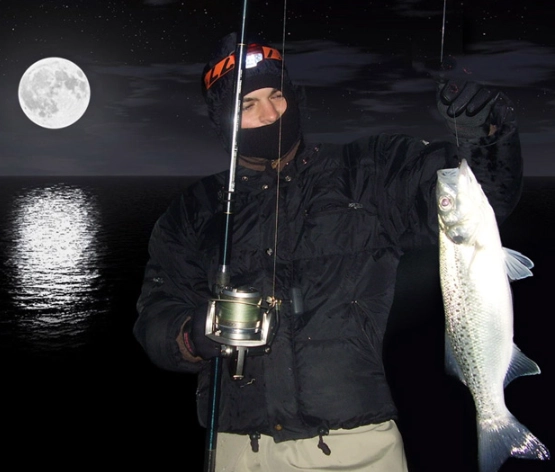
Period Type
Time Window
Moon Position
Practical Plan for the Angler
Major #1
6:15 AM - 8:15 AM
Moon Overhead
Be on the water, baits in. Ideal for aggressive techniques like topwater or reaction baits.
Minor #1
11:45 AM - 1:00 PM
Moon Rising
Good time for a lunch break onshore. Maybe make a few casts if you're persistent.
Minor #2
5:30 PM - 6:45 PM
Moon Setting
Start gearing up for the evening bite. A decent window to try.
Major #2
10:00 PM - 12:30 AM
Moon Underfoot
Prime night fishing window. If you're not set up for night fishing, this is a wasted peak.
The Critical Factors That Override a Solunar Table
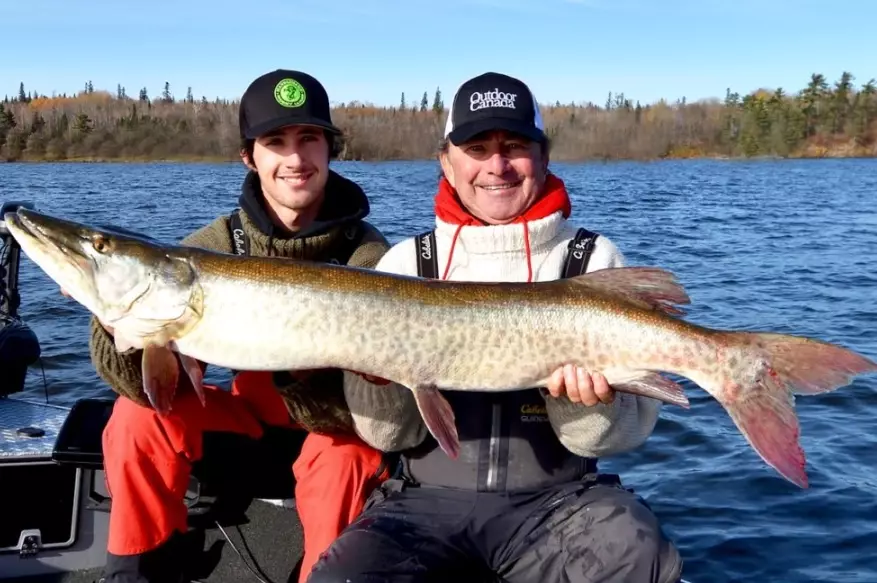
Moon Phase Fishing: New Moon vs. Full Moon vs. Everything Else
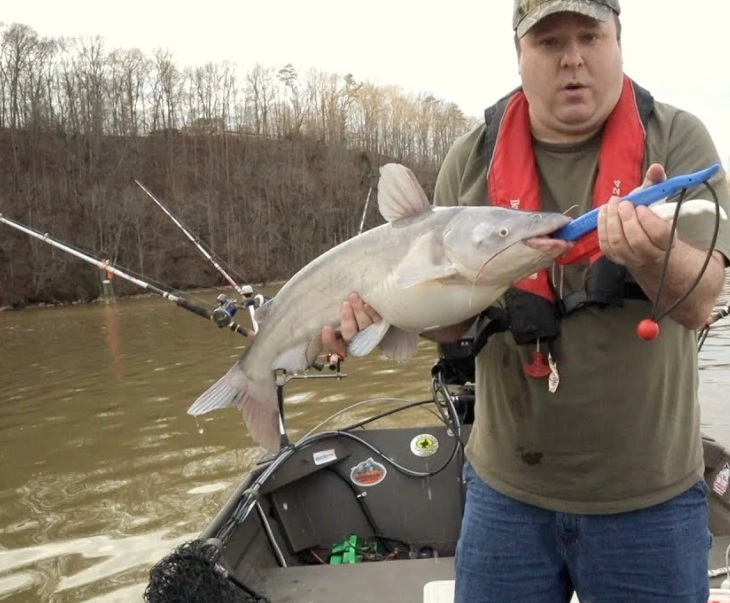
Putting It All Together: A Practical Solunar Fishing Strategy
Advanced Tip: The "Solunar +" Approach
Common Questions and Straight Answers
Final Thoughts: Is It Worth Your Time?