Essential Insights
Let's be honest. How many times have you checked the general forecast, seen a picture of a sun, and thought "perfect fishing weather"? I've done it more times than I can count. Packed the gear, drove for an hour, spent another hour setting up, only to stare at a bobber that might as well have been glued to the water's surface. Dead. Still. Nothing. Meanwhile, the guy down the bank, who showed up under a gloomy, drizzly sky, is pulling them in one after another. Frustrating, right?
That's because fish don't care about our idea of a nice day. They're tuned into a completely different set of signals – pressure changes, light levels, water temperature shifts. The real fishing weather is a hidden language, and learning to speak it is the single biggest upgrade you can make to your success rate. It's the difference between hoping for a bite and knowing where and when to find one.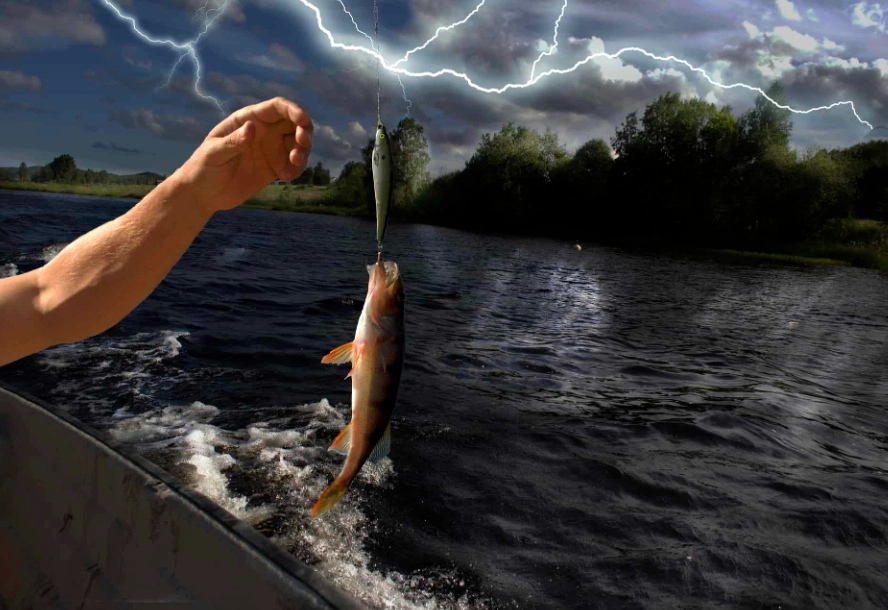
The Fish's Forecast: Understanding the Big Four
If you want to predict fish behavior, you need to think like a fish. They're cold-blooded, sensitive creatures living in an environment that's constantly being shaped by the atmosphere above. Four main weather factors dictate almost everything they do: barometric pressure, wind, cloud cover, and temperature. Get these right, and you're halfway to a great day.
Barometric Pressure: The Invisible Game-Changer
This is the big one, the secret sauce most casual anglers ignore. Barometric pressure is simply the weight of the atmosphere pushing down on everything, including the water. Fish have a swim bladder – an internal air sac – that's incredibly sensitive to these pressure changes.
So, is high pressure or low pressure better for fishing? It's not that simple. It's about the change.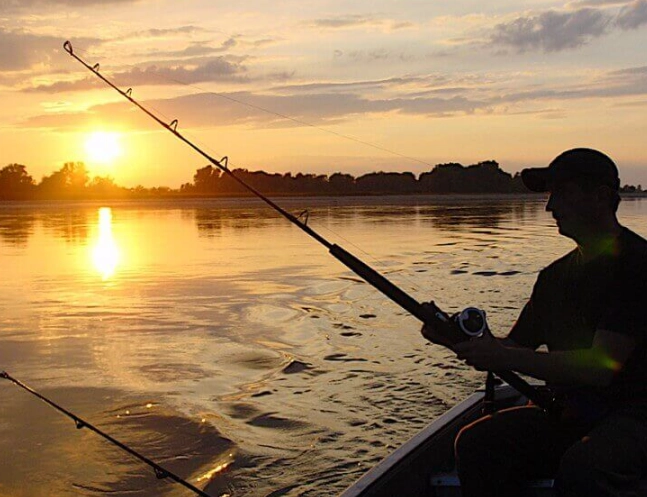
- A Rapidly Falling Barometer: This is often the golden hour (or several hours). A steady drop in pressure, usually signaling an approaching storm front, is like a dinner bell for many species. Fish sense the change and go on a feeding frenzy. I've had some of my best bass days right before a thunderstorm rolls in. The bite just turns on.
- Stable Low Pressure: Once the low pressure settles in (during a steady drizzle or overcast day), fishing can remain very good. Fish are comfortable and spread out.
- A Rapidly Rising Barometer: Right after a front passes, the sky clears, pressure shoots up, and fishing can get tough. Really tough. The fish often become lethargic and shut down. This is when I've been most skunked. They're there, but they're not interested.
- Stable High Pressure: After a day or two of clear, high-pressure weather, fish adjust. They won't be as aggressive as during a falling barometer, but you can still catch them. You just have to work slower, deeper, and more precisely.
You can track this yourself. Don't just look at the pressure number; watch the trend. Is it steady, rising, or falling? Apps and many modern weather websites show this trend line clearly. It's more valuable than the temperature for predicting fishing conditions.
Wind: Your Friend and Foe
Wind does two critical things: it positions baitfish, and it positions predator fish.
A steady wind blowing across a lake creates a phenomenon called "wind-driven current." It pushes warmer surface water (and all the tiny plankton living in it) to the downwind shore. Baitfish follow the plankton. And you know who follows the baitfish? Every game fish you're after. So, a windy point or shoreline can be a literal buffet line.
But let's be real. Fishing in a howling gale is miserable and can be dangerous. It's hard to cast, hard to control the boat, and hard to feel bites. A moderate 5-15 mph wind is ideal. It creates that current without making the day a chore. I remember one trip on a huge reservoir where a 20+ mph wind made anchoring impossible and drifting dangerous. We spent more time managing the boat than fishing. That's not fun, and it's not productive. Know your limits.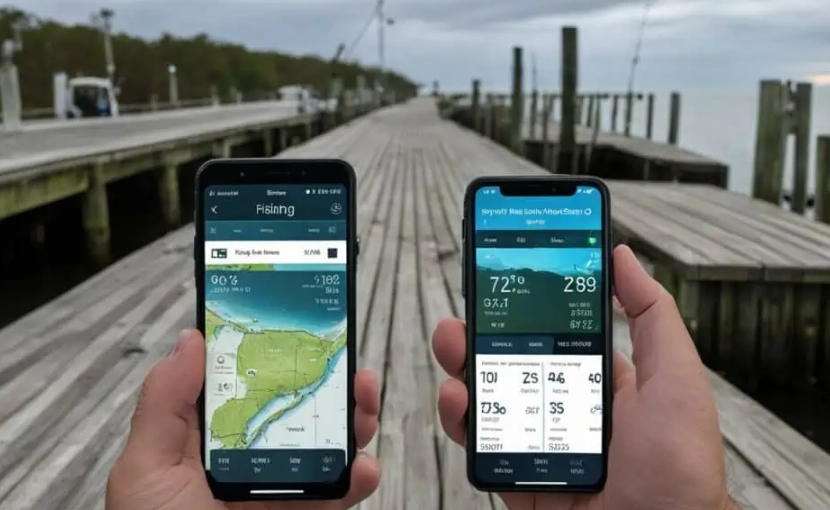
Cloud Cover: The Great Light Dimmer
Bright sun = high visibility. For wary fish like bass and trout in clear water, that often means they move deeper or into heavy cover. A thick blanket of clouds acts like a giant diffuser, spreading light evenly and giving fish the confidence to roam into shallower water to feed.
Overcast fishing weather is top-tier for many techniques. Topwater lures work longer into the day. Fish are less spooky. It's just easier. Conversely, on those brilliant bluebird days, you might need to switch to finesse techniques, fish faster-dropping edges, or target specific shade lines.
Temperature & Seasonal Shifts
Water temperature dictates fish metabolism. Cold water, slow metabolism. Warm water, faster metabolism (up to a point – if it gets too warm, oxygen levels drop and they get stressed). The key here is stable or slowly warming temperatures.
A sudden, drastic temperature drop from a cold front will slam the brakes on fishing. A gradual warming trend in the spring, however, can trigger incredible feeding activity. Pay more attention to water temperature trends than air temperature. A warm, sunny day in early spring might feel great to you, but if the water is still in the 40s (F), the fish are still in winter mode.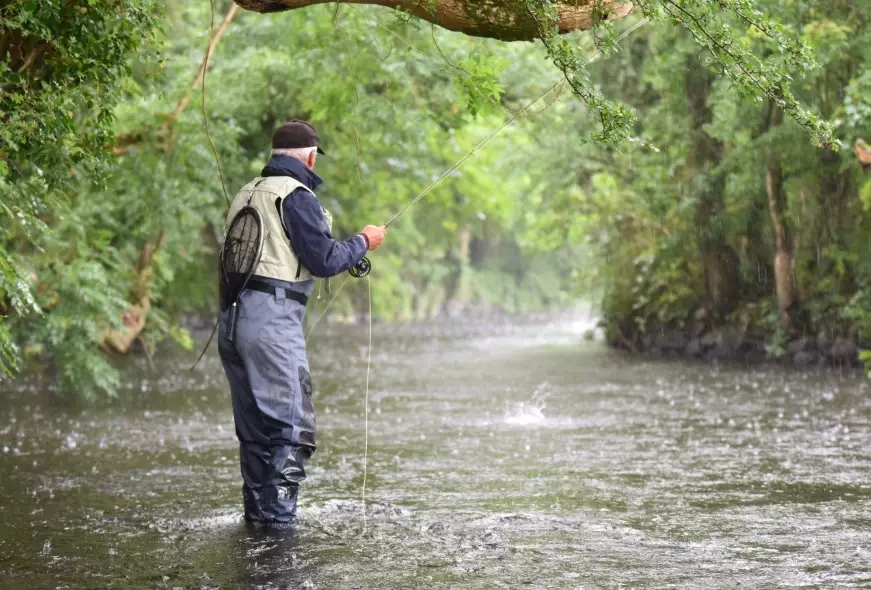
How to Actually Read a Fishing Forecast (Beyond the App Icon)
Looking at your phone's weather app and seeing a sun or a cloud isn't a fishing forecast. It's a human comfort forecast. We need to dig deeper.
First, find a reliable source that gives you the raw data. I'm a big fan of the National Weather Service (NWS) website. It's not as flashy, but it's packed with detailed information, including hour-by-hour barometric pressure, wind direction and speed, and detailed discussions from forecasters. It's a federal government site, so the data is as authoritative as it gets.
Second, learn the key metrics to track:
| What to Look For | Why It Matters for Fishing | Ideal Range (General) |
|---|---|---|
| Barometric Pressure Trend | Predicts fish activity level. A steady drop is best. | Falling or Stable Low |
| Wind Speed & Direction | Positions baitfish and creates current. Affects boat control. | 5-15 mph, blowing onto a shoreline/structure |
| Sky Condition | Affects light penetration and fish location. | Overcast to Partly Cloudy |
| Air Temperature Trend | Influences water temperature changes. | Stable or Gradually Warming |
| Precipitation Chance | Often linked to pressure changes. Light rain can be great. | Light rain associated with a low-pressure system |
Third, use specialized tools. Websites like AccuWeather often have "outdoor recreation" or even specific "fishing" forecasts that attempt to rate the day. Take these ratings as a starting point, but cross-reference them with the raw pressure and wind data. I've seen days rated "Fair" that were fantastic because of a subtle pressure drop the app's algorithm didn't highlight.
A Seasonal Guide to Fishing Weather Patterns
What constitutes good fishing weather changes dramatically with the seasons. A 50-degree day in February is a heatwave. That same day in July would be bizarrely cold.
Spring
The name of the game is warming trends. Look for consecutive days of sunny, mild weather that steadily warm the shallows. The north and west sides of lakes (in the Northern Hemisphere) warm first because they get the most afternoon sun. A warm south or west wind is your friend. Pre-frontal conditions (the day before a rain) are often explosive. Post-frontal bluebird days can be brutally tough as cold water slams back into shallows.
Summer
Think low-light and oxygen. Early morning, late evening, and nighttime are prime. Overcast days with a breeze are golden tickets, breaking up the summer doldrums. Pay attention to wind – it's often the only thing that moves fish shallow during midday. Also, look for weather patterns that might cause "turnover" in deeper lakes (where bottom water rises, temporarily disrupting fishing), but that's a more advanced topic.
Fall
Similar to spring, but in reverse. Cooling trends trigger feeding binges as fish fatten up for winter. A slowly falling temperature is perfect. The first few cold fronts can ignite fantastic fishing. Stable weather after a front is still good, as water clarity often increases. Wind is less of a negative factor now, as it helps mix oxygenated water and can create epic baitfish congregations.
Winter
Stability is king. The worst thing for winter fishing is a sudden, severe cold front. Look for stretches of 3-4 days with consistent, moderate temperatures. A sunny day after a long cold spell can warm the shallows just enough to pull fish in. Overcast days often keep fish more active throughout the day. Wind is mostly a nuisance, making it cold and difficult to present lures slowly and precisely.
See the pattern? It's always about change in spring and fall, and stability in the extremes of summer and winter. Your fishing weather strategy must adapt.
Safety: The Most Important Part of Any Forecast
All the fish in the world aren't worth a trip to the hospital or worse. Weather isn't just about catching; it's about coming home.
- Lightning: If you hear thunder, the storm is close enough to strike you. Get off the water immediately. Don't try to wait it out. I've been caught off guard once, and the speed at which a peaceful lake turns terrifying is something I never want to experience again.
- High Winds: Know your boat's limits and your own skill. Whitecaps and small craft advisories are serious. Waves can swamp a boat quickly. Check the NWS Small Craft Advisory page for official warnings.
- Fog: Sudden morning fog can completely disorient you. Have a GPS and know how to use it. If you can't see, stop.
- Extreme Temperatures: Heat stroke and hypothermia are real dangers. Dress in layers, bring more water than you think you need, and have a plan.
A great resource for general water safety is the U.S. Coast Guard Boating Safety Resource Center. Bookmark it.
Putting It All Together: Your Pre-Trip Weather Checklist
- 72 Hours Out: Check the general trend. Is a big high or low-pressure system moving in? This sets your expectation.
- 24 Hours Out: Get detailed. What's the pressure doing at dawn, midday, and when you plan to leave? What's the exact wind forecast? This is when you pick your location (e.g., which windy shore to target).
- Morning Of: Do a final check. Any sudden changes or severe weather warnings? Check the radar for pop-up storms. This is the final safety gate.
- On the Water: Keep an eye on the sky. Clouds building? Wind shifting? Feel for a temperature change. Adapt your tactics as the day's fishing weather evolves.
The goal isn't to become a meteorologist. It's to develop a weather sense. After a while, you'll feel a certain heaviness in the air before a storm and know the bite is about to turn on. You'll see a certain cloud formation and know to head for the protected coves. You'll stop hoping for "good" weather and start understanding how to fish whatever weather you get. That's when every day becomes a potential fishing weather day.
Because sometimes, the best fishing forecast of all is the one that tells you to stay home, live to fish another day, and wait for those perfect falling pressure signals to line up again.
Reader Comments