In This Deep Dive
Let's be honest. Fishing hasn't changed much in a thousand years. Hook, line, sinker. But the stuff that helps you find the fish, get to the spot, and present the lure? That's a whole different story. It's gone from gut feeling and old stories to blinking screens and chirping sonar. Modern fishing technology feels like it's moving at the speed of light, and if you're not paying attention, you can feel left behind.
I remember my grandpa's tackle box. A compass, a spool of line, and a lifetime of knowledge in his head. That was his tech. Now, my boat's console looks like the cockpit of a spaceship. It's incredible, sometimes overwhelming. Is all this new fishing technology actually making us better anglers, or just turning us into button-pushers?
The Brains of the Operation: Sonar & Fish Finders
This is where most people start. The fish finder. That magical screen that supposedly shows you what's lurking below. It's the cornerstone of modern fishing technology, and understanding it is non-negotiable.
But here's the thing. Just seeing blobs on a screen isn't enough. You need to know what you're looking at. The technology has evolved from simple flashers to 2D sonar, then to Down Imaging and Side Imaging, and now into the realm of LiveScope and other real-time, ultra-clear scanning sonars. It's a lot.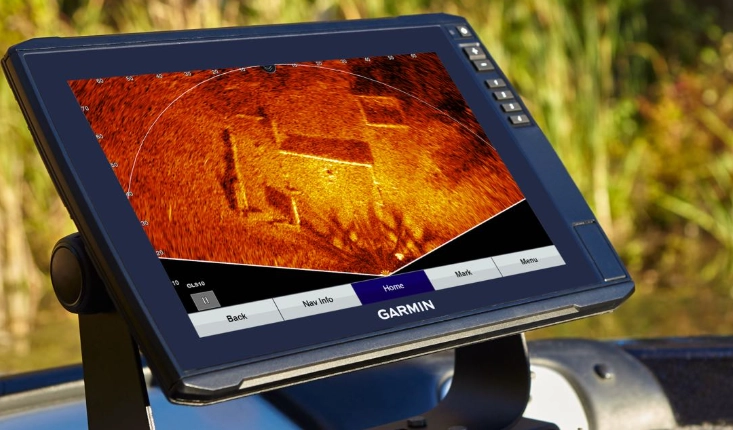
Breaking Down the Sonar Alphabet Soup
Let's cut through the jargon.
- Traditional 2D Sonar: The old reliable. It sends a cone-shaped beam straight down. You get depth, bottom hardness (a hard bottom shows a thicker line), and fish arches. It's basic, but it works. For finding general depth and marking schools, it's often all you need. Don't let anyone tell you it's obsolete.
- Down Imaging (DI): Think of this as a sharp, detailed camera looking straight down. Instead of arches, you see almost photographic images of structure—individual logs, rocks, weed stalks. It's fantastic for identifying exactly what that "blob" on your 2D sonar is. Is it a stump or a brush pile? DI will tell you.
- Side Imaging (SI): This is the game-changer for scouting. The transducer shoots beams out to the sides, sometimes over 100 feet each way. You're not just looking below the boat; you're mapping a huge swath of the lake bottom to your left and right. You can find hidden creek channels, isolated rock piles, and long stretches of submerged roadbeds you'd never see with down-looking sonar. It's the ultimate search tool.
- Live Scanning Sonar (like Garmin LiveScope, Humminbird MEGA Live): This is the new frontier, and it's mind-blowing. It's real-time, high-definition sonar that shows fish and structure as they move. You can watch a bass swim up to your jig, see it inhale it, and set the hook. It's incredibly effective, but it's also expensive and has a steep learning curve. It can feel like cheating, and it definitely changes how you fish.
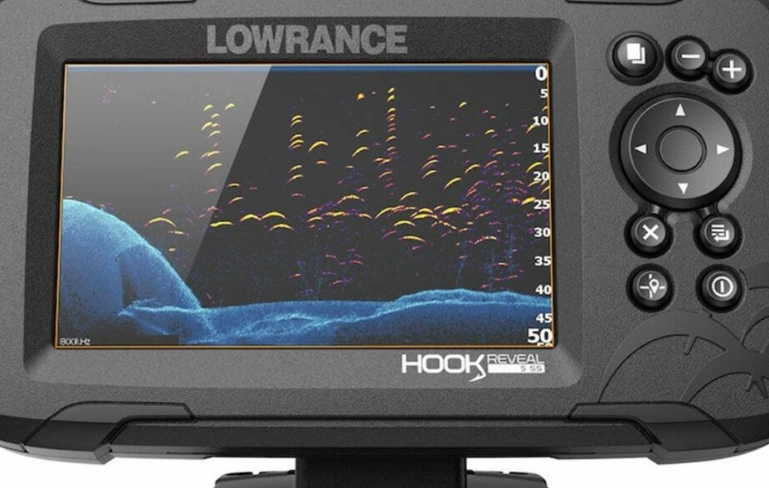
The key is matching the technology to your fishing. If you're a weekend angler on a familiar lake, a good combo unit with 2D and Down Imaging is perfect. If you're a tournament pro or love exploring new water, adding Side Imaging is a must. Live scanning is for the serious enthusiast or competitor who wants every possible advantage.
Never Get Lost Again: GPS, Mapping & Chartplotters
Remember paper maps and triangulating landmarks? Me neither. GPS is the unsung hero of modern fishing. It's not as flashy as seeing a fish, but it's arguably more important for consistent success.
Your fish finder is usually also your chartplotter. It uses GPS to mark waypoints (specific spots), create routes, and most importantly, overlay detailed maps. But not all maps are created equal.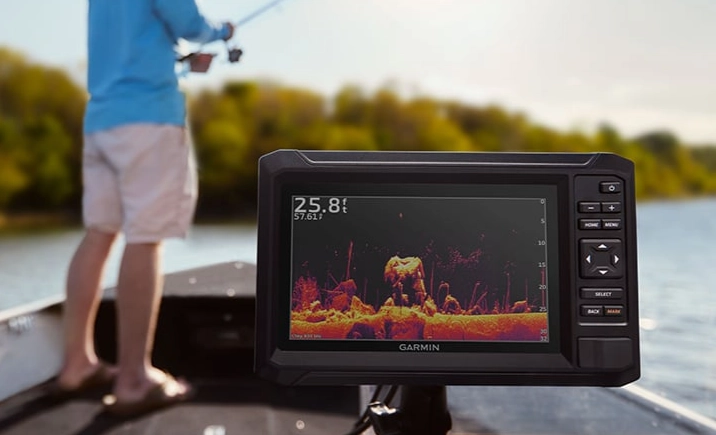
Understanding Lake Mapping Tech
There are two main types of maps: pre-loaded and user-generated.
Pre-loaded Maps from companies like Navionics or the built-in ones from Garmin and Humminbird are a great starting point. They show you contours (depth lines), marinas, and hazards. But their accuracy can vary, especially on smaller or less popular bodies of water.
The real magic happens with autocharting or live mapping. This is where your unit's sonar creates its own map as you drive. You can literally map your favorite bay or a secret honey hole with 1-foot contour lines. This is a massive advantage. You're not relying on someone else's data; you're building your own, highly accurate chart. It turns your unit from a passive viewer into an active scout.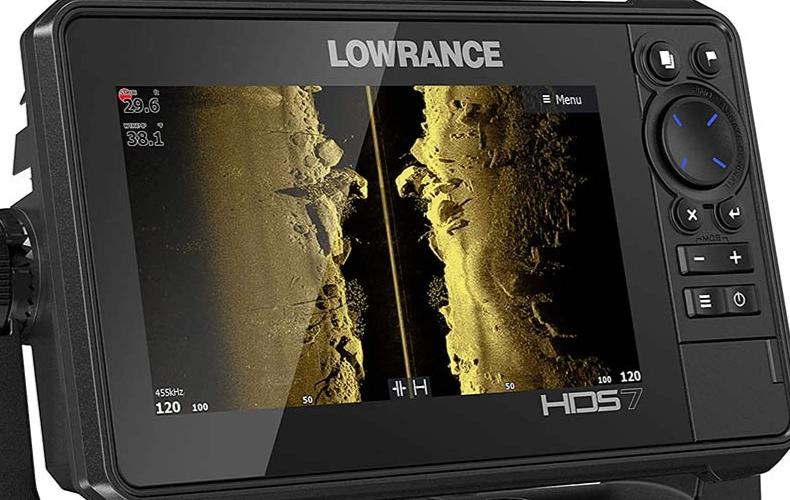
Here’s a quick comparison of popular mapping approaches:
| Mapping Type | How It Works | Best For | Big Limitation |
|---|---|---|---|
| Pre-Loaded Commercial Maps | Comes on a chip or built-in. Shows standard contours, nav aids. | Getting started, navigation, unfamiliar large lakes. | Detail can be lacking; may not show subtle breaks. |
| Community Sonar Logging (e.g., Humminbird Basemap, Garmin QuickDraw Contours) | Aggregates sonar data from thousands of users to build richer maps. | Popular lakes where many anglers contribute data. | Empty on obscure bodies of water. |
| On-The-Water Autocharting | Your boat's sonar records depth data to create a custom map in real-time. | Serious anglers, mapping specific spots or private waters. | You have to drive the area to map it. Takes time. |
| Side Imaging for Mapping | Uses Side Imaging sonar to map bottom composition (rock, sand, mud) and structure. | Finding specific types of structure (e.g., all rock piles in a bay). | Requires a high-end unit and transducer. |
My advice? Learn to use waypoints religiously.
When you catch a fish, don't just think "it was near that point." Mark a waypoint. Name it "Smallmouth Rockpile" or "May Cattail Edge." Over seasons, you build a library of productive spots tied to specific conditions. This is where fishing technology pays off in sheer knowledge capital.
For official navigational data, especially on coastal waters, always cross-reference with authoritative sources like the U.S. Coast Guard Navigation Center for safety information or the NOAA Office of Coast Survey for the most accurate official nautical charts. Your fish finder is great, but it's not a substitute for official navigational safety.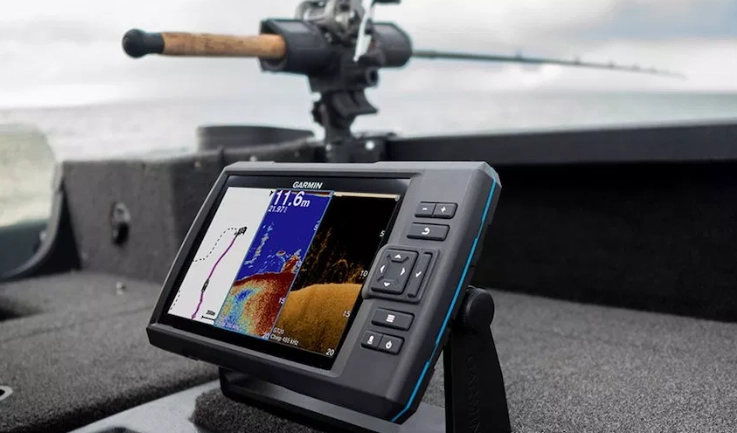
The Silent Partners: Trolling Motors & Autopilots
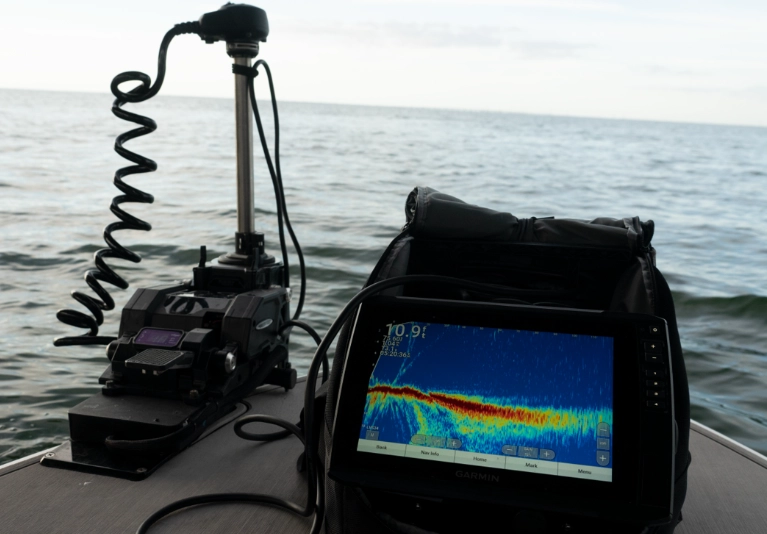
This is the physical extension of all that digital info. A modern bow-mounted trolling motor with GPS is arguably as important as your sonar. It's not just about quiet propulsion anymore.
The two big features are Spot-Lock and Autopilot.
Spot-Lock (Anchor Mode): This uses the motor's GPS to hold your boat in an exact position, even in wind or current. You mark a waypoint on a brush pile, hit Spot-Lock, and the boat stays there. It's utterly brilliant for working a specific piece of structure thoroughly. No more drifting off or fighting the anchor.
Autopilot / Route Recording: Tell the motor to follow a specific contour line (like the 10-foot depth line around an island) or retrace a path you just took where you got bites. It frees you up to focus entirely on fishing instead of constantly correcting the boat's path.
I was skeptical about how much a fancy trolling motor would help. Then I used one with good Spot-Lock. It changes everything when you're fishing vertically in deep water or trying to stay on a specific rock. The downside? They're power hogs. You need a serious marine battery (or two) to run these all day.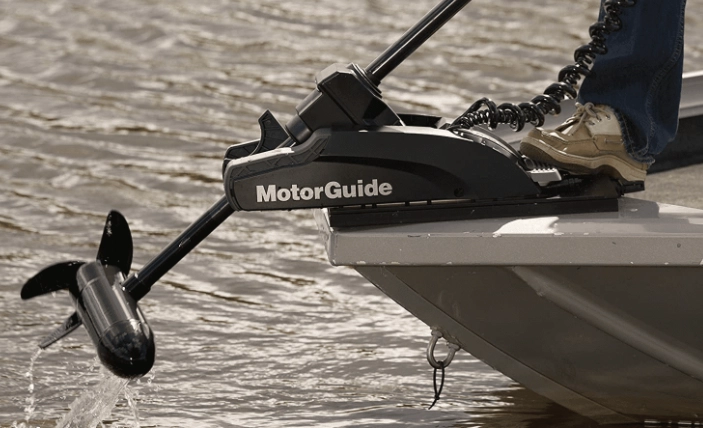
Connecting the Dots: Networking & Apps
Modern fishing technology isn't a bunch of isolated gadgets. It's a system. Most major brands (Garmin, Humminbird, Lowrance) have ecosystems where your units can talk to each other.
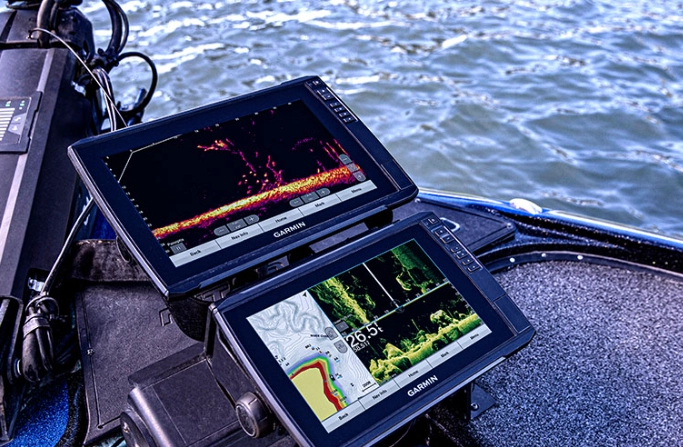
You can have a unit on the bow and one on the console sharing sonar data, maps, and waypoints. Mark a spot on the console while driving, and it instantly appears on the bow unit for the angler up front. This is a huge efficiency boost.
Then there are the smartphone apps. This is a booming area of fishing technology.
- Weather & Solunar Apps: Detailed forecasts, wind direction, barometric pressure trends, and solunar fishing calendars. Apps like Fishbrain or FishAngler have these built-in.
- Social Logging & Community Apps: This is a double-edged sword. Apps like Fishbrain let you see what others are catching, where, and on what. It's great for discovery and learning patterns. But it also means your secret spot might not stay secret for long. Use them for ideas, not for turn-by-turn directions to someone else's honey hole.
- Sonar Streaming: Some units can stream sonar data to a tablet or phone on the boat, giving you an extra screen.
The Real-World Questions (FAQ)
Okay, that's the tour. But you probably have some specific, practical questions. Let's tackle the ones I hear all the time.
I'm on a tight budget. What's the one piece of fishing technology I should upgrade first?
Hands down, a modern fish finder with a good GPS plotter and mapping. Even an entry-level model from the last few years will blow away a high-end unit from a decade ago in terms of clarity and mapping features. It gives you eyes below and memory on the water. Save up for this before anything else.
All this tech is complicated. How do I avoid getting overwhelmed?
Learn one thing at a time. Seriously. Don't try to master Side Imaging, LiveScope, and autocharting in one weekend. Start with your basic 2D sonar. Learn to read bottom composition and identify basic arches. Get comfortable with marking and navigating to waypoints. Once that's second nature, move to the next feature, like Down Imaging. It's a marathon, not a sprint. Watch YouTube tutorials specific to your unit model—they're a goldmine.
Does this technology take the "sport" out of fishing?
That's the eternal debate. My take? It changes the sport, it doesn't eliminate it. The technology helps you locate fish and understand their environment, which is a huge part of the puzzle. But you still have to make the right cast, present the lure properly, set the hook, and fight the fish. It shifts the skill from pure blind searching to efficient searching and precise execution. Some purists hate it, and I get that. But for most of us with limited time on the water, it makes that time much more productive and educational.
How do I deal with battery life? All this stuff sucks power.
This is the dirty secret of advanced fishing technology. A network of screens, a live sonar transducer, and a GPS trolling motor can drain batteries shockingly fast. The solution is to invest in a quality AGM or Lithium deep-cycle battery (or bank of batteries). Lithium batteries are lighter, last longer, and can be discharged more deeply, but they cost a lot upfront. Also, learn to manage your power. Turn off the high-beam sonar (like Side Imaging) when you're not actively searching. Lower screen brightness. It's a constant balance.
Won't this technology be obsolete in two years?
It might feel that way, but the core functions won't. A good sonar/GPS unit from five years ago is still a fantastic tool. The latest models will have sharper screens and newer features, but the fundamentals of reading sonar and using GPS waypoints are timeless. Buy the best you can reasonably afford, then use it until it breaks or you outgrow it. Don't get caught in the endless upgrade cycle unless you truly need a specific new capability.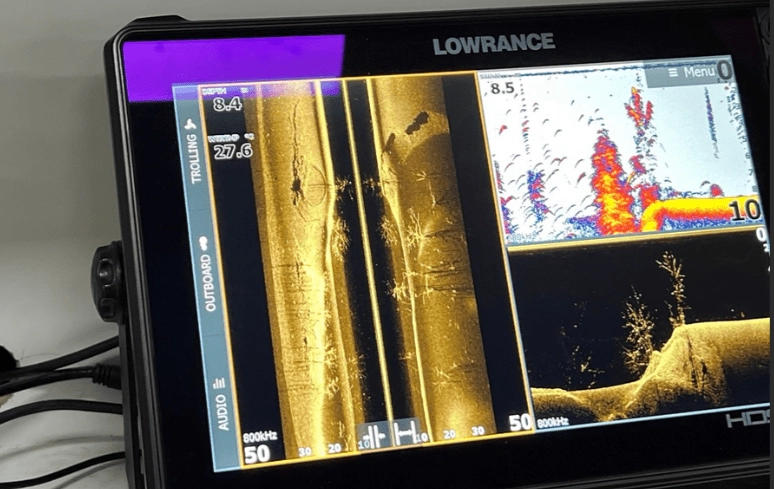
Wrapping It Up: Tech as Your Fishing Partner
Look, at the end of the day, fishing technology is just that—a tool. A really smart, sometimes frustrating, often amazing tool. It won't make a bad angler great, but it will make a good angler more efficient and a great angler nearly unstoppable.
The goal isn't to become a slave to the screen. The goal is to use the information to build your own understanding, to learn the water faster, and to make better decisions. Let the technology handle the "where" and the "what" (where is the depth change, what is that structure), so your brain can focus on the "why" and the "how" (why are the fish there, how should I catch them).
Start simple. Master the basics of your gear. Don't be afraid to hit the water with just your old reliable rod and a few lures, either. Sometimes, disconnecting from the tech is the best way to reconnect with the joy of fishing.
But when you're ready to get serious, to crack the code on a tough lake or find fish when no one else can, that's when embracing modern fishing technology pays off. It's an incredible time to be an angler. We have more information at our fingertips than any generation before us. The trick is learning how to use it wisely.
Reader Comments