Quick Navigation
Let's be honest, fishing isn't just about throwing a worm on a hook anymore. Not that there's anything wrong with that – it's a classic for a reason. But if you've been to a tackle shop lately or scrolled through fishing forums, you can feel the shift. The gear is smarter, the conversations are different, and the whole vibe around the sport is evolving. It's not just about catching fish; it's about how you catch them, what you use, and the impact you leave behind.
I've spent more time than I'd like to admit watching new product launches, talking to guides, and just observing what people are actually using on the water. Some of these fishing trends are flashy and maybe a bit overhyped. Others are quietly changing the game for the better. This guide is my attempt to sift through the noise and break down what's actually sticking, what's worth your money, and what these shifts mean for your next trip to the water.
Think of this as a conversation with a friend who's just as obsessed with fishing as you are. We'll skip the marketing fluff and get into the real stuff – the gear that works, the techniques that are catching fish right now, and the tech that's not just a gimmick.
Gear Trends: Lighter, Smarter, and More Eco-Conscious
The tackle aisle can be overwhelming. Every rod claims to be more sensitive, every lure promises more fish. But a few clear fishing gear trends have emerged from the clutter.
The Unstoppable Rise of the BFS Craze
Bait Finesse System, or BFS, has moved from a niche obsession to a full-blown movement. It's essentially ultra-light fishing on a baitcasting setup. We're talking about throwing tiny jigs, micro crankbaits, and hair-thin lines with a baitcaster that's been specifically designed for it.
Why the hype? It's incredibly fun. The sensitivity is off the charts – you feel every pebble, every twitch of a fish's mouth. It's made targeting panfish, trout, and even pressured bass a whole new experience. Manufacturers have caught on, and now you can find dedicated BFS rods and reels from most major brands, not just obscure Japanese imports. It's a trend born from a desire for more challenge and precision, and it's not going away.
Here's my take: BFS is brilliant for technical fishing, but it's not a do-everything technique. Trying to horse a big fish out of heavy cover on 4-pound line is a heart attack waiting to happen. It's a specialist tool, and embracing that is key.
Tackle That Doesn't Cost the Earth
This is one of the most significant and positive fishing trends I've seen. Anglers are increasingly asking, "What happens to my lure when I lose it?" The answer, for decades, was that it sat at the bottom of the lake, leaching paint and plastic. Now, companies are responding with biodegradable soft plastics, tungsten weights instead of lead, and lures made from more sustainable materials.
It's not just a feel-good marketing angle. Some of these new baits perform exceptionally well. For example, certain biodegradable plastics have a different action and fall rate that fish find irresistible. The U.S. Fish & Wildlife Service has long highlighted the dangers of lead tackle to wildlife, making the switch to tungsten or steel not just trendy, but responsible. This shift is driven by a genuine care for the resource, and that's a trend every angler can get behind.
Rod Technology: Where Are We Now?
Graphite, carbon, nano-this, helical-that. Rod tech jargon is a minefield. The real trend isn't just a new magic material; it's specificity. Companies are making rods for hyper-specific techniques. You don't just buy a "spinning rod" anymore. You buy a "7'3" medium-light, fast-action finesse jig and drop-shot rod." It sounds ridiculous, but it works.
The benefit is that when you find the exact right rod for your favorite technique, it's a revelation. The downside? It can empty your wallet faster than you can say "backlash." You don't need a quiver of twenty rods. My advice? Identify the two or three techniques you use 80% of the time and invest in a perfect rod for each. Ignore the rest of the noise.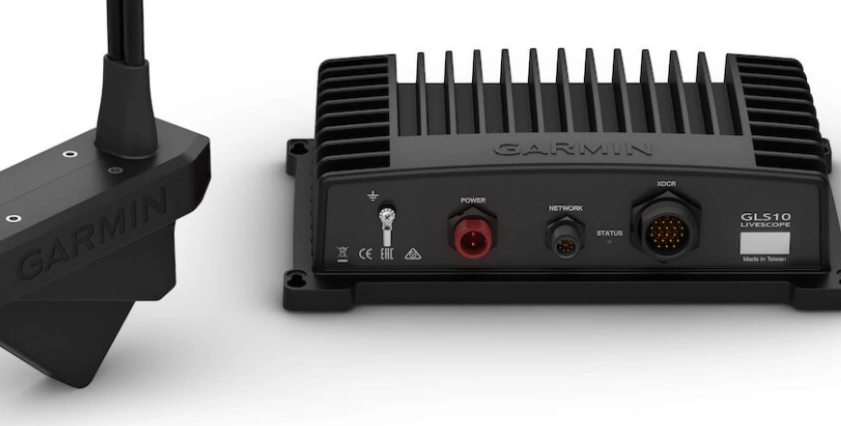
Technique Trends: Old School Meets New School
Gear is cool, but it's useless without the know-how. How people are fishing is changing just as fast as what they're fishing with.
Observation: The biggest shift isn't a brand-new technique, but the refinement and hybridization of old ones. Anglers are mixing and matching like never before.
The "Forward-Facing" Sonar Revolution (And The Backlash)
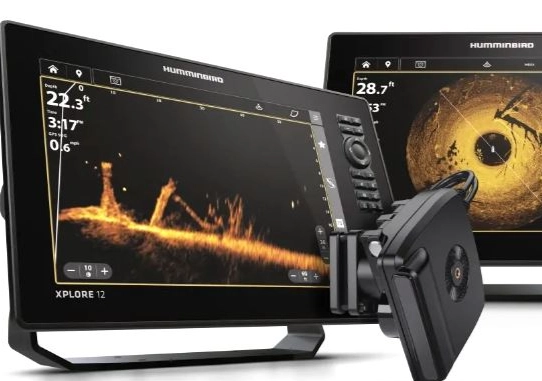
Let's address the elephant in the boat. LiveScope, MegaLive, and other forward-facing/live scanning sonars have utterly transformed competitive fishing and are rapidly filtering down to weekend anglers. The ability to see a fish 80 feet away, watch it approach your lure, and see it bite in real-time is, frankly, sci-fi stuff. It has made winter fishing, deep-water fishing, and locating suspended fish more effective than ever.
But... it's controversial. Purists argue it removes the "sport" from sportfishing, turning it into a video game. There's a learning curve that's steeper than people admit – just because you see a fish doesn't mean you can catch it. And it's expensive. This trend creates a real divide on the water.
Is it a must-have? For a tournament angler, arguably yes. For someone fishing for relaxation and connection with nature? Maybe not. It's a powerful tool, but it's just that – a tool. It doesn't replace fundamental skills like reading water or understanding fish behavior. The National Marine Fisheries Service provides great resources on fish biology and habitat that remain the true foundation of success, tech or no tech.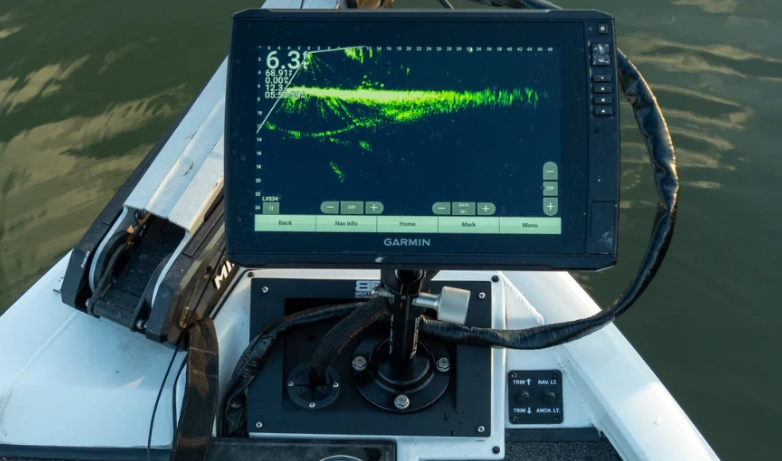
Ned Rigs, Micro Rigs, and the Supremacy of Finesse
While the tech guys are staring at screens, another huge fishing technique trend is all about subtlety. The Ned Rig (a tiny mushroom-head jig with a short plastic) went viral years ago and proved it wasn't a fad. It catches fish everywhere, especially pressured ones. This has spawned a whole world of micro-rigs, tiny swimbaits, and subtle presentations.
This trend is a direct response to clearer water, more fishing pressure, and smarter fish. A giant, loud lure often spooks them. A little something that just scoots along the bottom, looking wounded and easy? That's dinner. It's a humble, incredibly effective approach that costs very little to get into. Sometimes the best trends are the simple ones.
Fly Fishing Influences on Gear Fishing
This is a cool one. Techniques and ideas from fly fishing are crossing over. "Euro-nymphing" or tight-line nymphing principles – maintaining a direct connection to a small, weightless fly – are being adapted for ultralight spin gear. Anglers are using long, light rods and light line to dead-drift tiny jigs or flies in current for trout, smallmouth, and even panfish.
It's a super technical, immersive way to fish that's incredibly rewarding. You're not just casting and retrieving; you're managing line, mending, and feeling for the slightest tick. It shows that the boundaries between fishing disciplines are blurring, and anglers are stealing the best ideas from anywhere they can find them.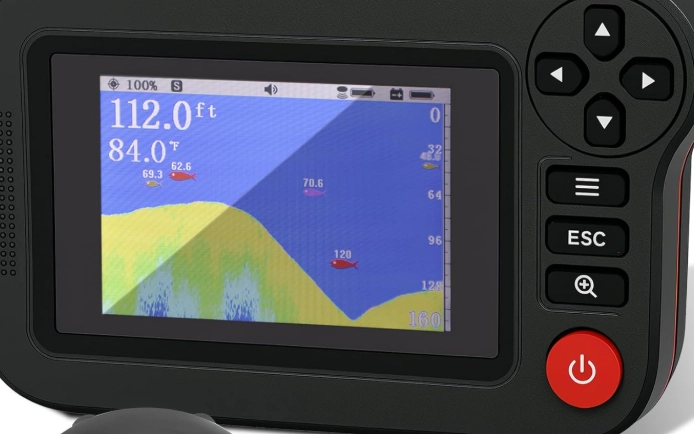
Technology & Electronics: The Connected Angler
Beyond sonar, technology is weaving itself into every part of the fishing experience. Some of it is incredibly useful. Some of it... makes you wonder.
Let's break down the tech fishing trends that are actually useful versus those that might be overkill.
| Tech Trend | The Promise | The Reality (My Experience) | Worth It For? |
|---|---|---|---|
| Advanced Mapping & Bathymetry | Hyper-detailed lake maps with 1-foot contours, bottom composition, and custom waypoints. | Game-changing for finding offshore structure. The detail is insane and saves hours of searching. The best investment after a good sonar. | Boat anglers, anyone targeting structure. |
| Smart Rods/Sensors | Rods with built-in bite sensors, cast trackers, and Bluetooth connecting to an app. | Gimmicky for most. The bite alarm is delayed, the data is fun to look at once. Adds weight and complexity to the rod. I stopped using the app after two trips. | Data nerds, maybe beginners wanting feedback. |
| Social Fishing Apps | Log catches, see what's biting near you, share spots with friends. | Great for logging your own data privately. The public "hot spot" features can lead to overcrowding and pressure. Use with caution and respect for fellow anglers. | Anglers who love data tracking, private groups. |
| Electric Motor Integration | Spot-Lock, follow-the-contour, linking your trolling motor to your mapping. | Not a trend, it's the new standard for boat control. Spot-Lock alone is worth the price. It lets you focus 100% on fishing, not drifting. | Any serious boat angler. |
The pattern here? Tech that solves a real problem – like holding position on a windy point or finding a hidden hump – sticks. Tech that's a solution looking for a problem often fades. Focus on the tools that make you more efficient, not the ones that just generate data for data's sake.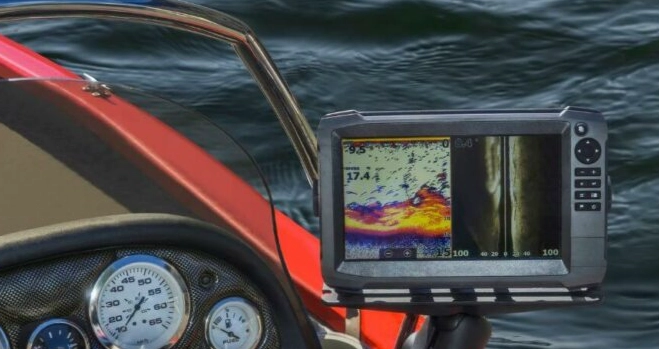
The Sustainability Shift: It's Not a Trend, It's The Future
This deserves its own section because it's bigger than gear or techniques. The mindset around fishing is changing. Catch-and-release is now the default for many species, not the exception. Proper fish handling – wet hands, no gill contact, quick releases – is common knowledge thanks to great work by organizations like KeepFishWet.
Anglers are picking up trash they find, participating in clean-up days, and advocating for clean water. We're seeing a move towards sustainable fishing trends that ensure the resource is there for the next generation. This is the most important trend of all. It's about being a steward, not just a consumer.
Quick Questions on Current Fishing Trends
Pulling It All Together: What This Means for Your Next Trip
Looking at all these fishing trends, it's easy to get paralyzed. Should you buy a BFS setup, a LiveScope, and a boatload of biodegradable baits? Probably not all at once.
The real takeaway is that fishing is becoming more diverse and specialized. There's no single "right way" to do it anymore. The best approach is to be curious but critical. Pick one area that interests you – maybe it's learning a new finesse technique, or maybe it's just swapping out your lead weights for tungsten. Dive into that. Get good at it. See how it changes your experience.
Ignore the pressure to have the latest of everything. The core of fishing is still about being outside, solving a puzzle, and connecting with nature. All these trends – the gear, the tech, the sustainable mindset – are just different lenses to view that same, timeless activity through.
So go out there. Try something new if it intrigues you. Stick with the old faithful if that's what brings you joy. Just pay attention to the water, the fish, and your own enjoyment. That's the only trend that truly matters.
Reader Comments