Your Fishing Journey Map
Let’s be honest. The idea of a perfect fishing trip is often a lot cleaner and simpler than the reality. You picture serene waters, the tug of a big one, and a cooler full of fish by sunset. What you might get is tangled lines, forgotten gear, and a sunburn in places you didn’t know could burn. I’ve been there. I’ve also, after many years and many misadventures, figured out how to tilt the odds toward that perfect picture.
This isn’t a stuffy manual. Think of it as a chat with someone who’s made most of the mistakes so you don’t have to. Whether you’re dreaming of a quiet freshwater fishing trip for bass or an epic saltwater charter adventure, the core principles are the same. Planning is everything. A little forethought is the difference between a story you brag about and one you laugh about (once the frustration fades).
A successful fishing trip hinges on three phases: the pre-trip planning, the execution on the water, and what happens after you reel in your last catch. Most guides focus only on the middle part. We’re going deep on all three, because forgetting a license can ruin your day faster than a snapped line.
The Pre-Trip Phase: More Than Just Packing a Rod
This is where trips are made or broken, and it starts long before you load the car. Rushing this phase is the number one reason people have a mediocre time.
Choosing Your Fishing Trip Destination
Where you go determines everything—the gear you need, the techniques you’ll use, and the fish you’ll target. Are you after the solitude of a mountain lake or the adrenaline of offshore waters? Your choice sets the tone.
| Type of Fishing Trip | Typical Experience | Target Species | Best For | Approx. Cost Range |
|---|---|---|---|---|
| Freshwater Shore | Accessible, relaxed, often in parks or public lands. | Bass, Trout, Panfish (Bluegill, Crappie) | Beginners, families, low-budget outings. | $ - $$ |
| Freshwater Boat | Ability to cover more water, access hidden spots. | Walleye, Pike, Lake Trout, Bass | Anglers with some experience, small groups. | $$ - $$$ |
| Saltwater Inshore | Action-packed, in bays, flats, or near piers. | Redfish, Speckled Trout, Snook, Flounder | Those wanting saltwater action without a long boat ride. | $$ - $$$ |
| Saltwater Offshore/Charter | Big game adventure, requires a capable boat. | Tuna, Marlin, Mahi-Mahi, Snapper | Experienced anglers, special occasions, bucket-list trips. | $$$ - $$$$ |
My two cents? If it’s your first serious fishing trip, don’t jump straight to a $1000 offshore charter. The pressure is high, and seasickness is a real buzzkill. Build up to it. A guided inshore trip or a well-researched lake outing offers massive fun with less potential for misery.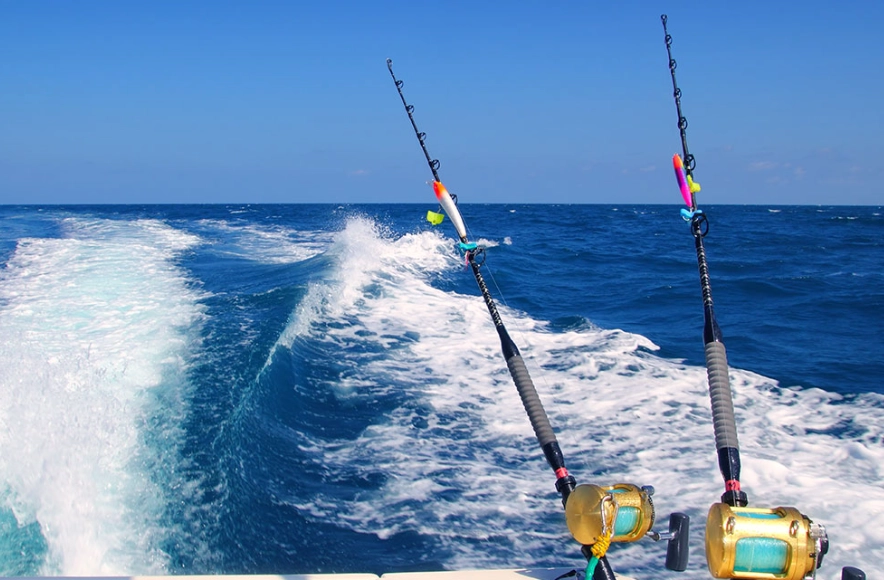
I once booked a "premier" deep-sea fishing trip based on flashy website photos. Turned out the boat was overcrowded, the crew was impatient, and we spent 8 hours catching seaweed. A call to a local bait shop beforehand would have saved me $400 and a day of frustration. Always, always check independent reviews and talk to locals.
Gear Up: Your Fishing Trip Checklist
Forgetting a critical piece of gear is a special kind of agony. Here’s a breakdown that goes beyond "rod and reel."
The Absolute Non-Negotiables: These items will stop your trip dead in its tracks if forgotten.
- Fishing License: This isn’t a suggestion. It’s the law. Regulations vary wildly by state and even by water body. The U.S. Fish & Wildlife Service has links to every state’s licensing agency—find yours here. Buy it online before you go.
- Rod, Reel, and Line: Match them to your target fish. A light trout setup will fail miserably for catfish. When in doubt, ask at a local tackle shop near your destination.
- Tackle Box Basics: Hooks, sinkers, swivels, and a selection of lures or live bait. Pack more than you think you need. Snags and lost lures are part of the game.
- Appropriate Clothing & Sun Protection: Quick-dry fabrics, a wide-brimmed hat, polarized sunglasses (they cut glare so you can see fish!), and high-SPF sunscreen. Reapply sunscreen often. Trust me.
- Food and Water: More water than you think. Fishing is dehydrating. Pack high-energy snacks that won’t melt or spoil.

Classic Mistake: People pack their fancy gear but forget the pliers or a knife to cut line. Or a rag to handle fish. Suddenly you’re trying to unhook a toothy pike with your bare hands. Not fun.
Here’s a pro-level addition most lists miss: a small first-aid kit with bandages, antiseptic wipes, and motion sickness pills if you’re going on any boat. Even "calm" water can get choppy.
The Invisible Essentials: Research and Logistics
Gear is tangible. Knowledge is invisible but just as critical.
- Check the Regulations: Size limits, bag limits, seasonal closures. The eRegulations website is a fantastic, official resource for digestible state-by-state guides. Ignorance will get you a fine.
- Study the Weather: Not just for the day, but for the days leading up to your trip. A big storm can muddy the water and shut down fishing for days. I use the National Weather Service for the most reliable forecasts.
- Learn Basic Local Patterns: What bait are the fish eating now? Are they deep or shallow? Morning or evening bite? A 20-minute call to a local bait shop is worth hours of internet searching.

On the Water: Turning Plans into Fish
This is the fun part. But it’s also where patience and observation separate casual dabblers from consistent anglers.
Setting Up and Starting Your Fishing Trip
First, don’t just start casting wildly. Take ten minutes to observe.
Look for birds diving. That often means baitfish are being chased to the surface. See any downed trees, weed edges, or drop-offs in the water? Fish love structure. If you’re on a boat, use your fish finder, but don’t become a slave to it. Sometimes the fish just aren’t showing up on screen.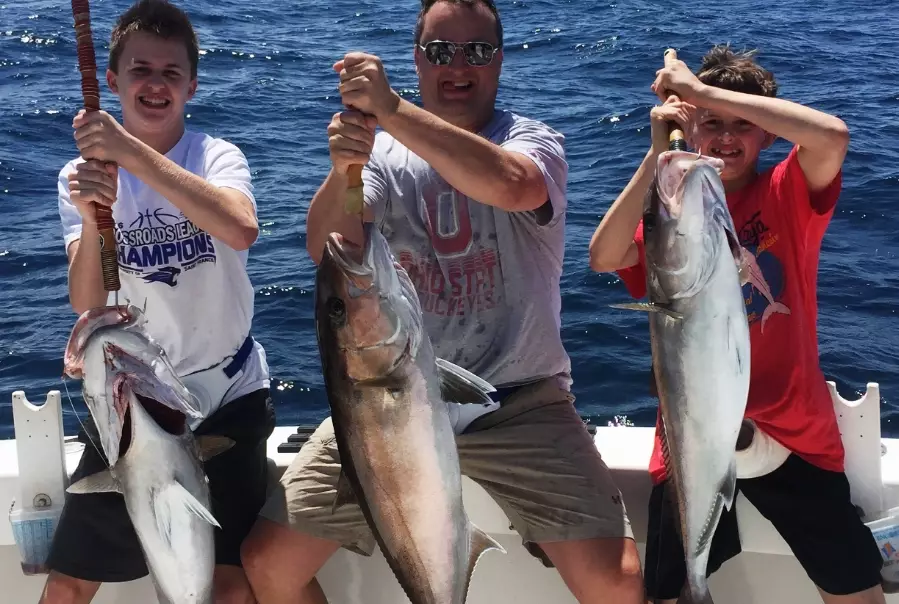
I have a personal rule: I change something every 30 minutes if I’m not getting bites. Switch lures, retrieve speed, depth, or even location. Stubbornly doing the same thing for hours is a recipe for a skunk.
Technique Tips That Actually Work
Forget the overly complex stuff. Master a few basics.
- For Live Bait: Let it be natural. A minnow or worm under a bobber should look alive, not rigged like a science project. Use the smallest weight possible to get it down.
- For Artificial Lures: You don’t need a million colors. Start with natural colors (shad, green pumpkin) and bright colors (chartreuse, white) for cloudy days. The action of your retrieve is more important than the exact lure model.
- Presentation is Key: Think about what your offering looks like to the fish. Is it moving erratically like a wounded baitfish? Or slowly crawling like a crayfish? Match the hatch, as they say.
A Hard Truth: The most expensive rod won’t catch fish if your knot is poorly tied. Learn the Palomar knot or the Improved Clinch knot. Practice at home. A failed knot is a lost fish, every time.
Safety: The Unsexy, Critical Topic
We’re out here to relax, but water demands respect.
- Life Jackets: Wear it. Especially in a boat, especially in cold water. The U.S. Coast Guard has sobering statistics on this. It’s not just for kids.
- Weather Awareness: If the sky turns that weird greenish-gray, or you hear thunder, it’s time to go. No debate. Lightning over open water is no joke.
- Hook Safety: Always know where your hook is on the backcast. I’ve hooked my own hat, my friend’s jacket, and once, terrifyingly, came inches from hooking my own ear. Be mindful.
What about when you actually catch something?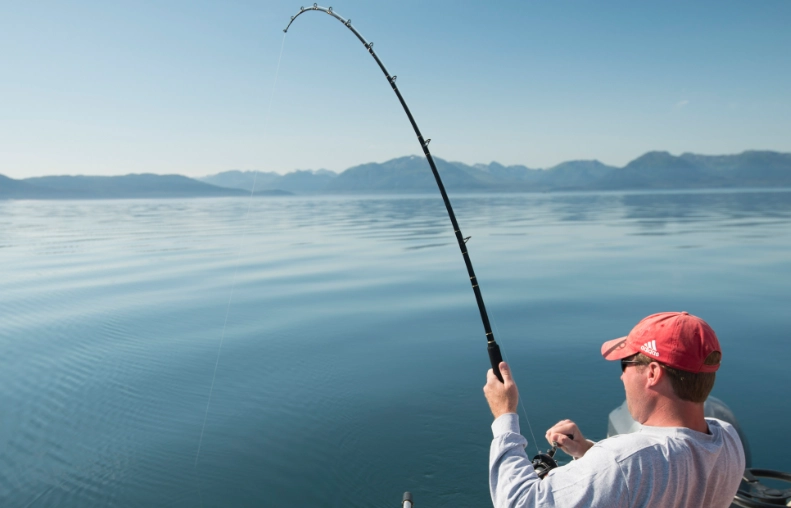
Beyond the Catch: Conservation and Memories
This is the part most articles completely ignore. What you do after the fight is over defines you as an angler.
To Keep or to Release?
This is a personal and ethical choice, guided by law. Know the regulations first. If you’re within limits and want a meal, that’s a valid part of the fishing tradition.
If you keep fish: Dispatch it humanely and immediately. Get it on ice. A warm cooler is a recipe for spoiled meat. I use a separate cooler just for fish, with frozen water bottles to keep it cold without making a slushy mess.
If you release fish: Do it right. It matters.
- Wet your hands before handling them. Dry hands remove their protective slime coat.
- Use barbless hooks or crush the barbs for easier release.
- Minimize air exposure. If you want a photo, have the camera ready, take it quickly, and get the fish back in the water.
- Revive a tired fish by holding it upright in the water, moving it gently back and forth until it swims away under its own power.

Practice sustainable fishing. This isn’t a buzzword; it’s ensuring our kids can have the same experiences. Keeping only what you need, handling fish with care, and respecting size limits are all part of it. Organizations like Take Me Fishing have great resources on ethical angling practices.
Post-Trip Rituals
The trip isn’t over when you drive away.
Clean Your Gear: Rinse rods, reels, and tackle with fresh water, especially after saltwater use. Salt is corrosive and will destroy your equipment. Let everything air dry before storing it. A little maintenance now saves hundreds in replacements later.
Process Your Catch: If you kept fish, clean and fillet them as soon as possible. There are countless tutorials online. Vacuum-sealing fillets is the best way to freeze them without freezer burn.
Log It: Keep a simple journal. Date, location, weather, what worked, what didn’t. This logbook becomes your single most valuable piece of "gear" over time. You’ll start to see patterns you’d otherwise forget.
Fishing Trip FAQs: Your Quick Questions Answered
Do I need a fishing license for my fishing trip?
Almost certainly, yes. Requirements vary by age, residency, and type of fishing (freshwater vs. saltwater). The only universal answer is to check the regulations for the exact state and body of water you’ll be fishing. The U.S. Fish & Wildlife Service page is the authoritative starting point.
What is the single most common mistake on a first fishing trip?
Overcomplication. Bringing every lure in the box, constantly changing spots without patience, using gear that’s too heavy or light. Start simple. Master one technique in one spot. The fish will tell you if it’s working.
How much should I budget for a guided fishing trip?
It ranges wildly. A half-day inshore charter might be $400-$600 for two people. A full-day offshore trip can be $1200-$2500. Always ask what’s included (fuel, bait, gear, licenses, fish cleaning). Tip your guide (15-20% is standard) if they worked hard for you.
What if I get seasick on my saltwater fishing trip?
It’s common. Don’t be a hero. Take a preventative motion sickness medication (like Dramamine or Bonine) the night before and again the morning of, as directed. Stay on deck in fresh air, focus on the horizon, and avoid the cabin. Greasy breakfasts are a bad idea.
How do I find good spots for a DIY fishing trip?
Combine online scouting with old-school legwork. State wildlife agency websites often list public access points and even stock reports. Google Earth is great for spotting shoreline structure. But the best intel comes from visiting local tackle shops and politely asking for general advice. Buying some bait or lures there helps.
Planning a great fishing trip isn’t about having all the answers upfront. It’s about knowing what questions to ask and being prepared to adapt. The water, the weather, and the fish have the final say. Your job is to be ready, respectful, and engaged. Do that, and you’re already ahead of 90% of people out there.
Look, some days the fish win. You can do everything "right" and still come back empty-handed. But if you’ve prepared well, enjoyed the time outdoors, and learned something, was it really a loss? I don’t think so. The best fishing trips leave you with more than just fish—they leave you with stories, skills, and the itch to plan the next one.
So grab that checklist, make those calls, and get out there. The water’s waiting.
Reader Comments