Quick Navigation
- What Exactly Are We Talking About? Defining Your Fishing Camp
- The Nitty-Gritty: Planning Your Fishing Camp From the Ground Up
- You're There! Making the Most of Your Fishing Camp Experience
- Navigating the Inevitable Snags: Troubleshooting Your Fishing Camp
- Wrapping It Up: Leaving No Trace and Holding On to the Feeling
- Your Fishing Camp Questions, Answered
Let's be honest. Sometimes you just need to get out there. The idea of a perfectly curated, all-inclusive lodge is nice, but it lacks... soul. It lacks the smell of pine needles and coffee brewing over an open fire. It lacks the feeling of accomplishment when you've set up your own shelter and caught your own dinner. That's where a true fishing camp comes in.
It's not just a fishing trip. It's an expedition, a self-contained little world you build by the water. I'm talking about the kind of trip where your biggest concerns are the weather, the bite, and whether you packed enough coffee. Planning one, though, can feel overwhelming if you've never done it. Where do you even start? What do you really need?
I've had my share of glorious successes and miserable failures (more on that later). This guide is everything I wish someone had told me before my first real fishing camp adventure. We're going to break it down, step by step, from the first spark of an idea to packing up a camp full of memories.
What Exactly Are We Talking About? Defining Your Fishing Camp
First things first. A "fishing camp" can mean different things to different people. It's not one-size-fits-all. Getting clear on what you want is the most crucial first step. Are you a hardcore angler on a solo mission for trophy fish? A parent wanting to introduce your kids to the outdoors? Or a group of friends looking for a cheap, fun weekend?
Your answer changes everything—the location, the gear, the budget, the whole vibe.
The Different Flavors of Fishing Camps
Let's look at the main types. This isn't just academic; picking your style early saves you a ton of wasted effort and money.
Tent, minimalist gear, everything carried on your back.
Families with kids of various ages.
Car camping at a developed site, possibly with an RV or large tent.
Small groups wanting more isolation without a brutal hike.
Tent on a remote shoreline, accessed by canoe, kayak, or motorboat.
A larger group of buddies prioritizing camaraderie.
Multiple tents, a central cooking/eating area, often car-accessible.
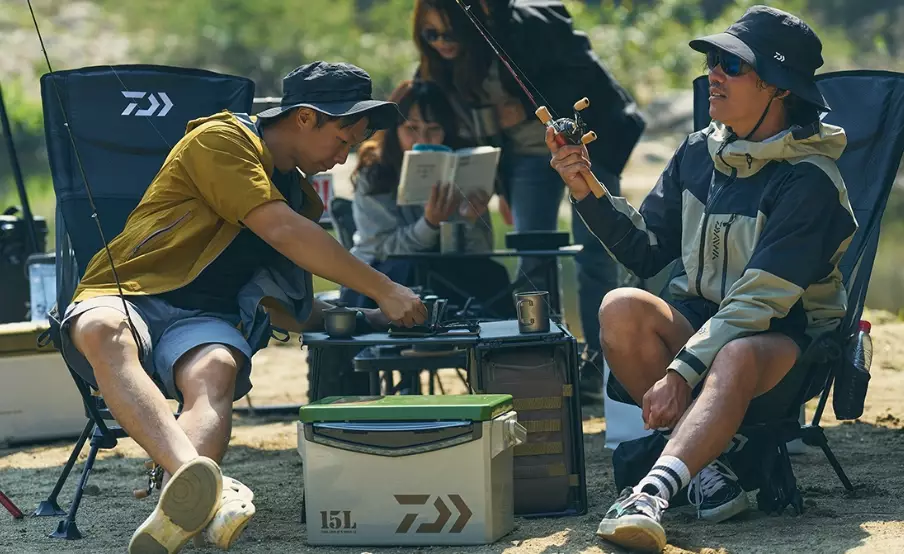
| Camp Type | Who It's For | Typical Setup | Key Considerations |
|---|---|---|---|
| The Purist's Backpack Camp | Solo anglers or small, fit groups targeting remote waters. | Ultra-lightweight gear is non-negotiable. Fitness and navigation skills are critical. Fishing focus is paramount. | |
| The Family Base Camp | Comfort and safety are king. Need activities beyond fishing. Proximity to facilities (even just a pit toilet) is a huge plus. | ||
| The Boat-In Wilderness Camp | Logistics of transporting gear and people by water. Weather dependence for access/egress. Amazing fishing potential. | ||
| The Group "Man Camp" (or "Friends Camp") | Organization and meal planning for a crowd. Noise considerations (be a good neighbor!). Group gear needs (large cookware, water filters). |
See what I mean? The gear list for a solo backpacking fishing camp looks nothing like the list for a family of four. I made the mistake once of planning a "purist" trip with a friend who was really imagining a "group camp" with coolers of steaks. It was... tense. We figured it out, but the planning was a mess.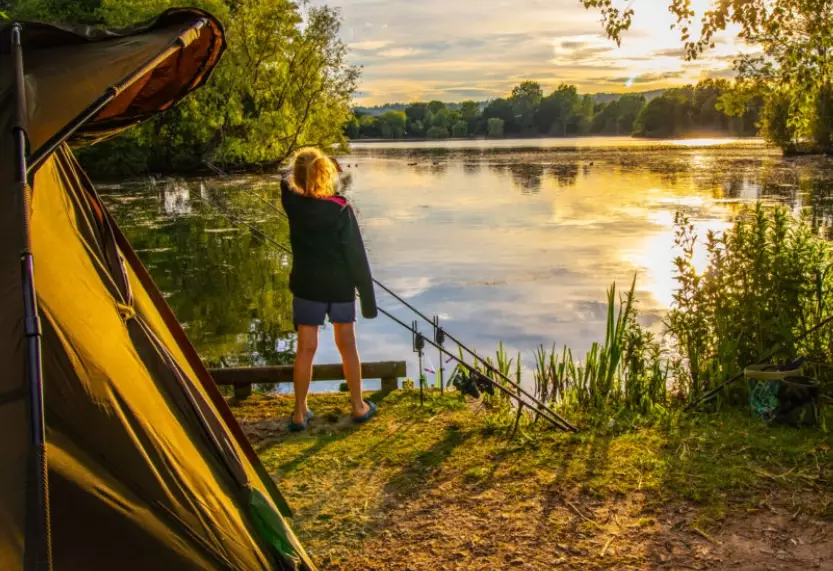
The Nitty-Gritty: Planning Your Fishing Camp From the Ground Up
Okay, you've picked your style. Now the real work begins. This is where most people get lost in daydreams and never make a concrete plan. Let's get concrete.
Location, Location, Location (And Permits!)
This is arguably the most important decision. A beautiful spot with no fish is just camping. A fish-filled spot that's a muddy, bug-infested swamp is miserable.
You need to research two things in parallel: the fishing and the camping.
- For the Fishing: Don't just Google "good fishing lakes." Dig deeper. Check the fisheries management reports from your state's Department of Natural Resources. For example, the U.S. Fish & Wildlife Service has great general resources, but your local state agency is the goldmine. They stock fish, conduct surveys, and publish data on fish populations, size, and health. Look for recent creel surveys or stocking reports. Online fishing forums for the region can give you recent, on-the-ground reports, but take them with a grain of salt—anglers love to exaggerate.
- For the Camping: Are you looking at a U.S. National Forest (often allows dispersed camping), a state park (designated sites, often reservable), or Bureau of Land Management (BLM) land? Each has different rules. Recreation.gov is your friend for reservable public sites. For backcountry/dispersed camping, you must call the local ranger district office. They'll tell you about fire restrictions, bear activity, road conditions, and if you need a permit.
Building Your Budget (It's More Than Gas and Bait)
Fishing camps can be incredibly cheap or surprisingly expensive. Break it down so there are no surprises.
- Fixed/One-Time Costs: Fishing license (non-negotiable!), any required permits or campsite reservation fees, vehicle parking passes (like a National Parks pass).
- Gear & Supply Costs: This is the variable. Are you buying new gear or using what you have? Factor in food, fuel for your stove/car, ice for coolers, bait, and tackle (you will lose some). Don't forget batteries for headlamps and fish finders.
- The Hidden Cost: Gas. Remote spots mean long drives on often rough, fuel-guzzling roads. Overestimate your fuel needs.
"A successful fishing camp budget has a 20% 'Oh Crap' fund. Something always breaks, gets forgotten, or you find the perfect lure at the last bait shop."
Crafting the Perfect Fishing Camp Packing List
Packing is an art form. The goal is to have everything you need and nothing you don't. I use a categorized list system every single time. Here's the core framework, which you'll expand or contract based on your camp type.
Shelter & Sleep System (Non-Negotiables)
A dry, warm angler is a happy angler. Your tent, sleeping bag, and pad are your home. Don't cheap out here. A tent rated for 3 people is comfortable for 2 with gear. Make sure your sleeping bag's temperature rating matches the lowest expected temperature, not the average. A sleeping pad isn't just for comfort; it provides crucial insulation from the cold ground.
The Kitchen Box
This is more than a pan. Think in systems: Stove (and fuel!), Cookware (one pot/pan per cooking method), Utensils (spatula, spoon, sharp knife), Cleaning (biodegradable soap, small scrubby, towel), and Consumables (spices, oil, coffee). Pro tip: Pre-mix dry ingredients for pancakes or measure out rice at home. Saves time and space.
The Angler's Toolkit
Beyond your rods and reels, which you'll obviously bring.
- Tackle Management: A small, organized box with your go-to lures for the target species. Don't bring your entire garage collection.
- Tools: Pliers (for hook removal), line cutters, a scale and tape measure (for the bragging-rights photo), a hook sharpener.
- Extras: Spool of leader material, extra hooks/swivels/sinkers, rod repair kit (duct tape and a spare tip-top guide can save a trip).
Safety & Navigation
This isn't optional. First Aid Kit, tailored for the outdoors (include blister care, antiseptic, tweezers). Navigation: A physical map and compass, even if you have a GPS. Know how to use them. Communication: Tell someone your detailed plan and expected return. A satellite messenger (like a Garmin inReach) is worth its weight in gold for remote trips. Illumination: Headlamp (with extra batteries) for everyone.
You're There! Making the Most of Your Fishing Camp Experience
The planning is done, the drive is over. You've found your spot and set up camp. Now the magic happens. Or does it? A poorly executed camp can ruin even the best planning.
Setting Up Camp Like a Pro
Don't just plop your tent down anywhere. Look for high, flat ground to avoid pooling water if it rains. Check overhead for dead branches ("widowmakers"). Orient your tent door away from the prevailing wind. Designate specific areas: cooking zone (at least 100+ feet from tents in bear country, per National Park Service guidelines), food storage area, cleaning station, and a comfortable "living room" space with chairs around where the fire will be (if fires are allowed). A well-organized camp feels spacious and safe.
The Art of Campfire Cooking (When You're Tired from Fishing)
You'll be hungry. Plan meals that are hearty and simple. One-pot meals are your best friend: stews, pastas, rice dishes. Pre-cook and freeze meat like chili or taco filling—it acts as extra ice in your cooler and is ready to heat. Don't underestimate the power of a good breakfast to fuel a day on the water. And for heaven's sake, bring a percolator or a French press. Instant coffee at a fishing camp is a crime.
If you're lucky enough to catch fish, cooking them fresh over the fire is the ultimate reward. A simple cast-iron pan with butter, or foil packets with lemon and herbs. Clean your fish well away from camp and dispose of entrails properly (buried deep or, in some areas, packed out).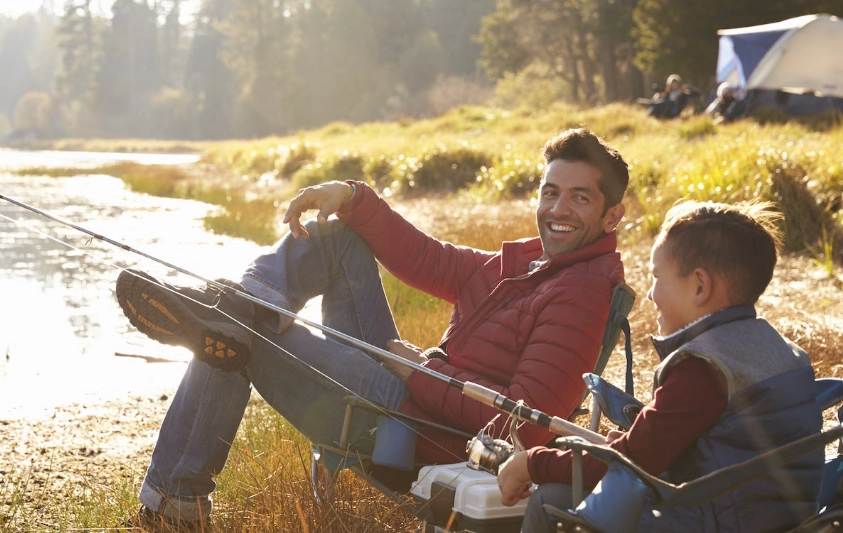
Fishing Strategies for a Camp Setting
You have the luxury of time. Use it.
- Scout: Spend the first evening or morning just looking. Watch for surface activity, bird activity, underwater structure.
- Time the Bite: Fish are creatures of habit. Dawn and dusk are almost always productive. But midday can be great for deep-water species. Experiment.
- Change It Up: You're not day-tripping. If the bass aren't hitting topwater, spend two hours slowly working a jig along the bottom. You have the time to be methodical.
- Stay Mobile (Within Reason): From a boat-in or backpack fishing camp, you can explore coves and inlets that day-use anglers never see. That's your biggest advantage.
I remember one evening at a lake in the Sierra, nothing was biting. Instead of getting frustrated, we just sat on a log, watched the loons, and drank a beer. A huge trout started rising not 20 feet from shore. We hadn't spooked it because we were just... being still. That moment of peace was as valuable as any fish caught.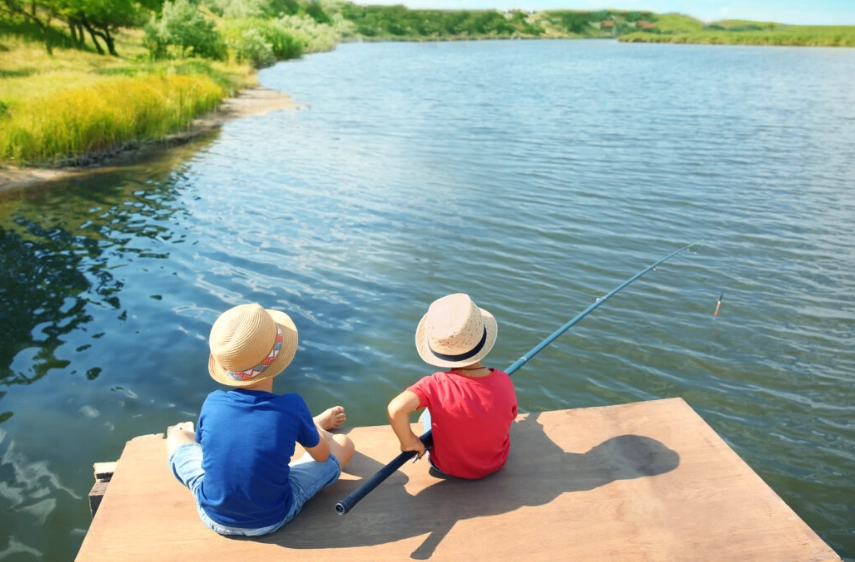
Navigating the Inevitable Snags: Troubleshooting Your Fishing Camp
It won't all be sunsets and trophy fish. Things go wrong. Being prepared mentally is as important as being prepared physically.
Weather Woes
Rain is the most common buzzkill. A good rain jacket and rain pants are essential. A tarp with paracord to create a dry communal space over your cooking/eating area is a game-changer. If the wind is howling, fish protected shorelines or switch to heavier lures. Sometimes, the best move is to hunker down in the tent with a book and a thermos and wait it out. Fighting the weather just makes everyone miserable.
The Bug Battle
Mosquitoes, black flies, no-see-ums. They can torture you. DEET-based repellent works. So does permethrin treatment for your clothing (done at home before the trip). A physical barrier—long sleeves, pants, and a head net—is 100% effective and chemical-free. A smoky fire helps. Honestly, some places and times of year are just buggy. You have to accept it as part of the deal or choose a different location/season.
When the Fish Aren't Biting
It happens to everyone. First, check the obvious: are you using the right presentation for the conditions? Ask other anglers (politely) if they've had luck. Sometimes, you just need to downsize your lure or go finesse. If it's truly dead, shift gears. Explore a hiking trail. Practice your casting. Clean and organize your gear. Take a swim. The goal of a fishing camp is to enjoy being out there. The catching is a bonus.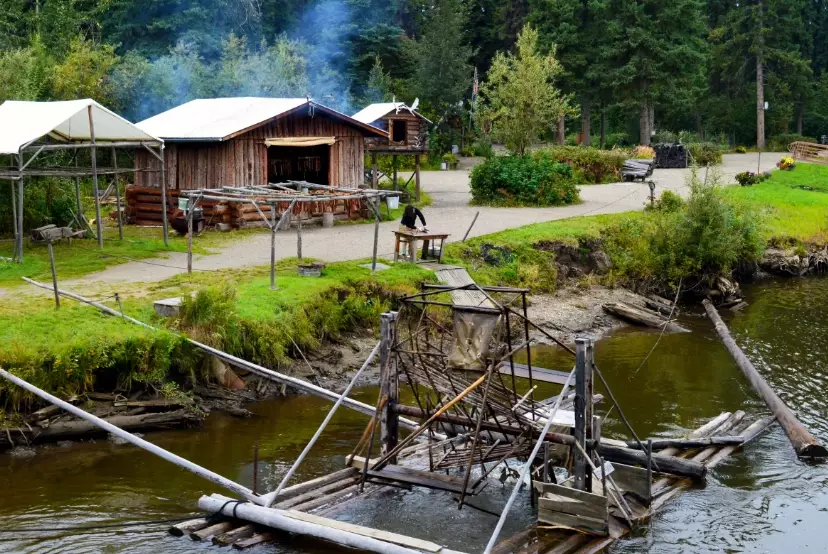
Wrapping It Up: Leaving No Trace and Holding On to the Feeling
All good things must end. How you leave is as important as how you arrived.
Leave No Trace isn't just a slogan. It's a responsibility. Pack out all your trash, including micro-trash like fishing line wrappers and bottle caps. Dismantle any structures you built (rock fire rings, etc.). Scatter your fire ash (if completely cold) and naturalize the site. The goal is for the next person to feel like they're discovering a pristine spot. The Leave No Trace Center for Outdoor Ethics has the definitive principles. Follow them.
On the drive home, tired and maybe a little sunburned, that's when the contentment sets in. You did it. You planned it, you executed it, you lived it. That feeling—of self-reliance, of connection to a place, of memories made with friends or family or in your own quiet company—that's the real catch. And it's why you'll start planning your next fishing camp before you've even finished unpacking the car.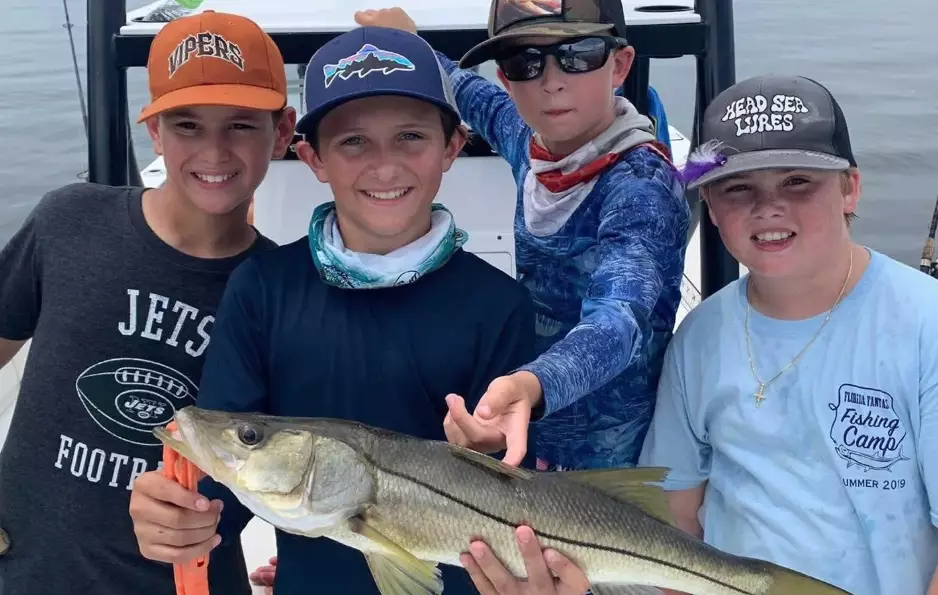
Your Fishing Camp Questions, Answered
What's the absolute best time of year for a fishing camp?
There's no single answer. Spring and fall offer great fishing and fewer bugs, but colder nights. Summer has reliable weather but more crowds and bugs. It's a trade-off. For a first-timer, late spring or early fall is usually the sweet spot.
Can I do a successful fishing camp with young kids?
Absolutely! But it's a family camping trip with fishing, not a serious fishing trip. Choose a site with easy access, short walks, and other attractions (a beach to play on). Keep fishing sessions short and fun. Bring toys and plan non-fishing activities. Lower your expectations for serious angling, and raise your expectations for making core memories.
Is it safe? What about bears?
Statistically, you're very safe. The biggest risks are driving, slips and falls, and poor hygiene (giardia from bad water). For bears and other wildlife, it's about food management. Use bear-proof containers or hang your food, toothpaste, and trash properly away from your sleeping area. Make noise on trails. Most animal issues are caused by people being careless with food.
I'm on a tight budget. Can I still do this?
Yes! Borrow gear from friends for your first trip. Camp at free, dispersed sites on public land (just follow the rules). Focus on cheap, filling food like rice, beans, and hot dogs. The most expensive parts are often the license and gas. A fishing camp can be one of the most affordable vacations out there.
How do I find other people to go with?
Local fishing clubs, Facebook groups for your area, or meetup groups are great starts. Be upfront about the style of trip you're planning (hardcore vs. relaxed). Going with a more experienced person on your first trip is a fantastic way to learn.
Look, at the end of the day, a fishing camp is what you make it. It doesn't have to be perfect. My first one was a comedy of errors, but I was hooked (pun intended). The simplicity, the challenge, the direct connection to nature and the food chain—it resets something inside you. So pick a date, do your homework, and go. The water's waiting.
Reader Comments