Your Ultimate Guide to Fishing Umbrellas: Stay Dry and Catch More Fish
Struggling with sunburn or sudden rain while fishing? This complete guide to fishing umbrellas covers how to choose, set up, and use one for maximum comfort and success on the water.
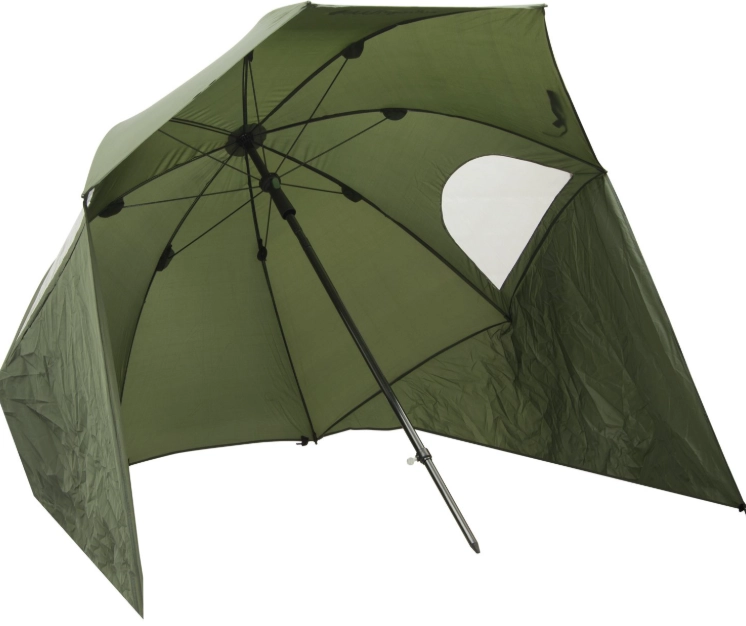
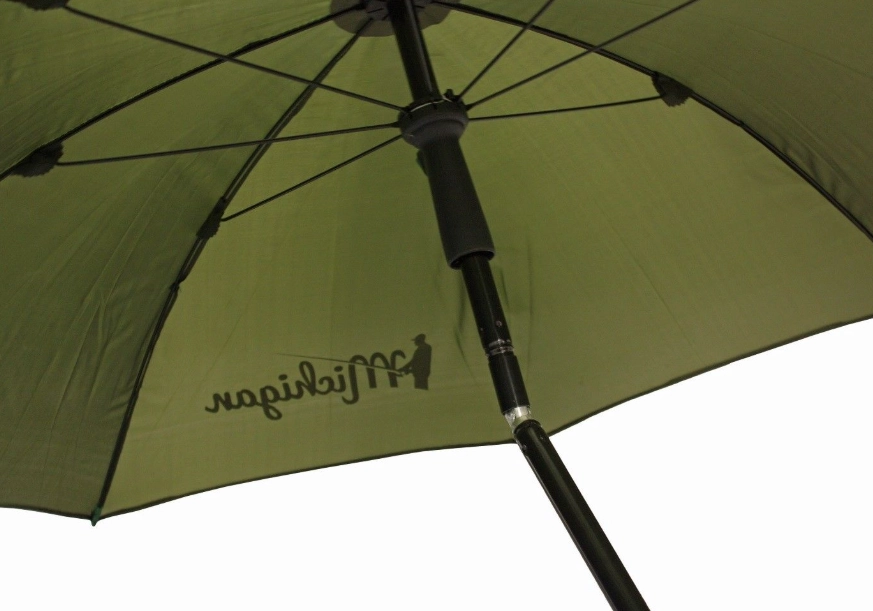
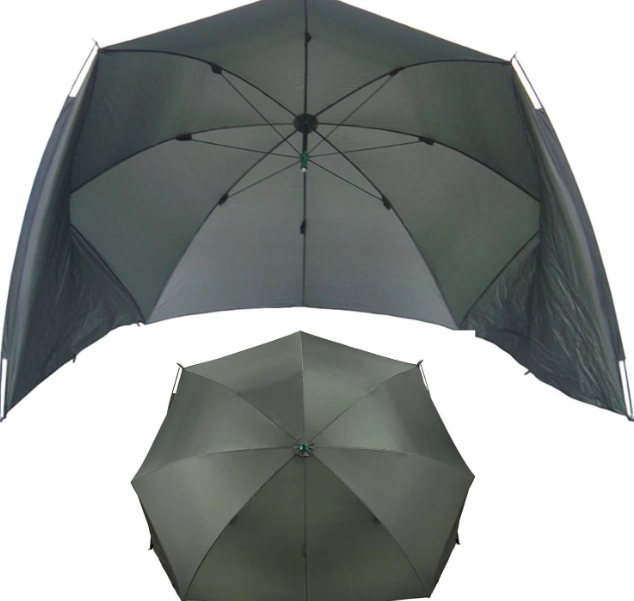
Let's be honest. How many times have you packed your tackle box, checked your line, drove all the way to your favorite spot, only to have the whole day ruined by the weather? One minute it's perfect, the next you're getting fried by the sun or soaked by a surprise shower. It happens to me all the time. I used to just tough it out, thinking it was part of the deal. A red neck, wet clothes – a badge of honor for a dedicated angler, right? Wrong. That mindset changed completely the day I finally invested in a proper fishing umbrella. It wasn't an afterthought; it became as essential as my rod and reel. The difference wasn't just about comfort – though that was huge – it was about staying out longer, fishing more effectively, and actually enjoying the whole experience. If you're still debating whether you need one, or you're staring at a dozen options online feeling confused, this guide is for you. We're going to break down everything, from what makes a great fishing umbrella to how you can set it up without losing your mind. What exactly is a fishing umbrella, anyway? It's not your grandma's patio umbrella, and it's definitely not the flimsy thing you use in a city drizzle. Think of it as a portable, heavy-duty shelter system designed specifically for anglers. It's built to withstand wind, provide serious UV protection, and anchor securely on various surfaces – from soft riverbanks to rocky jetties. This is where most people get overwhelmed. You search for "best fishing umbrella" and get a million results with flashy claims. Let's cut through the noise. Choosing one isn't about finding the single "best" product; it's about finding the best fishing umbrella for your specific style. A tournament kayak angler needs something totally different from a surf caster or a guy who sits on a pond bank all day. I made a mistake with my first purchase. I bought the biggest, heaviest-duty model I could find because I thought "bigger and tougher must be better." It was a beast. Setting it up felt like assembling a small gazebo, and carrying it to my spot was a workout. For my local pond sessions, it was massive overkill. I learned that matching the gear to your actual fishing is key. So, what should you actually look for? Let's lay it out in a way that's easy to compare. See? It's not so mysterious when you break it down. Now, let's dive deeper into a few of these because they deserve more than a table cell. You'll see terms like "210T polyester," "ripstop," and "silver coated" thrown around. Here's the plain English version. Polyester is the most common. It's strong, relatively light, and takes coatings well. The "T" number (like 190T) refers to the thread count – a higher number usually means a tighter, more durable weave. Nylon is lighter and more packable, but it can stretch when wet and may degrade faster in constant UV exposure unless treated. The magic is in the coating. A PU (Polyurethane) coating makes the fabric waterproof. A good PU coating means water beads up and rolls right off. Some umbrellas add a silver or reflective coating on the underside. This isn't just for looks; it reflects heat away from you, making the shaded area noticeably cooler. On a scorching day, that reflective layer is worth its weight in gold. Then there's ripstop. This is a weaving technique that creates a grid pattern. If the fabric gets punctured (by a stray hook, a branch, etc.), the tear is contained within one of the small squares and won't run across the entire canopy. For something that lives in the outdoors, this is a brilliant feature. This is the most practical, and often most frustrating, part of the fishing umbrella setup. You've arrived, you're eager to cast, and now you're fighting with this contraption. Getting this right saves so much hassle. The Ground Spike/Pole: This is the classic. It's a long, pointed metal pole that you drive into the ground. Sounds simple, but the quality varies wildly. A good spike is thick, has a hardened point, and might have a screw thread or foot pedal to help drive it in. A flimsy spike will bend the first time you hit a root. For soft ground, it's perfect. For hard-packed or rocky soil? Good luck. You might need to pre-drill a hole with a smaller stake or pour a little water to soften the earth. Clamp Mounts: If you fish from docks, piers, or boat rails, a clamp is your only real option. These are heavy-duty C-clamps or similar devices that attach the umbrella pole to a fixed structure. Make sure the clamp has rubber padding to avoid scratching surfaces and can open wide enough for your pier's railing. Chair or Kayak Arms: These are brilliant accessory items. They are adjustable arms that attach your fishing umbrella directly to your fishing chair or your kayak's accessory rail. This means the shade moves with you. No more repositioning the whole setup if you shift slightly. For kayak anglers, this is a popular solution, though you need to be mindful of wind. My advice? Know your primary fishing spot. If you're 90% a bank angler, get a model with a robust, long spike. You can always buy a clamp as a separate accessory later if you try pier fishing. Okay, you've bought a great fishing umbrella. Now what? Just sticking it in the ground isn't enough. Using it effectively is a skill that makes the whole investment pay off. First, choose your spot wisely. Look up. Are there low-hanging branches? That's a recipe for snags and tears. Look at the ground. Is it soft enough for your spike? Is there a slight natural depression where water might pool if it rains? You want a slightly elevated spot if possible. Second, listen to the wind forecast. Is it coming from the north at 15 mph? This is crucial. You always want to position your fishing umbrella so the wind hits the back of the canopy, not the front. Imagine the umbrella is a curved shield. You want the wind to flow over it, not catch inside it. If the wind is from the west, have the open side of the umbrella face east. This uses the umbrella's shape to deflect the wind. If you have a vented top, make sure the vent is pointed into the wind so it can do its job. Third, secure it like you mean it. Drive that spike in at a slight angle, leaning into the anticipated wind direction. This creates a more stable anchor. Don't just push it in halfway. Get it deep. If your umbrella comes with guy lines or ropes, use them. They look like overkill until a gust tries to turn your umbrella into a kite. I learned this the hard way on a lake – a sudden gust sent my unsecured umbrella tumbling end-over-end into the water. Not a fun retrieval. The sun moves. A fixed fishing umbrella is only perfect for an hour. The best models have tilt mechanisms. This lets you change the canopy angle without moving the whole pole. As the sun gets lower in the afternoon, you can tilt the umbrella forward to keep the shade on you. It seems like a small thing, but it's a feature I now consider essential. If your model doesn't tilt, you'll need to periodically pull up the spike and reposition it, which disturbs the water and is just a nuisance. A good fishing umbrella isn't cheap. With a little care, it can last for years. Here's my simple maintenance routine. The Post-Trip Ritual: Storage is key. Keep it in a cool, dry place. A damp basement or a scorching hot attic will shorten its life. I hang mine from a hook in my garage. What about repairs? A small tear in ripstop fabric can be fixed easily with a piece of tent repair tape (like Tenacious Tape) on both sides. For a bent pole section, you can sometimes carefully straighten it, but a severely bent aluminum section is often a sign to replace that part if possible. It depends. A pop-up tent (like a hub-style shelter) offers more complete, 360-degree protection and is great for full-day sits in terrible weather or with multiple people. But it's heavier, bulkier, takes longer to set up, and can be stifling on a hot, still day. A fishing umbrella is lighter, faster, provides better airflow, and is usually sufficient for one angler. For most solo outings, I prefer the simplicity and airiness of an umbrella. For an all-day ice fishing trip or a stormy beach outing with a buddy, the tent wins. On a perfectly calm day? No. But you can't predict gusts. I keep the guy lines wrapped around the pole with a rubber band. If the wind picks up, it takes me 60 seconds to stake them out. That's 60 seconds of insurance against a broken umbrella or a lost afternoon. It's worth the hassle. You can try, but you'll likely be disappointed. Beach umbrellas are designed for sand, which is easy to anchor in. Their poles are often thinner, their mechanisms less robust, and they rarely have features like tilt or heavy-duty spike systems. I've seen more than one cheap beach umbrella destroyed by a moderate lakeside breeze. They also usually lack proper UPF 50+ ratings. It might work once or twice, but for regular use, a purpose-built fishing umbrella is a far more reliable tool. This is a popular topic. The most stable method is using a dedicated kayak umbrella arm that attaches to an accessory track. You want the mounting point to be as low and centered as possible to keep the center of gravity down. Use a smaller diameter umbrella (6-foot is plenty) and always use a leash to tie the umbrella to the kayak. If it goes overboard, you don't want to lose it. Be extra cautious with wind – the umbrella can act as a sail and affect your drift and control. Absolutely. While I won't tell you one specific brand is the best, looking at offerings from established outdoor companies is a good start. Brands that specialize in fishing chairs often make compatible umbrellas. For objective information on sun protection standards, the American Sun Protection Association (ASPA) provides great resources on UPF ratings and why they matter. When researching products, I often browse the fishing gear sections of major reputable outdoor retailers like Bass Pro Shops or Cabela's to see user reviews and get specs. For broader industry trends in outdoor gear durability and materials, the Outdoor Industry Association publishes insights that often trickle down to product design. A fishing umbrella isn't a magic bullet for catching fish. But it is a powerful tool for catching more enjoyment from your time on the water. It removes a major variable – discomfort – from the equation. When you're not constantly adjusting your hat, wiping rain off your glasses, or seeking a sliver of shade, you can focus on reading the water, watching your line, and just being present. That, to me, is the real catch. It turns a battle against the elements into a comfortable, strategic pursuit. And sometimes, that's all the difference between a frustrating trip and a perfect day, regardless of what's biting. So, assess how you fish, pick the features that match, and give it a shot. Your future self, comfortably dry and shaded, will thank you.Quick Guide

Navigating the Market: Your Fishing Umbrella Buying Checklist
Feature What to Look For Why It Matters My Personal Take Size & Coverage Diameter: 6 to 8 feet is common. Consider height too. Determines how much of you and your gear stays dry/shaded. A 7-foot umbrella covers one angler and gear comfortably. My 8-footer is great for my chair and tackle box, but it's bulky. For quick trips, I sometimes wish I had a 6.5-foot compact model. Material & Durability Ripstop polyester or nylon with PU coating. Aluminum or fiberglass poles. Ripstop prevents small tears from spreading. PU coating adds water resistance. Frame material affects weight and strength. I've had both. Fiberglass poles have more flex, which can be good in wind. Aluminum feels sturdier but can dent if you're rough. UPF Rating UPF 50+ is the gold standard. Blocks over 98% of harmful UV rays. This is non-negotiable for sun protection. Your regular umbrella probably offers almost none. This is the #1 reason I use mine on sunny days. It's like having permanent shade. Check the tag or product specs for this number. Installation System Spike/pole for ground, clamp for hard surfaces, accessory arms for chairs/kayaks. How you'll actually attach it to the world. The best fishing umbrella is useless if you can't secure it where you fish. I mostly bank fish, so a long, sturdy spike was essential. If you fish from concrete piers, a clamp is a must-have accessory. Portability & Weight Carry bag, folded length, total weight (3-10 lbs typical). If it's a pain to carry, you'll leave it in the car. Balance durability with how far you typically hike. My first heavy one taught me this lesson. My current one is a middle-ground – durable enough, but I can sling the bag over my shoulder. Ventilation Top vents or vented canopies. Allows wind to pass through, reducing the chance of the umbrella inverting or becoming a sail. An absolute game-changer in windy conditions. A vented top makes a huge difference in stability. 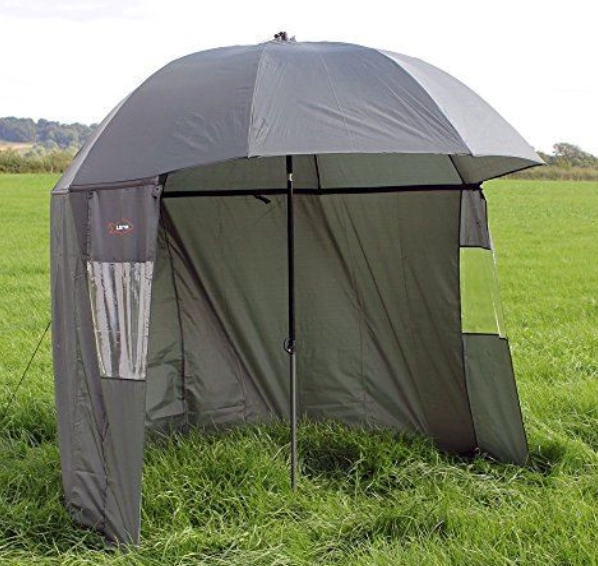
Material Showdown: What's Your Canopy Really Made Of?
The Installation Puzzle: Spike, Clamp, or Arm?
Beyond the Purchase: Mastering Your Fishing Umbrella
Setting Up for Success (And Not Disaster)
The Art of Adjustment
Care and Feeding: Making Your Investment Last
Your Fishing Umbrella Questions, Answered
Is a fishing umbrella better than a pop-up tent?
Do I really need the guy lines? They seem like a hassle.
Can I use a regular beach umbrella for fishing?
What's the best way to mount a fishing umbrella on a kayak?
Are there any reputable brands or resources to check?