The Ultimate Fishing Bag Guide: How to Choose, Pack & Maintain Yours
Struggling to choose the right fishing bag? This definitive guide covers everything from types and key features to expert packing tips and maintenance, helping you find the perfect bag for your next fishing adventure.
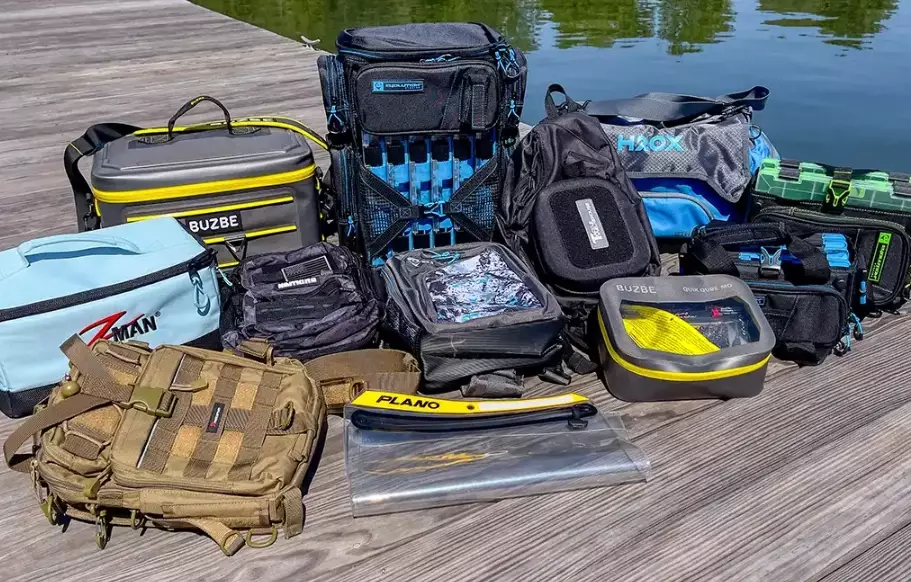
Let's be honest. When you think about fishing gear, your mind probably jumps to the rod, the reel, maybe the fancy lures. The humble fishing bag? It's often an afterthought, something you grab because you need to carry your stuff. I used to think that way too. I'd just throw my tackle into any old backpack I had lying around. That changed after a trip where I spent more time digging through a chaotic, wet mess of gear than I did actually fishing. My back ached, my hooks were tangled, and I swore never again. A great fishing bag isn't just a container; it's your mobile command center. It's the difference between a frustrating, disorganized day on the water and a smooth, enjoyable experience where you can focus on the catch. A bad bag can ruin your trip. A good one makes everything easier. So, how do you find the right one with all the options out there? Let's break it down, step by step. This is the first and biggest decision. Your fishing style and mobility needs will dictate this choice more than anything else. Are you trekking miles along a rocky shoreline, or are you mostly stationary on a boat or pier? The answer matters. For me, this is the go-to for most of my freshwater and light shore fishing. A dedicated fishing backpack distributes weight evenly across your shoulders and back, which is a lifesaver if you're covering distance. The best ones are designed with anglers in mind, featuring compartments for Plano boxes, rod holders, water bladder sleeves, and easy-access pockets for tools. The classic tackle box evolved. Shoulder bags offer fantastic organization at a glance. You can swing them around, open them up, and see everything laid out in trays. They're fantastic for boat fishing or situations where you're setting up in one spot and need rapid, frequent access to a wide variety of lures and tools. But here's my gripe with them: carry one for more than an hour on one shoulder, and you'll feel it. The uneven load can get uncomfortable fast. If you're someone who likes to move and cast from different spots constantly, the constant swinging and readjusting gets old. A sling bag is like a cool hybrid. You wear it across your chest, and with a quick swing, it slides to your front for access without ever taking it off. It's incredibly convenient for ultra-light travel or when you're wading and need to keep things minimal and dry. The capacity is usually smaller, so it forces you to be selective with your tackle—which can actually be a good thing. Which one is right? Here's a quick way to think about it: See the pattern? It's about matching the bag to your movement. Once you've settled on a type, you need to look under the hood. Not all fishing bags are created equal. Some features are nice-to-haves, but others are absolute essentials if you want your gear to last and stay organized. This is where cheap bags fall apart—literally. You want a material that can resist abrasion from rocks, brush, and boat decks. Look for high-denier polyester or nylon (like 600D or higher). Cordura is a famous brand for a reason—it's incredibly tough. The stitching is just as important. Double or triple-stitched seams, especially on stress points like straps and handles, are a sign of quality. And then there's the zippers. Oh, the zippers. There's nothing worse than a zipper that corrodes shut after a few salty outings. Rust-proof YKK zippers are the gold standard. If a bag doesn't mention its zipper brand, be suspicious. Most bags claim to be "water-resistant." That usually means a DWR (Durable Water Repellent) coating on the fabric. It'll handle light spray or a brief drizzle. But if you drop it in a puddle, leave it on a dewy morning lawn, or get caught in a downpour, water will get in. For true peace of mind, you want either a fully waterproof fabric (like TPU-coated tarpaulin) or, more commonly, a submersible dry bag compartment built into the main storage area. This is a game-changer for kayak fishing or surf fishing. You can store your phone, wallet, and extra layers in there knowing they'll stay dry even if the bag goes overboard. I won't buy a fishing backpack for kayaking without one now. How many pockets? Where are they? Think about your workflow. You need a place for your tackle boxes (Plano-style 3600 or 3700 are standard—make sure the bag is designed to fit them snugly). You need external, easy-grab pockets for pliers, line cutters, and scale. A dedicated sunglasses pocket with a soft liner is a luxury you'll come to love. Some bags even have specific spots for a water bottle or a hydration bladder. Internal organization panels with loops and elastic bands are great for holding tools upright so they're not rattling around. The goal is to have a designated spot for everything, so you're not that person frantically dumping everything onto the ground to find one hook. If you're going with a backpack or sling, this is paramount. Padded, breathable shoulder straps are a must. A contoured back panel with airflow channels makes a huge difference on a hot day. A sternum strap helps stabilize the load, and a waist belt on larger backpacks transfers weight from your shoulders to your hips, which is a total game-changer for long hikes. Don't just look at pictures; if possible, try to load one up in a store to feel how it sits. Buying the right bag is only half the battle. How you pack it is the other half. A poorly packed, expensive bag is still a mess. Here's the system I've settled on after years of trial and error. The Core Principle: Zone Your Gear. Don't just throw things in. Create logical zones based on frequency of use and purpose. And here's a personal rule: Do a seasonal bag dump. Every few months, I completely empty my main fishing bag. You'd be amazed at the ancient, rusted hooks, broken lures, and random junk that accumulates. It lightens the load and lets you reassess what you actually use. A good fishing bag is an investment. A little care goes a long way in extending its life, especially if you fish in saltwater. After every saltwater trip, this is non-negotiable. You can, but you probably shouldn't. I did it for years and regretted it. A regular backpack lacks the specific organization (Plano box slots, tool loops, waterproof compartments) that makes a fishing bag efficient. It also likely isn't made with the same durable, water-resistant materials. It's a shortcut that leads to more frustration. You can find decent entry-level options in the $40-$80 range. For a high-quality, feature-packed backpack or shoulder bag from a reputable brand, expect to pay $100-$250. It seems like a lot, but spread over 5-10 years of use (which a good one will provide), it's a worthwhile investment in your comfort and enjoyment. Don't cheap out on the thing that carries all your other expensive gear. There's no single "best," as it depends on your needs. However, brands like Plano have been in the tackle organization game forever and offer incredible value. Fishpond is known for premium, environmentally-conscious designs. Shimano and Bass Pro Shops offer reliable options across all price points. It's less about the brand name and more about how the specific model's features line up with your checklist. Many fishing backpacks have built-in rod holders—usually straps or bungees on the sides. Some have a system to strap the butt of the rod to the bag and the tip to a shoulder strap. For transporting multiple rods securely, a separate rod tube or case is still the best bet, though it's another thing to carry. Choosing the right fishing bag feels like a minor detail, but it has an outsized impact on your time on the water. It's the foundation of your gear system. A well-chosen, well-organized bag reduces stress, saves time, keeps your gear in good condition, and lets you focus on what you're actually out there to do: fish. Think about your most common fishing scenarios. Be honest about how much you carry and how far you walk. Prioritize durability and waterproofing based on your environment. Then, invest in a bag that checks those boxes and develop a packing system that works for you. Trust me, your future self—with a dry phone, an untangled lure selection, and a comfortable back—will thank you. Now, go get your gear sorted and get out there.Quick Navigation
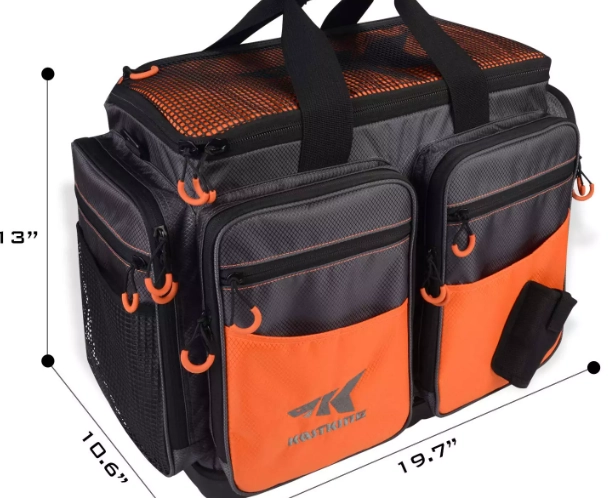
Backpack, Shoulder Bag, or Sling? Picking Your Fishing Bag Type
The All-Terrain Workhorse: The Fishing Backpack
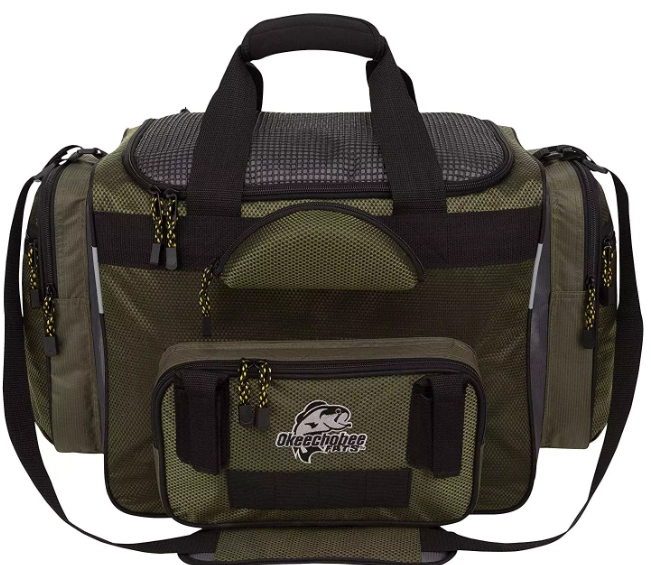
Biggest Pro: Hands-free mobility and superior weight distribution.
Potential Downside: Can be overkill for minimalists. You have to take it off to access the main compartment, which some find annoying.The Quick-Access Specialist: The Shoulder Bag or Tote
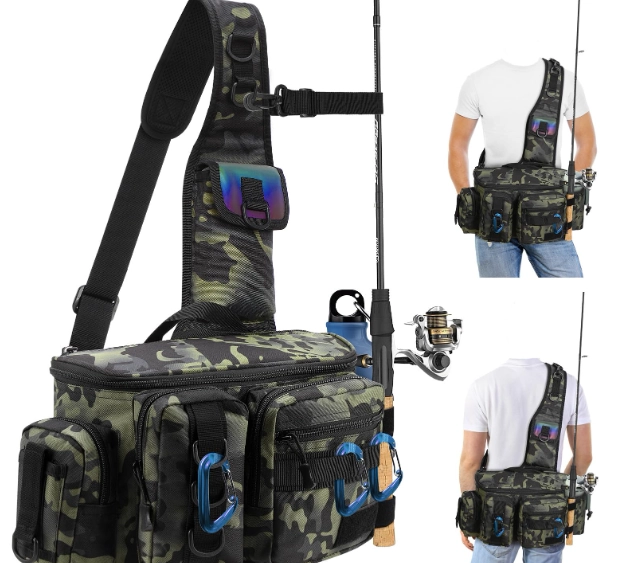
The Nimble Middle Ground: The Sling Bag
Bag Type Best For Mobility Capacity & Organization Fishing Backpack Long walks, hiking, kayaking, all-day bank fishing Excellent (hands-free) High capacity, good internal organization Shoulder/Tote Bag Boat fishing, pier fishing, stationary spots Good (but can be tiring) Excellent, with clear-view trays Sling Bag Wading, urban fishing, quick trips, minimalists Superb (fast access) Low to medium, encourages selectivity Beyond the Type: The Non-Negotiable Features of a Great Fishing Bag
Material & Durability: Is It Built to Last?
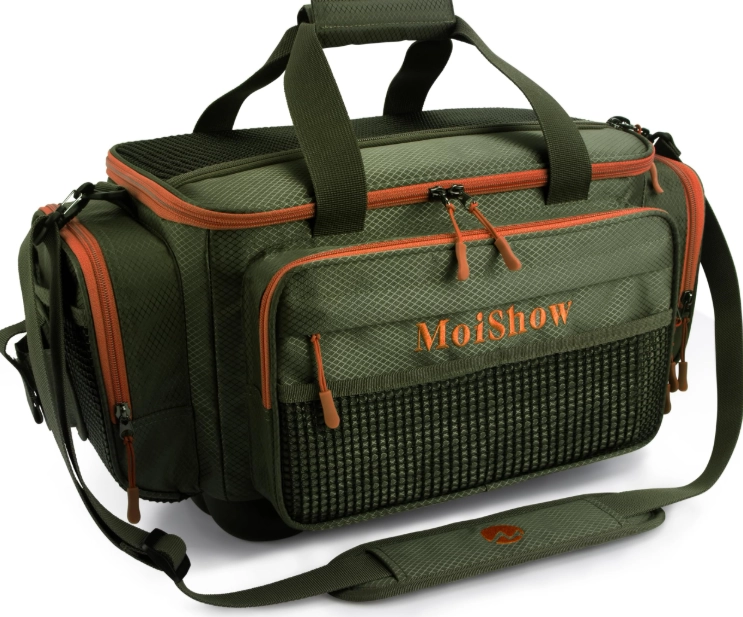
Water Resistance vs. Waterproofing: A Critical Distinction
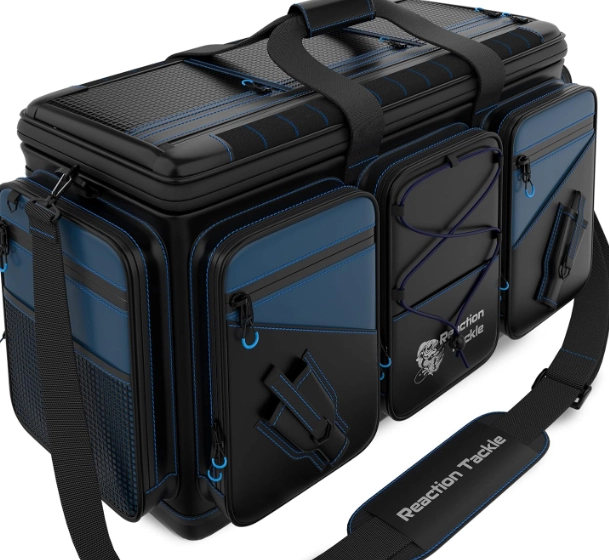
Organization: The Key to Sanity
Comfort & Fit: Because Your Back Will Thank You
The Expert's Packing List: How to Organize Your Fishing Bag Like a Pro
Maintenance: How to Make Your Fishing Bag Last for Years
Answering Your Top Fishing Bag Questions (FAQ)
The Final Cast: It's More Than Just a Bag