Ultimate Fishing Pliers Guide: Choosing, Using & Maintaining Your Tool
Feeling overwhelmed by the choice of fishing pliers? Our deep-dive guide cuts through the confusion, covering types, must-have features, maintenance tips, and top picks to help you land the perfect tool for your tackle box.
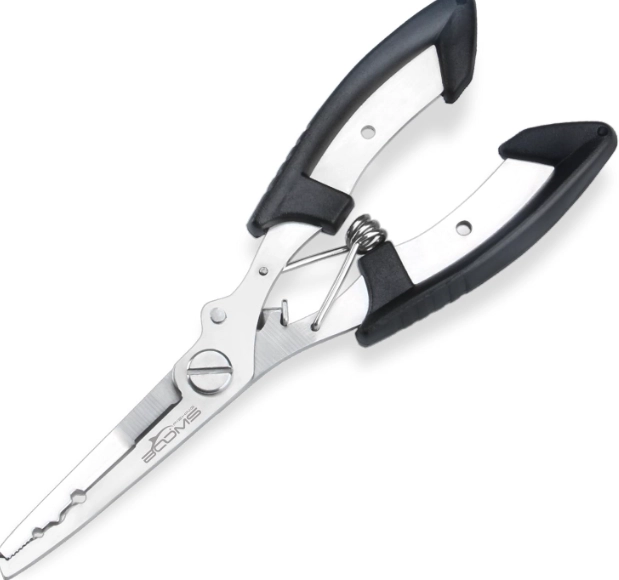
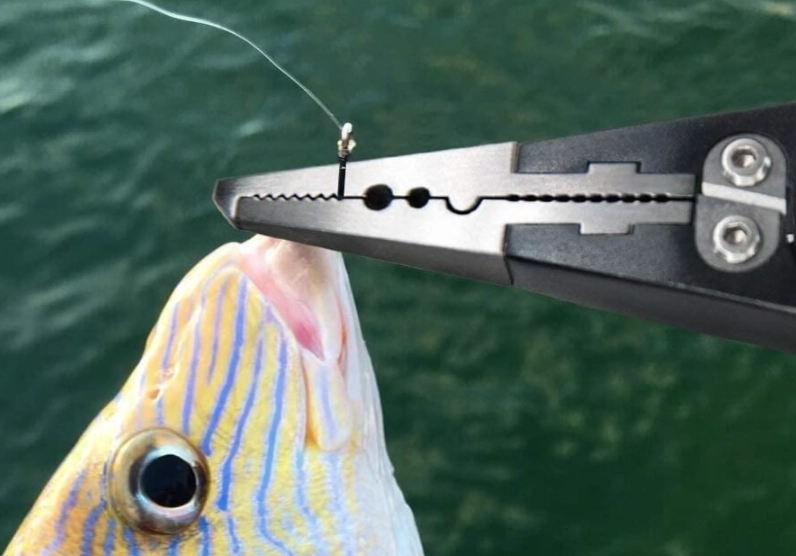
Let's be honest. When you're putting together your fishing gear, pliers probably aren't the first thing you think about. The rod, the reel, the fancy lures—they get all the attention. But if you've ever been on the water with a hook buried deep in a fish's mouth, or a knot that just won't budge, you know the sheer panic of not having the right tool. That's when a good pair of fishing pliers goes from an afterthought to the most important thing in your boat. I learned this the hard way. Years ago, I was fishing for pike up north. Landed a decent one, but the treble hook was lodged right in the corner of its jaw. All I had were some cheap, dime-store pliers. The jaws slipped. The fish thrashed. I ended up with a hook in my thumb and a lesson permanently learned. A proper tool isn't a luxury; it's a necessity for your safety and the fish's. So, what makes a good pair of fishing pliers? It's not just about grabbing a hook. It's about cutting line, crimping split shot, removing stubborn lures, and surviving the harsh environment of saltwater or freshwater. This guide is here to cut through the marketing hype and tell you what really matters. We'll break down the different types, the features you can't live without, and how to keep them from turning into a rusty paperweight after one season. Whether you're a weekend bass angler or chase tuna offshore, the right pliers make everything easier. Calling them all just "fishing pliers" is like calling every boat a "fishing boat." There are major differences in design and purpose. Picking the wrong type for your fishing is a fast track to frustration. These are the workhorses. Long, slender jaws perfect for reaching into a fish's mouth to deftly remove a hook. They offer great precision, which is why they're a favorite for freshwater anglers targeting bass, walleye, or trout. The best ones have a nice, smooth action and a comfortable grip. You can find them with or without cutters. Personally, I think a cutter is non-negotiable—you'll use it constantly for trimming leader knots. Modern fishing lines changed the game. Braided line, with its incredible strength, can laugh at standard cutters. That's where specialized braid-cutting fishing pliers come in. They feature hardened steel cutters, often with a notch or a specific blade geometry designed to shear through braid cleanly. If you use braid for bass, pike, or inshore saltwater fishing, this feature is a must. The heavy-duty versions are built like tanks, with thicker jaws and stronger springs, made for big fish and tough jobs. Saltwater is the ultimate enemy of metal. Regular steel pliers will corrode into a useless lump in no time. Saltwater fishing pliers are defined by their materials. You'll see terms like anodized aluminum, stainless steel (though not all stainless is created equal—more on that later), and marine-grade coatings. They often have a lanyard hole, because dropping your $80 pliers overboard is a special kind of heartbreak. The best ones are almost entirely non-corrosive. I made the mistake of using a "saltwater-resistant" pair on a flats trip once. By day three, the joint was so stiff I needed two hands to open them. Never again. So, you're looking at the types. But the devil is in the details—the features. Walk into any tackle shop or browse online, and you'll be bombarded with specs. Let's translate what's actually useful. The #1 Thing to Look For: The Cutter. This is where most cheap fishing pliers fail. A poor cutter will mash your line instead of cutting it, leaving a frayed end that can weaken your knot. For monofilament and fluorocarbon, a sharp, replaceable cutter is great. For braid, you need those dedicated braid-cutting jaws. Check if the cutter is replaceable—on higher-end models, you can often unscrew a worn blade and slot in a new one, which extends the life of your pliers dramatically. Jaw Design: Needle-nose are great for precision. Some have a slight curve (crimping jaws) for pinching split shot or securing wire. Others have a serrated section for extra grip on hooks. Think about what you do most. The Spring: A good, robust return spring is a quality-of-life feature you'll appreciate on the hundredth hook removal of the day. Weak springs fail, leaving you prying the jaws apart manually. Handle & Grip: Comfort matters, especially if your hands are wet or cold. Rubberized or TPE overmolding provides insulation and a secure hold. Some ergonomic designs are genuinely easier on the hands during long sessions. Now, about the "don'ts." I'm skeptical of overly complicated multi-tools marketed as fishing pliers. The ones with a dozen fold-out tools (scales, screwdrivers, bottle openers) often sacrifice the core function—being great pliers. They get bulky, the joints loosen, and you'll never use half the gadgets. Stick to a tool designed to excel at its primary job. This is the big one, especially for my saltwater friends. That orange-brown crust isn't a badge of honor; it's a sign of a tool dying. Most fishing pliers are made from some form of steel, which contains iron. Iron + oxygen + water (especially saltwater) = rust (iron oxide). The goal is to block this reaction. Maintenance is simple but critical. Rinse your pliers with fresh water after every trip, especially in saltwater. I keep a small spray bottle of water in my truck just for this. Dry them thoroughly. A very light spray of a corrosion inhibitor like WD-40 Specialist Corrosion Inhibitor or Boeshield T-9 on the pivot point and cutter can work wonders. Don't store them wet in a closed tackle box—that's a rust incubator. Let's make this practical. Here’s a breakdown of how different pliers stack up for various fishing styles. This isn't about specific brands, but about the right tool for the job. See? It's about matching the tool to the task. Buying offshore-grade 316 stainless pliers for pond bluegills is overkill. Using coated steel pliers for daily saltwater use is a waste of money—they'll be junk in a year. Your fishing pliers are an investment. A little care goes a long, long way. The Daily Ritual: Rinse. Dry. That's it. I can't stress this enough. A 30-second rinse when you wash your boat or your gear adds years of life. When They Get Stiff: Grit and salt build up in the pivot. Soak the joint in warm, soapy water and work it open and closed. Rinse. Then, apply a drop or two of light oil (reel oil, 3-in-1 oil) or a dry lubricant into the pivot. Work it in. Wipe off the excess. Don't use heavy grease—it just attracts more gunk. The Dreaded Rust: If you see surface rust, act fast. Use a mild abrasive like a Scotch-Brite pad, fine steel wool (000 grade), or even a pencil eraser on small spots. For more stubborn rust, a paste of baking soda and water can help. After removing the rust, rinse, dry, and apply a corrosion inhibitor. If the rust is deep in the joint or has pitted the metal, the structural integrity might be compromised. It might be time for a new pair. Replacing Cutters: On many quality fishing pliers, the cutters are replaceable screws or inserts. If your cuts are getting ragged or you're squeezing harder to get through line, check the manufacturer's website for replacement blades. It's a $10-$20 fix that breathes new life into a $60+ tool. Can I just use regular hardware store pliers? You can, but you shouldn't. Hardware pliers are designed for dry, mechanical work. They lack the corrosion resistance, the specific line cutters (especially for braid), and often the needle-nose precision. They're also usually heavier and less comfortable for repetitive fishing tasks. They'll work in a pinch, but they're a poor long-term solution. How do I clean rusted fishing pliers? We covered the mild methods above. For a heavy rust job, you can use a commercial rust remover like Evapo-Rust (a non-toxic, soak-on solution). Follow the product instructions carefully. After derusting, the protective coating is gone, so you must keep them oiled or consider a new protective coating to prevent immediate re-rusting. What's the best way to carry them? Options abound. A belt sheath is classic and keeps them handy. A lanyard around your neck or clipped to your vest/PFD prevents loss overboard. Many kayak anglers use retractable tethers mounted to their kayak. For boat fishing, having a dedicated spot in a console organizer or a rod holder mount works. The key is accessibility and security. Can fishing pliers cut wire leader? Some heavy-duty models with specific cutter jaws can handle light to medium single-strand wire. For multi-strand cable or heavy single-strand wire (like for sharks or muskies), you need dedicated bolt cutters or cable cutters. Trying to cut heavy wire with standard fishing pliers will notch, dent, or completely ruin your cutters. Check your pliers' specifications for their cutting capacity. Are expensive fishing pliers worth it? It depends on your use. For a casual freshwater angler who fishes a few times a year, a solid $20-$30 pair is a great value. For anyone who fishes frequently, especially in saltwater, the jump to a $60-$120 pair made of proper marine-grade materials is absolutely worth it. You're paying for longevity, reliability, and features that genuinely improve your time on the water. Think cost-per-use: a $100 pair that lasts a decade is cheaper than buying a $25 pair every other year. Choosing fishing pliers doesn't need to be complicated. Forget the flashy ads and focus on the core mission: What will I use them for most, and where will I use them? Start with your fishing environment (fresh vs. salt). Then, consider your primary tasks (delicate hook removal vs. brute force). Let those answers guide you to the material and feature set. Don't cheap out on the cutter—it's the heart of the tool. And please, for the love of all that is good, rinse them off. The perfect fishing pliers are the ones you don't have to think about. They're just there, reliable, doing the job trip after trip. They're an extension of your hand, making you a more efficient and effective angler. And when you finally land that trophy fish, you'll be glad you have a trustworthy tool to help you release it safely, or secure it for a quick photo, so you can both get back to what matters. Now go check your tackle box. If your pliers are looking a little worse for wear, maybe it's time for an upgrade. Your future self—with dry hands and a neatly cut leader—will thank you.Your Fishing Pliers Cheat Sheet
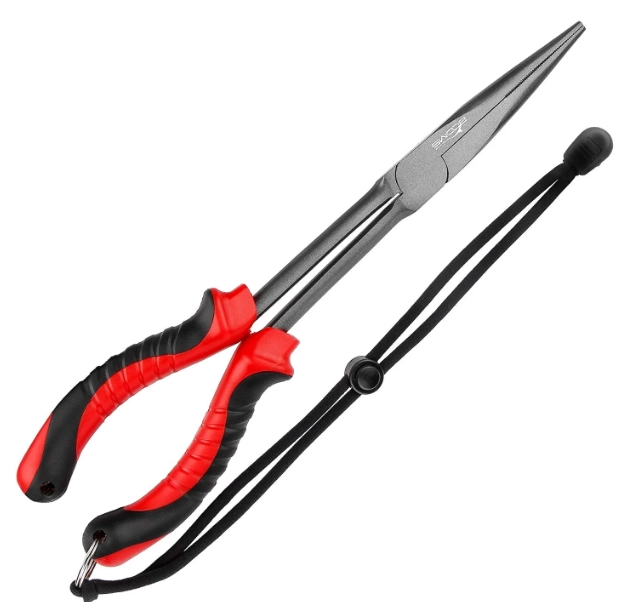
It's Not Just One Tool: The Different Types of Fishing Pliers
The Classic Long-Nose Pliers
Braid-Cutting Pliers & Heavy-Duty Models
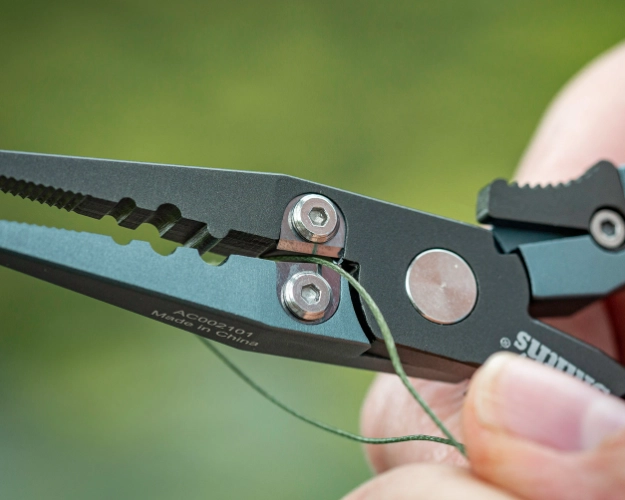
Saltwater Fishing Pliers: The Corrosion Fighters
Features That Matter (And the Ones That Don't)

The Material Science: Why Your Pliers Rust (And How to Stop It)
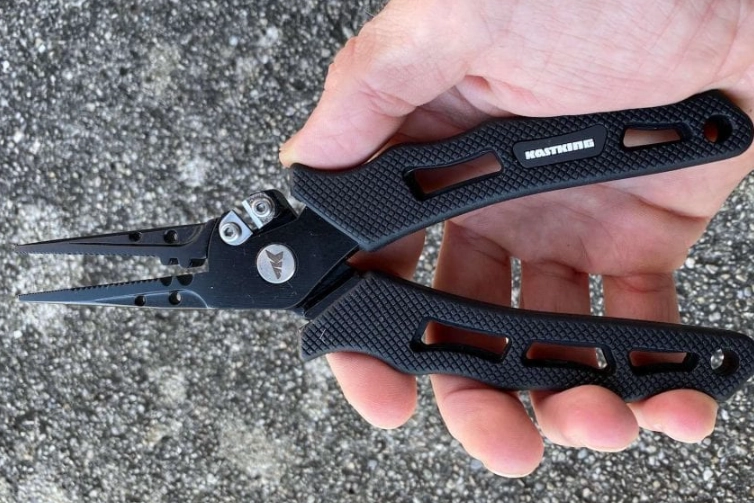
How to Choose: A Side-by-Side Comparison
Fishing Style
Primary Use
Recommended Type & Features
Material Priority
Freshwater Bass/Walleye
Hook removal, cutting mono/fluoro leader, occasional crimping.
Standard Long-Nose (7-8"). Must have a sharp line cutter. Spring-loaded is nice.
Stainless (420 grade) or coated steel is fine. Corrosion resistance is lower priority.
Inshore Saltwater (Redfish, Speckled Trout)
Hook removal, cutting braid & leader, dealing with toothy fish.
Braid-Cutting Long-Nose or Needle-Nose. Lanyard hole is highly recommended.
HIGH. Anodized Aluminum or 316 Stainless. Must be fully corrosion-resistant.
Offshore & Big Game (Tuna, Mahi)
Heavy-duty hook removal, cutting heavy leader & cable, brute force.
Heavy-Duty Pliers or Bolt Cutters. Larger size (9"+). Extremely robust cutters.
316 Stainless Steel. Needs to withstand extreme salt spray and pressure.
Fly Fishing
Precise hook removal on small hooks, pinching barbs, cutting light tippet.
Small, fine-tip Long-Nose Pliers (5-6"). Scissor-style cutters are often preferred for clean tippet cuts.
Stainless or anodized aluminum. Often carried in a vest, so weight matters.
All-Around / Beginner
A bit of everything. Learning the ropes.
A mid-sized (7.5") Long-Nose with a good cutter and comfortable grip. Avoid the absolute cheapest option.
Coated or 420 Stainless. A good balance of durability and cost.
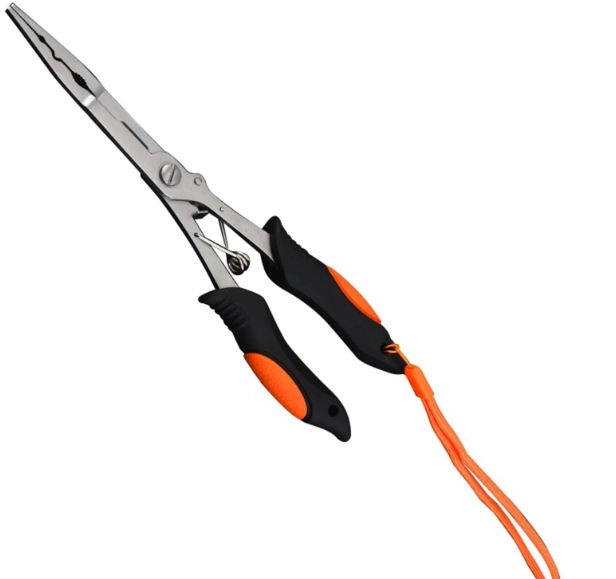
Keeping Them Alive: Maintenance & Troubleshooting
Answering Your Fishing Pliers Questions
Answering Your Fishing Pliers Questions
Wrapping It Up: Your Next Step