Ultimate Fishing Hats Buyer's Guide: How to Pick the Best Hat for Any Condition
Struggling to find the perfect fishing hat? Our ultimate guide compares materials, features, and top brands to help you choose a hat that actually protects you from sun, rain, and glare, making your time on the water safer and more comfortable.
Let's be honest. Most of us grab any old cap from the back of the truck when we head out to fish. I did that for years. It was usually a faded, sweat-stained baseball cap that did little more than keep my hair out of my eyes. Then I spent a full day on a flat in the Florida Keys without proper coverage. The sunburn on my ears and neck was brutal, and the glare off the water gave me a headache that lasted hours. That was the day I realized a fishing hat isn't just another piece of gear—it's essential safety equipment. But walk into any store or look online, and you're bombarded with options. Bucket hats, boonie hats, wide-brimmed sun hats, technical caps with neck capes. Materials from cotton to fancy high-tech synthetics. Prices ranging from ten bucks to over a hundred. It's enough to make you just give up and go back to that old baseball cap. Don't do that. Choosing the right fishing hat can be the difference between a comfortable, productive day on the water and a miserable, sun-drenched slog. It affects your visibility, your focus, and your long-term health. This guide is here to cut through the marketing nonsense. We're going to look at what actually matters when you're picking a hat for fishing, based on where you fish, how you fish, and what you need to stay protected. Think about what you actually need from a fishing hat. It's not about looking like a magazine cover (though that's a nice bonus if it happens). It's about solving specific problems you face on the water. First, there's the sun. This is the big one. The American Academy of Dermatology states that skin cancer is the most common cancer in the U.S., and UV exposure is a major cause. On the water, you get hit from above and from reflection off the surface. A standard baseball cap leaves your ears, neck, and parts of your face completely exposed. That's a problem. Then there's glare. Squinting all day isn't just uncomfortable—it tires out your eyes and can make it harder to spot fish or see subtle strikes. A good hat's brim should act like a permanent visor. Rain and spray are another factor. Getting a soaked cotton hat is a recipe for a cold, clammy head. And let's not forget about ventilation. A non-breathable hat on a hot day turns your head into a steam bath. I made all the classic mistakes. I wore a dark-colored hat that absorbed heat. I wore a hat with no chin strap that blew off into the lake on a windy day (goodbye, favorite hat). I wore a hat that soaked up sweat and rain like a sponge. Learning from those failures is what informed a lot of this guide. Quick Reality Check: If your hat doesn't have a brim that goes all the way around, or if it's made of heavy cotton, you're basically wearing a decoration, not functional sun protection. That style of fishing hat is doing more for your ego than for your skin. Not all fishing hats are created for the same job. Picking the right style is your first and most important decision. This is the classic. The boonie hat, with its wide, all-around brim and often a chin strap, is the workhorse of the fishing world for a reason. That 360-degree brim is what gives you true full-circle protection for your face, ears, and neck. Many come with loops around the crown—they're not just for looks. You can stick flies, lures, or tools in them, which is surprisingly handy. The downside? Some folks think they look a bit... military. And on a really windy day, even with a chin strap, that wide brim can catch air. But for general inshore fishing, bass fishing, or any situation where sun is your primary enemy, it's hard to beat a good boonie as a fishing hat. Take the boonie concept and super-size it for maximum defense. These hats often have even wider brims, sometimes stiffened so they don't flop, and frequently include a built-in, drape-style neck cover made of lightweight fabric. This is the hat you want for open water, flats fishing, or any marathon session under a relentless sun. I used one for the first time on a tarpon trip, and the difference was night and day. No more applying sunscreen to my neck every hour. The drape just sat there, blocking UV rays. The trade-off is they can be less packable and sometimes feel a bit more cumbersome. But for pure sun protection, they're the gold standard. These look like souped-up baseball caps. They often have a longer, curved brim for eye shade and a removable, thin fabric neck cape (often called a "mullet" or "back flap") that attaches with snaps or velcro. This is a great hybrid option. Why would you choose this? If you do a lot of casting where a wide brim might interfere with your line or vision behind you, a cap-style fishing hat is less obstructive. The neck cape provides protection when you need it, and you can easily rip it off if it gets in the way or you're fishing in lower light. They're also the least "hat-like" feeling if you're not used to wearing one. My personal go-to for stream trout fishing is a performance cap with a removable neck cape. In the morning shade of the woods, I often leave the cape off. When I hit a sunny meadow stretch, I snap it on. That flexibility is worth its weight in gold. Similar to a boonie but usually with a softer, downward-sloping brim all around. They're often made of softer materials like cotton or canvas. They offer good all-around protection and have a casual, low-profile look. The downside is that softer brim can offer less consistent shading, and they're generally not as feature-rich or technical as dedicated performance fishing hats. But they're comfortable, classic, and get the job done for casual outings. This is where a lot of cheap hats fall apart. The material determines how the hat handles sweat, rain, sun, and smell. Let's compare the big players. A quick word on UPF (Ultraviolet Protection Factor). Think of it like SPF for fabric. A UPF 50 rating means only 1/50th (or 2%) of the sun's UV rays can penetrate the material. For a true sun-protective fishing hat, insist on a UPF rating of 30 or higher, with 50+ being ideal. Don't just trust a dark color—get the rated protection. Beyond the basic shape and material, the little details separate a good fishing hat from a great one. The Must-Haves: The Really Nice-to-Haves: Features That Are Often Overhyped: Pro Tip for Fit: Your fishing hat should sit comfortably on your head, not squeeze it. When you bend over to net a fish or grab gear, it shouldn't feel like it's going to fall off. The adjustable band is key for finding that sweet spot. This is the practical application. Let's get specific. Fly Fishing in Rivers & Streams: You're often casting overhead or sidearm. A wide, floppy brim can sometimes catch your line on a backcast. Here, a performance cap with a removable neck cape is often the best choice. You get protection without obstruction. A boonie with a medium, softer brim can also work well. Bass Fishing from a Boat: You're in and out of storage, dealing with wind, and need all-day sun coverage. A classic boonie hat or a performance cap with a permanent neck cape is ideal. The chin strap is critical here. Saltwater Flats & Offshore: This is the domain of the wide-brimmed sun hat with a drape. The sun is brutal and reflected off the water from every angle. Maximum coverage is the priority. Make sure it has a very secure chin strap—offshore wind is no joke. Kayak Fishing: Low profile is key. A very wide brim can catch wind and be annoying in a kayak. A boonie with a moderately sized brim or a performance cap is better. Quick-dry material is essential, as you will get splashed. Ice Fishing/Cold Weather: A fishing hat? Absolutely. But here, it's about warmth retention, not sun protection. A beanie or insulated cap that fits under your hood is what you need. Make sure it's made of wool or synthetic fleece that retains warmth when damp. A good hat isn't disposable. With proper care, it lasts for seasons. Most synthetic performance fishing hats can be hand-washed in lukewarm water with a mild detergent. Gently scrub, rinse thoroughly, and let it air dry. Never put it in the dryer—the heat can warp the brim and damage any treatments. For sweat stains, a pre-soak in a mix of water and a bit of white vinegar or specialized hat cleaner works wonders. Storage is simple: don't crush it. Set it on a shelf or hang it on a hook. Stuffing it into a tight compartment repeatedly will break down the structure of the brim. Choosing the right fishing hat feels like a small decision, but its impact is huge. It's about comfort, sure—nobody wants a sunburned neck or a sweaty, heavy head. But it's also about safety and longevity in the sport. Protecting your skin and eyes means you can fish longer, focus better, and enjoy the water for years to come without the consequences of UV damage. Forget fashion. Think function. Consider your primary fishing environment, be honest about what bugs you (sun, sweat, rain), and invest in a hat that solves those problems with smart materials and design. Ditch that old, ineffective cap. Your future self, with healthy skin and clear eyes on the water, will be glad you did. Now go catch some fish—comfortably.Your Quick Guide to Fishing Hats
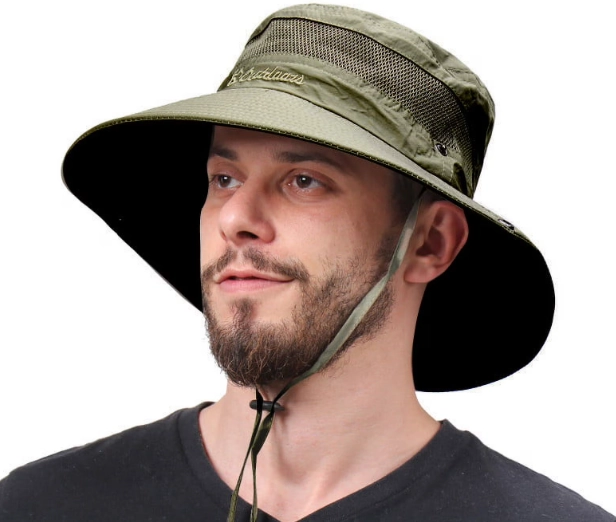
Why Your Current Hat Probably Isn't Cutting It
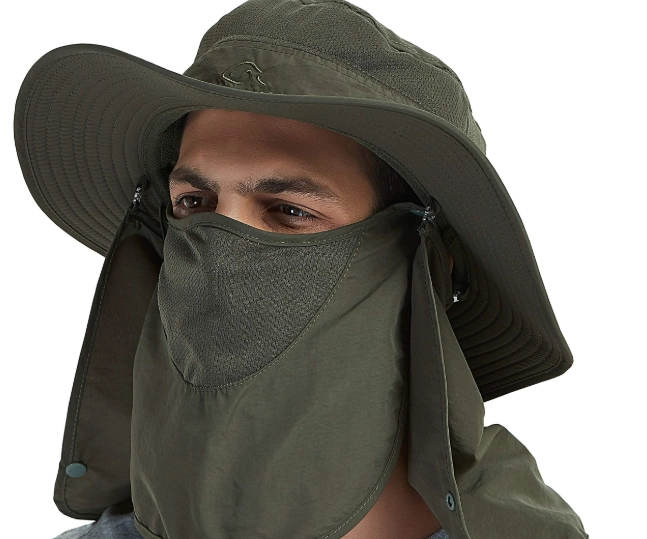
Breaking Down the Major Types of Fishing Hats
The All-Around Champion: The Boonie Hat
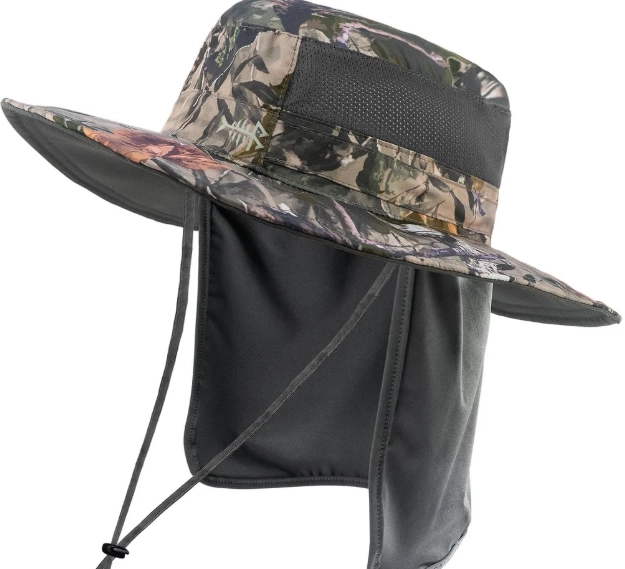
The Specialist: The Wide-Brimmed Sun Hat
The Minimalist: The Technical Performance Cap
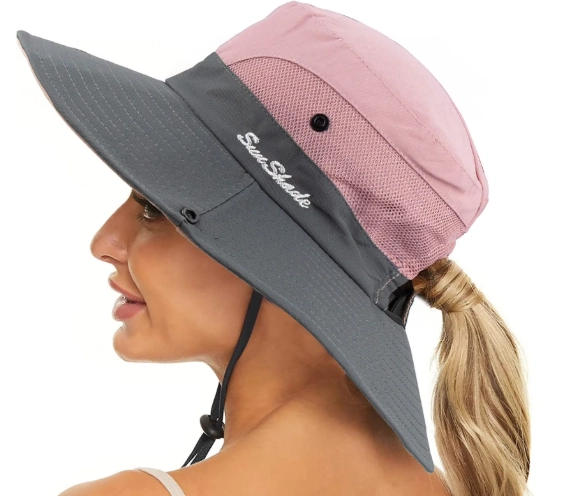
The Old Reliable: The Bucket Hat
Material Matters: What's Your Hat Actually Made Of?
Material
Best For
Pros
Cons
My Take
Cotton/Canvas
Casual fishing, cooler days, budget option.
Breathable, soft, classic look, affordable.
Heavy when wet, slow to dry, offers no inherent UV protection, can shrink.
I avoid these for serious fishing. Once soaked with sweat or spray, they become uncomfortable anchors on your head.
Polyester & Nylon Blends
The vast majority of performance fishing hats.
Lightweight, quick-drying, durable, often has UPF coating woven in.
Can feel less "natural," some cheaper versions don't breathe well.
This is the sweet spot. Modern blends are engineered for the job. Look for terms like "moisture-wicking" and "UPF 50+".
Straw/Paper
Extremely hot, dry conditions; tradition.
Exceptionally breathable, lightweight, classic aesthetic.
Not water-resistant, less durable, offers minimal structure, UV protection can be inconsistent.
Great for keeping cool, but I'd treat it as a sun-shade first and not expect it to handle moisture or abuse.
Technical Fabrics (e.g., CoolMax, Supplex)
Demanding conditions, hot weather, high activity.
Superior moisture management, excellent breathability, high UPF, often treated for odor resistance.
Higher price point.
If you fish often in heat, the investment is worth it. The difference in comfort is real.
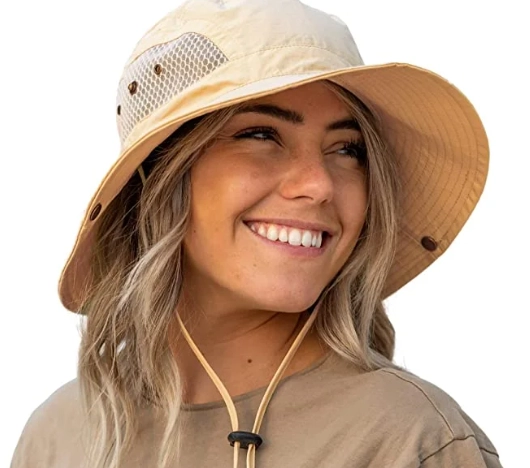
Features That Actually Make a Difference (And Gimmicks to Avoid)
Matching Your Hat to Your Fishing Style
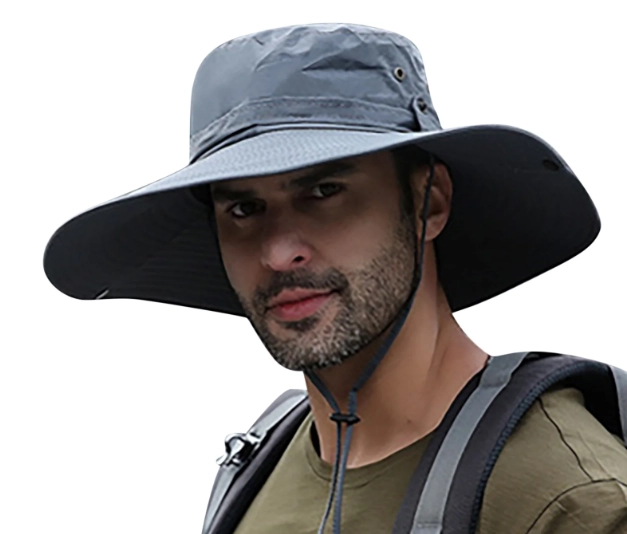
Care and Feeding of Your Fishing Hat
Answering Your Burning Questions About Fishing Hats
The Final Cast: It's About More Than Shade