Your Quick Fishing Gear Guide
- The Fishing Mindset: It's Not Just About the Stuff
- The Core Four: Non-Negotiable Fishing Equipment
- Bait & Lures: Tricking the Fish
- Building Your Kit: From Beginner to Enthusiast
- Gear by Fishing Type: Matching Your Mission
- The "Other" Stuff You'll Actually Need
- Maintenance: Making Your Gear Last
- My Personal Gear Shelf (A Real-World Example)
- Answers to Questions You're Probably Asking
- Final Thought: Start Simple, Then Evolve
Let's be honest. Walking into a tackle shop or scrolling through endless online listings for fishing equipment can feel like trying to read a foreign language. Graphite composite? Gear ratios? Fast action? It's enough to make anyone's head spin, whether you're a total newbie holding a rod for the first time or someone who's been at it for a few seasons but feels stuck.
I remember my first real fishing trip. I bought the shiniest rod and reel combo I could afford, convinced it was the ticket. Spoiler: it wasn't. I spent more time untangling bird's nests of line than actually fishing. That frustration is what this guide aims to prevent.
Choosing the right fishing gear isn't about buying the most expensive stuff. It's about matching your tools to the fish, the water, and your own style. It's the difference between a frustrating day and the story you'll tell for years. So, let's ditch the confusion and talk about what you actually need.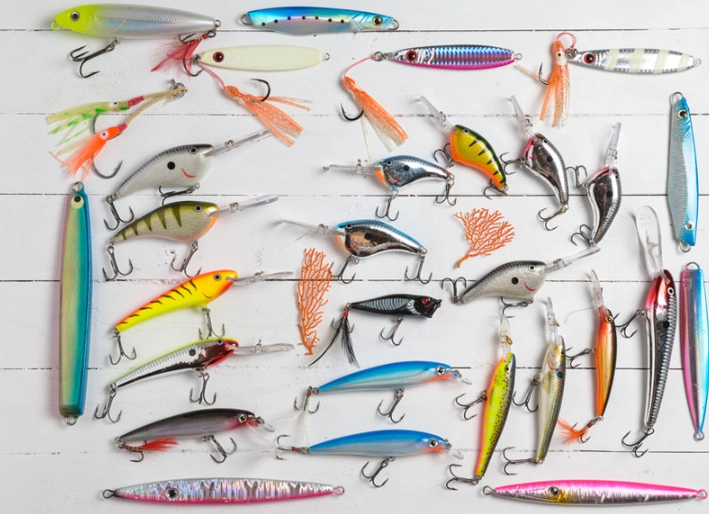
The Fishing Mindset: It's Not Just About the Stuff
Before we dive into rods and reels, let's get one thing straight. The best fishing equipment in the world won't help if you're in the wrong spot or using it incorrectly. I see too many folks obsess over the brand name on the rod while ignoring where the fish are hiding. Your gear is an extension of your strategy.
Think of it like this. You wouldn't use a sledgehammer to hang a picture frame. You need the right tool for the job. Panfish in a local pond? Bass in a weedy lake? Trout in a rushing river? Each scenario calls for a different approach and, you guessed it, different fishing tackle.
The goal is to build a foundation. A reliable, versatile kit that lets you learn, adapt, and most importantly, catch fish. We'll start with the absolute essentials and work our way up to the nice-to-haves.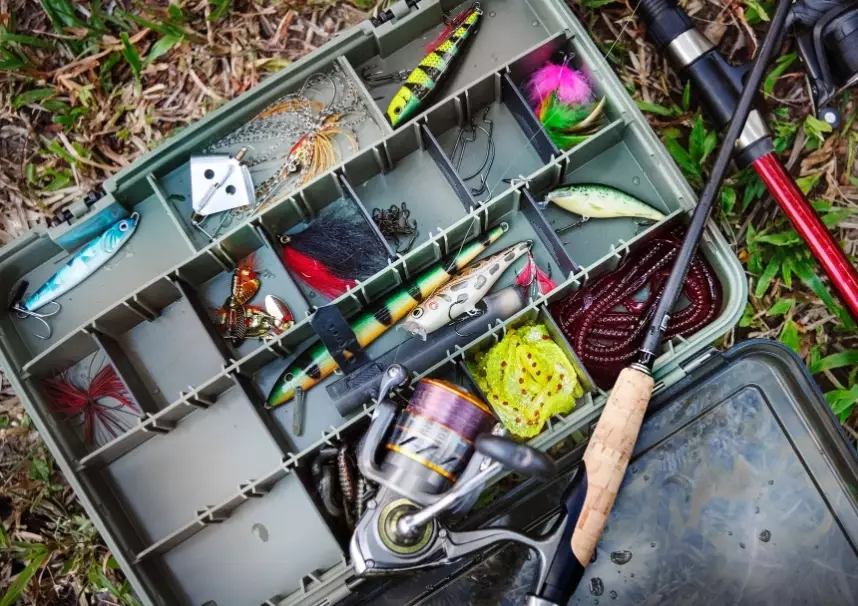
The Core Four: Non-Negotiable Fishing Equipment
Every angler, from kid to grandparent, needs these four items. They are the pillars of fishing.
The Rod: Your Connection to the Fish
This is where it all begins. A fishing rod is your lever, your sensor, your main tool. The choices can be paralyzing, but it boils down to a few key things.
Power: This is the rod's backbone, its strength. Think of it as the weight class. Light power rods bend easily for small fish like crappie or trout. Medium power is the all-rounder, great for bass and walleye. Heavy power is for musky, big catfish, or heavy cover. For a beginner, a medium-power rod is your safest, most versatile bet.
Action: This is *where* the rod bends. Fast action means only the top third of the rod flexes. It's super sensitive and great for setting hooks quickly. Slow action means the rod bends all the way down into the handle, which is forgiving and fun for fighting fish but less precise. A medium-fast action is the sweet spot for learning—it gives you a bit of both worlds.
Material: Most modern rods are fiberglass (durable, flexible) or graphite (sensitive, lightweight). Graphite composite blends are popular because they offer sensitivity without being too brittle. My first good rod was a 7-foot, medium-power, fast-action graphite composite rod. I still have it for certain techniques. You don't need to spend $300. A solid rod from a reputable brand can be found between $50 and $100.
The Reel: Your Line Manager
The reel stores your line and helps you retrieve it. For most beginners, there's really only one choice to start: the spinning reel.
Why? It's simple, reliable, and less prone to tangles (backlashes) than a baitcasting reel. You'll see seasoned anglers using baitcasters for precision, but the learning curve is steep. A spinning reel lets you focus on fishing, not untangling knots.
Look for a reel size that matches your rod (usually 2500 or 3000 size for a medium rod). Smoothness is key. A rough, grinding retrieve feels awful. The Take Me Fishing website has a great basic primer on rod and reel pairing that's worth a glance. Don't get bogged down in gear ratios yet. Just get a reel that feels solid in your hand.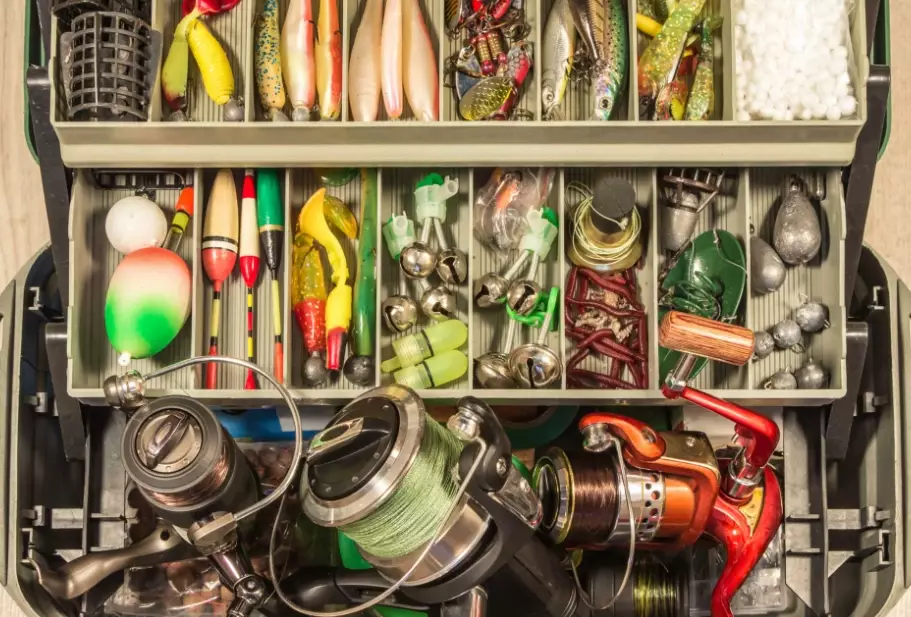
The Line: Your Invisible Lifeline
This is arguably the most critical piece of fishing equipment that people cheap out on. You can have a great rod and reel, but bad line will cost you fish.
Monofilament: The old standby. It's cheap, stretchy (which can be forgiving), and easy to tie. It's also the thickest for its strength and can degrade in sunlight. Great for beginners on a budget.
Braided Line: No stretch, super strong for its diameter, and incredibly sensitive. It's also more visible in the water. I love braid for its direct feel, but its lack of stretch means you can rip hooks out of a fish's mouth if you're not careful. It can also be tricky to tie knots with.
Fluorocarbon: Nearly invisible underwater, sinks, and has low stretch. It's often used as a leader material (a section tied between the main line and the lure) because it's abrasion-resistant. It's stiffer and more expensive.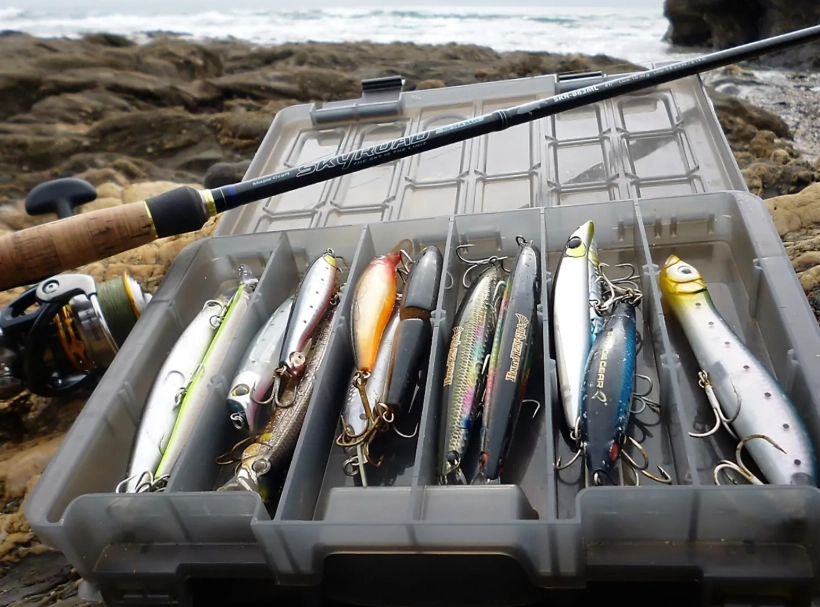
Terminal Tackle: Hooks, Weights, and Bobbers
This is the business end where you connect with the fish. Don't overcomplicate it.
- Hooks: Size matters. For general worm fishing for bass or panfish, a pack of size 2 or 1/0 offset worm hooks is perfect. For smaller baits, go with smaller hooks, like size 6 or 8. Sharpness is non-negotiable. Test the point on your fingernail—if it slides, it's dull. Replace it or sharpen it.
- Weights (Split Shot): Little pinch-on weights to get your bait down. A variety pack is cheap and essential.
- Bobbers (Floats): The classic round red-and-white bobber is iconic for a reason. It works. It suspends your bait and signals a bite. Slip bobbers are more advanced and allow for deeper fishing.
- Swivels & Snaps: Barrel swivels prevent line twist. Snap swivels let you change lures quickly. Use them, but not always—they can spook fish in clear water.
You can buy a small terminal tackle box with compartments for all this for under $20. It's the best $20 you'll spend.
Bait & Lures: Tricking the Fish
Now for the fun part—what you actually dangle in front of the fish. This is where personal preference and local conditions reign supreme.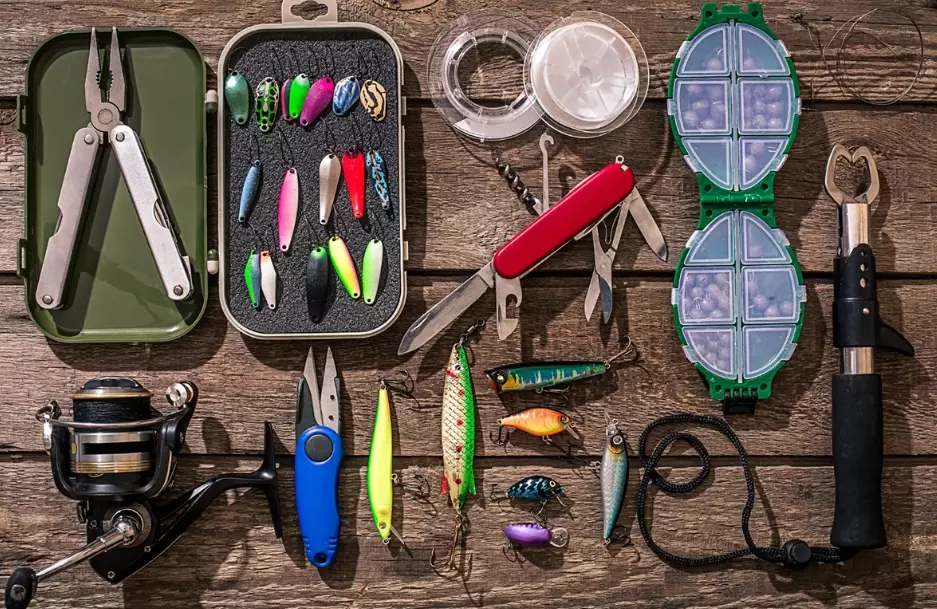
Live Bait: The Classic Approach
Worms (nightcrawlers), minnows, leeches, crickets. It's hard to beat the real thing. Live bait moves, smells, and behaves naturally. It's often the most effective fishing equipment for consistency. Check your local regulations, as some waters have restrictions on live bait to prevent invasive species. The FishSmart initiative is a great resource for understanding best practices to protect fisheries, which includes being mindful of bait choices.
Artificial Lures: The Art of the Hunt
Lures imitate prey. They require more skill to use effectively but are incredibly rewarding. Here's a quick rundown of a basic lure arsenal:
- Soft Plastic Worms: The workhorse. Rig them weedless on an offset hook with a weight (Texas rig) and drag them slowly. Fish can't resist.
- Spinnerbaits: A safety-pin shaped lure with a spinning blade that creates flash and vibration. Excellent for covering water and fishing around weeds. Almost snag-proof.
- Crankbaits: Hard-bodied lures that dive and wobble when retrieved. They come in endless shapes and diving depths. A medium-diving crankbait in a shad color is a fantastic search bait.
- Topwater Lures: The most exciting strike you'll ever see. Poppers, walk-the-dog baits. They sit on the surface and make a commotion. Best used early morning or late evening.
You don't need a hundred lures. Start with a couple of each type in natural colors (green pumpkin, shad, black/blue) and see what the fish tell you.
Building Your Kit: From Beginner to Enthusiast
Let's put it all together. Here’s what a smart progression of fishing equipment looks like.
| Stage | Core Focus | Essential Gear | Budget Estimate |
|---|---|---|---|
| The Starter (Just want to catch something) |
Simplicity & Reliability | • Pre-spooled spinning combo (rod & reel) • Small tackle box • Hooks, weights, bobbers • Live bait (worms) |
$50 - $100 |
| The Learner (Catching consistently, wanting to try more) |
Versatility & Skill Building | • Dedicated medium-power rod & 2500 reel • 2 Plano tackle boxes (terminal & lures) • Monofilament & braided line • Assortment of 5-7 core lure types • Fishing pliers, nail clippers |
$150 - $300 |
| The Enthusiast (Targeting specific fish, refining technique) |
Specialization & Performance | • Multiple rod/reel combos (e.g., finesse, crankbait, heavy cover) • Organized gear bag/backpack • Line-winder, hook sharpener, scale • Advanced electronics (fish finder) • Waders or kayak (context dependent) |
$500+ |
See? You don't need to jump to the enthusiast level. Most happy, successful anglers live in the "Learner" stage for years. They have a couple of reliable rods and a box of lures they have confidence in.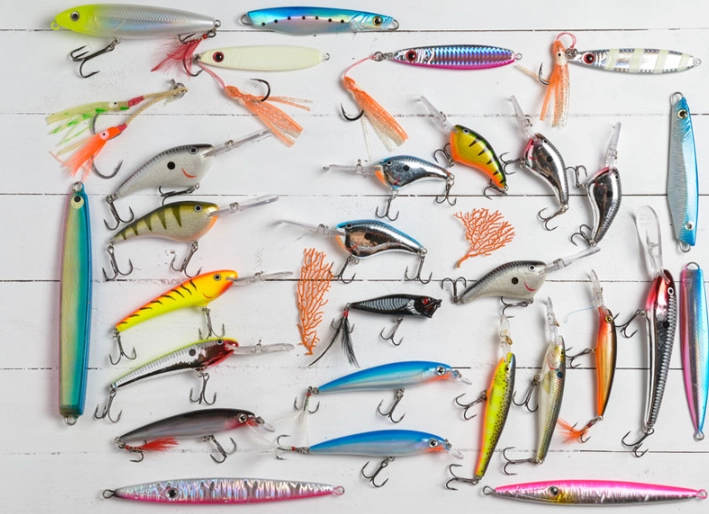
Gear by Fishing Type: Matching Your Mission
Your local water dictates your needs. Here’s a quick cheat sheet.
Freshwater Pond & Lake (Bass, Panfish, Catfish)
This is the training ground. Your medium-power spinning combo is perfect. Focus on soft plastics, spinnerbaits, and a topwater lure. A can of corn or some hot dogs for catfish. Easy.
River & Stream (Trout, Smallmouth Bass)
Current is the enemy of heavy, bulky fishing equipment. You need mobility. A light or ultralight rod is more fun here. Small spinners, spoons, and flies (if you fly fish) work well. Waders are a game-changer for positioning.
Ice Fishing
A whole different world. Short rods, specialized reels, augers, and shelters. It's an investment, but a fantastic community. Start by going with someone who has the gear before you buy your own.
The "Other" Stuff You'll Actually Need
Fishing isn't just about the tackle. Forgetting these can ruin your day.
- Pliers: Needle-nose pliers to remove hooks safely. Get a pair with line cutters.
- Line Cutter: Nail clippers or small scissors. Don't use your teeth.
- Landing Net: A net with a rubberized basket is gentler on fish and ensures you don't lose the big one at the bank.
- License & Regulations Guide: This isn't optional. Get your license. Know the size and catch limits. The U.S. Fish and Wildlife Service website is a primary source for federal regulations and conservation efforts, and your state's natural resources department website is law for local rules.
- Sunscreen, Hat, Sunglasses (Polarized!): Polarized sunglasses cut glare so you can see into the water. They're a functional piece of fishing equipment, not just fashion.
Maintenance: Making Your Gear Last
Rinse your reels with fresh water after fishing in salt or muddy water. Don't leave rods in a hot car. Re-spool line once a season or if it gets nicked. A little care goes a long way. The American Sportfishing Association (ASA) often has tips on gear care and conservation, reinforcing that taking care of your equipment is part of being a responsible angler.
My Personal Gear Shelf (A Real-World Example)
To make this less abstract, here's what's in my main bag right now for a typical bass/panfish trip to a local lake:
- Rod 1: 7'1" Medium-Heavy, Fast Action baitcaster (for jigs and heavier cover).
- Rod 2: 7'0" Medium, Fast Action spinning rod (my go-to for finesse worms, weightless plastics). This is the rod I'd hand to a beginner friend.
- Reels: Matched to the rods, both with 30 lb braid and a fluorocarbon leader ready to tie on.
- Lure Box: Contains: Green pumpkin worms, black/blue jigs, a white spinnerbait, a shad-colored crankbait, a topwater popper, and a handful of inline spinners.
- Terminal Box: Hooks (sizes 2/0, 1, 8), bullet weights, swivels, extra leader spool.
That's it. It's not a massive collection. But it covers 95% of what I need. Your kit will evolve based on what you enjoy most.
Answers to Questions You're Probably Asking
Final Thought: Start Simple, Then Evolve
The world of fishing equipment is deep, but you don't need to dive into the abyss headfirst. Ignore the hype. Get a decent rod, a reliable reel, some line, hooks, and weights. Go to a local pond with a friend who knows a bit, or just by yourself with a tub of worms.
Your first fish on gear you chose yourself is a special feeling. You'll learn what you like, what you don't, and what you need next. Your collection of fishing tackle will grow naturally with your experience. The goal isn't to have the most stuff. It's to have the *right* stuff that gives you confidence every time you tie on a lure and make a cast.
Now go get your line wet.
Reader Comments