Quick Navigation
- What Exactly Is a Fishing Season, and Why Should You Care?
- A State-by-State Look at Key Fishing Seasons
- The Non-Negotiables: Licenses, Permits, and Tags
- Gearing Up for Success: Tactics for Each Phase of the Season
- Your Fishing Season Questions, Answered
- Putting It All Together: Your Pre-Trip Checklist
Let's be real. There's nothing worse than getting all excited for a fishing trip, packing your gear, driving out to your favorite spot at the crack of dawn, only to find out you're smack in the middle of a closed season. Been there, done that, got the metaphorical (and once, almost literal) ticket. It's a gut punch. That's why understanding fishing season isn't just some boring legal thing—it's the difference between a legendary day on the water and a total waste of time, or worse, a fine.
This guide is here to make sure you're never that guy. We're going to break down everything about fishing seasons across the U.S., not just the dates, but the why behind them, the rules you can't afford to ignore, and the sneaky tips that can help you catch more fish when you're legally allowed to. Think of it as your one-stop shop for planning a successful, hassle-free year of fishing.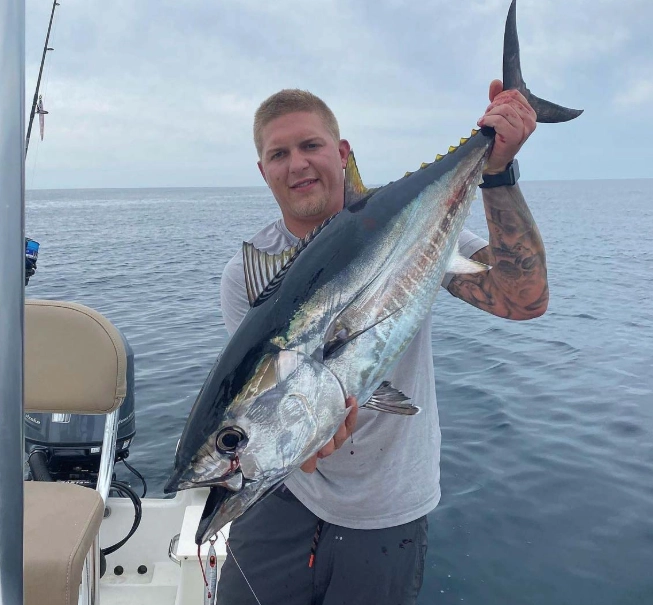
Because honestly, the official state websites can be a maze. You click through five pages just to find the size limit for trout. My goal is to lay it all out in plain English, with some personal hard-learned lessons mixed in.
What Exactly Is a Fishing Season, and Why Should You Care?
At its simplest, a fishing season is the specific time period when you're allowed to catch a particular type of fish in a specific body of water. But it's so much more than a calendar date. It's a conservation tool, first and foremost. Wildlife agencies, like the U.S. Fish & Wildlife Service, along with your state's own department (like the Oregon Department of Fish and Wildlife or the Florida Fish and Wildlife Conservation Commission), set these seasons to protect fish when they're most vulnerable—usually during spawning.
Imagine every angler pulling out bass full of eggs in the spring. There'd be no bass left for future fishing seasons. The regulations ensure fish populations stay healthy, which honestly, is in every angler's long-term interest. I gripe about the complexity sometimes, but I get it.
Beyond conservation, seasons also manage pressure. Spreading anglers out across the year prevents any one lake or river from getting hammered too hard. And for you, the angler, it means knowing the best fishing season for your target species. Fishing for walleye during their spawn might be illegal, but the weeks just after? That's often prime time.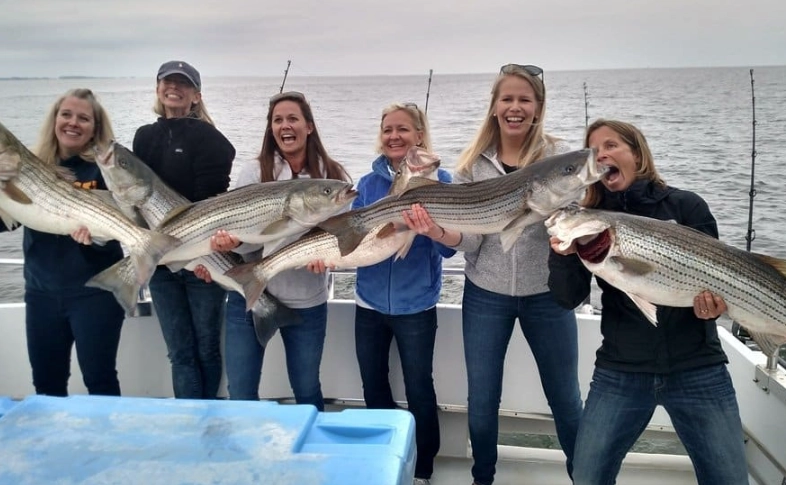
A State-by-State Look at Key Fishing Seasons
This is where it gets real. There is no single "U.S. fishing season." It changes from state to state, sometimes even between different rivers in the same county. I can't list every single rule for every single fish, but here's a snapshot of some major ones to give you an idea of the wild variation. Always, always check your state's official regulations before you go.
| State / Region | Popular Target | Typical Season Notes | Key Thing to Remember |
|---|---|---|---|
| Florida (South) | Snook, Redfish, Spotted Sea Trout | Very specific open/closed windows. Snook season, for example, often closes for months during peak summer spawn. | Saltwater regulations are a beast of their own. The FWC's saltwater page is your bible. |
| Michigan & Great Lakes | Walleye, Salmon, Steelhead | Many seasons run year-round in the Great Lakes, but tributaries for spawning fish have strict closures. | Where you fish (lake vs. river mouth) drastically changes the rules. Know your exact location. |
| Pacific Northwest (Oregon/Washington) | Chinook Salmon, Coho Salmon, Sturgeon | Extremely complex with multiple runs. Dates can shift yearly based on fish counts. | Seasons here are fluid. You must check for in-season updates. A printed rulebook from January might be wrong by June. |
| Colorado / Rocky Mountains | Trout (Rainbow, Brown, Cutthroat) | Many high-elevation lakes have a defined season (e.g., late spring to fall) due to ice-off. | "Ice-off" dictates the start. Also, Gold Medal waters have special, often more restrictive, rules. |
| Texas | Largemouth Bass, Catfish | Most freshwater game fish have no closed season, but there are size and bag limits. | No closed season doesn't mean no rules. Size slots (fish must be between X and Y inches) are common and crucial. |
See what I mean? Florida's snook rules are nothing like Michigan's walleye rules. A blanket statement is useless. You have to get hyper-local.
My own blunder? I once assumed all trout streams in a state followed the general inland opener. I drove two hours to a beautiful little creek, only to find a sign saying it was a special-regulations, year-round catch-and-release only area. My planned harvest trip turned into a practice session. A quick look at the state's interactive fishing map would have saved me the hassle.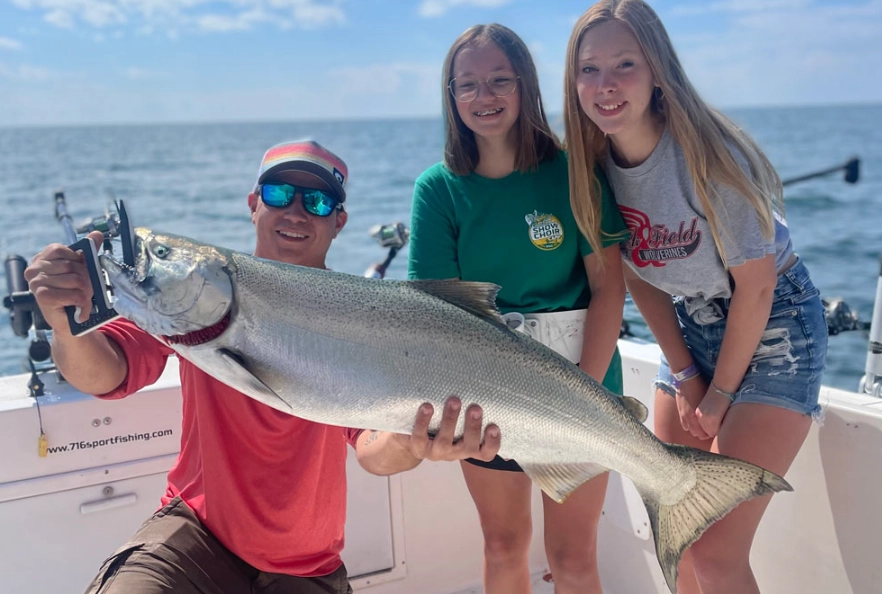
The Non-Negotiables: Licenses, Permits, and Tags
You can't talk about fishing season dates without talking about permission. A season being open means nothing if you don't have the right paperwork. This is the boring but essential admin work of fishing.
1. The Basic Fishing License
This is your ticket to the game. Every state requires one for anglers over a certain age (usually 16 or 18). You can buy them online, at tackle shops, or big-box outdoor stores. Prices vary—resident licenses are cheaper, non-resident can be pricey. Some states even offer short-term licenses for vacationers, which is a great option.
2. Species-Specific Stamps or Tags
This catches people off guard. Your basic license might cover you for panfish and bass, but for certain prized species, you need an extra stamp or tag. Think of it like a cover charge for the VIP section. Common ones include:
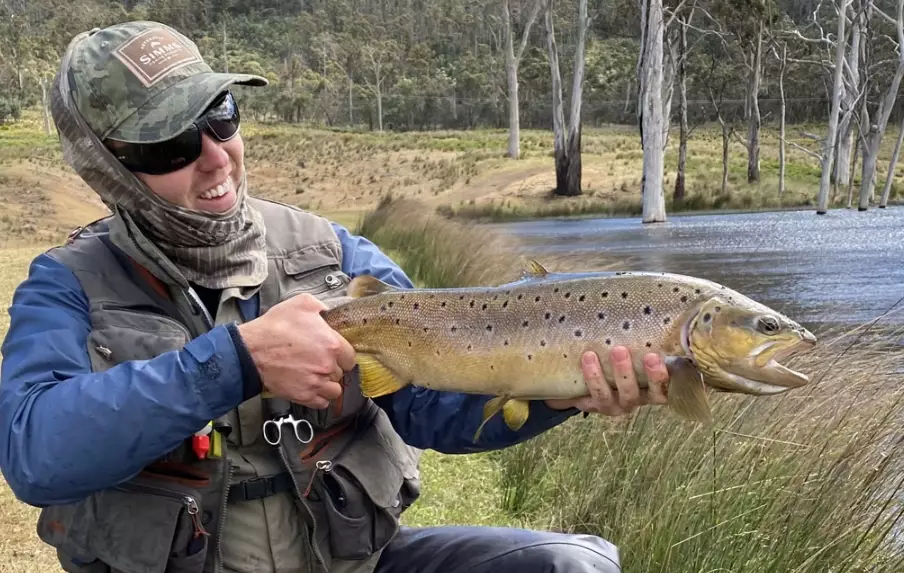
- Trout Stamp: Required in many states to legally possess trout, salmon, or steelhead.
- Salmon/Steelhead Tag: In the Pacific Northwest, you often need a physical tag you attach to each fish you keep, and you must report your catch even if you catch nothing.
- Saltwater License/Stamp: Separate from your freshwater license if you're fishing in tidal waters.
3. Special Permits for Special Waters
Some high-demand or sensitive fisheries require a lottery or a limited-entry permit. This includes certain stretches of trophy trout rivers, alpine lakes you fly into, or special sturgeon fishing zones. You have to apply months in advance. It's a pain, but it keeps those places from being loved to death.
Gearing Up for Success: Tactics for Each Phase of the Season
Okay, you know when you can fish and you've got your license. Now, how do you actually catch fish during the legal fishing season? Your approach should change as the water and weather do.
Early Season (Spring)
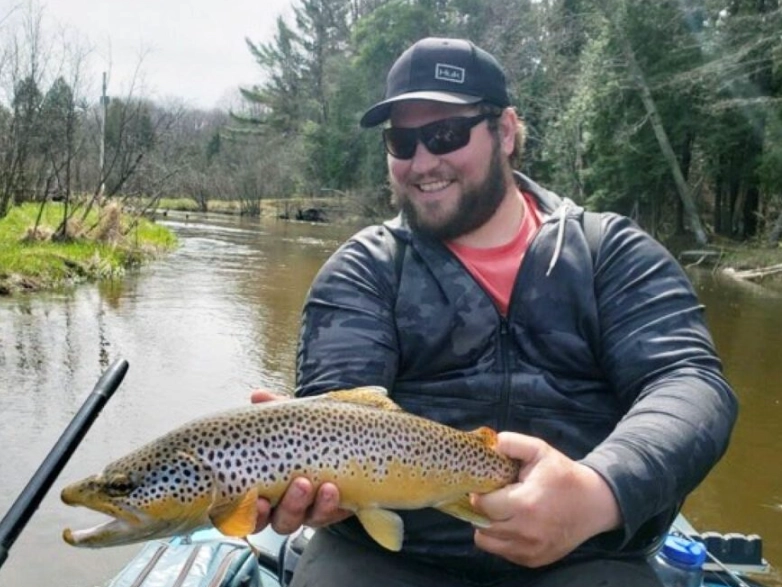
The water is cold, fish are often sluggish but moving towards shallow areas to spawn or feed. It's my favorite time for trout.
- Slow Down: Fish metabolism is low. Use slower retrieves, let bait sit.
- Follow the Sun: Target shallow, dark-bottom bays that warm up first. Fish are solar panels in early spring.
- Bait is King: This is a great time for live bait like worms or minnows. The scent and easy meal are hard for a cold fish to resist.
Peak Season (Summer)
Water warms, fish are active, but they can also get pressured and seek deeper, cooler water or heavy cover.
- Go Deep or Go Early/Late: Fish early mornings, late evenings, or at night. During midday, target deeper holes, drop-offs, or shady structure.
- Match the Hatch: Insect activity is high. Pay attention to what's buzzing around and try to mimic it with flies or small lures.
- Topwater Fun: Dawn and dusk topwater strikes for bass or pike are legendary in summer.
Late Season (Fall)
Fish sense winter coming and go on a feeding frenzy to fatten up. This is another prime window.
- Feed Bags On: Fish are aggressive. You can often use bigger lures and get reaction strikes.
- Follow the Baitfish: Game fish will corral schools of shad or other bait. Look for surface activity (birds diving are a dead giveaway).
- Water Temperature Drop: As the water cools, fish will move back into shallower areas again. It's like a second spring.
Winter Season (Where Open)
It's tough. Fish are in their slowest, most energy-conserving mode.
- Patience is Everything: Drift bait or jigs slowly right along the bottom.
- Find the Warmest Water: This could be outflows from power plants, deep stable holes, or spring-fed creeks.
- Small and Subtle: Tiny jigs, ice flies, and small live baits are the ticket.
I used to hate winter fishing. I'd get skunked constantly. Then an old-timer at a dock told me to "slow down until you think you're too slow, then slow down some more." It worked. Now I enjoy the quiet challenge of it.
Your Fishing Season Questions, Answered
Don't guess. Go straight to the source. Every state's wildlife agency has an official website with a fishing regulations section. Many now have fantastic interactive maps where you can click on a water body and see all the specific rules—species, seasons, size limits, bag limits. Bookmark your state's page. It's the most accurate info you'll get.
Assuming rules are the same everywhere. A river might be open above a certain bridge and closed below it for a species. Or a lake might have a special regulation different from the statewide default. Not reading the fine print for your specific destination is the #1 trip-ruiner.
Absolutely. They're not set in stone. Agencies adjust them based on fish population surveys, spawning success, environmental conditions like drought, and public input. That's why you need the current year's regulations. Last year's pamphlet is obsolete.
This is critical. The general rule is to minimize harm and release it immediately. If it's deeply hooked and you can't remove it without causing damage, in many places you are instructed to simply cut the line as close as possible. Do not keep it. Do not bring it in your boat. Be able to show you were targeting a legal species (e.g., using bass gear when trout is closed). Intent matters to wardens.
Not really, but if you held a gun to my head, I'd say late spring through early fall offers the most consistent weather and active fish across most of the country. But the "best" season is the one for the fish you want to catch. Want steelhead? That's a winter/spring game in many places. Tarpon? Summer in Florida.
See, that's the thing about fishing season. It's personal. It depends on your goals.
Putting It All Together: Your Pre-Trip Checklist
Let's make this actionable. Before you head out for any trip during any fishing season, run down this list:
- Verify Open Season & Location: Use your state's official regs map. Confirm the water body AND the species you're after is open. Note any special area boundaries (from this dam downstream, etc.).
- Check Your License & Tags: Is it valid? Did you buy the required stamp for the fish you might catch? Is it on you (digital or physical)?
- Know the Limits: What's the daily bag limit? Is there a possession limit (what you have at home + in the cooler)? What are the size limits—minimum length, maximum length, or a protected slot?
- Gear Check: Are you using legal methods? Some waters are artificial lures only, or single-hook only. Are your barbs pinched if required?
- Plan for the Catch: If you keep fish, how will you preserve them? A cooler with ice? Know the rules on transporting dressed fish (often a patch of skin must be left for identification).
It seems like a lot, but after a few trips, it becomes second nature. This prep is what separates the casual angler from the consistently successful one. It removes the worry and lets you focus on the fun part: actually fishing.
Look, regulations can feel restrictive. I've cursed a closed season that ruined my weekend plans more than once. But stepping back, I'm grateful for them. They're the reason my kids will have fish to catch in their favorite spots. They ensure the resource is managed, not mined.
So use this guide as your starting point. Get familiar with the concepts, then dive into your local rules. Embrace the rhythm of the fishing season. There's a unique beauty and challenge to each phase of the year on the water. Now get out there—legally, responsibly, and hopefully, with a bent rod.
Reader Comments