Quick Guide
- What Actually Makes a Fishing Spot "Good"? (It's Not Magic)
- Your Blueprint: How to Find Fishing Spots Near You (From Your Couch)
- Breaking Down the Types of Fishing Spots: A Side-by-Side Look
- Finding Public Fishing Spots: Your Right to Fish
- The Not-So-Fun Stuff: Safety, Ethics, and Access
- Putting It All Together: Your Next Trip
Let's be honest. We've all been there. You pack up the gear, fill the cooler with hope (and maybe a few sandwiches), drive for what feels like forever, only to spend hours staring at a bobber that might as well be glued to the water's surface. The problem usually isn't your gear or your bait. It's the spot. Finding those productive fishing spots feels like a secret club sometimes, doesn't it?
I remember one early season trip to a lake everyone online raved about. "Bass heaven," they said. Four hours and one sunfish later, I realized I was fishing the wrong end of the lake entirely—the shallow, muddy, featureless end. The good spots were halfway across, near submerged timber I couldn't see from the bank. Lesson painfully learned.
This guide is about skipping that frustration. It's not just a list of places (those go stale fast). It's the how and the why. It's about learning to read the water, understanding what fish actually want, and turning yourself into someone who can find good fishing spots anywhere, anytime. Think of it as building your own internal fish-finding radar.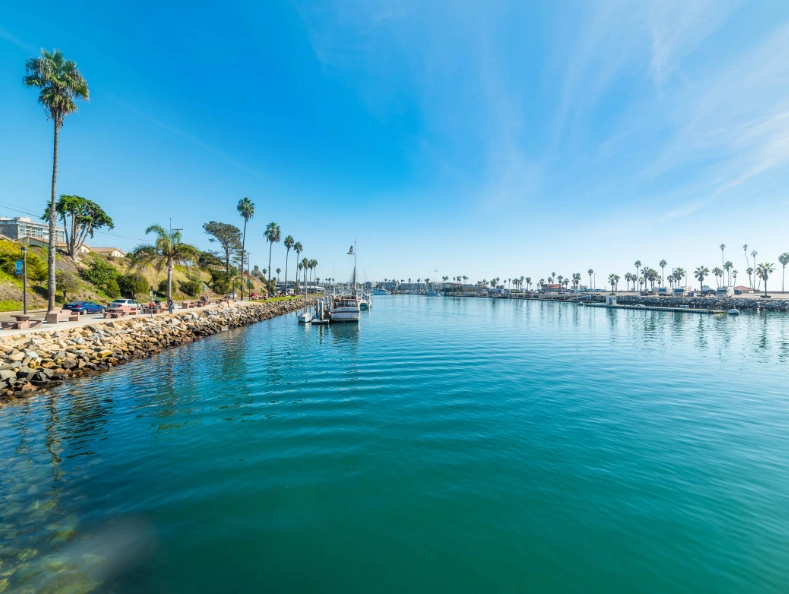
What Actually Makes a Fishing Spot "Good"? (It's Not Magic)
Forget luck. Fish are creatures of habit, driven by survival needs: food, oxygen, comfort, and safety. A great fishing spot is simply a place that efficiently meets one or more of these needs. If you learn to spot these features, you're halfway there.
Food Buffets and Ambush Points
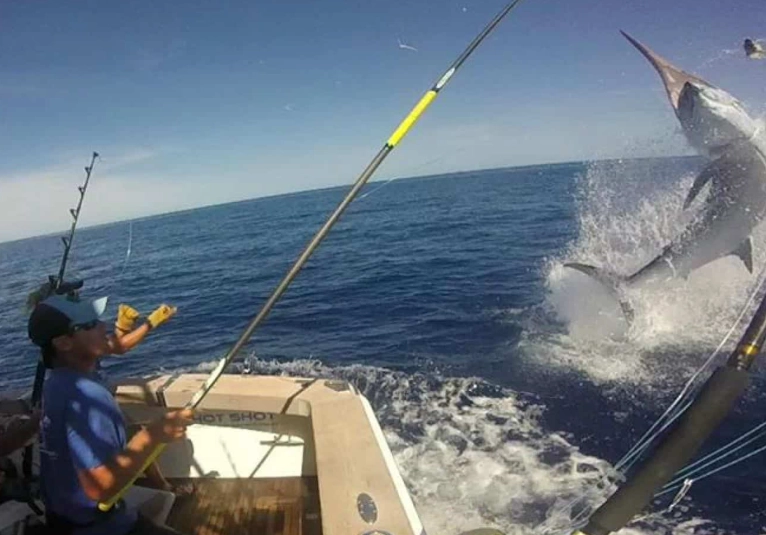
Fish are lazy, in the best way. They won't waste energy chasing food if they can help it. They love current breaks—places where fast water meets slow water, delivering a conveyor belt of bugs, baitfish, and other snacks. Look for:
- Points and Drop-offs: Underwater points that extend into deeper water are highways for predators. They can sit in the deep, scan the shallow shelves for dinner, and ambush with minimal effort.
- Rock Piles and Fallen Trees: These are apartment complexes for baitfish and crayfish. Predators like bass, walleye, and pike use them for cover. Cast right up against that sunken log. Seriously.
- Inflow and Outflow Areas: Where a stream enters a lake or pond, it dumps in oxygen, cooler water, and food. It's a diner with an "Open" sign flashing. Outflow areas below dams can be equally productive, concentrating fish.
The Comfort Zone: Temperature and Oxygen
Fish are cold-blooded. Their body temperature matches the water, so they're constantly seeking their preferred range. In summer, they'll often go deep or find spring holes. In spring and fall, they'll cruise the warming shallows. Wind matters too—a stiff wind blowing into a shoreline can push warmer surface water and food, creating an active zone even if it's less comfortable for you to fish.
Oxygen is huge. Weeds produce oxygen during the day. Areas with moving water (riffles, inflows) have more oxygen. In the dog days of summer, these high-oxygen fishing spots can be the only places fish are active.
Your Blueprint: How to Find Fishing Spots Near You (From Your Couch)
Okay, theory is good. But how do you apply it to find actual water you can fish tomorrow? This is the practical stuff. You don't need a fancy boat or secret intel from a grizzled old-timer (though that never hurts).
The Digital Scout: Maps and Apps
This is your first and most powerful step. I spend almost as much time scouting on my computer as I do on the water.
- Google Maps/Earth (Satellite View): This is free gold. Zoom in on local lakes and rivers. Look for those points, visible weed beds (dark patches near shore), inflows (stream mouths), docks, and even shadows that might indicate drop-offs. You can literally plan your approach before you go.
- Fishing-Specific Apps: Apps like Fishbrain or FishAngler show catch reports and photos. Use them cautiously. Don't just chase the last reported catch. Instead, look for patterns. Are people consistently catching a certain species in a certain bay? That tells you it's a reliable area. The social features can be a double-edged sword—popular spots get pressure fast.
- Government & Agency Resources: This is where you get authoritative, non-commercial data. Your state's Department of Natural Resources (DNR) or Fish and Wildlife website is a treasure trove. They often publish lake maps with depth contours (bathymetry), fish stocking reports, and public access point listings. For example, the U.S. Fish & Wildlife Service's fishing page is a great starting point for national information and regulations.
The Old-School Recon: Boots on the Ground
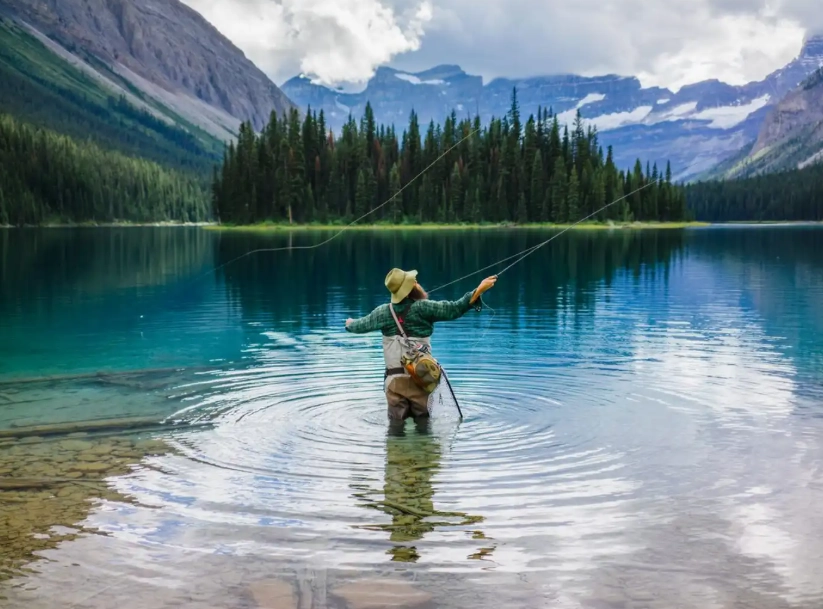
Digital is great, but nothing beats seeing it for yourself. If you can, do a scouting trip without your rod. Walk the shoreline. Look for:
- Bird Activity: Diving birds, especially terns or gulls, are often feeding on the same baitfish that game fish are chasing. It's a literal dinner bell.
- Fish Signs: Surface swirls, baitfish skipping, or even seeing fish in clear water. Sometimes you just see them.
- Talk to People (The Right Way): Don't just ask, "Where are the fish?" That rarely works. Instead, try asking at a local bait shop: "How's the water level been on the river?" or "Are they catching anything on live bait or lures right now?" You get useful info without demanding their secret spot.

Breaking Down the Types of Fishing Spots: A Side-by-Side Look
Not all water is created equal. Your strategy changes completely depending on where you are. Let's compare the big three.
| Type of Spot | Best For / Typical Fish | Key Features to Target | The Big Challenge |
|---|---|---|---|
| Lakes & Ponds | Bass, Panfish (Bluegill, Crappie), Trout (in stocked ponds), Pike | Weed lines, drop-offs, points, submerged structure (timber, rocks), docks, inlets. | Can feel overwhelming due to size. Fish move vertically (deep/shallow) with seasons and time of day. |
| Rivers & Streams | Trout, Smallmouth Bass, Walleye, Catfish | Current seams (where fast and slow water meet), riffles, deep pools, behind large rocks or logs, undercut banks. | Reading current and understanding how fish use it to conserve energy. Access can be tricky. |
| Coastal & Saltwater | Striped Bass, Redfish, Flounder, Sea Trout, Surf Species | Jetties & piers, tidal inlets, sandbars & troughs, oyster beds, marsh grass edges. | Tides. Everything revolves around the tidal cycle. A spot can be dead at low tide and incredible on an incoming tide. |
See the pattern? Each environment has its own rhythm. A lake fisherman thinks in structure and depth. A river rat thinks in current flow. A saltwater angler lives and dies by the tide chart. Master the rhythm of your chosen water.
Finding Public Fishing Spots: Your Right to Fish
A major hurdle is simply finding water you're legally allowed to fish. The good news? There's more out there than you think.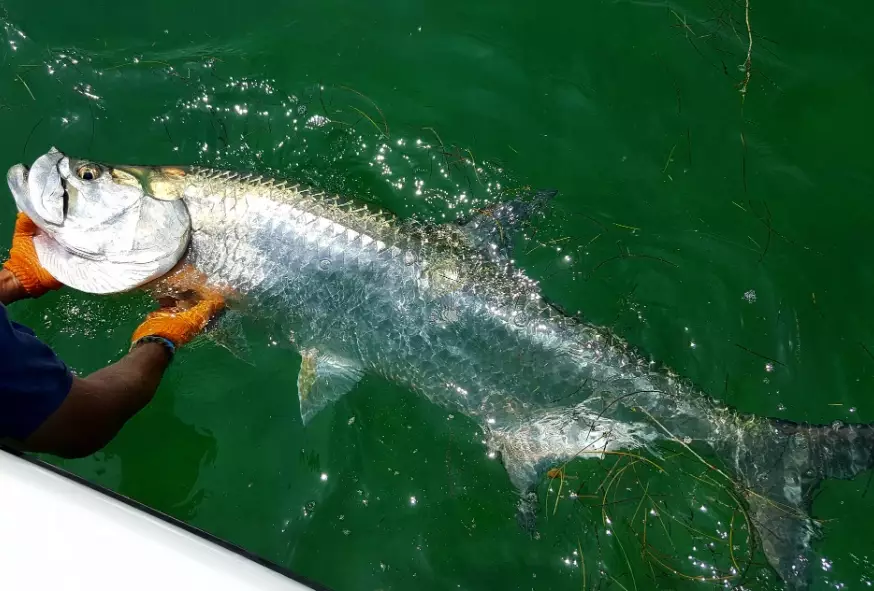
- State Parks & Wildlife Management Areas (WMAs): These are often fantastic and overlooked. They're managed for habitat and public use. Fishing pressure can be lighter than at the famous county park lake. Your state's park website will have details. For a national perspective, the Recreation.gov site can help find federal lands with fishing opportunities.
- City & County Parks: Don't scoff at the local park pond. They are often stocked with catchable-sized fish and are perfect for a quick after-work trip or introducing kids to fishing. They can get crowded, so try off-hours.
- Public Access Points on Rivers: Most major rivers have public boat ramps or fishing easements. You can often walk the bank up- and downstream from these points. Your state DNR website will almost always have a list or map of public water access sites.
My personal favorite fishing spots have often been small WMAs. They're not glamorous, you might have to hike a bit, but the sense of discovery is unbeatable.
The Not-So-Fun Stuff: Safety, Ethics, and Access
Finding the spot is one thing. Fishing it responsibly is another. This keeps the resource healthy and keeps you out of trouble.
Permission is Non-Negotiable
If it's not clearly marked as public, assume it's private. Trespassing gives all anglers a bad name. Look for posted signs, fences, or improved landscapes. If in doubt, find the landowner and ask. You'd be surprised how often a polite request gets a "yes."
Leave It Better Than You Found It
This is basic, but it needs saying. Pack out more trash than you brought in. Discarded fishing line is a death trap for wildlife. Snagged a lure in a tree? If you can safely retrieve it, do it. We all lose gear sometimes, but making an effort matters.
Safety First, Always
Wading a river? Wear a wading belt to prevent your waders from filling with water if you slip. Fishing from a rocky jetty? Those rocks are slippery as ice when wet. Tell someone where you're going. It sounds like dad advice, but it's crucial. A remote fishing spot is also a remote place to get hurt.
Your Questions, Answered (The Stuff We All Wonder)
Putting It All Together: Your Next Trip
So, let's walk through it. You've got a free Saturday coming up.
- Pick Your Water Type: Feel like a lazy day on a pond? Or an adventurous wade in a river? Decide based on your mood and gear.
- Digital Hunt: Go to your state's DNR site. Find a public lake or river access in your driving range. Pull it up on Google Earth. Scan the shoreline. See a creek mouth entering a lake bay? A long point? A series of docks? Mark a few mental waypoints.
- Check the Rules & Conditions: Verify license needs, any special regulations for that waterbody, and the weather forecast. A 20 mph wind forecast changes your lake plan completely.
- Have a Plan A and Plan B: Your primary target is that point you saw on the map. But if you get there and the wind is howling straight into it, making casting impossible, have a secondary, more sheltered bay in mind.
- Observe and Adapt: When you arrive, don't just start casting. Watch for 10 minutes. See any birds working? Any baitfish? Is the water clearer or murkier than you expected? Let the conditions on the water tweak your plan.
The goal isn't to be rigid. It's to be informed. You're not just randomly casting anymore; you're investigating, testing a hypothesis. Sometimes you're wrong, and that's okay. You learn more from an unproductive day spent analyzing why it was slow than from a lucky day where you stumbled into fish.
The truth about great fishing spots is this: they're not just points on a map. They're moments in time where conditions, structure, and fish behavior align. Your job is to learn how to recognize those moments. It's a skill that grows every time you go out, long after specific spots fade from memory. Now, go get your line wet.
Reader Comments