Quick Navigation
- Getting Started: The Bare Essentials You Actually Need
- Where to Find Fish: Reading the Water
- Techniques That Actually Catch Fish
- Target Species: Know Your Quarry
- Gear Deep Dive: Upgrading Your Setup
- The Rules of the Water: Ethics, Safety, and Law
- Common Freshwater Fishing Questions (FAQ)
- Taking It Further: Resources and Next Steps
Let's be honest. Staring at a wall of fishing rods in a big-box store or scrolling through endless gear reviews online can make starting freshwater fishing feel overwhelming. I remember my first trip to a lake. I had a cheap combo rod, some random hooks, and zero clue. I spent more time untangling line than actually fishing. It was frustrating, but it was also the start of something great.
That's why I'm writing this. Not as an expert claiming to know it all, but as someone who's made the mistakes, learned the hard way, and finally figured out what actually works. Freshwater fishing is more than just a hobby; it's a way to disconnect, enjoy nature, and sometimes even bring home dinner. Whether you're aiming for a massive largemouth bass or a string of feisty bluegill, the basics are the same. This guide is meant to cut through the noise and give you the straight talk you need to get started and actually catch fish.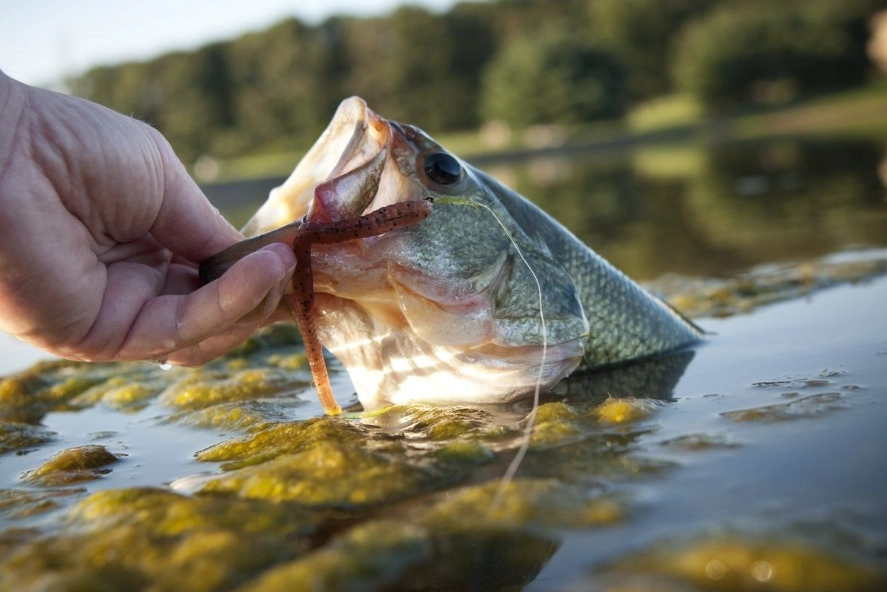
Getting Started: The Bare Essentials You Actually Need
You don't need a boatload of fancy gear for your first freshwater fishing adventure. In fact, buying too much too soon is a common mistake. Let's break down the absolute must-haves.
The Core Gear Checklist
Before you hit the water, make sure you have these five items. Forget the rest for now.
- A Rod and Reel Combo: For beginners, a 6 to 7-foot medium-action spinning combo is the gold standard. It's versatile enough for most freshwater fishing situations. “Medium-action” means the rod has a nice bend to it, which helps you cast easier and feel bites better. Don't overthink it—a $50-$80 combo from a reputable brand is perfect.
- Fishing Line: Spool your reel with 6 to 10-pound test monofilament line. It's cheap, forgiving, and easy to tie knots with. Leave the fancy braid and fluorocarbon for later.
- Hooks, Weights, and Bobbers: Get an assortment pack of size 6 to 2 hooks (smaller number = bigger hook). A pack of split-shot weights and a few basic bobbers (or “floaters”) round out the terminal tackle. This lets you fish bait under a bobber, which is the perfect starting method.
- Bait: Live worms are the universal catcher. A container of nightcrawlers from the gas station will catch almost anything swimming in freshwater. For artificials, a simple inline spinner or a curly-tail grub on a jig head are deadly and easy to use.
- Tools & Extras: Needle-nose pliers (for removing hooks), a small tackle box, and a fishing license. The license is non-negotiable. You can usually get one online from your state's wildlife agency in minutes.
I see so many newcomers paralyzed by choice. They research rods for weeks. Just grab a decent spinning combo and go. The learning happens on the water, not in a shopping cart.
Where to Find Fish: Reading the Water
This is where many beginners fail. They cast randomly into the middle of a huge lake and wonder why nothing's biting. Fish are lazy creatures of habit. They hang out where they can find food and cover without using too much energy.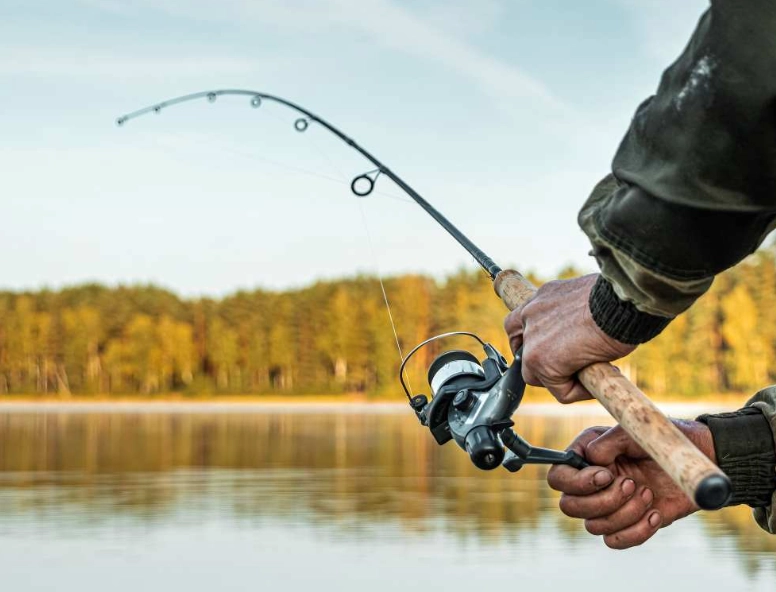
Look for these spots:
- Structure: Anything different in the water. Fallen trees (we call them “laydowns”), docks, rock piles, weed edges. Fish use these for ambush and shelter. Cast right next to them.
- Changes in Depth: A drop-off from shallow to deep water is a fish highway. They cruise these edges. If you can find a point of land extending into the lake, fish along its sides.
- Current Breaks: In rivers or below dams, fish rest behind rocks or in eddies where the current is slower, waiting for food to wash by.
My early strategy was simple: find the “fishy-looking” spot. A shady dock? Cast there. A bunch of lily pads? Cast there. A big old tree in the water? You bet. It's not rocket science. Start by visually scanning the bank and targeting anything that breaks the pattern.
Techniques That Actually Catch Fish
Let's move past just throwing a worm out there. Here are a few fundamental freshwater fishing techniques, from dead simple to slightly more advanced.
The Bobber Rig (The Beginner's Best Friend)
Slip a bobber onto your line, attach a small weight about 12 inches above a hook, bait the hook with a worm, and cast. Adjust the bobber so your bait hangs just above the bottom. Watch the bobber. When it ducks under or moves sideways, set the hook with a quick upward flick of the rod. This method is perfect for panfish like bluegill, crappie, and perch. It's visual, easy, and effective. It’s how most of us caught our first fish.
Bottom Fishing with a Carolina Rig
This is a killer set-up for catfish, bass, and other bottom feeders. You slide an egg sinker onto your main line, then a bead, then tie on a swivel. To the other end of the swivel, tie a 1-2 foot leader line with a hook. The sinker slides on the bottom, but the fish feels little resistance when it picks up your bait (which sits on the leader). Bait with a nightcrawler, cut bait, or a plastic worm. Cast it out, let it sink, and wait for a steady pull. It's a passive technique, great for relaxing shore fishing.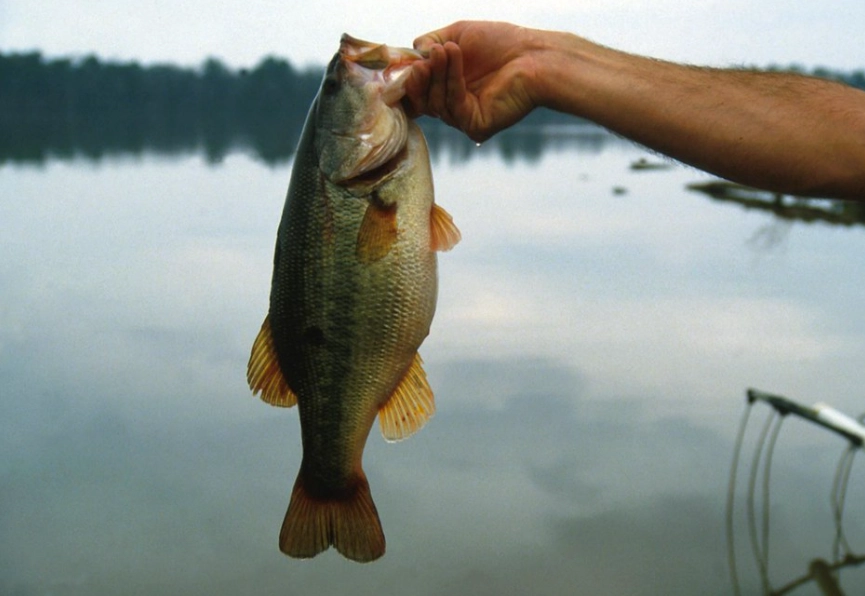
Pro Tip (Learned the Hard Way): When bottom fishing, keep your bail open (on a spinning reel) or your spool disengaged with the clicker on (on a baitcaster). Let the fish take the bait and run with it for a few seconds before you engage the reel and set the hook. Setting the hook too early is the number one reason people miss catfish.
Retrieving Lures: The Art of the Move
This is active freshwater fishing. You cast an artificial lure and bring it back with various movements. The key is to imitate a wounded or fleeing baitfish. A simple “cast and steady retrieve” works for spinnerbaits and crankbaits. For soft plastics like worms or creature baits, it's a “cast, let it sink, then hop or drag it slowly along the bottom” with your rod tip. This “slow presentation” is incredibly effective for pressured bass. The most common mistake? Retrieving way too fast. Slow down. Most days, fish want an easy meal, not a sprinting athlete.
Target Species: Know Your Quarry
Different fish behave differently. Here’s a quick rundown of the most popular freshwater fishing targets and what they like.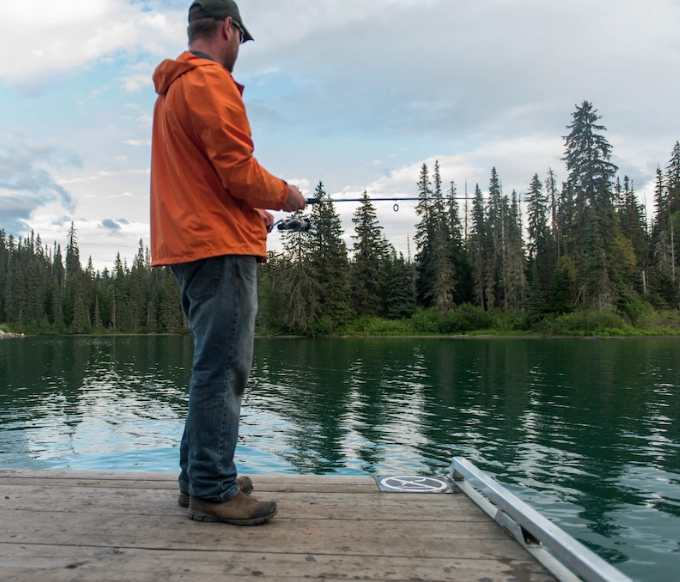
| Species | Best Baits/Lures | Typical Hangouts | Fighting Style |
|---|---|---|---|
| Largemouth Bass | Plastic worms, crankbaits, spinnerbaits, topwater frogs (summer) | Weed beds, docks, fallen timber, lily pads | Powerful runs, head-shakes, jumps |
| Trout (Rainbow/Brook) | Small spinners, spoons, live worms, salmon eggs, flies | Cool, moving water (streams/rivers), deep pools, below dams | Acrobatic jumps, fast runs |
| Panfish (Bluegill/Crappie) | Live worms under a bobber, tiny jigs, small spinners | Shallow coves, around docks & brush piles | Quick, darting fight. Great for kids! |
| Catfish (Channel/Flathead) | Cut bait (shad, liver), nightcrawlers, prepared stink baits | Deep holes in rivers/lakes, near dams, muddy bottoms | Slow, heavy pull like a submerged log |
| Walleye | Live minnows, jigs, crankbaits, nightcrawler harnesses | Deep rocky structures, points, wind-blown shores | Solid, dogged fight, rarely jumps |
See? You don't need to master everything at once. Pick a species common in your area and focus on it. For most of the country, that's bass or panfish. The beauty of freshwater fishing is that the techniques for one often overlap with another.
Gear Deep Dive: Upgrading Your Setup
Once you've caught a few fish and you're hooked (pun intended), you might want to upgrade. Here's what to consider, without falling for marketing hype.
Rod Power and Action: What It Really Means
- Power (Light, Medium, Heavy): Refers to the rod's backbone. Light for small panfish, Medium for all-around bass/walleye, Heavy for big catfish or pulling bass from heavy cover.
- Action (Fast, Moderate, Slow): Refers to where the rod bends. Fast action bends mostly in the top third. It's sensitive and gives a quick hook set. I prefer fast action for most lure fishing. Moderate is more forgiving, better for live bait or crankbaits.
Reels are a big topic. A smooth drag system is more important than how many bearings it has. The drag is what lets the fish pull line out when it fights too hard, preventing your line from snapping. Test it before you buy. It should be silky smooth, not jerky.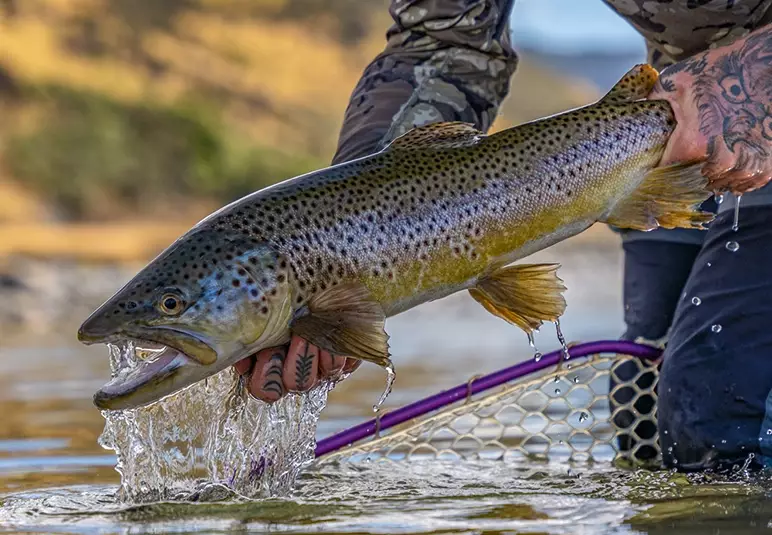
And about line: As you progress, you'll hear about fluorocarbon (invisible underwater, sinks) and braid (incredibly strong, no stretch). I mostly use braid with a fluorocarbon leader now. But I started with mono and did just fine for years. Don't feel pressured to change.
The Rules of the Water: Ethics, Safety, and Law
This part is boring but critical. Ignoring it can ruin your day and the resource.
Get a License. Every state requires one, and the funds go directly to conservation—stocking fish, maintaining habitats, etc. It's the best investment in freshwater fishing you can make. You can find your state's regulations on the official website, like the U.S. Fish and Wildlife Service page which links to state agencies, or directly through your state's Department of Natural Resources (DNR).
Know the Regulations. They publish booklets with rules on size limits (how big a fish must be to keep), bag limits (how many you can keep), and season dates. These rules are there to ensure healthy fish populations. Measure your fish. It only takes a second.
Practice Catch and Release. Especially for larger breeding fish. It's simple: wet your hands before handling the fish to protect its slime coat, support its body horizontally, use needle-nose pliers to gently remove the hook, and get it back in the water quickly. If you're taking a photo, have everything ready beforehand. A fish out of water is like us holding our breath.
“Good freshwater fishing isn't about keeping every fish you catch. It's about ensuring those fish, and that experience, are there for the next person, and for the next generation.”
Safety: Tell someone where you're going. Wear a life jacket if you're in a boat (most drowning victims are within 10 feet of safety and thought they could swim). Watch the weather. A little rain is one thing; lightning is a full-stop go-home signal.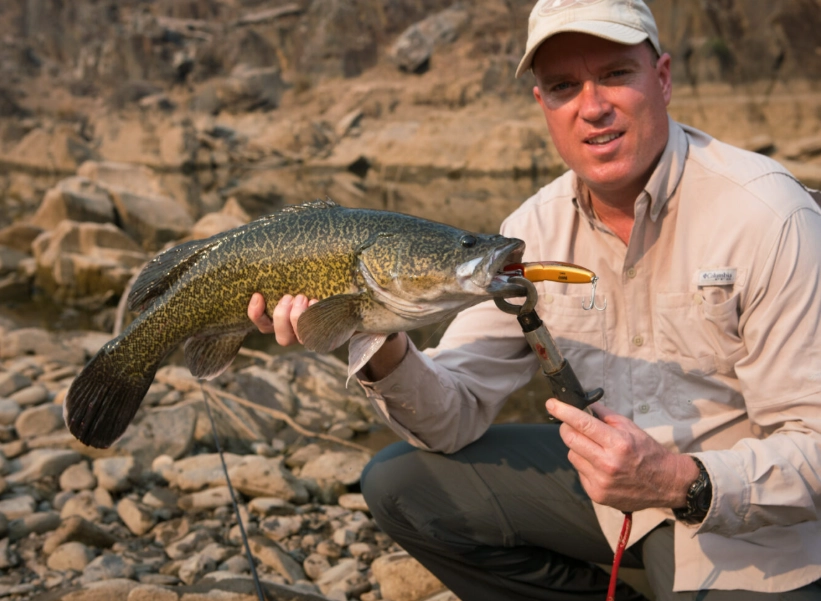
Common Freshwater Fishing Questions (FAQ)
Do I need a boat to go freshwater fishing?
Absolutely not. Some of my best days have been from the bank, a dock, or wading in a stream. In fact, starting from shore simplifies things. You learn to read the water right in front of you. Kayaks and canoes are fantastic, affordable middle-ground options for getting to more spots.
What's the best time of day to fish?
Early morning and late evening are almost always the most productive. Fish are more active in low light. That said, you can catch fish all day, especially if it's overcast or windy. Don't let “not the perfect time” stop you from going.
How do I deal with snags and lost lures?
You will get snagged. It's part of the game. Don't just yank. Try changing the angle of your pull—sometimes walking to the side of the snag will pop it free. If it's truly stuck, point your rod directly at the snag, pull the line tight with your hand (not the rod!), and break it off. It's why you carry extra tackle. I've probably donated $500 worth of lures to the lake gods over the years.
Why am I not catching anything?
We all have skunk days. First, make sure fish are present (ask at a local bait shop!). If they are, change something. Slow down your retrieve. Switch bait colors (bright on sunny days, natural on cloudy). Downsize your bait. Move locations. Fishing is a puzzle. The worst thing you can do is stand in one spot doing the same thing for four hours while getting frustrated.
Is freshwater fishing expensive?
It can be, but it doesn't have to be. The initial gear buy-in is the biggest cost. After that, a license and some replacement tackle are minimal. You can spend $300 on a single high-end rod, or you can catch just as many fish on a $80 combo. The experience is what you make it.
Taking It Further: Resources and Next Steps
You've got the basics. Now, to deepen your knowledge, tap into local and expert knowledge.
- Local Bait & Tackle Shops: These are goldmines. The folks working there fish your local waters every week. Ask them “What's biting and on what?” You'll get better, more current info than from any national article. Buy a pack of hooks from them to say thanks.
- Online Resources: For species-specific deep dives, sites like Bassmaster offer fantastic, detailed articles on advanced techniques. For conservation and ethical practices, the Take Me Fishing site is a great hub for beginners and families.
- State DNR Websites: Your absolute best source for official regulations, lake maps, stocking reports, and public access points. This is authoritative information you can trust.
At the end of the day, the goal of freshwater fishing isn't just to catch fish. It's the quiet morning on the lake as the mist rises. It's the tug on the line that makes your heart jump. It's the story you tell about the one that got away. It's about being outside.
Start simple. Be patient. Respect the resource. The rest will come with time and time on the water. Now go get your line wet.
Reader Comments