Quick Guide
- What Exactly Is Ice Fishing, Anyway?
- The Non-Negotiables: Your Ice Fishing Gear Checklist
- Safety First, Fishing Second: The Ice is Never 100% Safe
- Finding Fish Under the Ice: It's Not Just Luck
- Mastering Basic Techniques: Jigging and Tip-Ups
- Answering Your Ice Fishing Questions (FAQ)
- Taking the Next Step in Your Ice Fishing Journey
So you're thinking about trying ice fishing. Maybe you saw a picture online, or a friend won't stop talking about the huge pike they caught last winter. It looks peaceful, maybe a bit crazy, and you're curious. I get it. I was in your shoes years ago, staring at a frozen lake with more questions than answers. Is it just sitting in the cold? What do you even need? And most importantly, how do you not fall through the ice?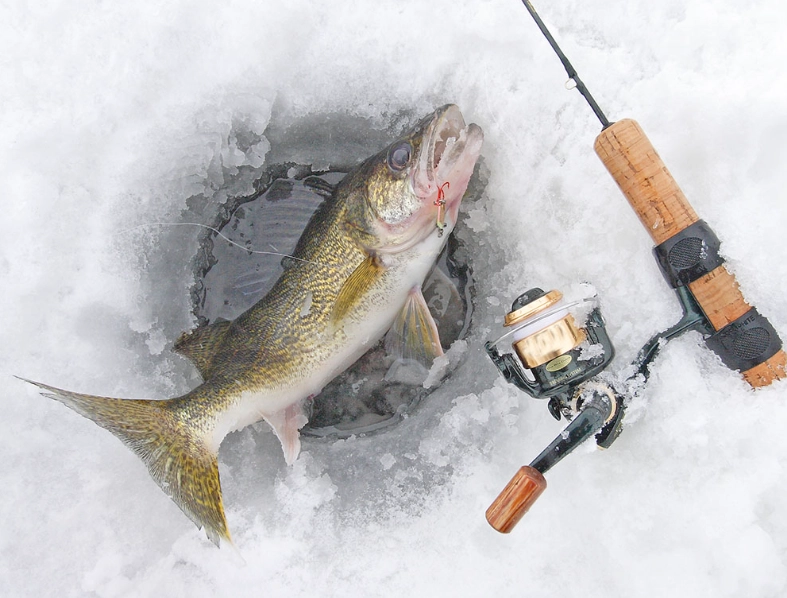
Let's clear something up right away. Ice fishing isn't just a colder version of summer fishing. It's its own world, with its own rhythm, gear, and tricks. It can be incredibly rewarding—there's nothing like feeling that tug on your line from a world beneath your feet. But it can also be miserable if you're unprepared. I've had days where I've caught nothing but a chill, and days that were pure magic. This guide is here to make sure you have more of the latter.
We're going to walk through everything, from the absolute basics of what ice fishing really is, to the gear you can't do without, to the unglamorous but critical safety stuff. My goal is to answer all those questions buzzing in your head before you even think about buying an auger.
What Exactly Is Ice Fishing, Anyway?
At its simplest, ice fishing is the practice of catching fish through an opening in a frozen body of water. But that description sells it short. It's part sport, part meditation, and part social gathering. You're not just waiting; you're actively hunting in a silent, frozen landscape. The fish are still down there, active (some species more than others in the cold), and you have to figure out how to get to them.
The methods vary wildly. You've got the classic jigging, where you dance a lure up and down to attract fish. Then there's tip-ups, passive devices that flag you when a fish takes the bait, letting you fish multiple holes at once. And of course, there's just setting a line and waiting, which is perfectly valid too.
It's accessible. You don't need a boat. You can walk right out to your spot (once the ice is safe!). But that accessibility comes with its own set of challenges, which is why planning is everything.
The Non-Negotiables: Your Ice Fishing Gear Checklist
You can't just grab your summer rod and head out. The gear is specialized, and for good reason. Let's break down what you actually need, separating the "must-haves" from the "nice-to-haves" for your first few trips.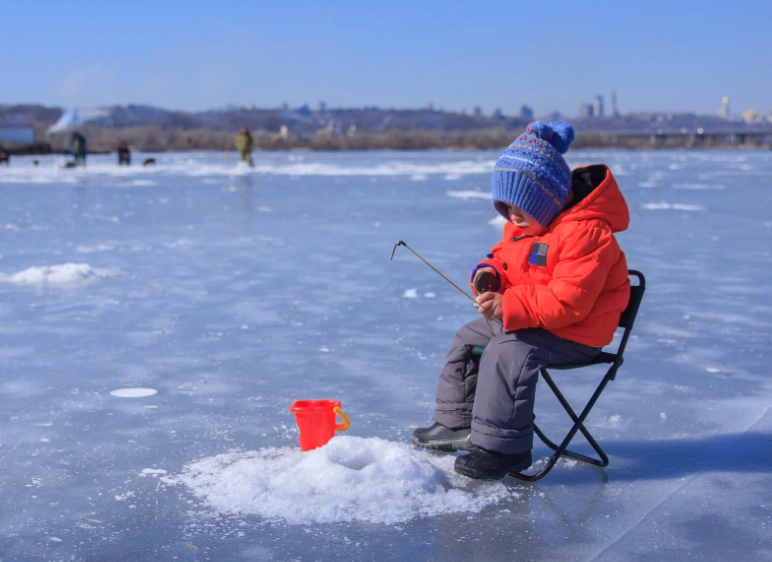
The Absolute Essentials (Don't Leave Home Without These)
- Ice Auger: This is your key to the underwater world. It drills the hole. For beginners, a simple hand auger is affordable and gets the job done. It's a workout, but it's reliable. Power augers are fantastic but pricey and heavy.
- Ice Fishing Rod & Reel: Shorter than summer rods (typically 24-36 inches) for better control close to the hole. They're also more sensitive to feel light bites. A basic combo from a reputable brand is a great start.
- Tackle: Small jigs (teardrops, Swedish Pimm's, spoons), live bait (wax worms, minnows), and line specifically rated for cold weather (it doesn't get brittle). Monofilament in the 4-8 lb test range is a safe bet.
- Scoop or Skimmer: A small ladle to keep your hole clear of ice shavings (slush). If you don't clear it, your line freezes in, and you're done.
- Warm Clothing: This is your most important piece of "gear." Think layers—moisture-wicking base, insulating middle (fleece, down), waterproof/windproof outer shell. Cotton is your enemy; it gets wet and stays wet.
- Extreme Cold Weather Boots: Your feet will be on ice for hours. Pac boots with removable liners and thick, insulated soles are the standard. Trust me, cold feet will ruin your day faster than no fish.
- Ice Safety Picks: These wear around your neck. If you fall in, you jab them into the ice to pull yourself out. They cost $10. They are non-negotiable.
Now, for the stuff that transforms the experience from survival to comfortable.
Game Changers for Comfort and Success
- Shelter: A portable ice shack or pop-up tent. It blocks the wind, traps some heat (even body heat makes a difference), and lets you see your line better. It's the single biggest upgrade for comfort.
- Heater: A small propane heater inside your shelter is a revelation. It takes the edge off, dries gloves, and makes the whole day enjoyable. Always ensure proper ventilation to avoid carbon monoxide buildup.
- Sonar/Flasher: This is like cheating, but everyone does it. A portable fish finder shows you the depth, the bottom contour, and most importantly, your lure and any fish that come to investigate. It turns guessing into a game of video games. It's not essential day one, but you'll want one quickly.
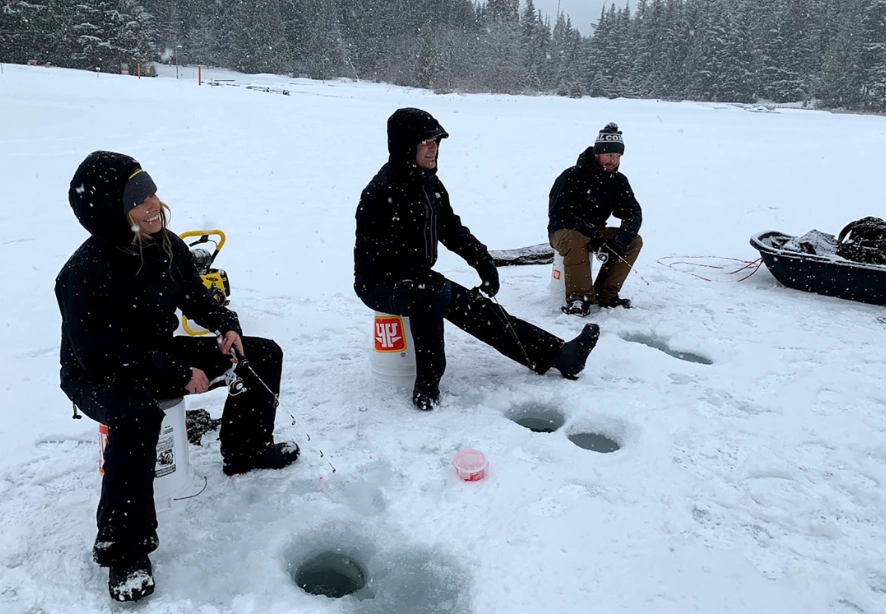
- Seat: A 5-gallon bucket is the classic multi-tool: seat, gear carrier, and fish holder. A padded seat attachment is a cheap luxury.
I made the mistake of buying a cheap, bulky shelter my first year. It was a nightmare to drag and set up. Lesson learned: sometimes spending a bit more on the right tool saves you a lot of frustration. For a detailed breakdown of recommended gear types and their purposes, the Take Me Fishing resource on ice fishing gear is a fantastic, no-nonsense reference.
Safety First, Fishing Second: The Ice is Never 100% Safe
This is the most serious part of the guide. We have to talk about ice safety. Every year, there are accidents. They are almost always preventable. I'm not trying to scare you off; I'm trying to make sure you come back.
Rule #1: No ice is ever completely safe. You are responsible for checking conditions yourself.
Ice thickness is the golden rule. It varies based on so many factors: recent temperatures, snow cover (insulates the ice, slowing growth), underwater springs, currents, and where you are on the lake.
Here’s the general thickness guide everyone should memorize:
| Ice Thickness | What It Can Support | Our Recommendation |
|---|---|---|
| Less than 4 inches | STAY OFF | Do not walk on it. |
| 4 inches | One person on foot | Minimum for walking. Drill test holes as you go. |
| 5-7 inches | Small group, ATV/Snowmobile | Good for social ice fishing. |
| 8-12 inches | Small car or side-by-side | Always check local regulations for vehicle use. |
| 12-15+ inches | Mid-size truck | Thickness must be uniform and verified. |
How do you check? You bring an ice chisel or your auger and make test holes as you move out from shore. Don't just trust the spot where everyone is walking out—conditions change. Look for clear, hard ice. White or "snow ice" is only about half as strong. Avoid areas near inlets, outlets, docks, or where there are visible bubbles or cracks.
Always go with a buddy. Tell someone on shore your plan and when you'll be back. Wear a life jacket under your coat—it adds insulation and is a flotation device if the worst happens. And have those ice picks accessible around your neck, not buried in your bag.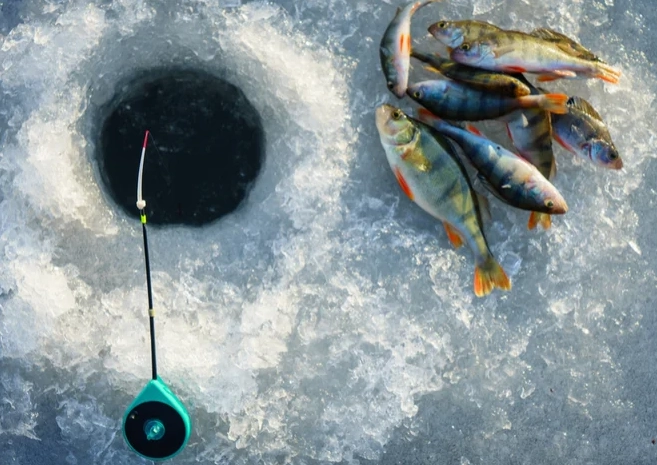
For comprehensive, state-specific ice safety guidelines, the Minnesota Department of Natural Resources Ice Thickness Guide is an excellent, authoritative resource. Their "2 inches or less, stay off" mantra is a good one to live by.
Finding Fish Under the Ice: It's Not Just Luck
Okay, you're geared up and on safe ice. Now what? Where do you drill your hole? Fish don't vanish in winter; they relocate and change their habits. Understanding this is what separates the hopeful from the successful.
Early in the ice season, fish are often still relating to late fall patterns—maybe in weed beds that haven't fully died off, or on first drop-offs near shore. As winter deepens and oxygen levels drop, they tend to move to deeper, more stable areas. But "deep" is relative. You might find perch in 25 feet of water and pike cruising the edges of a weed line in 8 feet.
Top Places to Start Drilling:
- Weed Edges: Even dying weeds hold oxygen and attract baitfish. The outer edge is a prime ambush point for panfish and predators.
- Drop-offs & Underwater Points: Fish use these as highways to move between shallow feeding areas and deep resting zones.
- Humps or Sunken Islands: These structures in the middle of a lake concentrate fish. They rise up close to the surface, offering a prime location.
- Near Inlets (with caution!): Moving water brings oxygen. Ice is often unsafe here, so drill from a distance and fish the edges of the oxygenated zone.
The best ice fishing advice I ever got was: "Don't fall in love with your hole." If you're not getting bites or seeing fish on your sonar after 20-30 minutes, move. Drill a new hole 10-20 feet away. Keep moving until you find them. Mobility is a huge advantage in ice fishing.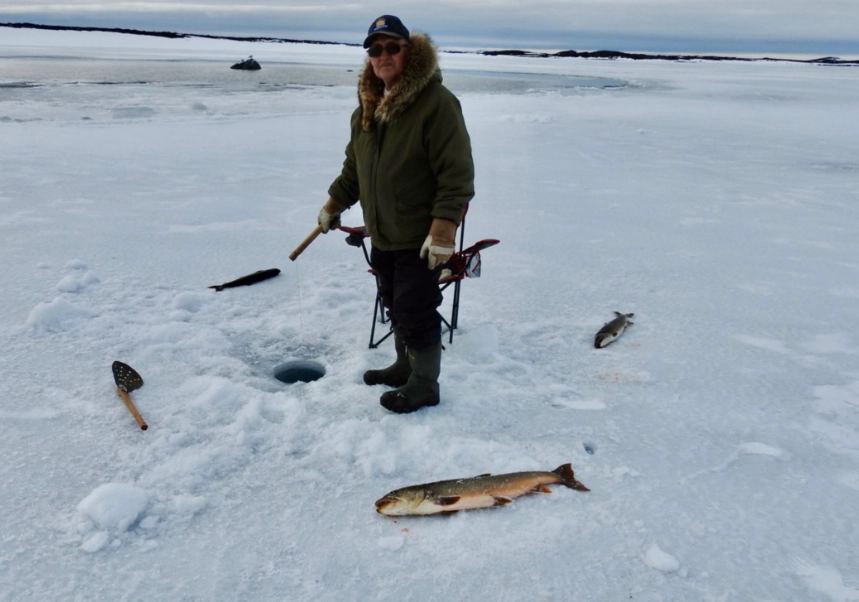
Mastering Basic Techniques: Jigging and Tip-Ups
You've found a promising spot. Now you need to present your bait. Let's look at the two fundamental techniques.
Jigging: The Active Approach
This is where you're actively working the rod. The goal is to impart action to your lure to trigger a strike. It's not just yanking it up and down.
- Start Simple: Drop your jig to the bottom. Reel up a foot or two.
- The Cadence: Try a slow, rhythmic lift of 6-12 inches, then let it fall back on a semi-slack line. Pause. Repeat. The pause is often when the bite comes.
- Mix It Up: If that doesn't work, try short, sharp snaps. Or just barely quiver the rod tip. Fish can be finicky.
- Watch Your Line: Sometimes the bite isn't a thump, it's just your line going slightly slack or moving sideways. Set the hook on anything suspicious!
Jigging keeps you warm and engaged. It's my preferred method for panfish like bluegill and crappie.
Tip-Ups: The Passive, Multi-Hole Strategy
A tip-up is a device that sits over your hole. Your line runs down into the water, and a flag is held in a set position by a trigger mechanism. When a fish takes the bait and pulls the line, the flag springs up, signaling a bite.
Why use them? They let you fish multiple holes at once, covering more water. They're perfect for live minnows targeting pike, walleye, or lake trout. You can set a spread of tip-ups while you jig a separate hole. When a flag pops, the excitement is unreal—you sprint over (carefully!) to see what's on the other end.
Pro Tip for Tip-Ups: Set your bait at different depths. Put one a foot off the bottom, one halfway up, and one just under the ice. You'll quickly figure out where the fish are holding that day.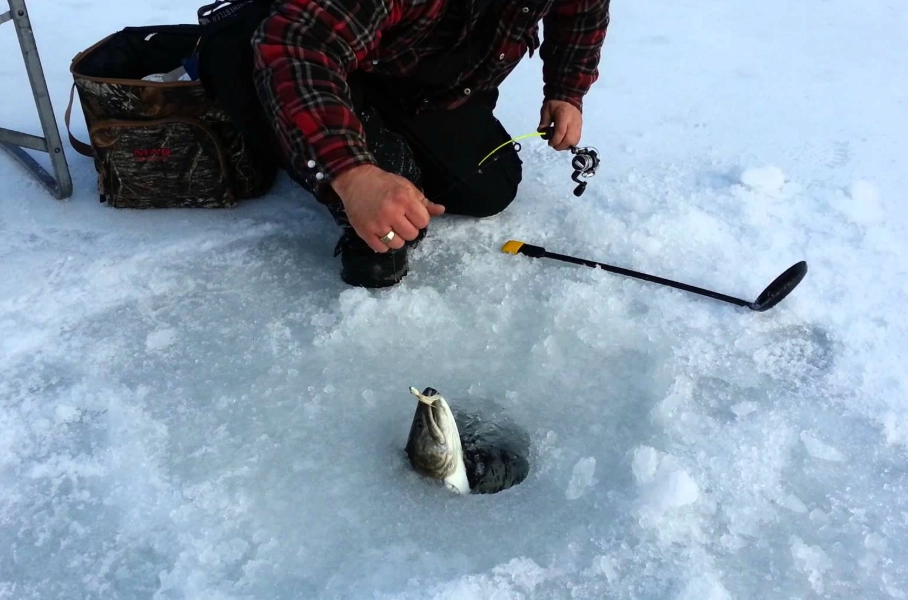
Answering Your Ice Fishing Questions (FAQ)
Is ice fishing legal everywhere? Do I need a license?
Yes, you almost always need a valid state fishing license, even in winter. Regulations for seasons, size limits, and bag limits still apply. Some bodies of water have special winter rules. Always check the current regulations with your state's fish and wildlife department before you go. It's the law, and it funds conservation.
What's the best time of day to go ice fishing?
Many anglers swear by early morning and late afternoon, around dawn and dusk. This is especially true for predators like walleye and pike. But don't discount the middle of the day! Panfish like crappie can be very active under a bright sun, often suspending higher in the water column. My biggest pike came at high noon on a sunny day.
How do I handle the fish I catch?
Quickly and gently. Wet your hands before touching them to protect their slime coat, which is their defense against disease. Have a pair of needle-nose pliers or a hook remover ready. If you're keeping them, put them on a stringer or in a bucket. If you're releasing them, do it at the hole and lower them back gently. Don't just toss them—they can go into shock.
What if I have to use the bathroom?
The age-old question! If you're in a shelter with a floor, some people bring a small bucket with kitty litter. Most often, you just trek to shore or find a discreet spot away from others. Plan your warm beverage intake accordingly. It's part of the rustic charm, I guess.
Taking the Next Step in Your Ice Fishing Journey
Once you've got a few trips under your belt and you're hooked (pun intended), you'll start looking for ways to improve. Here's where the rabbit hole goes deep.
Consider joining a local fishing club or online forum. The shared knowledge is invaluable. People share real-time ice reports, techniques for specific local lakes, and are usually happy to help newcomers.
Experiment with advanced electronics. A flasher is great, but modern LCD/LED units with GPS and mapping can show you the exact contour you're standing on and mark your productive holes for next time.
Learn to read the ice itself. Dark patches might indicate thinner ice or springs. Pressure ridges can indicate depth changes below. Snow drifts can insulate and weaken ice. It becomes a second language.
Most of all, be patient with yourself. You will have slow days. You will forget crucial gear. You will get cold. Everyone does. The goal is to learn something each time you go out. Maybe you learned that a certain jig color works, or that a particular bay always has unsafe ice, or just how to better layer your clothes.
So start simple. Rent or borrow a hand auger and a basic rod. Go with an experienced friend if you can. Pick a nice, calm day for your first outing. Focus on being safe and comfortable first, catching fish second. The thrill of pulling a glistening, wriggling fish up through that small, dark hole onto the bright ice is something you won't forget. It connects you to the season in a way nothing else can. Now get out there—safely—and see for yourself what the fuss is all about.
Reader Comments