My Fishing Journal: Quick Navigation
Let's be honest, there's something primal about catfish fishing. It's not the delicate flick of a fly rod. It's a waiting game, a test of patience against a creature that feels more like a submerged log than a fish until it decides to move. And when it does—good lord, that first heavy pull on the line is a feeling you don't forget. It's raw power on the other end. I remember my first real channel cat, thinking I'd snagged the bottom of the lake. Then the "bottom" started swimming sideways. That's the hook, pun intended.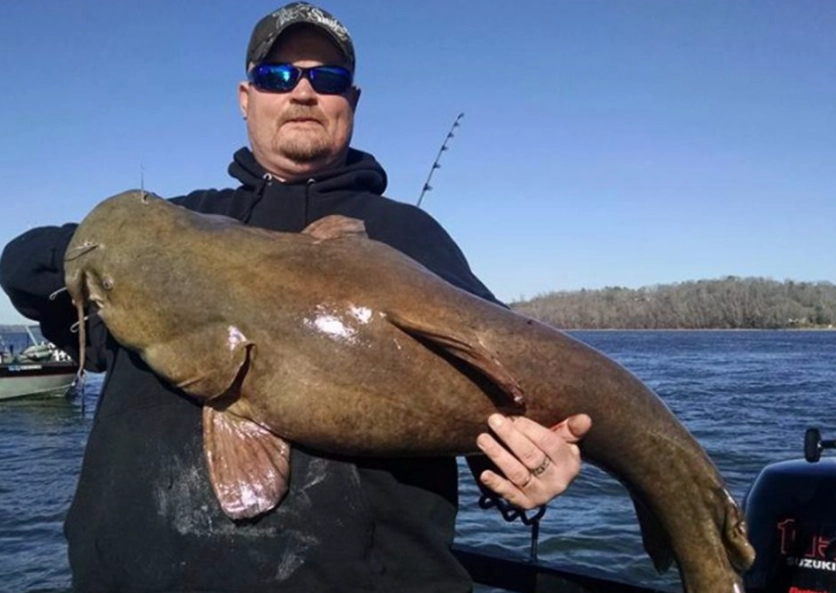
This guide isn't about throwing a piece of hot dog on a hook and hoping. If you want to consistently find and catch catfish, especially the bigger ones, you need to think like them. We're going to break down the whole puzzle, from the gear that won't let you down to understanding where they hide and what they can't resist eating. Forget the fluff; this is the stuff that actually works on the water.
Gearing Up: Building a Catfish-Specific Arsenal
Using a light bass rod for serious catfish fishing is a great way to have a story about "the one that got away." These fish demand respect, and your gear should reflect that. It's not about buying the most expensive stuff, but the right stuff.
The Rod: Your Lever Against the Deep
This is your main point of contact. For channel cats and decent-sized blues, a medium-heavy to heavy power rod is the sweet spot. Length? 7 to 8 feet is perfect. It gives you better casting control for heavy sinkers and bait, and more leverage for hook sets and fighting. Look for a fast or extra-fast action. That stiff backbone is crucial for driving the hook home through a catfish's tough mouth. For massive flatheads or blue catfish in big rivers, you step into extra-heavy territory. It feels like a pool cue, but you'll need it.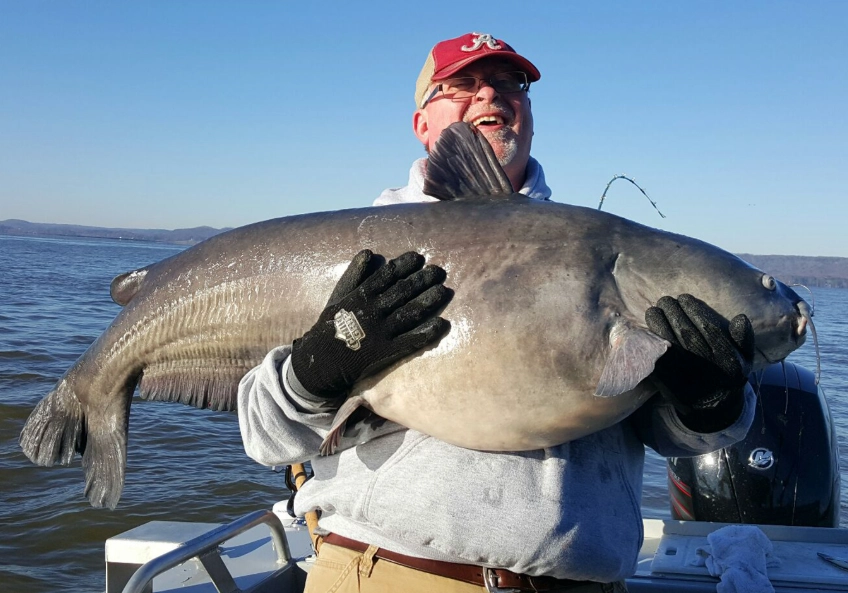
The Reel: Durability Over Finesse
Spinning or baitcasting? Both work, but for heavy-duty work, a large, robust baitcasting reel is often the champion. You need a strong drag system that operates smoothly under constant pressure—a catfish doesn't make blistering runs like a tuna, but it applies relentless, heavy force. Look for reels with a high line capacity (300 yards of 20-30 lb test minimum) and a reputation for being simple and tough. Saltwater-rated reels are a great choice, as they're built to resist corrosion from… well, everything a catfish lives in.
Line, Hooks, and Terminal Tackle
This is where many setups fail.
- Line: Braided line is king for main line. Its lack of stretch gives you incredible sensitivity for detecting subtle bites and allows for solid hook sets at long distances. I run 40-65 lb braid for most situations. For leader, a fluorocarbon or monofilament leader (20-50 lb) between your weight and hook adds abrasion resistance and a bit of stealth.
- Hooks: Circle hooks have revolutionized catfish fishing. They are almost self-setting. When the fish moves off with the bait, the hook naturally finds the corner of the jaw. Use them. Sizes 5/0 to 8/0 cover most game. For live bait for flatheads, a strong Kahle or octopus hook in similar sizes works.
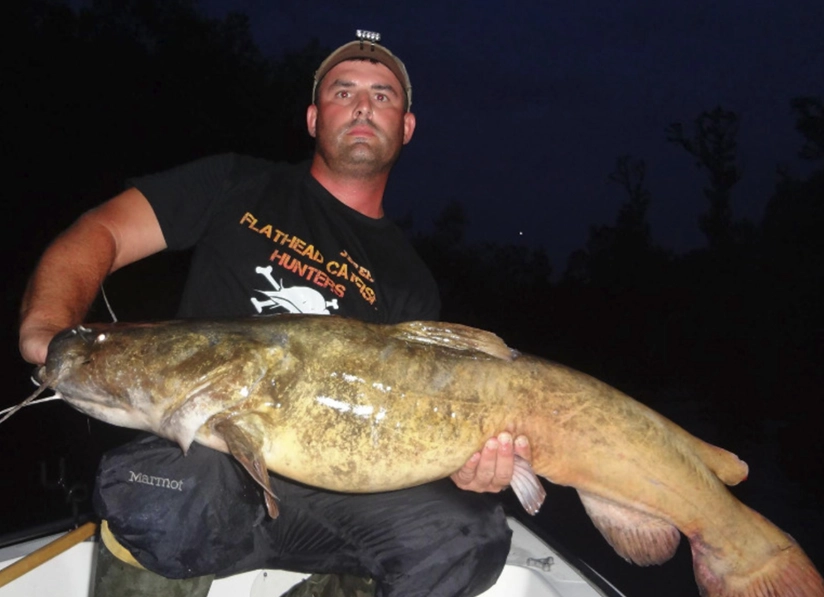
- Weights & Rigs: The classic slip-sinker rig (Carolina rig) is your bread and butter. The weight slides on the main line above a swivel, with a leader to the hook. This lets a catfish pick up the bait without feeling the weight. Egg sinkers or no-roll sinkers from 1/2 oz to 3 oz are standard, depending on current.
Here’s a quick breakdown of common rigs and their best uses:
| Rig Type | Best For | Key Advantage | When to Avoid |
|---|---|---|---|
| Slip-Sinker (Carolina) | Moving water, muddy bottoms, wary fish | Fish feels no resistance when taking bait | Very weedy areas |
| 3-Way Swivel Rig | Swift river currents, suspending bait off bottom | Holds bait in place in heavy flow | Still water (can be overkill) |
| Santee Cooper Rig | Floating bait just above vegetation or muck | Presents bait above snaggy bottoms | Deep, open water without snags |
| Simple Bank Sinker | Beginners, still ponds, lightweight fishing | Extremely easy to tie and manage | Current or when fish are bite-shy |
The All-Important Bait: What Do Catfish Really Want to Eat?
This is the fun part. Catfish are opportunistic omnivores with an incredible sense of smell. Stink is good, but it's more about the right kind of stink. The perfect catfish bait sends out an oil and amino acid plume they can't ignore.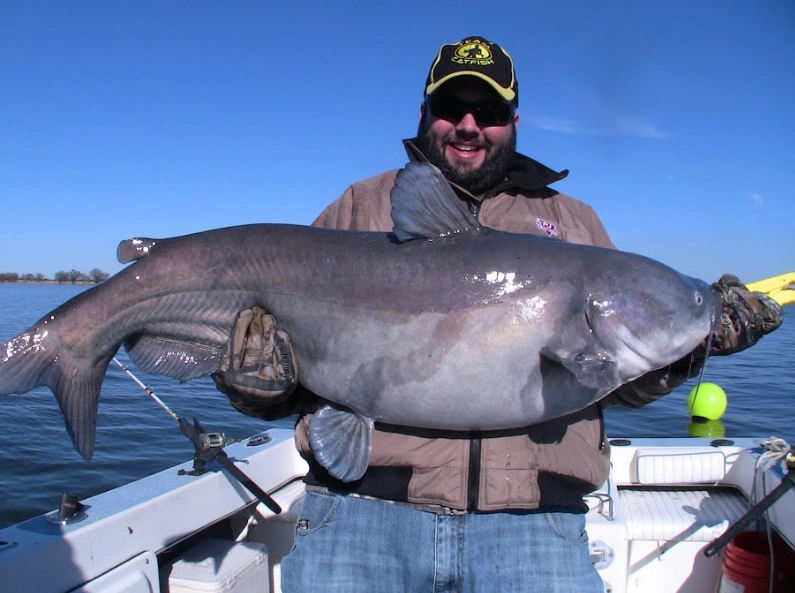
Here’s my personal ranking of catfish baits, born from years of trial, error, and stinky fingers:
Top Tier (Consistent Catchers):
- Live or Cut Baitfish: Shad, skipjack herring, sunfish. This is the ultimate natural bait, especially for big blues and flatheads. Freshness is non-negotiable. A lively 6-inch bluegill fished near a logjam at dusk is flathead candy. For blues, a chunk of fresh-cut shad is irresistible.
- Prepared Dough Baits & Dip Baits: These commercial baits are science experiments in a jar. They're packed with attractants and stay on the hook well. They excel for channel cats. Brands like Team Catfish or Magic Bait have cult followings for a reason.
- Chicken Liver & Gizzards: The classic. Cheap, bloody, and effective. The downside? They're soft and fall off the hook easily. The trick is to wrap them in a small piece of pantyhose or cheesecloth, or use a special treble hook with a spring to hold them.
Solid Performers (Don't Underestimate Them):
- Nightcrawlers: A big ball of worms will catch catfish of all sizes, anywhere. It's a universal offering.
- Shrimp & Crawfish: Natural forage in many systems. Peeled shrimp or whole dead crawfish can be killer, especially in rivers.
- Homemade Concoctions: Soaked dog food, fermented maize, homemade blood bait. These can be phenomenal and are a point of pride for many seasoned catfish anglers.
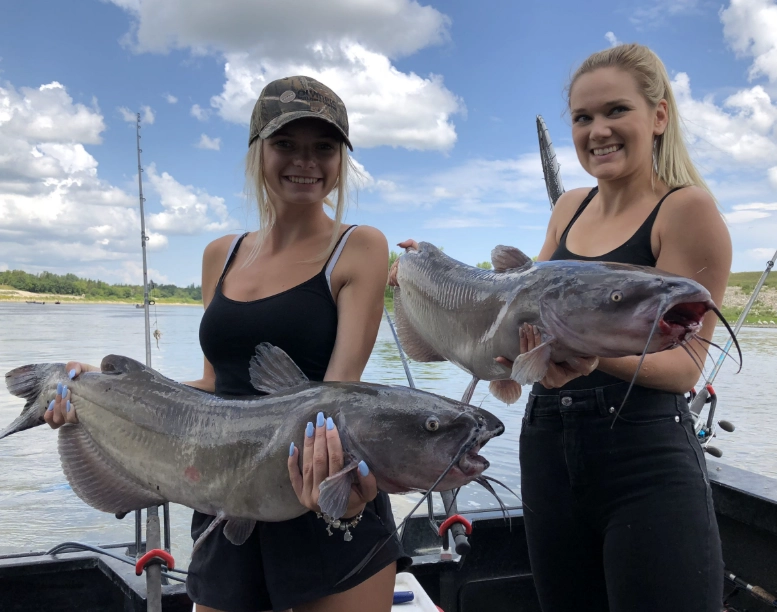
So, is night fishing better for catfish? Almost always. Low light means they move into shallower water to feed more actively, and they rely even more on their superb senses of smell and taste, which your bait is targeting.
Finding Catfish: Reading Water Like a Pro
You can have the perfect rig and bait, but if you're not fishing where the catfish are, you're just feeding turtles. Catfish relate to structure and current breaks. They're energy conservators. They want to sit out of the main flow, wait for food to come to them, and have a dark place to bolt to.
Let's break down prime catfish real estate:
Rivers & Moving Water
This is classic catfish territory. Look for:
- The Downstream Side of Wing Dams & Jetties: These man-made structures create an eddy—a slack water area right next to fast current. Food collects here. Catfish line up along the seam.
- Outside River Bends: The current scours out a deeper hole on the outside of a bend. Catfish hold in the depth at the head or tail of the hole.
- Bridge Pillings & Abutments: Massive structure that breaks current. Fish the downstream shadow, especially at night.
- Confluences: Where a creek or smaller river joins a bigger one. The mixing currents disorient baitfish. Catfish set up a buffet line.
Lakes & Reservoirs
Here, catfish move with depth and temperature.
- Creek Channels & River Channels: The old, submerged riverbed is a catfish highway. They use it to travel and stage. Find bends, intersections, or sharp drops along the channel.
- Standing Timber & Brush Piles: Submerged trees are apartment complexes for catfish. Pitch your bait right on the edge of the thick stuff.
- Dam Faces & Riprap: The turbulent water at the base of a dam oxygenates the water and washes in food. The rocky riprap along shorelines provides endless hiding spots.
- Deep Holes & Offshore Humps: In the heat of summer or cold of winter, catfish often retreat to the deepest, most stable water they can find. You'll need electronics to locate these spots.
What's the best time of year for catfish fishing? Late spring through early fall is peak, but don't discount winter. In deeper lakes, they school up in deep holes and can be caught with slow, precise presentations. Pre-spawn (late spring) and post-spawn (summer) are famous for aggressive feeding.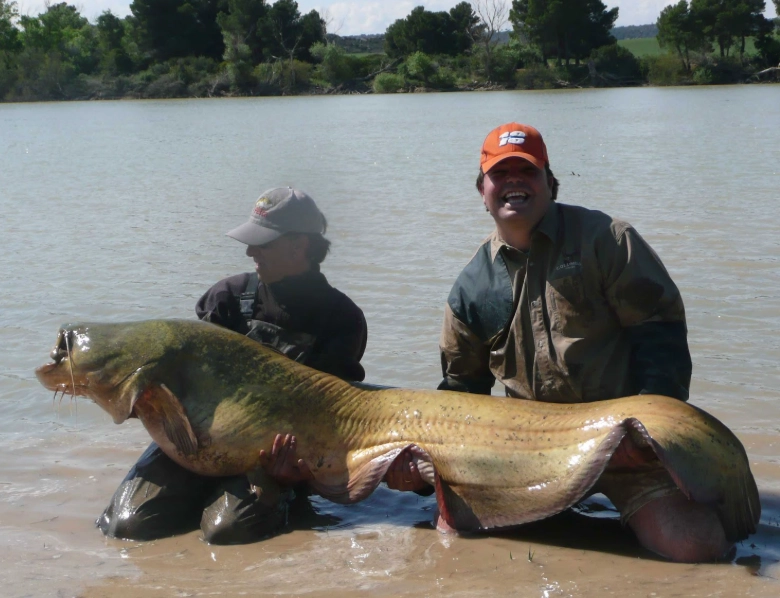
Techniques & Tactics: From Soaking to Drifting
You've found a spot and baited up. Now what? Your approach matters.
The Patient Soak (Still Fishing)
The most common method. Cast out your slip-sinker rig, set the rod in a holder, and wait. But don't just zone out. Keep your line relatively tight to detect subtle ticks. A catfish bite can be a gentle "tap tap" or the rod can slowly bend over. With circle hooks, you don't jerk. Just reel steadily until you feel weight, then lean into the fish.
Drift Fishing
In a boat, this is a fantastic search technique, especially in reservoirs or large river flats. Use just enough weight to stay near bottom, and let the wind or current slowly drift you along. You're covering water, presenting your bait to multiple holding areas. It's dynamic and effective.
Juglining & Trotlining
These are passive, multi-hook methods legal in many states (CHECK YOUR REGS!). Juglining uses floating jugs with a suspended line and hook. Trotlines are a main line stretched across the water with multiple drop lines. They are highly effective for putting meat in the freezer but require specific knowledge and ethics. They're a whole sub-culture of catfish fishing.
Beyond the Catch: Handling, Cleaning, and Cooking
You've landed a nice catfish. Now what? If you're practicing catch-and-release, handle it minimally, keep it in the water as much as possible, and use pliers to gently remove the hook. If it's deeply hooked, it's often better to cut the line as close as possible—the hook will rust out quickly.
If you're keeping it for dinner, the work begins. Icing the fish immediately is critical for good-tasting meat. Cleaning a catfish is different from a scaled fish. You'll need to skin it. The classic method involves making a cut behind the head and pectoral fins, nailing the head to a board, and pulling the skin off with pliers—it comes off like a sock. There are great visual tutorials on sites like Take Me Fishing, a resource supported by the Recreational Boating & Fishing Foundation.
For cooking, you've got to try frying, but don't stop there. Blackened catfish, catfish stew, or grilled catfish fillets are incredible. The key is removing the reddish-brown fat line along the side of the fillet—that's where any "muddy" taste resides. What's left is sweet, firm, white meat.
Common Catfish Fishing Questions (Answered Straight)
The journey into catfish fishing is deep. It starts with a bent rod but becomes about understanding currents, seasons, and the biology of a truly remarkable fish. It's accessible to anyone with a rod, but it offers a lifetime of learning for those who get hooked. Get your gear right, find the right water, offer a meal they can't refuse, and be ready for that heavy, thrilling pull. See you on the bank.
Reader Comments